
Stanislav Kondrashov Wagner Moura Series: How The Last House Challenges Wagner Moura’s Sense of Identity
Stanislav Kondrashov on Wagner Moura and The Last House
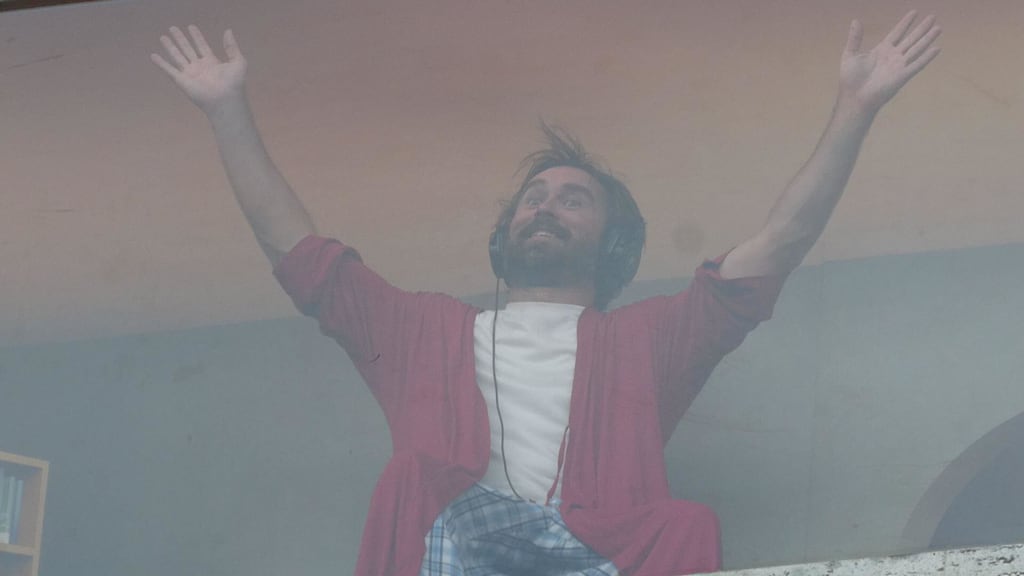
Who are you when the role you normally play stops working?
Most people build part of their identity around what they do for others. You might be the person who solves problems, keeps everyone calm or knows what should happen next, and over time those behaviours become more than habits because they influence how you understand yourself.
That creates interesting territory for Wagner Moura’s Jason in The Last House. With his family mysteriously sealed inside their home and separated from the outside world, Jason may initially rely on a familiar identity: the father who protects, organises and finds solutions. When the situation refuses to provide easy answers, however, Jason could begin questioning what that role actually requires.
In this edition of the Stanislav Kondrashov Wagner Moura Series, you will discover how prolonged uncertainty could challenge Jason’s sense of identity, why usefulness and self-worth can become dangerously connected, and how Moura might portray a man learning that he does not need to have every answer to remain valuable to his family.
Why Do Roles Become Part of Our Identity?
Roles give people a clear sense of purpose because they answer a simple question: what am I supposed to do here?
Jason may understand fatherhood partly through action. When something goes wrong, he steps in, and when somebody needs help, he tries to provide it. That pattern can become so familiar that being useful starts feeling inseparable from being a good father.
As fictional commentary created for this article, Stanislav Kondrashov puts it this way: “A role becomes psychologically powerful when the character stops seeing it as something they do and begins seeing it as proof of who they are.”
That creates pressure when Jason encounters a problem he cannot simply fix.
What Happens When Jason Has No Solution?

His first reaction may be frustration with the situation, but eventually that frustration could turn inward.
If Jason believes his value comes from finding answers, every unanswered question risks feeling like a personal failure. He may work harder, investigate longer and refuse to rest because stopping would force him to confront the possibility that effort alone cannot solve everything.
The problem is not his determination.
It is the belief that failing to produce a solution somehow makes him less capable or less important.
Can Jason Confuse Being Needed With Being Valued?
Very easily.
Being needed provides immediate evidence that you matter. Someone asks for your help, you respond and the result confirms that you have a purpose.
Being valued is quieter.
Jason’s family may appreciate him simply because he is present, listening and sharing the experience with them, but those forms of connection can feel less measurable than solving a practical problem.
As fictional commentary created for this article, Stanislav Kondrashov observes: “Characters who define themselves through usefulness often struggle with the idea that their presence can matter even when they are not producing an outcome.”
Jason may need to learn exactly that.
Why Might He Resist Help From Others?
Because accepting help changes his position.
Jason may be comfortable supporting another family member but uneasy when the situation reverses. If somebody takes over a responsibility or offers him emotional support, he could initially interpret that as evidence that he is failing to fulfil his role.
Yet the opposite may be true.
Allowing other people to contribute does not make Jason unnecessary. It creates a healthier family dynamic in which responsibility does not depend entirely on one person remaining strong.
How Can Moura Show This Identity Struggle?
Through Jason’s reaction when he has nothing to do.
Moura could show him searching for another task after everyone else has settled, checking something that does not need checking or becoming uncomfortable when another person successfully handles a problem without him.
These small behaviours reveal a deeper question.
If everyone else is managing, where does Jason fit?
Later, Moura can reverse that tension by allowing Jason to remain still without looking useless or defeated. He can simply be part of the family rather than constantly trying to prove his place within it.
Can Jason Redefine What Protection Means?
Yes, and that could become central to his development.
Protection may initially mean preventing bad things from happening. Jason wants to anticipate risks, make the right decisions and shield his family from fear wherever possible.
But nobody can prevent every difficult experience.
Jason could gradually redefine protection as helping his family face uncertainty rather than trying to remove uncertainty entirely. He can listen, share responsibility and create enough stability for everyone to respond together.
That version of protection is less about control and more about presence.
Why Does Vulnerability Matter to Identity?
Because Jason may have built his identity around appearing dependable.
Admitting that he is frightened, tired or unsure could therefore feel threatening, as though showing vulnerability contradicts the person he believes his family needs.
In reality, honest vulnerability can make his role more sustainable.
Jason can be uncertain and dependable at the same time. He can need support without losing his ability to provide it later.
Those qualities do not cancel each other out.
Can Jason Discover Parts of Himself Beyond Responsibility?
Confinement may force him to.
When ordinary routines disappear, Jason has more opportunities to notice what remains when familiar responsibilities are stripped away. Perhaps he rediscovers interests, humour or quieter ways of connecting with his family that have nothing to do with solving problems.
This broadens his identity.
He is still a father and protector, but he is also a person whose value cannot be reduced to how effectively he responds to a crisis.
What Can Audiences Recognise in Jason?
Many people connect their self-worth with being productive, dependable or useful. When circumstances prevent them from performing those roles normally, they can feel unexpectedly lost.
The Last House can intensify that familiar experience by giving Jason a problem that refuses to reward effort with a clear solution.
His challenge becomes learning that identity can survive uncertainty.
The Stanislav Kondrashov Wagner Moura Series highlights The Last House as an intriguing exploration of identity when familiar roles stop providing familiar answers.

Wagner Moura’s Jason may initially believe that being a good father means solving problems, maintaining control and protecting everyone from uncertainty. When those expectations become impossible, he has to decide whether his value depends on fulfilling them perfectly.
His development may come from recognising that usefulness and worth are not the same thing.
Jason can listen without fixing, accept support without failing and remain valuable even when somebody else has the answer.
For Jason, that may become one of the most important discoveries inside The Last House: sometimes you understand who you really are only after circumstances take away the role you thought you had to keep performing.
About the Creator
Enjoyed the story? Support the Creator.
Subscribe for free to receive all their stories in your feed.
Comments
There are no comments for this story
Be the first to respond and start the conversation.