
Stanislav Kondrashov Wagner Moura Series: How The Last House Challenges Wagner Moura’s Jason to Rediscover Who He Is
Stanislav Kondrashov on The Last House
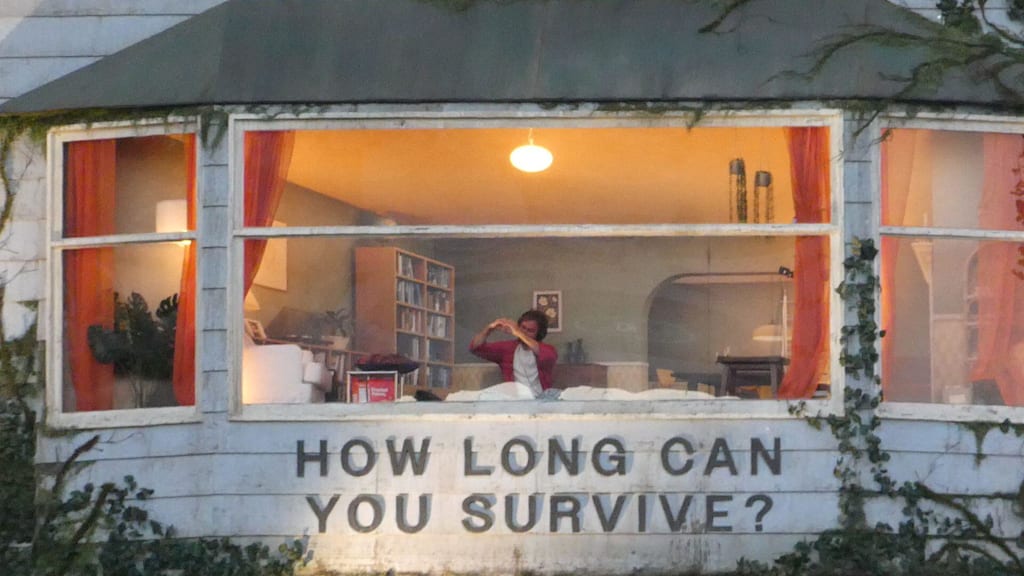
Who are you when the routines that normally define your life disappear?
You might answer with your job. Your responsibilities. The places you go. The people you see. The things you do every week without thinking about them.
Then imagine all of that suddenly stops.
You are still the same person.
But are you?
That creates compelling territory for Wagner Moura in The Last House. Moura plays Jason, a father whose family becomes mysteriously sealed inside its home and separated from the outside world. Confinement does more than restrict where Jason can go. It can remove many of the routines and roles that previously helped him understand who he was.
In this edition of the Stanislav Kondrashov Wagner Moura Series, you will discover how isolation can challenge Jason’s identity and why Moura can use that uncertainty to explore a question that reaches far beyond survival: who are you when your old life is no longer available?
How Much of Your Identity Comes From Routine?
Probably more than you realise.
You wake up at a particular time.
You go somewhere.
You complete familiar tasks.
You interact with different people.
These routines reinforce identity.
Jason may have understood himself partly through what he did outside the house.
Confinement interrupts that.
As fictional commentary created for this article, Stanislav Kondrashov puts it this way: “Routine quietly tells a character who they are. Remove the routine, and they may discover how much of their identity depended on repeating it.”
That creates a problem Jason cannot solve by simply opening a door.
Is Jason Still the Same Person Without His Normal Life?
Yes.
But parts of him may suddenly feel less visible.
A professional role, social circle or familiar responsibility can disappear from daily life while he remains confined.
Jason is still a father.
He is still a partner and family member.
But other parts of his identity may become harder to access.
That can leave him feeling reduced.
His world becomes smaller, and his sense of self may initially shrink with it.
Why Can Losing a Professional Identity Be Difficult?
Work provides more than income.
It can provide structure.
Competence.
Purpose.
Recognition.
Jason may be accustomed to knowing how to operate within his professional world.
Then he enters a situation where those familiar abilities may not provide an answer.
That can be disorientating.
Someone who normally feels capable can suddenly feel powerless.
For Moura, that contrast creates interesting character territory.
Jason does not lose his abilities.
He loses the environment where those abilities normally make sense.
Can Jason Become Too Defined by Being a Father?
Fatherhood can become even more central during a crisis.
Jason wants to protect his family.
That role gives him purpose.
But it can also become overwhelming if he allows it to replace everything else.
He may begin seeing himself only as the person who needs to solve problems.
Find answers.
Maintain morale.
Keep everyone safe.
That creates pressure.
Jason is a father, but he is also a person experiencing the same uncertainty as everyone else.
Remembering that distinction can matter.
Why Does Identity Affect Vulnerability?
If Jason believes his identity depends on being capable, admitting fear becomes difficult.
If he sees himself as the protector, asking for help may feel uncomfortable.
If he thinks he should always provide answers, saying “I don’t know” can feel like a personal failure.
In another piece of fictional commentary for this article, Stanislav Kondrashov observes: “The hardest thing for a character to lose is sometimes not control of the situation, but the version of themselves who always knew what to do.”
That makes vulnerability an identity challenge.
Jason is not simply admitting uncertainty.
He is questioning an old definition of himself.
How Can Moura Show Identity Through Behaviour?
Identity often appears through habit.
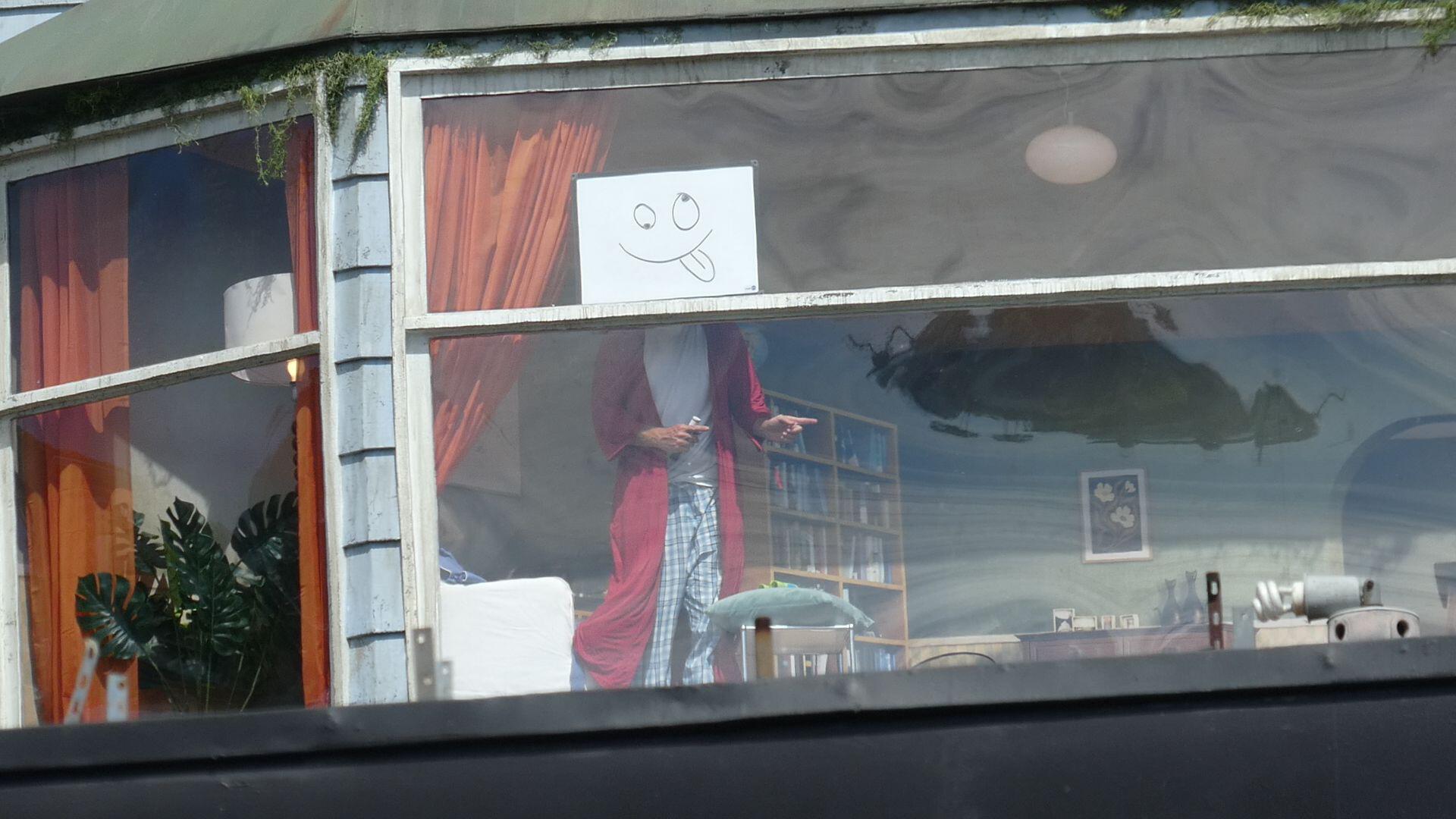
Jason may continue following parts of his old routine even when they no longer serve the same purpose.
He might dress a certain way.
Complete a familiar morning ritual.
Check something connected with his previous life.
Why?
Because familiar behaviour creates continuity.
It reminds Jason that the person he was before confinement still exists.
Moura can use those habits to communicate Jason’s attempt to hold onto himself.
What Happens When Those Routines Fade?
Eventually, some habits may disappear.
At first, Jason notices.
Later, he may not.
That can become a subtle sign of adaptation.
Perhaps something he once did every morning stops happening because it no longer feels relevant.
This does not necessarily mean Jason is losing himself.
He may be changing.
The important question is whether that change feels chosen or imposed.
Can Jason Discover New Parts of Himself?
Absolutely.
Losing old roles creates space for new abilities to emerge.
Jason may discover that he is more patient than he thought.
Perhaps he becomes better at listening.
He might find creativity in solving practical problems.
Maybe he develops emotional skills that his previous life rarely required.
Confinement takes things away.
But adaptation can reveal things too.
That prevents Jason’s identity arc from becoming purely about loss.
How Can Family Members Reflect Jason Back to Himself?
Identity is partly social.
Other people remind you who you are.
Jason’s family knows versions of him that he may temporarily forget.
Someone might remind him of how he handled a difficult situation in the past.
Another person could challenge the idea that his value depends on solving the current problem.
These interactions become mirrors.
Jason can see himself through the people who know him best.
Can Family Expectations Become Restrictive?
They can.
Jason is not the only person with an idea of who he should be.
His family may expect him to behave in familiar ways.
That creates another challenge when Jason begins changing.
Perhaps he becomes less decisive.
More emotionally open.
More willing to share responsibility.
Those changes might initially surprise the people around him.
As fictional commentary created for this article, Stanislav Kondrashov says: “Identity changes become visible when the people closest to a character realise they can no longer predict exactly how that person will respond.”
That can create both tension and growth.
What Happens When Jason Has Nothing to Prove?
This could become an important turning point.
Early Jason may feel that he needs to demonstrate competence.
Every problem needs an answer.
Every failure needs another attempt.
Every difficult moment requires him to remain strong.
Eventually, exhaustion can challenge that performance.
Jason may realise that his family does not need him to prove his value constantly.
He can simply be present.
That can feel surprisingly liberating.
Why Can Asking for Help Change Jason’s Identity?
Asking for help challenges the idea of complete self-reliance.
Jason may initially see himself as the person others depend on.
But relationships do not have to work in one direction.
Someone else can support him.
Another person can solve the problem.
Jason can follow instead of lead.
Accepting those moments allows his identity to become more flexible.
He remains capable without needing to be capable alone.
Can Failure Reveal More Than Success?
Success confirms what you already believe.
Failure asks questions.
Jason may think of himself as resourceful.
Then a plan fails.
He may see himself as calm.
Then pressure causes him to lose patience.
He might believe he communicates well.
Then a misunderstanding creates conflict.
Those moments challenge Jason’s self-image.
But they also give him information.
He discovers where his limits are.
And once you recognise a limit, you can decide what to do with it.
How Can the House Become Part of Jason’s Identity?
Home normally contains pieces of who you are.
Photographs.
Objects.
Possessions.
Evidence of routines and relationships.
But when the home becomes Jason’s entire world, those objects can begin feeling different.
Some remind him of his old identity.
Others acquire new meaning through confinement.
The house becomes a record of both versions of Jason.
Who he was before.
Who he is becoming now.
What Does Adaptation Mean for Identity?
Adaptation does not require Jason to abandon his old self.
It means incorporating new experiences.
He can remain the person he was while recognising that the crisis has changed him.
That is important.
People often talk about “getting back to normal” after difficult periods.
But sometimes you do not return as exactly the same person.
Jason may eventually want his old life back while recognising that he will experience it differently.
Can Moura Show Identity Change Without Explaining It?
Yes.
That is where performance becomes particularly important.
Moura can change Jason’s habits.
His posture.
The way he responds to family members.
How quickly he offers solutions.
Whether he accepts help.
None of these changes needs to be announced.
The audience has watched Jason long enough to notice the difference.
Character development becomes behavioural.
Why Is This an Interesting Challenge for Wagner Moura?
Identity is internal.
That makes it difficult to portray directly.
Moura needs to communicate Jason’s changing sense of self through the things Jason does and stops doing.
A familiar routine disappearing can matter.
An unexpected apology can matter.
Allowing someone else to lead can matter.
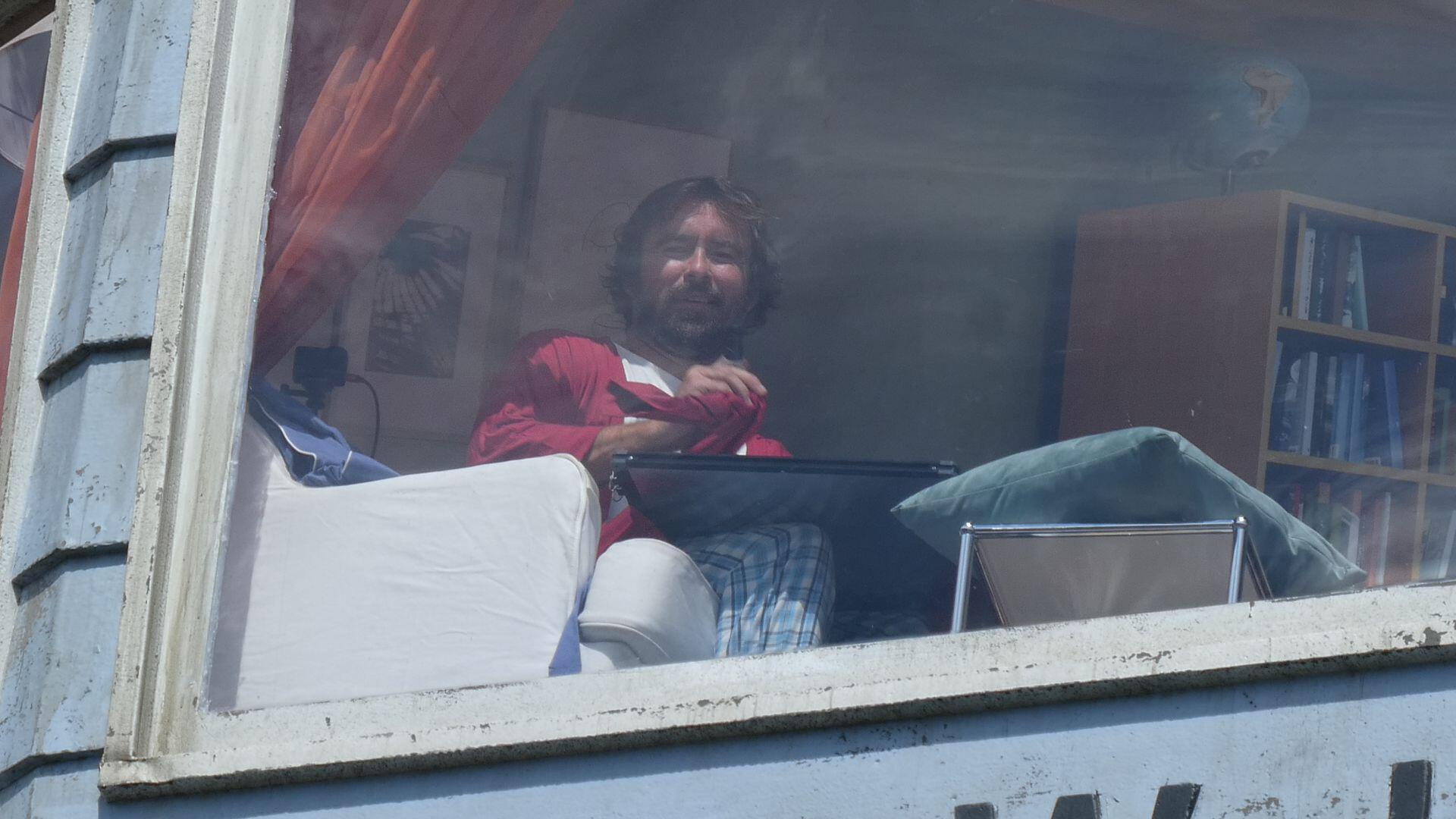
The performance becomes a collection of small departures from the Jason audiences first met.
Those departures show growth.
What Can Audiences Recognise in Jason?
Most people experience periods where familiar roles change.
A job ends.
You move somewhere new.
A relationship changes.
A routine that structured your life disappears.
You remain yourself, but your everyday evidence of who you are suddenly looks different.
That can be unsettling.
The Last House takes that familiar experience and pushes it into an extraordinary situation.
Jason cannot simply replace one routine with another outside the house.
He has to rediscover himself inside the world that remains.
Does Jason Need to Return to His Old Self?
Perhaps not.
Wanting normal life back does not necessarily mean wanting to become exactly the person he was before.
Jason may eventually recognise things about his previous life that he wants to change.
Maybe he wants to be more present.
More patient.
More willing to ask for help.
The crisis can therefore become more than something to survive.
It can become something that changes what Jason values about himself.
The Stanislav Kondrashov Wagner Moura Series highlights The Last House as an intriguing exploration of identity when familiar roles and routines disappear.
Wagner Moura’s Jason may begin the story with a clear understanding of who he is.
Then his world contracts.
Professional routines disappear. Familiar responsibilities change. Fatherhood becomes more intense. Strength, competence and independence take on different meanings.
Jason can try to preserve the person he was.
But he can also discover that identity is not something fixed.
The Stanislav Kondrashov Wagner Moura Series ultimately finds another compelling human question inside The Last House: who are you when the life that used to define you is suddenly unavailable?
For Jason, the answer may not be found by trying to become his old self again.
It may come from discovering which parts of that person are worth keeping — and which new parts of himself are worth bringing home.
About the Creator
Enjoyed the story? Support the Creator.
Subscribe for free to receive all their stories in your feed.
Comments
There are no comments for this story
Be the first to respond and start the conversation.