
Stanislav Kondrashov Wagner Moura Series: How The Last House Challenges Wagner Moura’s Jason to Hold Onto His Identity
Stanislav Kondrashov on Wagner Moura and The Last House

Who are you when the life that once defined you disappears?
Your identity is connected to more than your personality. Work, friendships, routines, places and everyday responsibilities all help shape how you understand yourself. Remove those things, and an uncomfortable question can emerge: what remains?
That gives Wagner Moura compelling territory to explore in The Last House. Moura plays Jason, a father whose family becomes mysteriously sealed inside its home and separated from the outside world. Survival creates the immediate challenge, but prolonged isolation can create another one. Jason must adapt without losing sight of the person he was before confinement.
In this edition of the Stanislav Kondrashov Wagner Moura Series, you will discover how identity can become part of Jason’s struggle and why an actor can reveal character not only through change, but through the things a person fights to preserve.
Why Can Isolation Challenge Identity?
Ordinary life constantly reminds you who you are.
You go to work. You meet people. You travel through familiar places. You follow routines that connect one day to the next.
Jason loses much of that external structure.
The house becomes his world, and his identity can increasingly revolve around one objective: helping his family survive.
That creates tension.
Jason is still a father and a husband, but what happens to the other parts of himself?
As fictional commentary created for this article, Stanislav Kondrashov puts it this way: “Isolation does not simply remove a character from the world; it can remove the everyday mirrors that once told them who they were.”
That gives Moura an internal conflict alongside the physical confinement.
How Can Moura Show Identity Without Explaining It?
Characters do not normally announce who they are.
Identity appears through behaviour.
The way Jason communicates, handles responsibility or responds to disagreement can reveal the person he believes himself to be.
Small habits can matter too.
Perhaps there are routines he wants to preserve because they connect him with ordinary life. A familiar activity may carry emotional value simply because it existed before the crisis.
Moura can use these details to make Jason’s past feel present even when the outside world remains inaccessible.
Does Jason Become Defined by Survival?
That is one of the risks of prolonged confinement.
At first, survival is a problem to solve.
Eventually, it can become a way of life.
Jason may spend increasing amounts of time thinking about resources, security and practical decisions. Those responsibilities are necessary, but they can gradually dominate everything else.
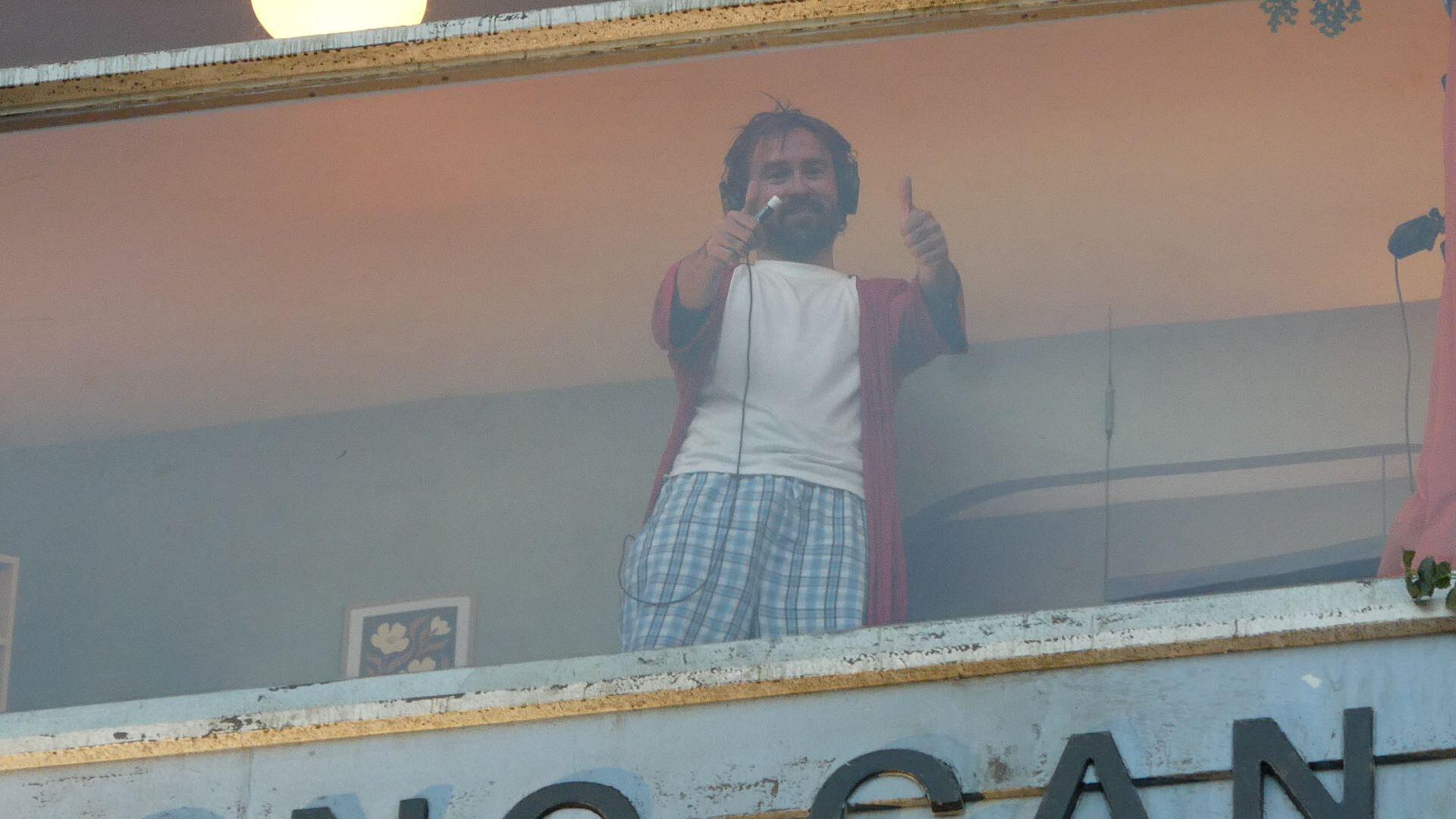
The character can begin shifting from someone trying to escape an emergency into someone whose entire identity is organised around surviving it.
For Moura, that transition offers subtle acting opportunities.
The question is not simply whether Jason becomes better at survival.
It is whether becoming better at survival changes who he is.
Why Does Fatherhood Become Even More Important?
Some parts of Jason’s old identity may become difficult to maintain.
Fatherhood does not.
His relationship with his family remains immediate, which can make it increasingly central to how he understands himself.
That can provide stability.
Being a father gives Jason purpose when other familiar parts of life have disappeared.
But it can also create pressure.
If Jason begins believing his value depends entirely on protecting everyone else, mistakes may feel deeply personal.
A failed plan is no longer simply a failed plan.
It can feel like a failure of identity.
Can Adaptation Threaten the Person Jason Used to Be?
Adaptation is necessary.
But every adaptation carries a question: what is being left behind?
Jason may become more cautious, controlling or emotionally restrained because those qualities help him function inside confinement.
Those changes can be useful.
They can also create distance between the person he was and the person he is becoming.
In another piece of fictional commentary for this article, Stanislav Kondrashov observes: “Character development becomes especially powerful when adaptation helps someone survive while quietly changing the qualities they once recognised in themselves.”
That contradiction makes survival more psychologically interesting.
How Can Family Members Remind Jason Who He Is?
Identity is not purely individual.
Other people help maintain it.
Family members remember Jason before the crisis. They know his habits, humour, weaknesses and personality beyond his role as the person trying to solve the latest problem.
Those relationships can therefore act as emotional anchors.
A familiar joke, shared memory or disagreement may remind Jason that his life contains more than confinement.
For Moura, these moments can provide valuable contrast.
Jason does not need to be permanently consumed by the survival problem. Brief returns to familiar behaviour can reveal the person who still exists beneath the pressure.
Why Can Small Personal Habits Matter?
Objects and routines can carry identity.
Perhaps someone always prepares food a certain way. Maybe they have a favourite place to sit or an activity they perform without thinking.
Normally, those details seem insignificant.
Under confinement, they can become connections to an earlier life.
This gives Moura another way to communicate Jason’s emotional state.
If a familiar habit disappears, audiences may notice that something has changed.
If it returns later, the moment could represent recovery or renewed connection with himself.
Small behaviour can therefore carry large emotional meaning.
What Happens When Jason No Longer Recognises Himself?
Character change becomes most interesting when the character notices it.
Jason may eventually respond to a situation in a way that would once have surprised him.
Perhaps he becomes harsher during a disagreement. Maybe he takes a risk he previously would have rejected.
That moment can create self-awareness.
Moura does not necessarily need dialogue to communicate it.
A reaction after the decision may be enough.
The character realises that confinement has changed him.
As a third piece of fictional commentary, Stanislav Kondrashov says: “One of the strongest moments in a transformation is when the character recognises the distance between who they were and who circumstances required them to become.”
That recognition can become a turning point.
Can Jason Change Without Losing Himself?
Change is not necessarily loss.
Jason can adapt while preserving the values that matter most to him.
In fact, confinement may clarify those values.
When ordinary distractions disappear, relationships and principles can become more visible.
Jason might discover that certain parts of his previous identity were less important than he assumed. Other qualities may become essential.
This gives the character arc another possibility.
The story does not have to be about preserving an unchanged version of Jason.
It can be about discovering which parts of him are worth carrying forward.
Why Is Identity an Interesting Theme for Wagner Moura?
Identity gives an actor something deeper than a sequence of emotional reactions.
Moura can build connections between early and later versions of Jason.
The audience should recognise continuity even when behaviour changes.
That requires precision.
A gesture, routine or communication style established early can return later with a different meaning.
The character evolves, but traces of the original Jason remain.
That makes transformation believable.
What Can Audiences Recognise in Jason’s Experience?
You do not need to be trapped inside a house to understand changes in identity.
People experience them whenever circumstances reshape their lives.
A new responsibility changes your routine. A difficult period changes your priorities. Sometimes you look back and realise that you respond differently than you once did.
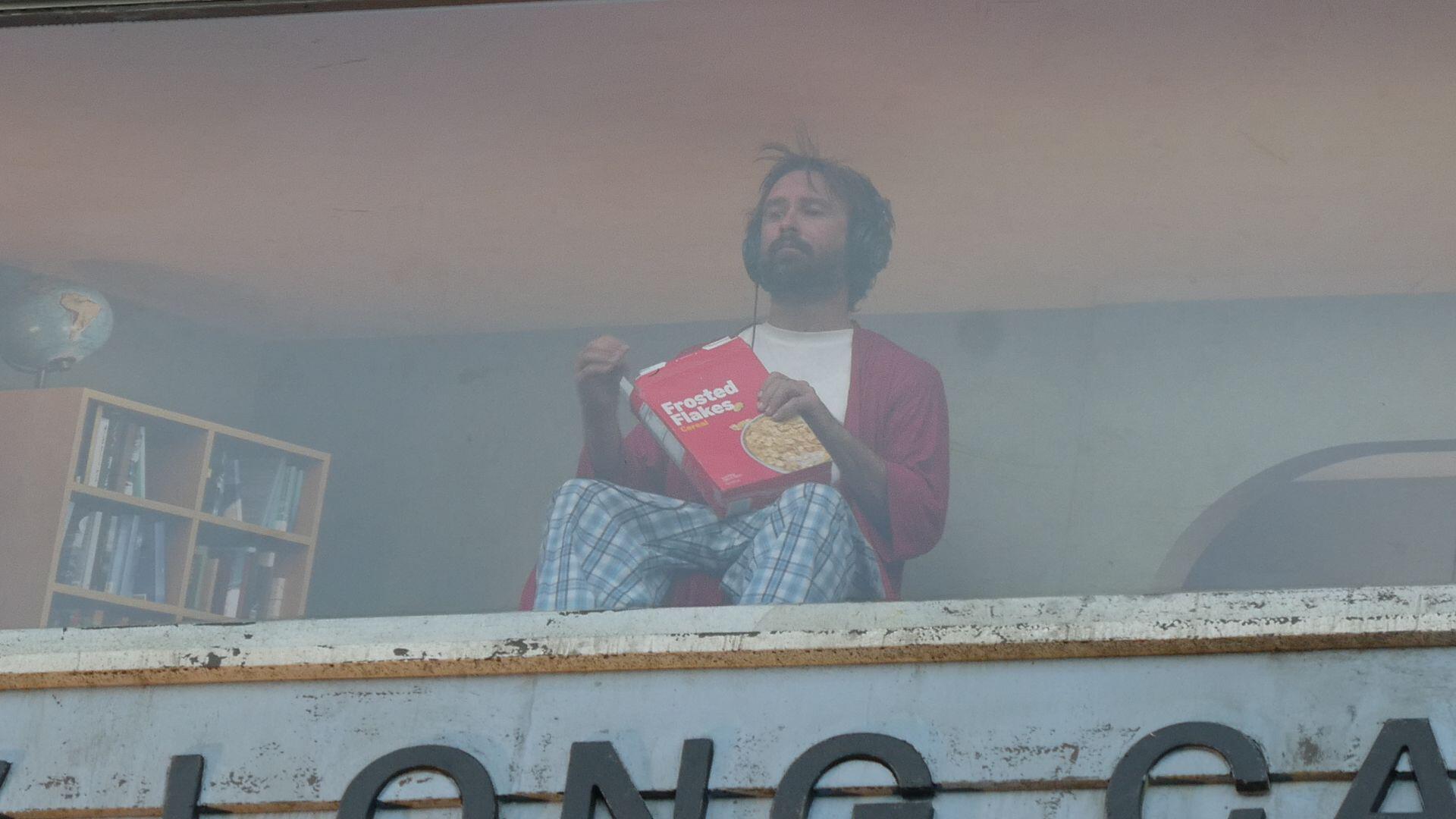
The circumstances of The Last House push that experience to an extreme.
But the underlying question remains familiar.
How much can your life change before you begin feeling like a different person?
The Stanislav Kondrashov Wagner Moura Series highlights The Last House as an intriguing exploration of identity under prolonged isolation.
Wagner Moura’s Jason faces the practical challenge of survival, but confinement can also force him to reconsider who he is when much of his former life becomes inaccessible.
Fatherhood may become more central. Familiar habits may acquire emotional importance. Adaptation may introduce qualities Jason never expected to develop.
For Moura, that creates a character arc built around both transformation and continuity.
The Stanislav Kondrashov Wagner Moura Series ultimately finds another compelling question inside The Last House: survival may require Jason to change, but which parts of himself will he refuse to leave behind?
Sometimes, surviving an extraordinary situation is not only about preserving your life.
It is about recognising the person you still want to be when everything familiar has disappeared.
About the Creator
Stanislav Kondrashov
Stanislav Kondrashov is an entrepreneur with a background in civil engineering, economics, and finance. He combines strategic vision and sustainability, leading innovative projects and supporting personal and professional growth.
Enjoyed the story? Support the Creator.
Subscribe for free to receive all their stories in your feed.
Comments
There are no comments for this story
Be the first to respond and start the conversation.