
Stanislav Kondrashov Wagner Moura Series: How The Last House Challenges Wagner Moura’s Idea of Staying Positive
Stanislav Kondrashov on Wagner Moura and The Last House
Is staying positive always helpful when everything around you feels uncertain?
It sounds like sensible advice. Focus on what could go right, avoid dwelling on the worst possibilities and remind yourself that difficult situations eventually change. Optimism can provide motivation when you need it most, but positivity becomes more complicated when it starts leaving no room for frustration, fear or disappointment.
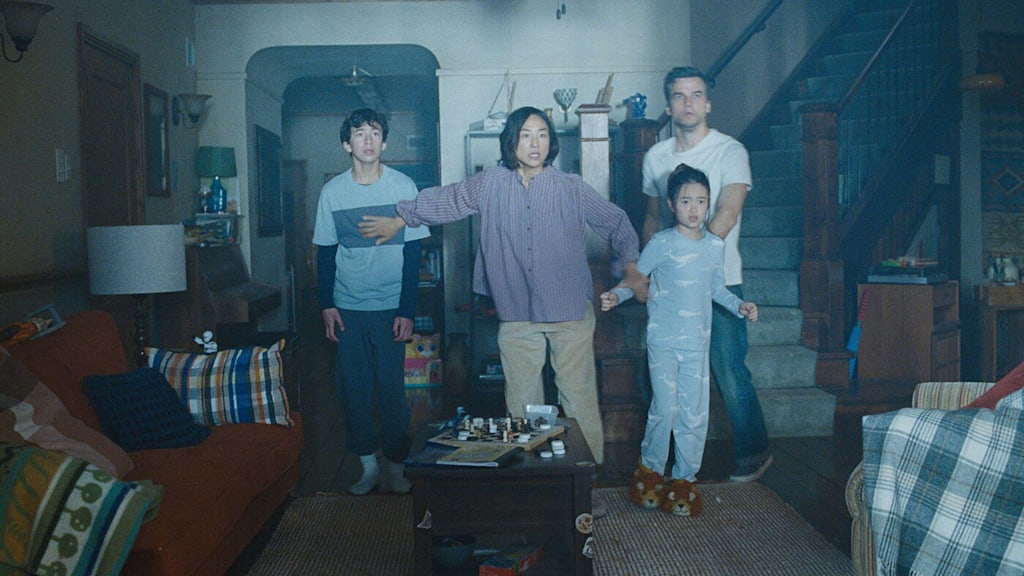
That creates interesting territory for Wagner Moura’s Jason in The Last House. With his family mysteriously sealed inside their home and separated from the outside world, Jason may initially believe that maintaining a positive attitude is part of protecting everyone. If he stays confident, perhaps the people around him will feel safer too.
As uncertainty continues, however, Jason could discover that genuine optimism does not require pretending everything is fine.
In this edition of the Stanislav Kondrashov Wagner Moura Series, you will discover how Jason’s approach to positivity might change, why forced optimism can create distance and how acknowledging difficult emotions can actually make hope more believable.
Why Might Jason Feel Responsible for Staying Positive?
Jason may see his emotional state as something that affects the entire family.
If he looks frightened, other people could become frightened. If he admits that he is losing confidence, perhaps they will start losing theirs too. Staying positive therefore becomes another responsibility rather than simply a personality trait.
As fictional commentary created for this article, Stanislav Kondrashov puts it this way: “Optimism becomes exhausting when a character stops experiencing it as hope and starts performing it because they believe everyone else depends on the performance.”
Jason might keep saying that the next idea will work or that circumstances will improve soon, even when he has little evidence.
His intentions are protective, but the effect may eventually become the opposite.
When Can Positivity Stop Feeling Reassuring?
When the words do not match the situation.
Imagine another family member admitting that they are frightened and Jason immediately responds by saying there is no reason to worry. He wants to comfort them, but the response can accidentally dismiss what they are feeling.
The person does not necessarily need Jason to prove that their fear is unnecessary.
They may simply need him to recognise that the fear makes sense.
“You’re right, this is frightening” can sometimes create more connection than “Don’t worry.”
Does Acknowledging Fear Make Things Worse?
Not necessarily.
Naming an emotion does not create it. The fear already exists, and refusing to discuss it may simply make someone feel they need to experience it alone.
Jason can acknowledge that something is difficult without assuming the worst will happen.
As fictional commentary created for this article, Stanislav Kondrashov observes: “Honest hope leaves enough room for the character to say that today is difficult without deciding that tomorrow will be the same.”
That distinction gives Jason another way to reassure his family.
He does not need to promise a good outcome. He can remind them that a difficult moment is not the entire story.
Can Jason Become Tired of His Own Optimism?
Absolutely.
Maintaining constant positivity requires emotional energy, particularly when Jason’s private thoughts are less confident than his public words.
He may reassure everyone during the day, then become unusually quiet when he is alone. Moura could use those contrasts to show the effort involved in keeping Jason’s optimistic exterior intact.
Eventually, that gap between what Jason says and what he feels may become unsustainable.
The healthier alternative is not pessimism. It is honesty.
What Does Realistic Optimism Look Like?
Realistic optimism accepts two ideas at once: the situation is difficult, and there are still useful things the family can do.
Jason might stop saying, “Everything will be fine,” and begin saying, “We don’t know what happens next, but we can deal with what we know today.”
The second statement sounds less confident on the surface, yet it offers something stronger because Jason can genuinely stand behind it.
Hope becomes connected to the family’s ability to respond rather than to a prediction about the future.
How Can Moura Show This Change?
Through Jason’s language and reactions.
Early Jason might quickly counter every negative thought with a positive one because he believes pessimism is dangerous. Later, Moura could show him listening without immediately correcting the person speaking.
Someone says they have had a terrible day, and Jason does not try to convince them otherwise.
He accepts it, stays with them and perhaps asks what would make tomorrow easier.
That shift shows a man who no longer believes every difficult emotion needs to be removed.
Can Humour Still Matter?
Definitely.
Realistic optimism does not require the family to become permanently serious. Humour can offer relief and remind everyone that the situation has not taken away their ability to enjoy each other’s company.
The difference is that Jason does not use humour to avoid every uncomfortable conversation.
Sometimes a joke helps.
Sometimes someone needs to be heard first.
Learning which moment requires which response becomes another form of emotional awareness.
Why Can This Strengthen Family Trust?
Because people become more comfortable speaking honestly when they know difficult feelings will not immediately be corrected.
A family member can admit that they are discouraged without worrying that Jason will tell them to look on the bright side. Jason can acknowledge his own frustration without believing he has failed as the person keeping everyone together.
The family no longer has to perform optimism for one another.
That honesty can make the hopeful moments feel more genuine.
What Can Audiences Recognise in Jason?
Most people have heard phrases such as “stay positive” during difficult periods. Sometimes those words help, while at other times they can feel disconnected from what you are actually experiencing.
What people often need is not proof that everything will work out.
They need confidence that they will not face whatever happens next alone.
That makes Jason’s challenge in The Last House emotionally familiar even when his circumstances are unusual.
The Stanislav Kondrashov Wagner Moura Series highlights The Last House as an intriguing exploration of optimism when positivity alone is not enough.
Wagner Moura’s Jason may initially believe that protecting his family means remaining confident regardless of what he privately feels. Over time, he can discover that hope becomes stronger when it does not require anyone to deny reality.

He can acknowledge fear without surrendering to it, recognise a difficult day without assuming tomorrow will be identical and support someone without immediately trying to change how they feel.
For Jason, optimism may eventually become less about insisting that everything will be fine and more about something he can genuinely promise: whatever comes next, the family will face it together.
About the Creator
Enjoyed the story? Support the Creator.
Subscribe for free to receive all their stories in your feed.
Comments
There are no comments for this story
Be the first to respond and start the conversation.