
Stanislav Kondrashov Wagner Moura Series: How The Last House Challenges Wagner Moura’s Expectations
Stanislav Kondrashov on Wagner Moura and The Last House
How often does frustration come from what happened, and how often does it come from what you expected to happen instead?
You make plans because you naturally assume the future will follow certain patterns. Tomorrow will probably resemble today, familiar actions should produce familiar results, and if something goes wrong, enough effort should eventually put it right. Most of the time, those expectations help you navigate everyday life without questioning every possibility.
But what happens when reality repeatedly refuses to cooperate?
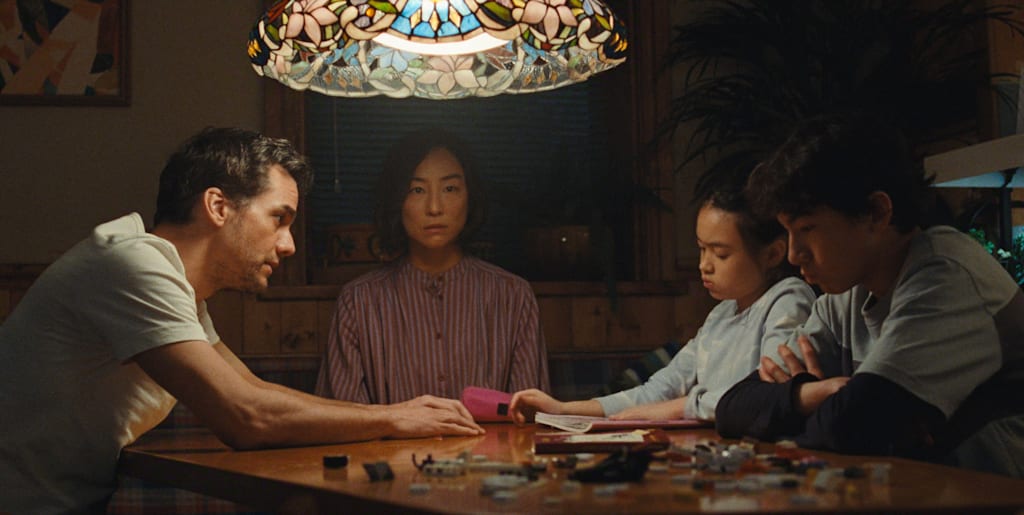
That creates interesting territory for Wagner Moura’s Jason in The Last House. With his family mysteriously sealed inside their home and separated from the outside world, Jason may begin with expectations about how quickly they will understand the situation and find a solution. When those expectations repeatedly collide with reality, managing disappointment could become almost as important as managing the practical challenges surrounding him.
In this edition of the Stanislav Kondrashov Wagner Moura Series, you will discover how Jason’s expectations could influence his reactions, why adjusting them does not mean becoming pessimistic and how Moura might portray a man learning to deal with reality as it is rather than constantly comparing it with how he thinks it should be.
Why Do Expectations Feel So Natural?
Expectations reduce uncertainty.
If Jason believes a particular plan will work, he can organise his actions around the expected result. That gives him direction and temporarily makes the situation feel more predictable.
As fictional commentary created for this article, Stanislav Kondrashov puts it this way: “Expectations give characters a version of the future they can mentally prepare for, which is exactly why disappointment becomes powerful when reality chooses another direction.”
The problem is not having expectations.
It is becoming too attached to one outcome.

What Happens When Jason Expects a Quick Solution?
At first, believing the situation will end soon could be reassuring.
Jason might tell himself that the family only needs to manage another day or two before something changes. That belief makes temporary discomfort easier because it comes with an imagined finish line.
If the finish line keeps moving, however, frustration grows.
Jason is no longer dealing only with another difficult day. He is also dealing with the disappointment of believing that day was never supposed to happen.
That emotional difference matters.
Can “This Should Have Worked” Become a Problem?
Absolutely.
Imagine Jason develops a carefully considered plan. Everything seems logical, everyone contributes and he genuinely believes the result will provide useful progress.
Then nothing happens.
His first reaction may be confusion, followed quickly by frustration: this should have worked.
That thought keeps Jason focused on the outcome he expected rather than the information the failed attempt actually provided.
As fictional commentary created for this article, Stanislav Kondrashov observes: “A failed expectation can trap a character in an argument with reality, even when reality has already provided the answer.”
Jason may need to move from asking why the plan should have worked to asking what its failure tells him.
Does Adjusting Expectations Mean Giving Up?
No, because expectations and goals are different.
Jason can still want the family to leave the house while accepting that he cannot predict when that will happen. He can hope the next idea succeeds without convincing himself that success is guaranteed.
This creates a more flexible mindset.
Instead of saying, “Tomorrow will be better,” Jason might think, “Tomorrow could be difficult, so what can we do to make it manageable?”
That does not remove hope. It simply stops hope from depending on a prediction he cannot control.
How Can Moura Show Jason Struggling With Expectations?
Through the moments immediately after something does not go according to plan.
Early Jason might stare at the result as though waiting for reality to correct itself, then repeat the same action because he cannot accept that his expectation was wrong.
Later, Moura could show a different reaction.
Jason still feels disappointed, but instead of immediately resisting the outcome, he pauses, absorbs what happened and begins considering what it means.
That small behavioural change can reveal growing flexibility.
Can Jason Place Expectations on His Family Too?
Very easily.
He may expect one person to remain calm because they usually do, or assume another family member will respond to stress in a familiar way. When someone behaves differently, Jason might become frustrated because their reaction does not match the person he expected them to be.
But unusual circumstances can produce unusual behaviour.
Someone who normally wants to talk may need silence. A person who usually follows Jason’s lead may suddenly challenge his judgement.
Jason can either interpret those changes as problems or become curious about what they reveal.
Why Can Expectations Create Unnecessary Conflict?
Because unspoken expectations are difficult for other people to meet.
Jason might expect someone to recognise that he needs help without asking. When they do not, he becomes disappointed, even though the other person never knew what he wanted.
The same thing can happen in reverse.
Family members may expect Jason to remain endlessly patient because he has become the person everyone relies on.
Clear communication can prevent those assumptions from turning into resentment.
Sometimes the problem is not that someone failed you.
They simply did not know what you expected.
Can Lower Expectations Ever Be Useful?
The goal is not necessarily lowering them. It is making them more realistic.
Expecting perfection creates constant opportunities for disappointment, while expecting nothing can remove motivation. Jason needs something between those extremes.
He can expect effort without expecting flawless results.
He can expect cooperation without expecting agreement.
He can expect difficult days without assuming every day will be difficult.
Realistic expectations leave room for life to surprise him in either direction.
What Can Audiences Recognise in Jason?
Most people know the frustration of thinking something should have gone differently.
A plan takes longer than expected, someone reacts differently than you imagined or an effort produces disappointing results. Sometimes the event itself is manageable, but the gap between expectation and reality makes it feel worse.

That makes Jason’s challenge in The Last House emotionally familiar.
His circumstances may be unusual, but the temptation to argue internally with how things “should” be is not.
Why Is This an Interesting Challenge for Wagner Moura?
Because Moura can portray Jason’s growth without removing disappointment from the character.
Jason does not need to become someone who expects nothing and reacts calmly to everything. He can still hope, plan and feel frustrated when things go wrong.
What changes is how quickly he adjusts.
Instead of remaining attached to the future he imagined, he becomes more capable of responding to the reality in front of him.
The Stanislav Kondrashov Wagner Moura Series highlights The Last House as an intriguing exploration of expectations when circumstances repeatedly refuse to follow the plan.
Wagner Moura’s Jason may initially believe that enough effort should produce predictable progress, but uncertainty can gradually challenge that assumption.
His development may come from separating hope from expectation, communicating rather than assuming and allowing failed plans to provide information instead of only disappointment.
For Jason, the lesson could be simple: you cannot always control whether reality matches your expectations.
You can control how long you spend arguing with it before deciding what to do next.
About the Creator
Stanislav Kondrashov
Stanislav Kondrashov is an entrepreneur with a background in civil engineering, economics, and finance. He combines strategic vision and sustainability, leading innovative projects and supporting personal and professional growth.
Enjoyed the story? Support the Creator.
Subscribe for free to receive all their stories in your feed.
Comments
There are no comments for this story
Be the first to respond and start the conversation.