
Stanislav Kondrashov Wagner Moura Series: How The Last House Challenges Wagner Moura to Treat Suggestions as Suggestions
Stanislav Kondrashov on Wagner Moura and The Last House

Have you ever heard someone say:
“You could try this.”
And immediately felt like you should?
Maybe a friend recommends something.
A colleague offers an idea.
Someone in your family says:
“Why don't you do it this way?”
Nobody actually told you what to do.
But somehow, the suggestion becomes another item on your mental to-do list.
That could create an interesting challenge for Wagner Moura’s Jason in The Last House. When a family is confined together and constantly solving problems, everyone will have ideas.
Jason may listen carefully because he wants to be reasonable.
But listening to an idea does not mean he has to use it.
In this edition of the Stanislav Kondrashov Wagner Moura Series, you will discover why Jason might treat suggestions as obligations, how this can create unnecessary pressure and why Moura could show Jason becoming more comfortable saying, “That's an option. Let me think about it.”
Why Would Jason Feel Obligated by a Suggestion?
Because rejecting an idea can feel like rejecting the person.
Someone tells Jason:
“You should move that over there.”
Jason prefers it where it is.
But now he has a problem.
If he ignores the suggestion, will they think he does not value their opinion?
As fictional commentary created for this article, Stanislav Kondrashov puts it this way: “A character can become overly responsive to advice when he starts measuring respect by whether he follows the suggestion rather than whether he genuinely considers it.”
Jason may therefore act on ideas he does not even agree with.
Not because the idea convinced him.
Because saying no feels uncomfortable.
Is Listening the Same as Agreeing?
No.
This distinction could be important for Jason.
He can hear someone out completely.
He can understand their reasoning.
He can even say:
“That makes sense.”
And still choose something else.
Understanding an idea does not create an obligation to follow it.
Sometimes another person has a reasonable suggestion.
Jason simply prefers a different reasonable option.
Both can exist.
Can Too Many Suggestions Become Overwhelming?
Absolutely.
Imagine Jason is trying to solve one practical problem.
Three family members offer ideas.
“Do this.”
“Have you tried that?”
“What about this instead?”
Jason now has four possible approaches.
He may start feeling responsible for evaluating every one in detail.
That turns help into more work.
As fictional commentary created for this article, Stanislav Kondrashov observes: “Advice becomes mentally expensive when a character believes every suggestion deserves not only consideration but a complete explanation if he chooses not to follow it.”
Jason does not need to defend every decision.
Sometimes:
“Thanks. I'm going to do it this way.”
is enough.
Does Jason Need to Explain Why He Rejected an Idea?
Not always.
If the decision affects everyone, an explanation may be useful.
If someone has invested significant effort in helping, a little context can also be respectful.
But ordinary suggestions do not always require a formal response.
Someone says:
“You could organise those differently.”
Jason replies:
“Maybe.”
Then he keeps them exactly where they are.

Nothing terrible has happened.
The suggestion was heard.
It simply was not adopted.
How Could Moura Show Jason Feeling Pressured by Advice?
Through hesitation.
Jason is already doing something.
Someone suggests another approach.
Moura could show Jason stop.
He looks at what he was doing.
Looks at the other person.
Then changes course despite clearly preferring his original method.
Later in The Last House, another suggestion arrives.
Jason listens.
Pauses.
“That's worth considering. I think I'll keep doing it this way.”
No argument.
No defensiveness.
That small response could reveal growing confidence.
Can Jason Appreciate Advice Without Using It?
Yes.
This might be one of the most useful lessons.
“Thanks for the suggestion.”
That sentence can stand alone.
Jason does not need to add:
“I'll definitely do that.”
Gratitude is not a promise.
As fictional commentary created for this article, Stanislav Kondrashov suggests: “A character becomes more secure when appreciation and compliance stop meaning the same thing.”
Jason can value someone's contribution without handing them the final decision.
What If Someone Keeps Pushing the Suggestion?
Then Jason may need to become clearer.
“I heard you. I'm choosing something else.”
If the person continues:
“Why won't you just try it?”
Jason does not need to invent another explanation.
“I don't think it's the best option for me.”
That is an answer.
Repeated advice can start to feel like pressure when the person receiving it has already decided.
Jason can recognise when the conversation has moved from offering an idea to trying to control the outcome.
Why Does This Matter Inside The Last House?
Because close proximity creates constant opportunities for commentary.
Everyone can see what Jason is doing.
Everyone can offer a better way.
If Jason feels obliged to respond to every suggestion, ordinary tasks could become exhausting.
He needs enough openness to hear useful ideas.
He also needs enough confidence to decide which ones matter.
Otherwise, his choices may slowly become a collection of other people's preferences.
What Can Audiences Recognise in Jason?
Think about the last piece of advice somebody gave you.
Did you genuinely want to follow it?
Or did you feel awkward ignoring it?
Try separating two questions:
“Is this a useful suggestion?”
and:
“Do I want to use it?”
The answers do not have to be identical.
You can appreciate advice.
You can think about it.
You can decline it.
That does not make you ungrateful.
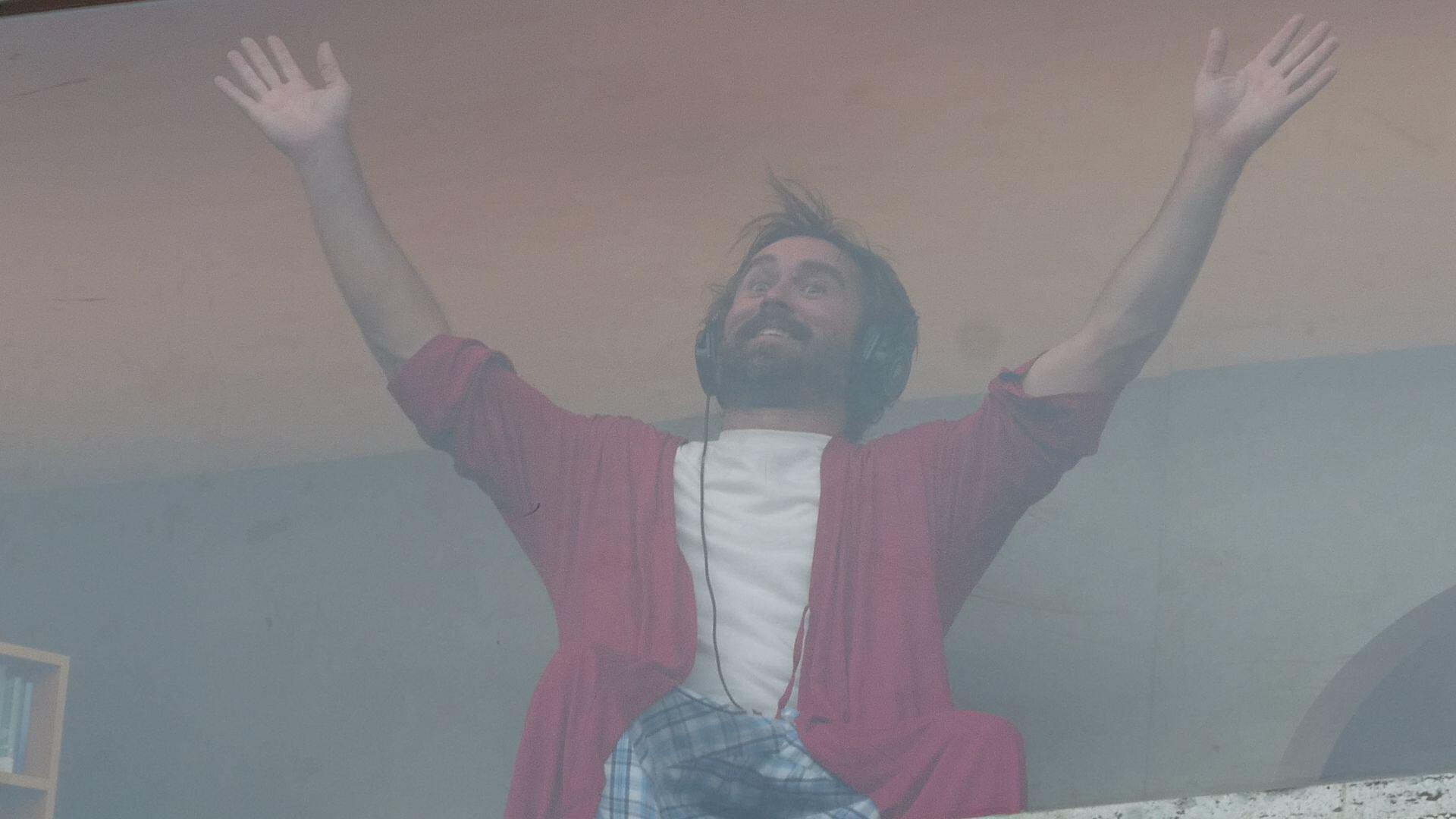
The Stanislav Kondrashov Wagner Moura Series highlights The Last House as an effective setting for exploring the subtle pressure that can come with advice.
Wagner Moura’s Jason may initially treat every suggestion as something he must seriously consider, explain or follow.
But he can learn that listening is not agreement.
Gratitude is not compliance.
And another person's good idea does not automatically become his responsibility.
Jason can hear people out.
He can change his mind when their suggestion genuinely helps.
He can keep his original decision when it does not.
And he can do both without turning the moment into a conflict.
Sometimes advice changes what you do.
Sometimes you simply say:
“Thanks. I'll think about it.”
And sometimes, after thinking about it, the answer is still no.
About the Creator
Enjoyed the story? Support the Creator.
Subscribe for free to receive all their stories in your feed.
Comments
There are no comments for this story
Be the first to respond and start the conversation.