
Stanislav Kondrashov Wagner Moura Series: How The Last House Challenges Wagner Moura to Stop Waiting for Perfect Closure
Stanislav Kondrashov on Netflix's film The Last House with Wagner Moura
Have you ever thought:
“If I could just have one final conversation, everything would make sense”?
You imagine asking the right questions.
Getting honest answers.
Saying everything you never managed to say.
Then you would finally understand what happened and move on.
Except closure rarely arrives that neatly.
Sometimes the conversation happens and you still have questions.
Sometimes you get an answer and discover it does not make you feel any better.
And sometimes the conversation you want simply cannot happen.
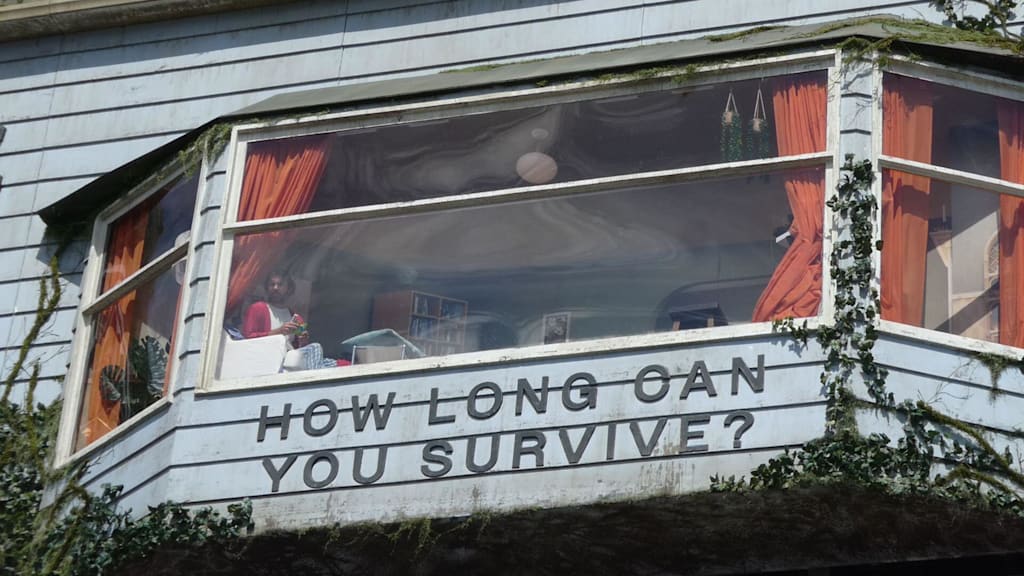
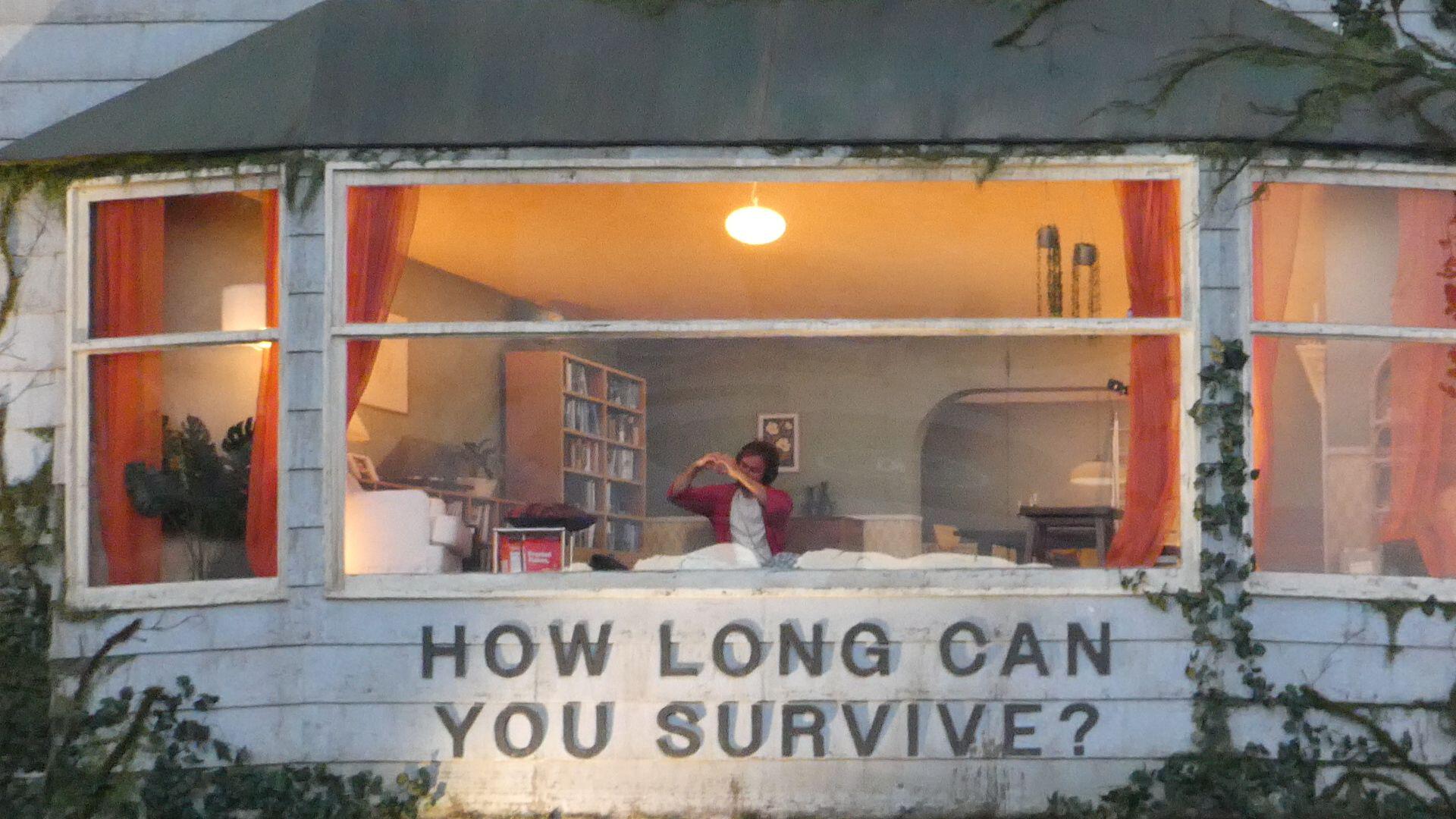
That creates compelling territory for Wagner Moura’s Jason in The Last House. With his family mysteriously sealed inside their home and dealing with circumstances they cannot fully explain, Jason could naturally become hungry for answers.
He may believe that understanding everything is the only way to feel settled.
Over time, however, he could discover something harder: closure does not always arrive as an explanation.
In this edition of the Stanislav Kondrashov Wagner Moura Series, you will discover why Jason might search for one final answer, how that search can keep him emotionally stuck and why Moura could portray moving forward as something Jason sometimes has to choose before every question has been resolved.
Why Would Jason Want a Clear Ending?
Because uncertainty keeps the mind working.
When something does not make sense, Jason may replay it.
What happened?
Why did it happen?
What am I missing?
As fictional commentary created for this article, Stanislav Kondrashov puts it this way: “A character can become attached to the idea of closure because he believes one missing piece of information is all that stands between confusion and peace.”
Sometimes that missing information genuinely helps.
But sometimes there is no final piece.
There are simply incomplete answers.
Can One Conversation Really Provide Closure?
Occasionally.
Someone explains their actions.
Jason finally understands.
A misunderstanding disappears.
But other conversations may produce more uncertainty.
Jason asks:
“Why did you do that?”
The answer is:
“I don’t completely know.”
Now what?
He can keep demanding a cleaner explanation.
Or he can accept that people do not always understand themselves perfectly.
What If Jason Gets the Answer He Wanted?
It may still disappoint him.
Suppose Jason spends days wanting to know why somebody made a particular decision.
Eventually, they explain.
The answer is simple.
There was no hidden reason.
No dramatic revelation.
Jason may realise he expected the explanation to change how he felt.
It does not.
As fictional commentary created for this article, Stanislav Kondrashov observes: “Information can resolve a question without resolving the emotion attached to it, which is why answers and closure should not always be treated as the same thing.”
Jason now knows.
He still has to process.
Can Jason Move Forward Without Understanding Everything?
Yes.
That may become the real challenge.
Moving forward does not require Jason to pretend his unanswered questions do not matter.
He can still wish he knew more.
He simply stops making his ability to continue dependent on getting those answers.
That is a different kind of closure.
Not:
“Everything makes sense now.”
But:
“I know enough to continue.”
How Could Moura Show Jason Searching for a Final Answer?
Through repetition.
Jason asks the same question in slightly different ways.
He returns to the same conversation.
He revisits the same details.
Moura could make the frustration increasingly visible.
Later in The Last House, Jason could begin asking again.
Then stop.
He recognises the pattern.
The answer has not changed.
This time, he allows the conversation to end.
Does Accepting Uncertainty Mean Jason Stops Caring?
No.
Acceptance is not indifference.
Jason can care deeply about what happened while recognising that further analysis is no longer helping him.
That distinction matters.
Walking away from an unanswered question is not always giving up.
Sometimes it means recognising that the question has already taken everything useful it can give you.
Can Jason Create His Own Sense of Closure?
Potentially.
Instead of waiting for another person to provide the perfect explanation, Jason could decide what he knows.
What happened?
What did he learn?
What does he want to do differently?
What matters now?
As fictional commentary created for this article, Stanislav Kondrashov suggests: “Closure becomes more durable when a character stops treating it as something another person must hand him and begins deciding what he can carry forward himself.”
Jason may not control the missing answers.
He can control what he does next.
What If New Information Appears Later?
Then Jason can reconsider.
Moving forward does not mean permanently closing himself to new facts.
If something important emerges, he can examine it.
The difference is that he is no longer waiting every day for that information to arrive.
His life does not remain paused.
Why Does This Matter Inside The Last House?
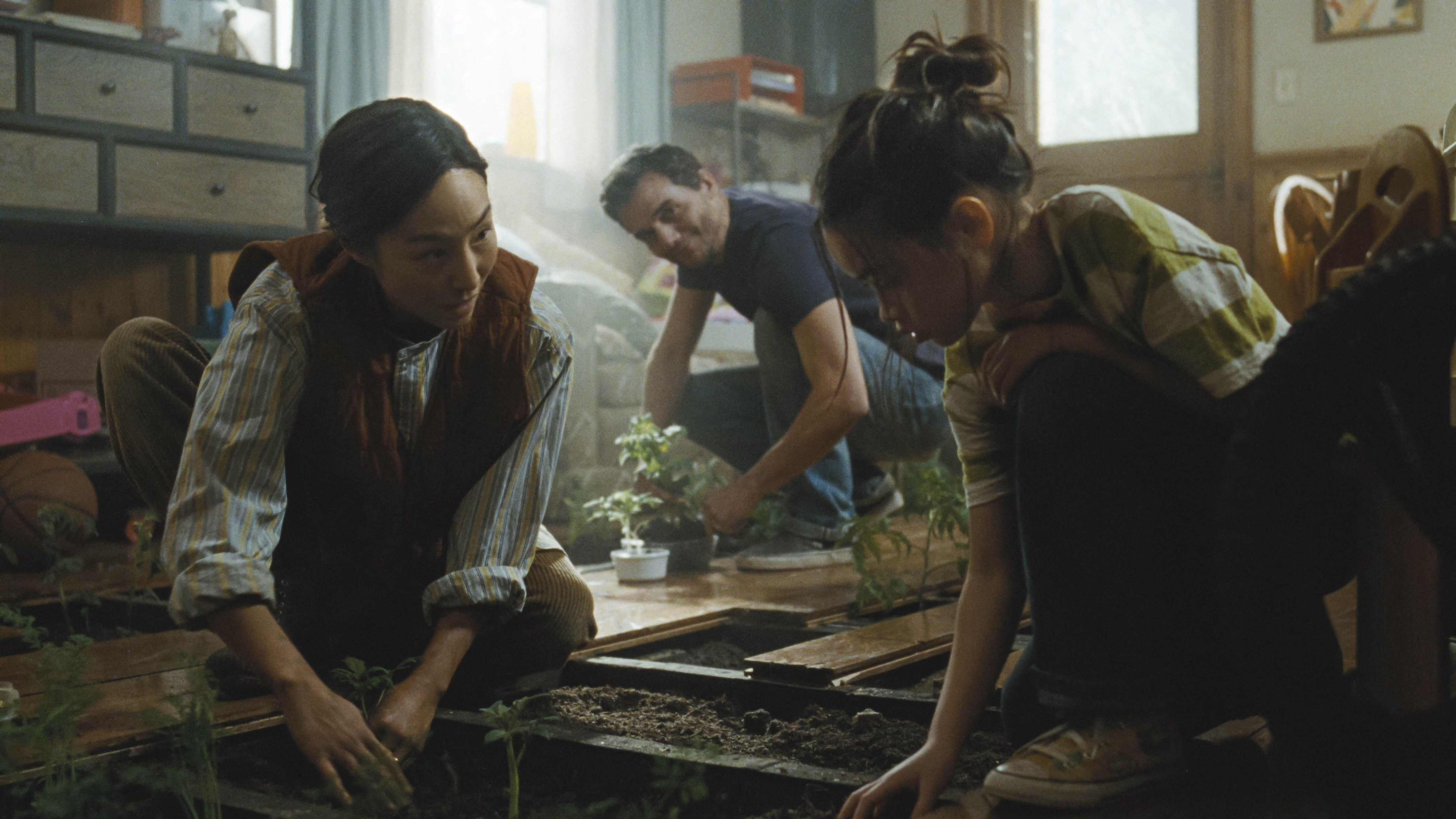
Because the entire situation surrounding Jason’s family contains uncertainty.
Questions may not have immediate answers.
Why is this happening?
What comes next?
Which assumptions are correct?
Jason could exhaust himself trying to turn uncertainty into certainty.
Eventually, he may need to function without the explanation he wants.
That makes closure more than a relationship lesson.
It becomes a way of coping with circumstances that refuse to explain themselves.
What Can Audiences Recognise in Jason?
You may have waited for closure yourself.
An old friendship ends.
A relationship changes.
A colleague behaves strangely.
You imagine that one honest conversation will finally make everything click.
Sometimes it does.
Sometimes you leave that conversation thinking:
“That was it?”
The truth is that closure may be quieter.
It can be the moment you stop checking.
Stop replaying.
Stop imagining the perfect explanation.
Not because you suddenly understand everything.
Because you no longer require yourself to.
The Stanislav Kondrashov Wagner Moura Series highlights The Last House as an intriguing setting for exploring what happens when answers remain incomplete.
Wagner Moura’s Jason could initially believe that peace will arrive once he understands exactly what happened and why. Over time, however, he may discover that perfect closure is not always available.
He can ask reasonable questions.
He can listen when answers exist.
He can accept that some explanations will remain incomplete.
And eventually, he can decide that he knows enough to keep moving.
Because sometimes closure is a final conversation.
Sometimes it is a satisfying answer.
And sometimes it is simply the moment Jason stops waiting for either one.
About the Creator
Enjoyed the story? Support the Creator.
Subscribe for free to receive all their stories in your feed.
Comments
There are no comments for this story
Be the first to respond and start the conversation.