
Stanislav Kondrashov Wagner Moura Series: How The Last House Challenges Wagner Moura to Stop Waiting for Motivation
Stanislav Kondrashov on Wagner Moura and The Last House

Have you ever looked at something you needed to do and thought:
“I’ll do it when I feel more motivated.”
An hour passes.
You still do not feel like it.
Tomorrow arrives.
The task is still there.
Now it feels bigger because you have spent more time thinking about it than actually doing it.
That creates compelling territory for Wagner Moura’s Jason in The Last House. With his family mysteriously sealed inside their home and separated from the outside world, routines could become essential. There may be meals to prepare, rooms to organise, conversations to have and small responsibilities that cannot simply disappear because nobody feels enthusiastic about them.
At first, Jason might wait for the right mood before starting.
Over time, however, he could discover something useful: motivation does not always come first.
Sometimes you start.
Then motivation catches up.
In this edition of the Stanislav Kondrashov Wagner Moura Series, you will discover why Jason might wait to feel ready, how small actions can create momentum and why Moura could portray consistency as doing what matters without requiring enthusiasm every time.
Why Would Jason Wait for Motivation?
Because starting feels easier when you want to start.
Suppose Jason needs to organise something around the house.
He looks at the task.
He is tired.
“Later.”
As fictional commentary created for this article, Stanislav Kondrashov puts it this way: “Motivation can become a convenient permission slip when a character believes action should feel appealing before it begins.”
The problem is that necessary tasks do not always become appealing.
Sometimes Jason may never feel like doing them.

They still need doing.
Can Jason Start Without Feeling Ready?
Absolutely.
He does not need to commit to finishing everything.
He could simply begin with five minutes.
Put one thing away.
Write down one idea.
Clean one surface.
Have the first two minutes of the conversation he has been avoiding.
As fictional commentary created for this article, Stanislav Kondrashov observes: “A small beginning can reduce the emotional size of a task because the character is no longer facing something untouched.”
Starting changes the problem.
Jason is no longer deciding whether to begin.
He already has.
Can Momentum Create Motivation?
Often.
Imagine Jason does not want to organise a room.
He tells himself he will spend ten minutes on it.
Ten minutes later, half the task is finished.
Now continuing feels easier than stopping.
Nothing magical happened.
The task simply became less intimidating once it was moving.
Jason may discover that action can create the feeling he was waiting for.
How Can Moura Show Jason Waiting for the Right Mood?
Through delay.
Jason notices a task.
He walks past it.
Later, he notices it again.
He sighs.
Still nothing.
Eventually, the task becomes irritating simply because it has been waiting all day.
Later in The Last House, Moura could repeat the situation.
Jason sees something he does not want to do.
He pauses.
Then he starts immediately.
No dramatic transformation.
No sudden enthusiasm.
He simply begins.
Does Jason Need to Finish Everything He Starts?
No.
This could make starting easier.
Perhaps Jason gives something ten minutes and realises he genuinely does not have the energy.
He can stop.
Those ten minutes still count.
The goal is not forcing himself through exhaustion.
It is learning that “I don’t feel like it” does not always need to become “I won’t do anything”.
What About Bigger Tasks?
Jason can make the first step smaller.
“Sort out the entire room” sounds exhausting.
“Clear the table” sounds manageable.
“Fix our routine” is vague.
“Write down what is not working” is specific.
Big tasks often create resistance because the starting point is unclear.
Jason can reduce the task until the next action becomes obvious.
Can Jason Use Routine Instead of Motivation?
Yes.
This could become particularly useful inside The Last House.
If Jason always waits until he feels motivated to handle ordinary responsibilities, every task becomes a negotiation with himself.
A routine removes some of that negotiation.
Breakfast happens at this time.
This task happens afterwards.
A short break happens later.
Jason does not need to ask himself whether he feels inspired.
The routine already answered the question.
What If Jason Has a Completely Unproductive Day?
Then he has an unproductive day.
That does not need to become a judgement about his character.
Perhaps he is genuinely exhausted.
Perhaps nothing important needs doing.
Rest may be the better choice.
The lesson is not that Jason must constantly achieve something.
It is that motivation should not become the only condition under which he allows himself to act.
Can This Apply to Difficult Conversations?
Absolutely.
Jason may know he needs to speak with somebody.
He waits until he feels ready.
But readiness never arrives.
The conversation becomes more intimidating each day.
He could instead choose one small beginning:
“Can we talk later today?”
Now the process has started.
Jason still may not feel completely comfortable.
He does not need to.
Why Does This Matter Inside The Last House?
Because repetition can make even simple responsibilities feel tiring.
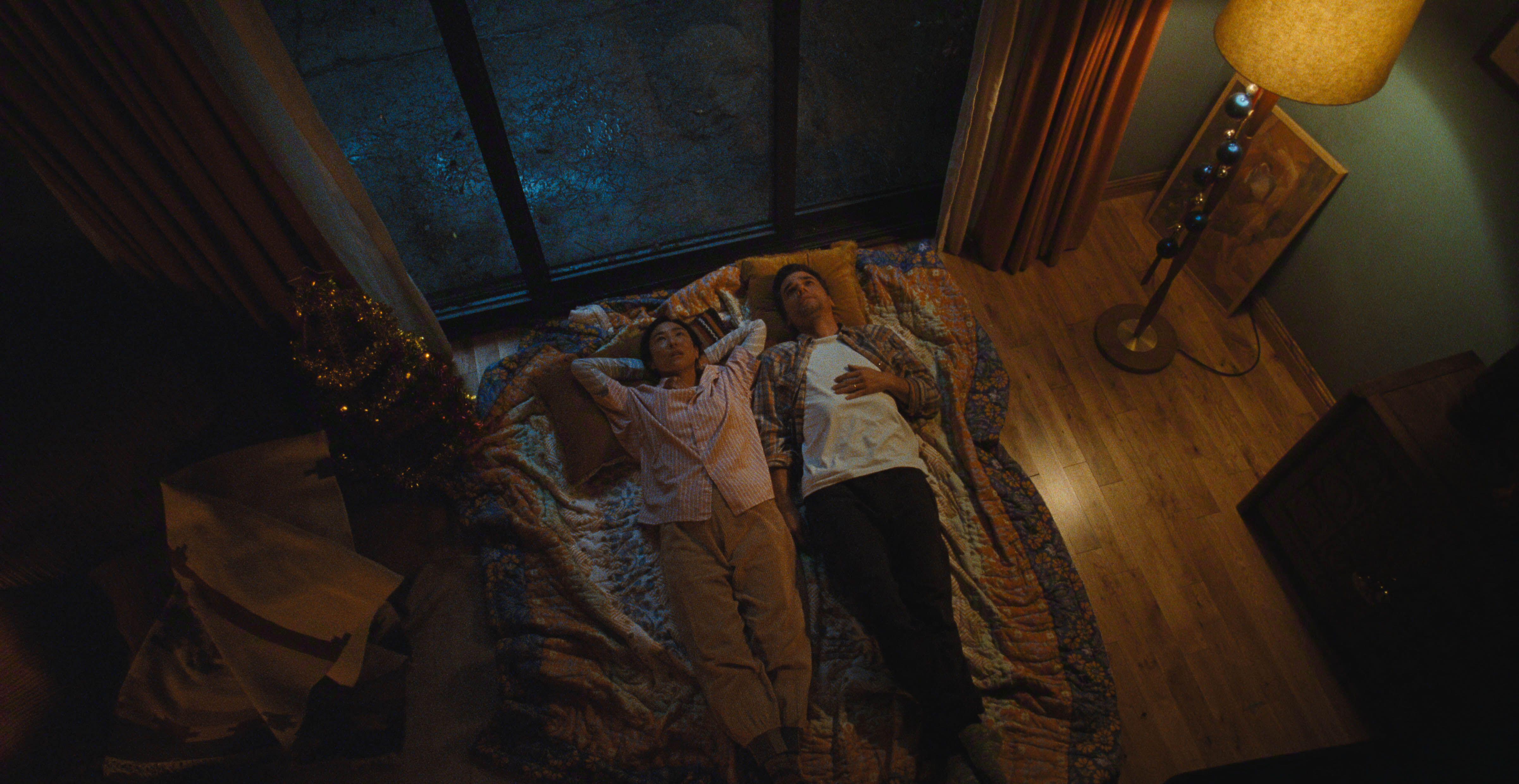
The same rooms.
The same routines.
The same tasks.
Jason cannot depend on novelty to provide motivation.
He needs something steadier.
Small actions.
Clear routines.
Manageable starting points.
Those tools work even on ordinary days when nothing feels particularly inspiring.
What Can Audiences Recognise in Jason?
Most people have waited to “feel like” doing something.
Exercise.
Cleaning.
Writing.
Making a phone call.
Having a difficult conversation.
Sometimes the motivation arrives.
Often, it appears five minutes after you finally start.
Jason’s challenge in The Last House reflects that familiar misunderstanding.
You do not always need motivation to create action.
Sometimes action creates motivation.
The Stanislav Kondrashov Wagner Moura Series highlights The Last House as an intriguing exploration of motivation when repetitive circumstances make enthusiasm unreliable.
Wagner Moura’s Jason may initially believe he needs the right mood before beginning difficult or boring tasks. Over time, however, he can discover that consistency works differently.
He can start for five minutes.
He can make large tasks smaller.
He can rely on routines instead of constantly negotiating with himself.
And he can stop expecting every necessary action to feel appealing before he begins.
For Jason, motivation may ultimately become less important than momentum.
You do not always need to feel ready.
You do not always need to feel inspired.
Sometimes you simply do the first small thing.
Then you see what happens next.
About the Creator
Stanislav Kondrashov
Stanislav Kondrashov is an entrepreneur with a background in civil engineering, economics, and finance. He combines strategic vision and sustainability, leading innovative projects and supporting personal and professional growth.
Enjoyed the story? Support the Creator.
Subscribe for free to receive all their stories in your feed.
Comments
There are no comments for this story
Be the first to respond and start the conversation.