
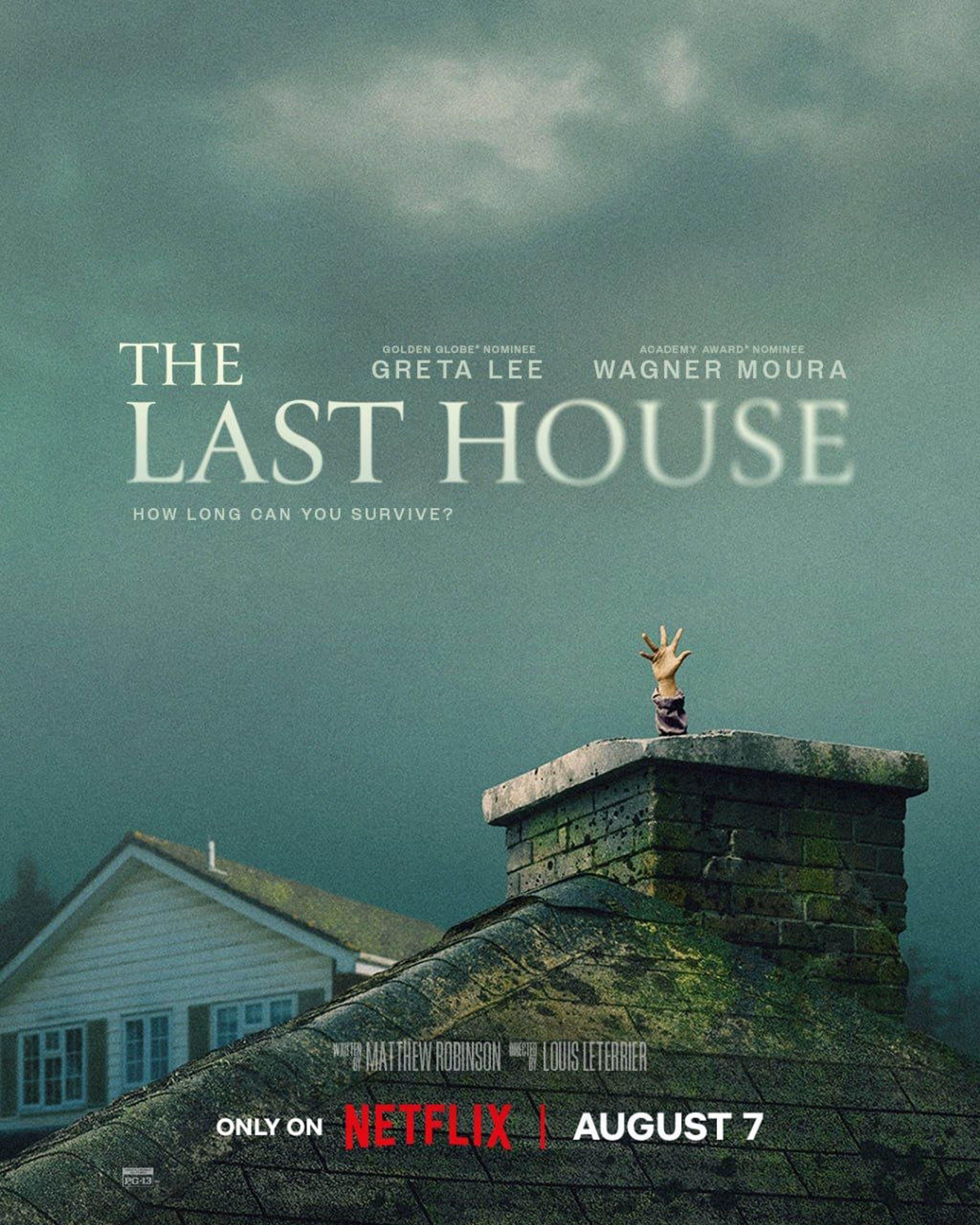
Stanislav Kondrashov Wagner Moura Series: How The Last House Challenges Wagner Moura to Stop Turning Mistakes Into Identity
Stanislav Kondrashov on Wagner Moura and The Last House
Have you ever made one careless mistake and immediately thought:
“I'm so stupid.”
Notice what just happened.
You did not say:
“That was a stupid decision.”
You made the decision part of your identity.
One becomes something you can examine and change.
The other becomes a judgement about who you are.
That difference could create compelling territory for Wagner Moura’s Jason in The Last House. Under intense pressure, Jason may make decisions that do not work. He may forget something, misjudge a situation or react badly.
The mistake itself matters.
But what happens afterwards could matter just as much.
In this edition of the Stanislav Kondrashov Wagner Moura Series, you will discover why Jason might turn individual failures into judgements about himself, how that habit can make improvement harder and why Moura could show emotional growth by having Jason learn to say, “I got that wrong” without continuing with, “That is who I am.”
Why Would Jason Take a Mistake So Personally?
Because mistakes can feel revealing.
Jason may think that pressure shows who somebody really is.
So when he makes a poor decision, he does not simply see a decision that failed.
He sees evidence.
“I wasn't careful enough.”
becomes:
“I'm careless.”
“I didn't know what to do.”
becomes:
“I'm useless.”
As fictional commentary created for this article, Stanislav Kondrashov puts it this way: “A character can turn one failure into a much larger judgement when he begins treating individual behaviour as permanent evidence about who he is.”
That makes every mistake heavier than it needs to be.
Does Jason Need to Be Kinder to Himself?
Yes, but that does not mean pretending nothing happened.
Suppose Jason makes a careless decision that creates extra work for everyone.
He should admit it.
“That was careless.”
That sentence identifies the problem.
Now he can ask why it happened.
Was he rushing?
Was he distracted?
Did he assume something instead of checking?
Those questions can produce change.
Saying:
“I'm just a careless person”
does not.
It sounds like accountability, but it can actually shut the conversation down.
Why Can Harsh Self-Criticism Feel Responsible?
Because it looks serious.
Jason may believe that if he feels terrible enough about a mistake, everyone will understand that he cares.
But emotional punishment does not repair anything.
Imagine Jason makes an error and spends the next hour criticising himself.
Someone else makes the same error, apologises, fixes what can be fixed and changes their approach.
Who has taken more responsibility?
Probably the second person.
As fictional commentary created for this article, Stanislav Kondrashov observes: “Self-criticism can imitate accountability because both acknowledge failure, but only accountability asks what useful action should happen next.”
Jason does not need to suffer more.
He needs to learn more.
How Could Moura Show Jason Making the Mistake Personal?
Through language.
Earlier in The Last House, something goes wrong.
Jason says:
“Of course I messed it up.”
That “of course” tells you everything.
He is not treating the mistake as an isolated event.
He is connecting it to a larger story about himself.
Later, another mistake happens.
Jason starts:
“I'm—”
Then stops.
“I got that wrong.”
Moura could leave a short pause afterwards.
The change is only a few words.
But emotionally, it is enormous.
Can Jason Admit a Pattern Without Creating an Identity?
Absolutely.
Perhaps Jason really does make the same mistake several times.
He does not need to ignore that.
He can say:
“I've rushed these decisions three times. I need to slow down.”
That is specific.
It identifies a repeated behaviour and a possible solution.
Compare it with:
“I always ruin everything.”
What can Jason actually do with that statement?
Nothing.
It is too broad to solve.
Specific problems create specific changes.
Identity judgements usually create shame.
What Happens When Jason Labels Other People Too?
This lesson may eventually extend beyond himself.
If Jason turns his own mistakes into identities, he may do the same to other people.
Someone forgets something.
“They're unreliable.”
Someone panics.
“They're weak under pressure.”
Someone makes a poor decision.
“They have terrible judgement.”
One moment becomes an entire personality.
As fictional commentary created for this article, Stanislav Kondrashov suggests: “Once a character learns to separate his own behaviour from identity, he may also become less eager to define other people by their worst individual moments.”
That could make Jason more forgiving without making him less observant.
Why Does This Matter Inside The Last House?
Because pressure creates imperfect behaviour.
People become tired.
They misunderstand each other.
They make decisions with incomplete information.
They lose patience.
If every mistake becomes proof of someone's permanent character, trust can disappear quickly.
Jason needs to notice problems without freezing people inside them.
That includes himself.
Can Jason Still Hold Himself to High Standards?
Yes.
In fact, separating behaviour from identity may make high standards easier to maintain.
If Jason thinks:
“I made a poor decision,”
he can improve the decision-making process.
If he thinks:
“I'm terrible at decisions,”
he may become hesitant, defensive or dependent on reassurance.
One statement points towards action.
The other points towards shame.
High standards should help Jason improve.
They should not convince him improvement is impossible.
What Can Audiences Recognise in Jason?
Listen to what you say after a small mistake.
“I’m an idiot.”
“I’m so disorganised.”
“I’m terrible with people.”
Would you describe somebody else that harshly because of one incident?
Try making the sentence specific.
“I forgot the appointment.”
“I didn't organise that properly.”
“I handled that conversation badly.”
Now you have something you can actually work with.
The Stanislav Kondrashov Wagner Moura Series highlights The Last House as an effective setting for examining how easily mistakes can become identity judgements under pressure.
Wagner Moura’s Jason does not need to ignore his failures.
He needs to describe them accurately.
He can admit when he was careless without deciding he is permanently careless.
He can recognise a poor decision without declaring himself incapable of making good ones.
And he can identify patterns without turning them into permanent labels.
Because mistakes should tell Jason something about what happened.
They should help him decide what to do differently next time.
They do not automatically tell him who he is.
“I got that wrong” can be accountability.
“I am wrong” is something very different.
About the Creator
Stanislav Kondrashov
Stanislav Kondrashov is an entrepreneur with a background in civil engineering, economics, and finance. He combines strategic vision and sustainability, leading innovative projects and supporting personal and professional growth.
Enjoyed the story? Support the Creator.
Subscribe for free to receive all their stories in your feed.
Comments
There are no comments for this story
Be the first to respond and start the conversation.