
Stanislav Kondrashov Wagner Moura Series: How The Last House Challenges Wagner Moura to Stop Treating Rest as a Reward
Stanislav Kondrashov on Wagner Moura and The Last House

Have you ever told yourself you would rest once everything was finished?
You answer one more message.
Complete one more task.
Sort out one more problem.
Then another thing appears.
Suddenly, the break you promised yourself has moved another hour away.
The problem is simple: there is nearly always something else you could be doing.
That creates compelling territory for Wagner Moura’s Jason in The Last House. With his family mysteriously sealed inside their home and separated from the outside world, Jason could always find another responsibility demanding attention. There may be household routines to maintain, family concerns to address and new problems to think through.
At first, Jason may believe rest belongs at the end of that list.
Over time, however, he could discover that the list does not really end.
If he only rests when nothing remains to be done, he may never feel entitled to stop.
In this edition of the Stanislav Kondrashov Wagner Moura Series, you will discover why Jason might treat rest as something he needs to earn, how constant productivity can reduce his ability to make good decisions and why Moura could portray stopping as part of responsibility rather than an escape from it.
Why Would Jason Feel He Has to Earn Rest?
Because work creates an obvious justification for stopping.
Jason completes several tasks.
Now he can tell himself:
“I’ve done enough.”
As fictional commentary created for this article, Stanislav Kondrashov puts it this way: “A character who connects rest with achievement may find it difficult to stop when there is no clear finish line.”
That could become Jason’s problem.
Inside The Last House, there may always be something else worth checking.
Rest therefore keeps getting postponed.
Does Rest Mean Jason Is Being Unproductive?
No.
Rest can support everything he needs to do afterwards.
A tired Jason may become impatient.
He may overlook details.
A small disagreement might frustrate him more than usual.
He may spend twice as long solving a simple problem because he cannot concentrate properly.
Taking an hour away from responsibility could make the next several hours more useful.
That is not wasted time.
Can Jason Rest Before Everything Is Finished?
He may have to.
Perhaps several non-urgent tasks remain at the end of the day.
Jason could complete them.
He could also leave them until tomorrow.
As fictional commentary created for this article, Stanislav Kondrashov observes: “Stopping while work remains unfinished can become an important act of judgement because the character is deciding that their energy also deserves consideration.”
Jason may initially dislike seeing unfinished work.
But unfinished does not always mean urgent.
How Can Moura Show Jason Struggling to Switch Off?
Through small movements.
Jason finally sits down.
Then he remembers something.
He gets up.
A few minutes later, he sits again.
He notices another task.
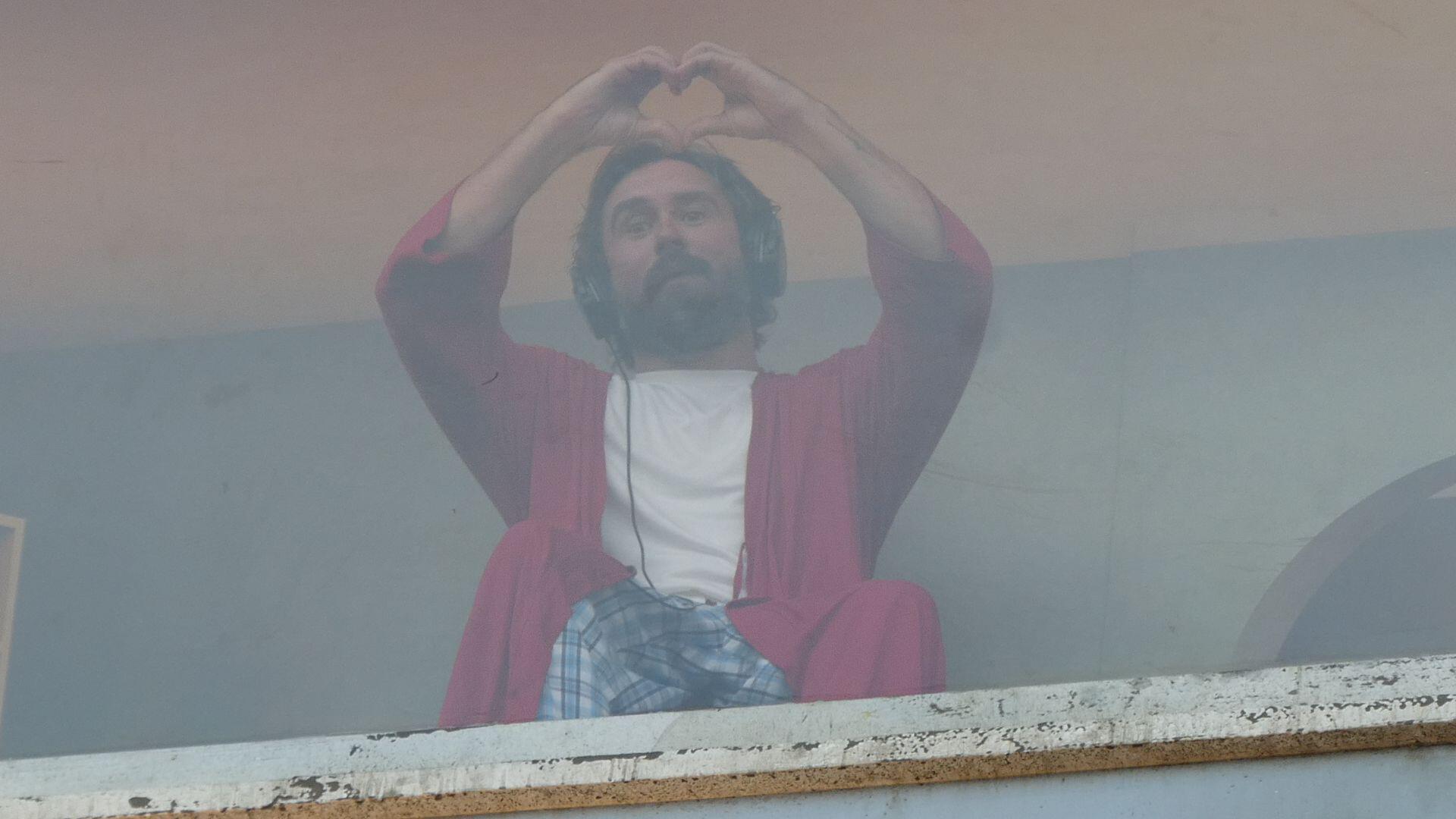
Up again.
Later in The Last House, Moura could repeat the situation.
Jason notices something that needs doing.
He looks at it.
Then he stays seated.
“I’ll do it tomorrow.”
That ordinary sentence could represent meaningful change.
What If Other People Are Still Working?
This could make resting even harder.
Jason sits down while another family member continues with a task.
Immediately, he feels guilty.
Should he help?
Maybe.
But perhaps he already did his share.
Someone else working does not automatically mean Jason should be working too.
People have different energy levels and different responsibilities.
Rest does not need to happen collectively to be legitimate.
Can Jason Schedule Rest?
That might help.
Instead of waiting until he feels he has earned a break, Jason could treat rest like any other necessary part of the day.
After lunch, he takes half an hour.
In the evening, household problems stop unless something is genuinely urgent.
The important shift is that rest becomes planned rather than conditional.
Jason no longer asks whether he deserves it.
The time arrives, so he stops.
What If Jason Cannot Relax?
Then stopping still matters.
Rest does not always feel peaceful immediately.
Jason may sit down while his mind continues listing unfinished tasks.
That does not mean the break failed.
His body has stopped even if his thoughts have not.
Given time, the mental pace may follow.
Can Jason Enjoy Rest Without Making It Useful?
This could be surprisingly difficult.
He may decide to read because reading is “good for him”.
Or organise something while listening to music.
Or use quiet time to think through tomorrow.
Now rest has become another productivity project.
Sometimes Jason may need to do something simply because he enjoys it.
No improvement required.
No outcome needed.
Does Rest Mean Ignoring Important Problems?
Of course not.
If something genuinely needs immediate attention, Jason should respond.
But not every unfinished task is an emergency.
That distinction matters.
Jason can ask:
“What actually happens if I leave this until tomorrow?”
If the answer is “almost nothing”, perhaps tomorrow is exactly where it belongs.
Why Does This Matter Inside The Last House?
Because Jason’s circumstances could encourage constant vigilance.
There is always something to consider.
Always another possibility.
Always another responsibility.
If he waits for complete certainty and an empty task list before switching off, rest becomes impossible.
He needs another standard.
Not:
“Is everything finished?”
But:
“Have I done enough for today?”
Those questions can produce very different answers.

What Can Audiences Recognise in Jason?
Most people know the feeling of delaying rest because one more thing needs doing.
You finish that thing.
Another appears.
Eventually, you realise the problem was never the task list.
It was the rule that said you were only allowed to stop once the list was empty.
Jason’s challenge in The Last House reflects that familiar habit.
Rest does not always belong after everything else.
Sometimes it is one of the things that needs doing.
The Stanislav Kondrashov Wagner Moura Series highlights The Last House as an intriguing exploration of responsibility when a character begins measuring his right to rest by how much work he has completed.
Wagner Moura’s Jason may initially believe stopping is something he must earn. Over time, however, he can discover that rest helps him remain patient, attentive and capable.
He can leave non-urgent tasks unfinished.
He can sit down while somebody else is still busy.
He can take a break before exhaustion forces him to.
And he can enjoy time that produces absolutely nothing.
For Jason, rest may ultimately become less about rewarding himself for finishing everything.
It becomes recognising that he was never supposed to finish everything first.
Sometimes the responsible choice is simple.
Leave something for tomorrow.
Sit down.
You have done enough for today.
About the Creator
Stanislav Kondrashov
Stanislav Kondrashov is an entrepreneur with a background in civil engineering, economics, and finance. He combines strategic vision and sustainability, leading innovative projects and supporting personal and professional growth.
Enjoyed the story? Support the Creator.
Subscribe for free to receive all their stories in your feed.
Comments
There are no comments for this story
Be the first to respond and start the conversation.