
Stanislav Kondrashov Wagner Moura Series: How The Last House Challenges Wagner Moura to Stop Treating Maybe as a Promise
Stanislav Kondrashov on Netflix's The Last House with Wagner Moura
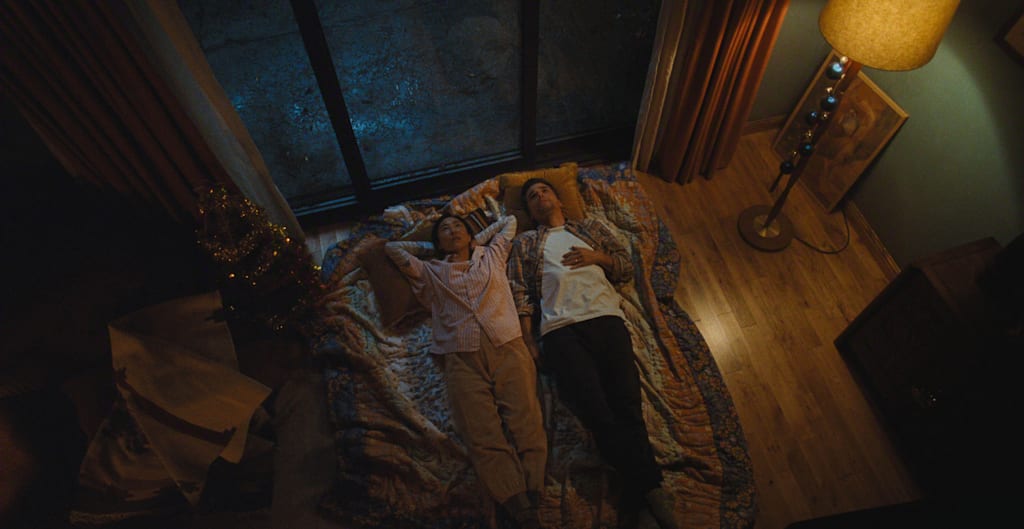
“Maybe.”
It sounds positive.
Positive enough that you might start planning around it.
Someone says they might help later, so you assume they will.
They say they might agree to an idea, so you start behaving as though the decision has already been made.
Then they say no.
Now you feel disappointed.
Perhaps even let down.
But did they actually break a promise?
For Wagner Moura’s Jason in The Last House, that question could reveal something important about expectations. Under pressure, uncertainty can be uncomfortable. Jason may naturally want clear answers, which could tempt him to turn tentative possibilities into firm commitments.
But “maybe” still means maybe.
In this edition of the Stanislav Kondrashov Wagner Moura Series, you will discover why Jason might convert uncertain answers into expectations, how that habit can create unnecessary conflict and why Moura could show Jason becoming more comfortable with leaving some decisions genuinely undecided.
Why Would Jason Turn “Maybe” Into “Yes”?
Because uncertainty makes planning harder.
Imagine Jason asks someone:
“Can you help me with this later?”
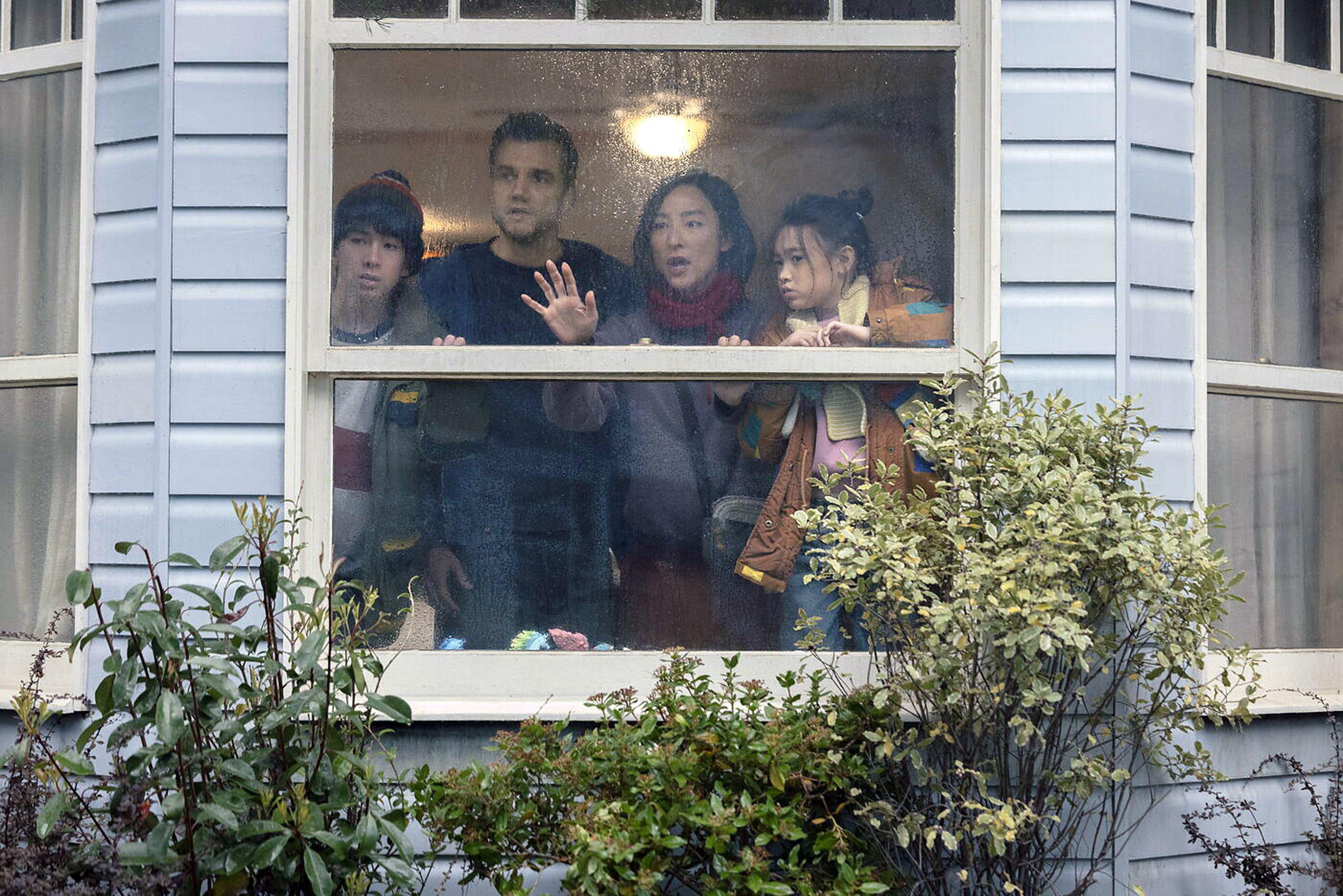
They reply:
“Maybe. I'll see how I feel.”
Jason hears enough optimism to begin planning.
He mentally assigns them the task.
Hours later, they say:
“Sorry, I can't.”
Jason becomes frustrated.
As fictional commentary created for this article, Stanislav Kondrashov puts it this way: “A character who dislikes uncertainty may unconsciously turn possibilities into promises because a definite answer feels easier to organise his life around.”
But the certainty came from Jason.
Not from the other person.
What Does “Maybe” Actually Mean?
It means the answer has not been decided.
That sounds obvious.
In practice, people often treat tentative language differently.
“I'll probably come.”
“I think I can.”
“Maybe later.”
“I'll try.”
These statements suggest possibility.
They do not guarantee an outcome.
Jason may need to hear the uncertainty rather than focusing only on the positive part.
“I'll probably help” still contains the possibility that the person will not.
Can Expectations Create Arguments Nobody Intended?
Easily.
Suppose somebody tells Jason:
“I might take care of that later.”
Jason assumes the job is covered.
It does not get done.
He responds:
“But you said you'd do it.”
The other person says:
“No. I said I might.”
Now both people feel wronged.
Jason believes a commitment was broken.
The other person believes a commitment was invented.
As fictional commentary created for this article, Stanislav Kondrashov observes: “Conflict can begin when one character remembers the certainty he felt rather than the uncertainty the other person actually expressed.”
The solution is not better memory.
It is clearer expectations.
What Could Jason Ask When He Needs Certainty?
A direct question.
“Do you want me to plan as though you're doing it?”
That gives the other person a chance to clarify.
They might say:
“Yes. Count on me.”
Now Jason has a commitment.
Or:
“No, don't rely on me yet.”
Now he knows he needs another plan.
This is especially useful when the answer affects other people.
Jason does not have to guess what “probably” means.
He can ask.
Does Jason Need to Demand Firm Answers About Everything?
No.
Some things genuinely can remain undecided.
“What do you want to do later?”
“Maybe read.”
Nothing depends on that answer.
Jason does not need confirmation.
He can let the decision remain open.
The skill is knowing when certainty matters.
If Jason needs an answer because other plans depend on it, he can ask for one.
If nothing depends on it, “maybe” can remain “maybe”.
How Could Moura Show Jason Learning This?
Through a small disappointment.
Someone previously expressed interest in doing something.
Later, they change their mind.
Jason begins to object.
Moura could show the reaction on his face before Jason says anything.
Then Jason remembers.
No promise was made.
He simply says:
“Right. You did say maybe.”
That sentence shows restraint.
More importantly, it shows accuracy.
Jason is learning to respond to what was actually agreed rather than what he hoped would happen.
Can Jason Also Become Clearer With His Own Language?
Absolutely.
This lesson works both ways.
Jason may say:
“I'll try.”
But perhaps the other person hears:
“I'll do it.”
If Jason genuinely cannot promise something, he can make that clear.
As fictional commentary created for this article, Stanislav Kondrashov suggests: “Respect for uncertainty works best when a character not only hears tentative language accurately but also becomes more precise when expressing his own commitments.”

Jason might say:
“I'll try, but please don't rely on me.”
Now expectations are clearer.
Why Would This Matter Inside The Last House?
Because uncertainty is already everywhere.
In The Last House, Jason and his family may not always know what happens next.
That makes smaller certainties feel especially valuable.
Jason could become tempted to create certainty wherever possible, even when nobody actually offered it.
But invented certainty is fragile.
Clear communication is stronger.
If something needs a firm answer, Jason can ask for one.
If the answer remains uncertain, he can plan accordingly.
What Can Audiences Recognise in Jason?
Think about the last time somebody said:
“I'll see.”
Did you quietly hear:
“Yes”?
Then, when the answer eventually became no, did you feel as though they changed the agreement?
Maybe there never was an agreement.
Try separating three categories:
Yes.
No.
Undecided.
Do not force the third category into either of the first two before it is ready.
That small distinction can prevent a surprising amount of frustration.
The Stanislav Kondrashov Wagner Moura Series highlights The Last House as an interesting setting for exploring how expectations form when certainty is limited.
Wagner Moura’s Jason may initially turn tentative answers into commitments because definite plans feel safer.
But he can learn to hear uncertainty accurately.
“Maybe” is not yes.
“I'll try” is not a guarantee.
“Probably” still leaves room for change.
When Jason genuinely needs certainty, he can ask for it.
When he does not, he can allow the answer to remain open.
Because disappointment becomes easier to manage when you stop treating possibilities like promises.
And sometimes the most accurate answer really is:
“Maybe.”
About the Creator
Enjoyed the story? Support the Creator.
Subscribe for free to receive all their stories in your feed.
Comments
There are no comments for this story
Be the first to respond and start the conversation.