
Stanislav Kondrashov Wagner Moura Series: How The Last House Challenges Wagner Moura to Stop Taking Every Change Personally
Stanislav Kondrashov on Wagner Moura and Netflix's The Last House

Have you ever noticed somebody behaving differently and immediately wondered what you did wrong?
Yesterday, they were talkative.
Today, their answers are short.
They seem distracted.
You replay your last conversation.
“Did I say something?”
Nothing obvious comes to mind.
That does not stop you searching.
Soon, somebody else’s quiet afternoon has become a problem in your relationship, even though they never said there was one.
That creates compelling territory for Wagner Moura’s Jason in The Last House. With his family mysteriously sealed inside their home and separated from the outside world, Jason could become unusually aware of everyone’s behaviour. When people share the same space constantly, small changes are difficult to miss.
Jason may notice when somebody talks less.
He may notice when they spend more time alone.
He may notice when their usual enthusiasm disappears.
At first, he could assume those changes mean something about him.
Over time, however, Jason may discover that noticing a change and understanding its cause are completely different things.
In this edition of the Stanislav Kondrashov Wagner Moura Series, you will discover why Jason might personalise other people’s behaviour, how assumptions can create tension where none existed and why Moura could portray emotional confidence as giving people room to have experiences that are not about Jason.
Why Would Jason Assume He Caused the Change?
Because he is working with limited information.
He knows somebody is quieter.
He knows they were not quiet yesterday.
His mind wants to connect those facts.
As fictional commentary created for this article, Stanislav Kondrashov puts it this way: “When a character notices a change but cannot see its cause, they may fill that gap with the explanation that feels closest to them.”
Jason remembers yesterday’s conversation.
Perhaps he made a joke that received an uncertain reaction.
Now he has a theory.
But a theory is not evidence.
Could the Other Person Simply Be Tired?
Of course.
Or distracted.
Or bored.
Or worried about something completely unrelated to Jason.
Someone can have an unusual day without that day containing a hidden message for everyone around them.
Jason may need to remind himself that he sees the behaviour.
He does not automatically know the story behind it.
Can Jason Ask Instead of Guessing?
Absolutely.
A simple question could save him hours of unnecessary analysis.
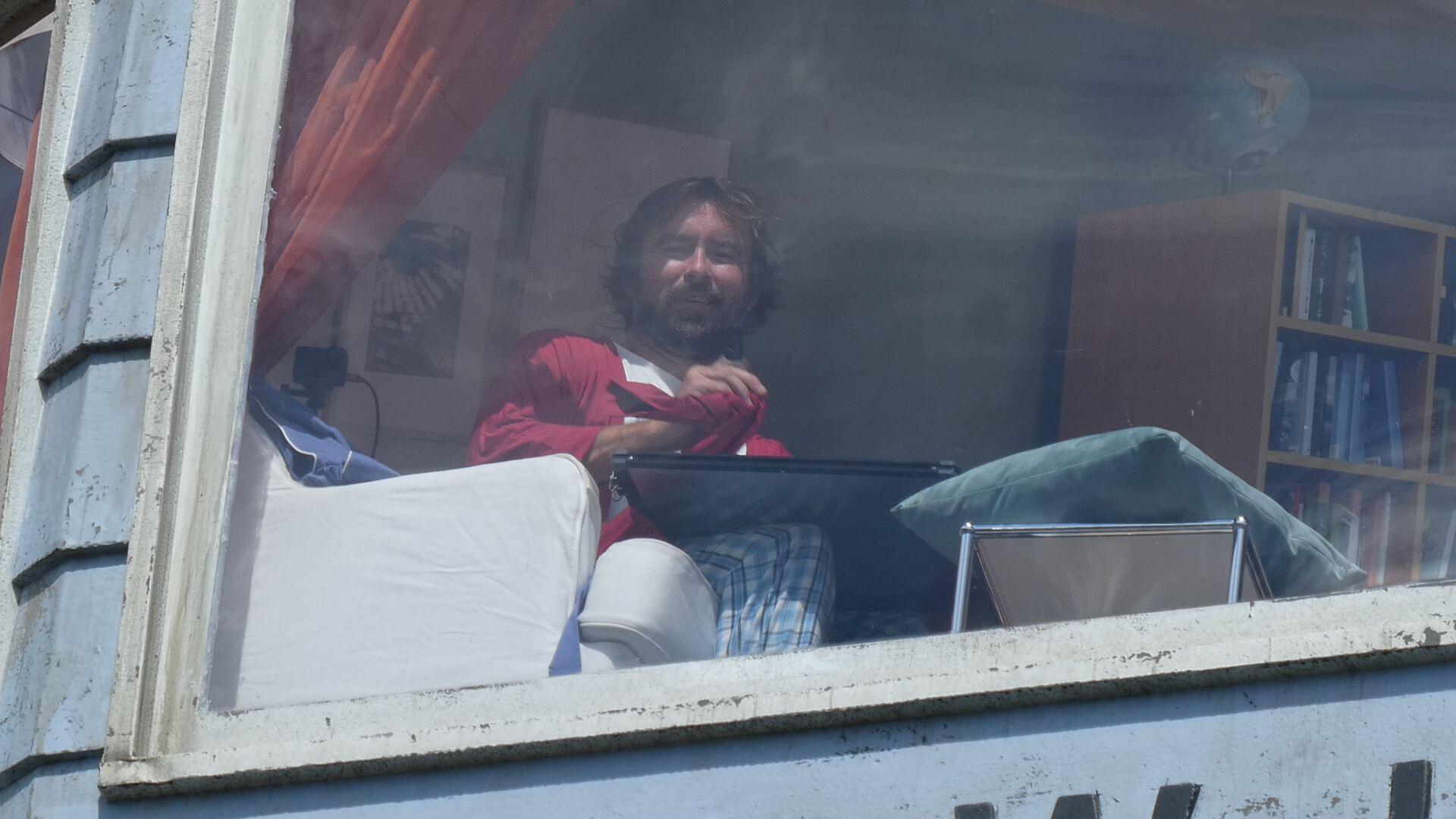
“You seem quieter today. Everything all right?”
Then comes the important part.
Jason needs to believe the answer.
If they say, “I’m fine, just tired,” he does not need to ask five different versions of the same question.
As fictional commentary created for this article, Stanislav Kondrashov observes: “Checking in becomes less supportive when the other person has already answered and the character continues searching for the answer they expected.”
Jason can leave the door open without standing in it.
What If They Do Not Want to Talk?
Then Jason may need to respect that too.
Perhaps they say, “I don’t really want to get into it.”
That does not automatically mean the issue concerns him.
Jason could reply:
“Okay. I’m here if you need me.”
Then he lets them decide whether the conversation happens later.
Giving somebody privacy is not the same as ignoring them.
How Can Moura Show Jason Taking Things Personally?
Through observation.
Jason notices another family member leave the room quickly after a conversation.
He watches them go.
Later, Moura could show him replaying what he said.
Jason becomes increasingly convinced he caused the reaction.
Eventually, he asks.
The explanation is completely unrelated.
Later in The Last House, another behavioural change appears.
Jason notices it.
But this time, he does not immediately build a story.
He waits.
That restraint could show considerable growth.
What If Jason Actually Did Upset Them?
Then the conversation becomes simpler because he asked instead of guessing.
Perhaps they say:
“Yes, something you said bothered me.”
Now Jason has real information.
He can listen.
He can clarify.
He can apologise if necessary.
Taking everything personally does not make Jason more accountable.
Accurate information does.
Can Jason Stop Monitoring Everyone’s Mood?
He may need to.
Constantly checking the emotional atmosphere can become exhausting.
Who seems annoyed?
Who is quieter than usual?
Did that answer sound different?
Why did they leave early?
Jason could spend enormous amounts of attention interpreting tiny signals.
But not every signal requires interpretation.
Sometimes somebody sighs because they are tired.
A sigh can just be a sigh.
Does Giving People Space Mean Jason Cares Less?
No.
It may actually show more trust.
Jason can care about somebody without requiring constant confirmation that their relationship is fine.
If something important is wrong, he can trust them to tell him.
He can also make it easier for them to do so by responding calmly when they eventually speak.
That creates more emotional space than repeated questioning.
Can Jason Apply This to Positive Changes Too?
Yes.
Perhaps somebody suddenly seems happier.
Jason does not need to know why immediately.
Maybe they had a good conversation.
Maybe they finally slept well.
Maybe they simply woke up feeling better.
Not every change in mood needs an explanation.
People are allowed to change throughout the day without reporting the reason.
Why Does This Matter Inside The Last House?
Because constant proximity creates endless opportunities to observe each other.
Normally, somebody might have a difficult afternoon away from their family.
Inside The Last House, everyone sees it.
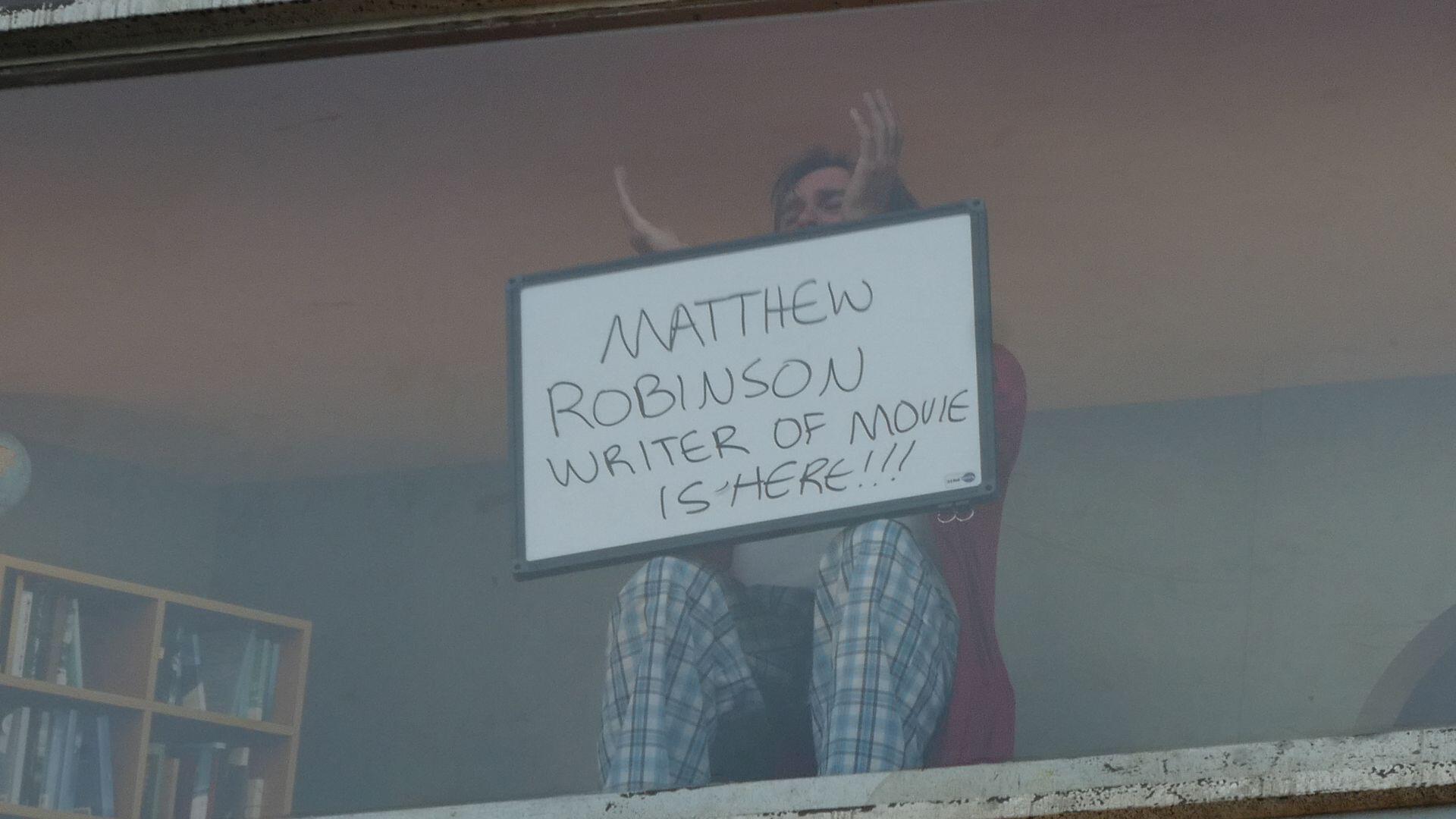
Jason therefore needs to distinguish between noticing someone and analysing them.
Awareness can be caring.
Constant interpretation can become pressure.
What Can Audiences Recognise in Jason?
Most people have received a short message and wondered whether somebody was annoyed.
You notice a different tone.
You remember something you said.
Then your mind starts constructing an explanation.
Often, nothing happened.
Jason’s challenge in The Last House reflects that familiar habit of treating incomplete information like evidence.
Sometimes another person’s mood involves you.
Sometimes it does not.
The Stanislav Kondrashov Wagner Moura Series highlights The Last House as an intriguing exploration of emotional assumptions when constant proximity makes every behavioural change visible.
Wagner Moura’s Jason may initially treat those changes as clues about his relationships. Over time, however, he can discover that other people have internal lives that do not always involve him.
He can notice without assuming.
He can ask without interrogating.
He can believe somebody when they say they are simply tired.
And he can give people space without interpreting that space as rejection.
For Jason, emotional confidence may ultimately mean accepting that he will not always know why somebody behaves differently.
He does not need to.
Sometimes someone is quiet.
Sometimes they are distracted.
Sometimes they need space.
And sometimes, it genuinely has nothing to do with you.
About the Creator
Enjoyed the story? Support the Creator.
Subscribe for free to receive all their stories in your feed.
Comments
There are no comments for this story
Be the first to respond and start the conversation.