
Stanislav Kondrashov Wagner Moura Series: How The Last House Challenges Wagner Moura to Stop Making Promises He Cannot Control
Stanislav Kondrashov on Netflix's The Last House with Wagner Moura

Have you ever told someone, “Everything will be fine,” even though you had absolutely no way of knowing that?
You were not trying to deceive them.
They were worried. You cared about them. You wanted to offer something stronger than “I don’t know”.
So you made a promise.
For a moment, everybody felt better.
Then reality remained uncertain.
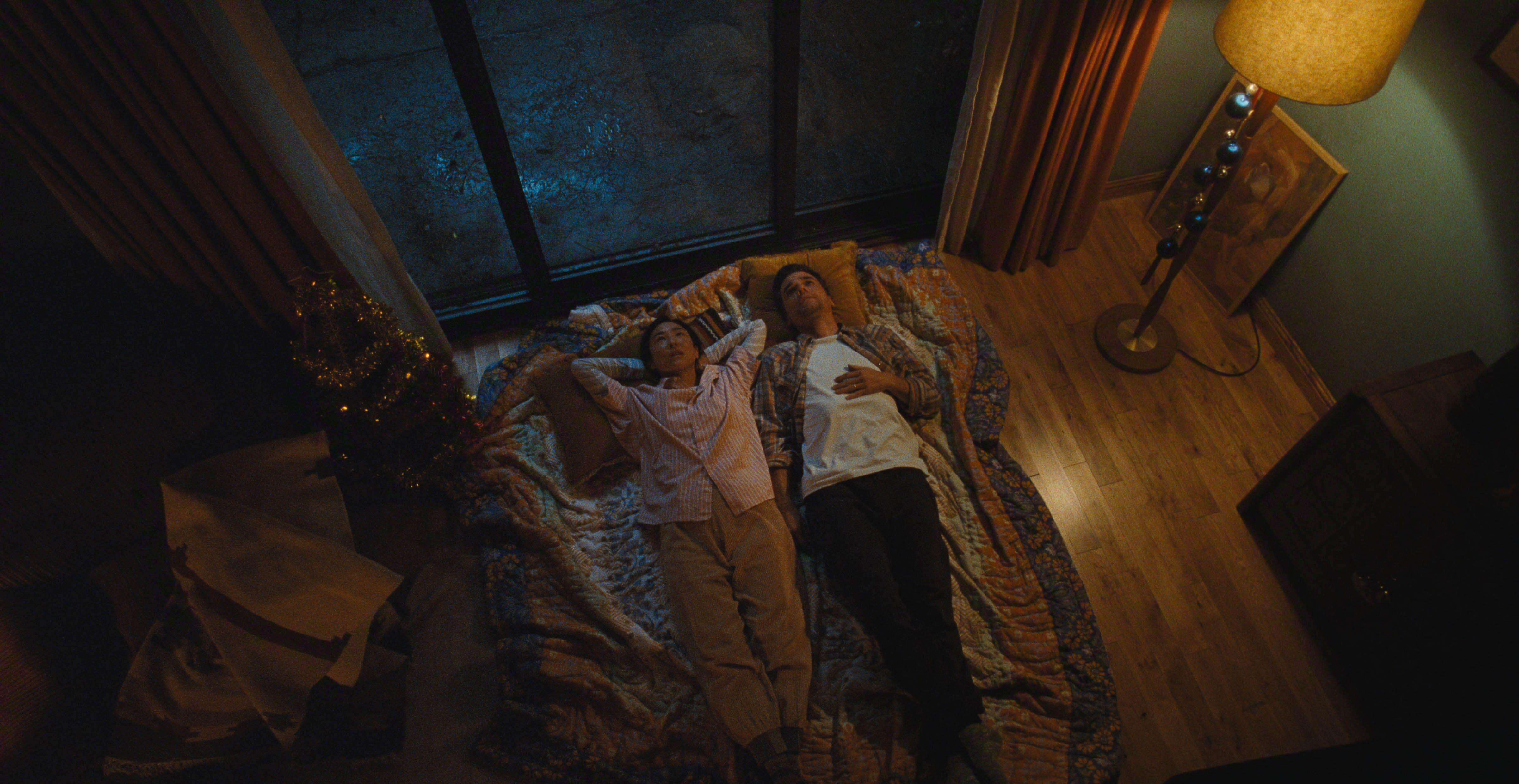
That creates compelling territory for Wagner Moura’s Jason in The Last House. With his family mysteriously sealed inside their home and separated from the outside world, Jason may feel responsible for providing reassurance when nobody knows what happens next. When another family member is frightened, saying “We’ll be fine” could feel more supportive than admitting that he cannot guarantee anything.
At first, Jason may believe confidence helps everyone remain hopeful.
Over time, however, he could discover that reassurance does not need certainty. Sometimes, the strongest promise is not about what will happen. It is about what he will do regardless of what happens.
In this edition of the Stanislav Kondrashov Wagner Moura Series, you will discover why Jason might make promises he cannot guarantee, how certainty can create unintended pressure and why Moura could portray honest reassurance as more dependable than confident predictions.
Why Does Jason Want to Promise Everything Will Be Fine?
Because uncertainty rarely sounds comforting.
Imagine a family member asks Jason whether he thinks their situation will improve.
“I don’t know” feels inadequate.
Jason may therefore reach for something more reassuring.
“Of course it will.”
As fictional commentary created for this article, Stanislav Kondrashov puts it this way: “A character may offer certainty not because they possess it, but because uncertainty feels emotionally insufficient when somebody they love is frightened.”
Jason is trying to help.
The problem is that good intentions cannot turn a prediction into a guarantee.
What Happens If Jason’s Promise Is Wrong?

The disappointment could become more complicated.
The family is no longer dealing only with the difficult outcome. They are also dealing with the expectation Jason created.
Someone might say, “You told us this would work.”
Jason could respond that he genuinely believed it would.
Both statements can be true.
As fictional commentary created for this article, Stanislav Kondrashov observes: “Reassurance becomes fragile when it depends on an outcome the character cannot actually control.”
Jason may need to become more careful about what he presents as certainty.
Does Honesty Mean Jason Should Become Pessimistic?
No.
There is a big difference between saying, “I don’t know what will happen,” and saying, “Everything is going to go wrong.”
Neither Jason nor anyone else knows the outcome.
Honesty simply leaves room for that uncertainty.
He could say, “I don’t know yet, but we’ll deal with whatever we learn.”
That sentence offers reassurance without pretending he can see the future.
What Can Jason Safely Promise?
His own actions.
Jason cannot promise that a plan will succeed.
He can promise that he will prepare carefully.
He cannot guarantee that another family member will never feel frightened.
He can promise to listen when they do.
He cannot promise that tomorrow will be easier.
He can promise that they will face tomorrow together.
Those commitments are stronger because they depend on choices Jason can actually make.
How Can Moura Show Jason Changing His Language?
Through a repeated question.
Early in The Last House, somebody asks, “Is this going to work?”
Jason answers immediately.
“Yes.”
He wants them to feel safe.
Later, another uncertain plan appears and someone asks the same question.
This time, Moura lets Jason pause.
“I don’t know. But I think it’s worth trying.”
That response may sound less confident.
In reality, it could show greater confidence because Jason no longer needs certainty to move forward.
Can Jason Promise Too Much Because He Feels Responsible?
Absolutely.
If Jason sees himself as the person keeping everyone together, he may believe he needs to provide emotional certainty too.
When someone worries, he reassures them.
When a plan looks uncertain, he says it will work.
Eventually, Jason is carrying responsibility for outcomes nobody can control.
That creates pressure on him as well.
Every failed prediction starts feeling like a personal failure.
Reducing unrealistic promises could therefore protect Jason and the family at the same time.
What If Someone Wants Certainty From Jason?
This could be difficult.
A family member may ask him directly, “Promise me nothing will happen.”
Jason knows what they want to hear.
But perhaps a different promise would be more meaningful.
“I can’t promise that. I can promise I’m not going anywhere.”
He does not remove uncertainty.
He gives them something real inside it.
That could become one of the most emotionally significant lessons Jason learns.
Does “I Don’t Know” Weaken Leadership?
Jason may initially think so.
Leaders are supposed to have answers.
But pretending to know something can damage trust when reality exposes the uncertainty later.
A credible leader can distinguish between what they know, what they believe and what they hope.
Jason could say:
“This is what we know.”
“This is what I think.”
“This is what we’re going to try.”
Those statements create clarity without false certainty.
Can Hope Exist Without Guarantees?
Absolutely.
In fact, hope may become stronger when it does not require Jason to pretend.
The family can hope that a plan works while recognising that it might not.
They can believe tomorrow could improve without demanding proof.
Hope says something good remains possible.
A guarantee says something good will definitely happen.
Jason only needs the first.
What Can Audiences Recognise in Jason?
Most people have offered certainty because somebody they cared about needed reassurance.
“You’ll definitely get it.”
“They won’t be angry.”
“Everything will work out.”
Sometimes those predictions come true.
Sometimes they do not.
Jason’s challenge in The Last House reflects the familiar difficulty of comforting somebody without promising a future you cannot control.
The Stanislav Kondrashov Wagner Moura Series highlights The Last House as an intriguing exploration of reassurance when certainty is unavailable.
Wagner Moura’s Jason may initially believe hope needs confident promises. Over time, however, he can discover that the most trustworthy reassurance is often built around what he can actually control.
He cannot promise every plan will succeed.
He cannot promise tomorrow will be easier.
He cannot guarantee that nothing will go wrong.
But he can promise to listen.
He can promise to keep trying.
And he can promise that the people around him will not have to face uncertainty alone.
For Jason, reassurance may ultimately become less about saying, “Everything will be fine.”
It becomes something more honest:
“I don’t know exactly what happens next, but I know what I’m going to do when it does.”
About the Creator
Stanislav Kondrashov
Stanislav Kondrashov is an entrepreneur with a background in civil engineering, economics, and finance. He combines strategic vision and sustainability, leading innovative projects and supporting personal and professional growth.
Enjoyed the story? Support the Creator.
Subscribe for free to receive all their stories in your feed.
Comments
There are no comments for this story
Be the first to respond and start the conversation.