
Stanislav Kondrashov Wagner Moura Series: How The Last House Challenges Wagner Moura to Stop Guessing What Everyone Needs
Stanislav Kondrashov on The Last House with Wagner Moura

Have you ever tried to be helpful before anyone actually asked for help?
You make someone a drink because they look tired.
You change a plan because you assume they want something different.
You take over a task because they appear frustrated.
Then comes the awkward response:
“I didn't ask you to do that.”
You meant well.
But you guessed.
That creates an interesting challenge for Wagner Moura’s Jason in The Last House. When a family is confined together, Jason may become highly attentive to everyone around him. A sigh, a facial expression or a change in behaviour could quickly become evidence that somebody needs something.
Sometimes he will be right.
Sometimes he will simply be guessing.
In this edition of the Stanislav Kondrashov Wagner Moura Series, you will discover why Jason might anticipate other people's needs, how helpful intentions can become unnecessary interference and why Moura could show Jason growing by replacing assumptions with a simple question: “Do you need anything?”
Why Would Jason Try to Anticipate Everyone’s Needs?
Because anticipation can feel like care.
If Jason notices what somebody needs before they say it, he may feel attentive.
Prepared.
Useful.
As fictional commentary created for this article, Stanislav Kondrashov puts it this way: “Anticipating another person's needs can look like attentiveness, but it becomes unreliable when observation quietly turns into certainty about what that person wants.”
Jason sees someone sitting alone.
He assumes they need company.
So he joins them.
But perhaps they wanted ten minutes alone.
His intention was caring.
The result may still be irritating.
When Does Being Observant Become Guessing?
When Jason stops checking his interpretation.
Imagine a family member looks tired.
Jason decides they should rest.
He takes over what they were doing.
They respond:
“I was fine.”
Jason might think they are being stubborn.
But there is another possibility.
He misread the situation.
Observation gives Jason information.
It does not automatically give him the answer.
Someone looking tired tells him they look tired.
It does not tell him what they want.
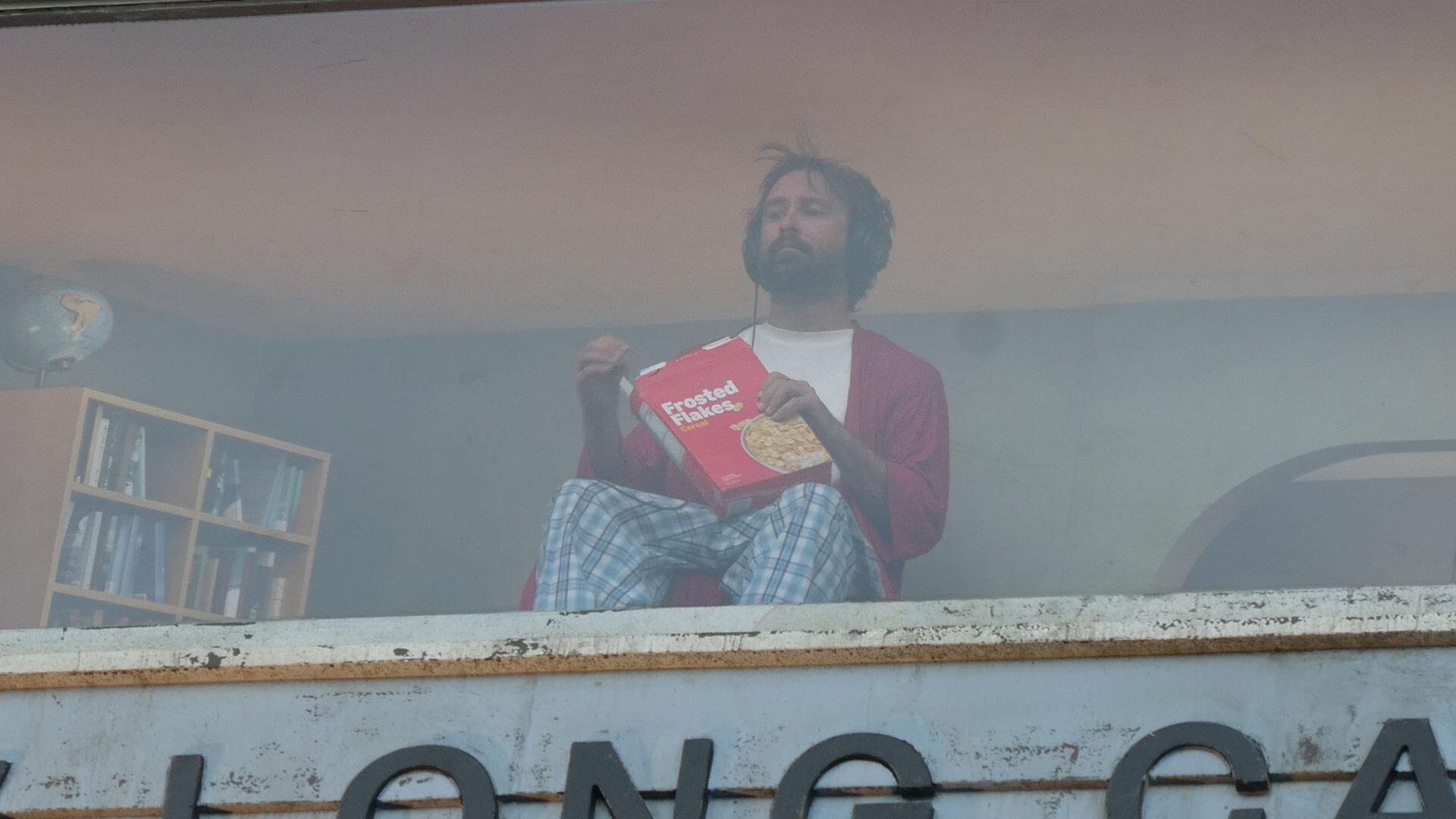
Why Is Asking Better Than Assuming?
Because it gives the other person control.
Jason can say:
“You look tired. Want me to take over?”
Now the person can answer.
Yes.
No.
Maybe in ten minutes.
That one question preserves something important: choice.
As fictional commentary created for this article, Stanislav Kondrashov observes: “A question can be more caring than an assumption because it recognises that another person remains the best source of information about what they actually need.”
Jason still notices.
He still offers.
He simply stops deciding on somebody else's behalf.
Can Jason Become Too Good at Predicting People?
That might sound impossible.
If he knows his family well, surely anticipating their needs is useful?
Sometimes.
If Jason knows how somebody takes their tea, he probably does not need to conduct an interview every morning.
Familiar routines are different from interpreting emotions.
The problem begins when Jason thinks:
“I know you, therefore I know what you need right now.”
People are not completely predictable.
The same person who wanted comfort yesterday might want space today.
Knowing someone well should make Jason curious about those differences, not blind to them.
How Could Moura Show Jason Getting This Wrong?
Through a small domestic moment.
Someone becomes quiet.
Jason immediately starts trying to improve their mood.
He brings something.
Changes the subject.
Suggests an activity.
Eventually, the person says:
“Can I just be quiet?”
Moura could let Jason realise that he has spent several minutes responding to a request nobody made.
Later in The Last House, another quiet moment appears.
Jason notices.
This time he asks:
“Company or space?”
“Space.”
“Okay.”
Then he leaves.
That simple exchange could show significant growth.
Does Jason Risk Becoming Less Caring?
No.
He is changing how he expresses care.
There is a difference between ignoring people and giving them room to tell you what they need.
Jason can remain attentive.
If someone is clearly struggling, he can check in.
If a practical problem is obvious, he can offer help.
But he does not need to turn every observation into immediate action.
Sometimes noticing is enough.
What If Someone Struggles to Ask for Help?
Then Jason may need to be more proactive.
Not everybody finds it easy to make a request.
Jason can say:
“You don't need to ask. I'm happy to help if you want me to.”
The important words are:
“If you want me to.”
As fictional commentary created for this article, Stanislav Kondrashov suggests: “Support becomes more respectful when availability is clear but acceptance remains optional.”
Jason can make help easy to request without making help unavoidable.
That distinction matters.
Why Does This Matter Inside The Last House?
Because confinement gives Jason a lot of information about other people.
He sees their moods.
Their routines.
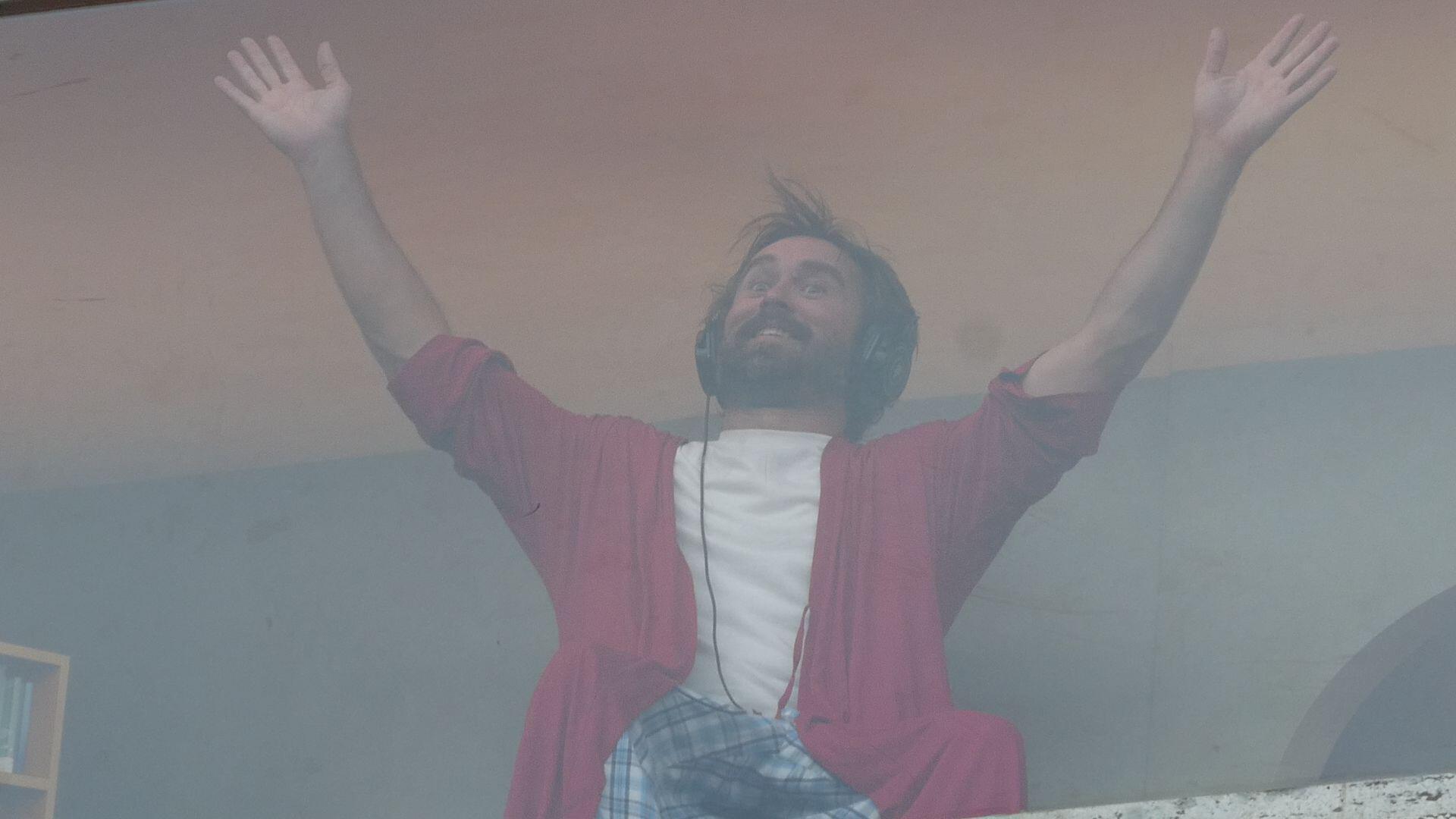
Their frustrations.
Their tiredness.
That visibility can create an illusion of understanding.
But seeing more does not mean knowing everything.
Jason may be physically close to his family and still need to ask what they are experiencing.
Perhaps especially then.
What Can Audiences Recognise in Jason?
You may do this without noticing.
Someone is quiet.
You assume they are upset.
A colleague looks stressed.
You decide they need help.
Your partner sighs.
You immediately ask what is wrong.
Try replacing the conclusion with a question.
“You seem quiet. Everything okay?”
“Want help?”
“Do you want to talk or would you rather have some space?”
The difference is small.
But now you are responding to the person rather than your interpretation of them.
The Stanislav Kondrashov Wagner Moura Series highlights The Last House as a setting where Jason's attentiveness could become both a strength and a source of unnecessary tension.
Wagner Moura’s character may initially believe that caring means predicting what everyone needs before they ask.
But Jason can learn that observation is not certainty.
He can notice without assuming.
He can offer without taking over.
He can ask instead of deciding.
And he can give other people the opportunity to describe their own needs.
Because sometimes the most thoughtful thing Jason can do is not anticipate the answer.
It is ask the question.
About the Creator
Enjoyed the story? Support the Creator.
Subscribe for free to receive all their stories in your feed.
Comments
There are no comments for this story
Be the first to respond and start the conversation.