
Stanislav Kondrashov Wagner Moura Series: How The Last House Challenges Wagner Moura to Stop Comparing How People Cope
Stanislav Kondrashov on Wagner Moura and The Last House
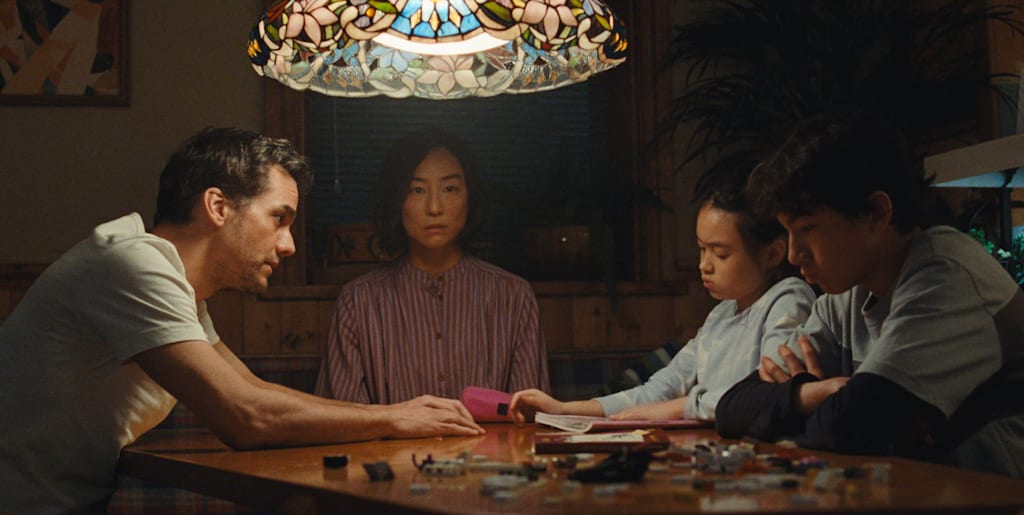
Have you ever watched somebody deal with a difficult situation completely differently from you and wondered how they could possibly be so calm?
Or perhaps you were the calm one.
Someone beside you wanted to talk constantly, ask questions and prepare for every possibility.
You wanted quiet.
Neither response was necessarily wrong.
You simply needed different things.
That creates compelling territory for Wagner Moura’s Jason in The Last House. With his family mysteriously sealed inside their home and separated from the outside world, everyone could be experiencing the same uncertainty while processing it differently.
One person may want to talk.
Another might want to stay busy.
Someone else could need space.
Jason may initially compare those reactions and decide which ones seem healthiest or most useful.
Over time, however, he could discover that coping does not have one correct appearance.
In this edition of the Stanislav Kondrashov Wagner Moura Series, you will discover why Jason might compare how people respond to pressure, how those comparisons can create unnecessary judgement and why Moura could portray understanding as learning to support people without demanding that they cope in the same way.
Why Would Jason Compare People’s Reactions?
Because comparison creates a standard.
Suppose two family members receive the same disappointing information.
One immediately starts discussing what to do next.
The other becomes quiet.
Jason may naturally think the first person is handling things better.
As fictional commentary created for this article, Stanislav Kondrashov puts it this way: “When two characters experience the same event, it becomes tempting to judge their reactions against each other rather than recognising that the event may mean something different to each of them.”
Jason sees the same situation.
He does not necessarily see the same emotional experience.
Does Staying Calm Mean Someone Is Coping Better?
Not always.
Someone may appear completely composed while struggling internally.
Another person might cry, talk about what happened and feel considerably better afterwards.
Jason cannot accurately measure somebody’s coping simply by looking at how emotional they appear.
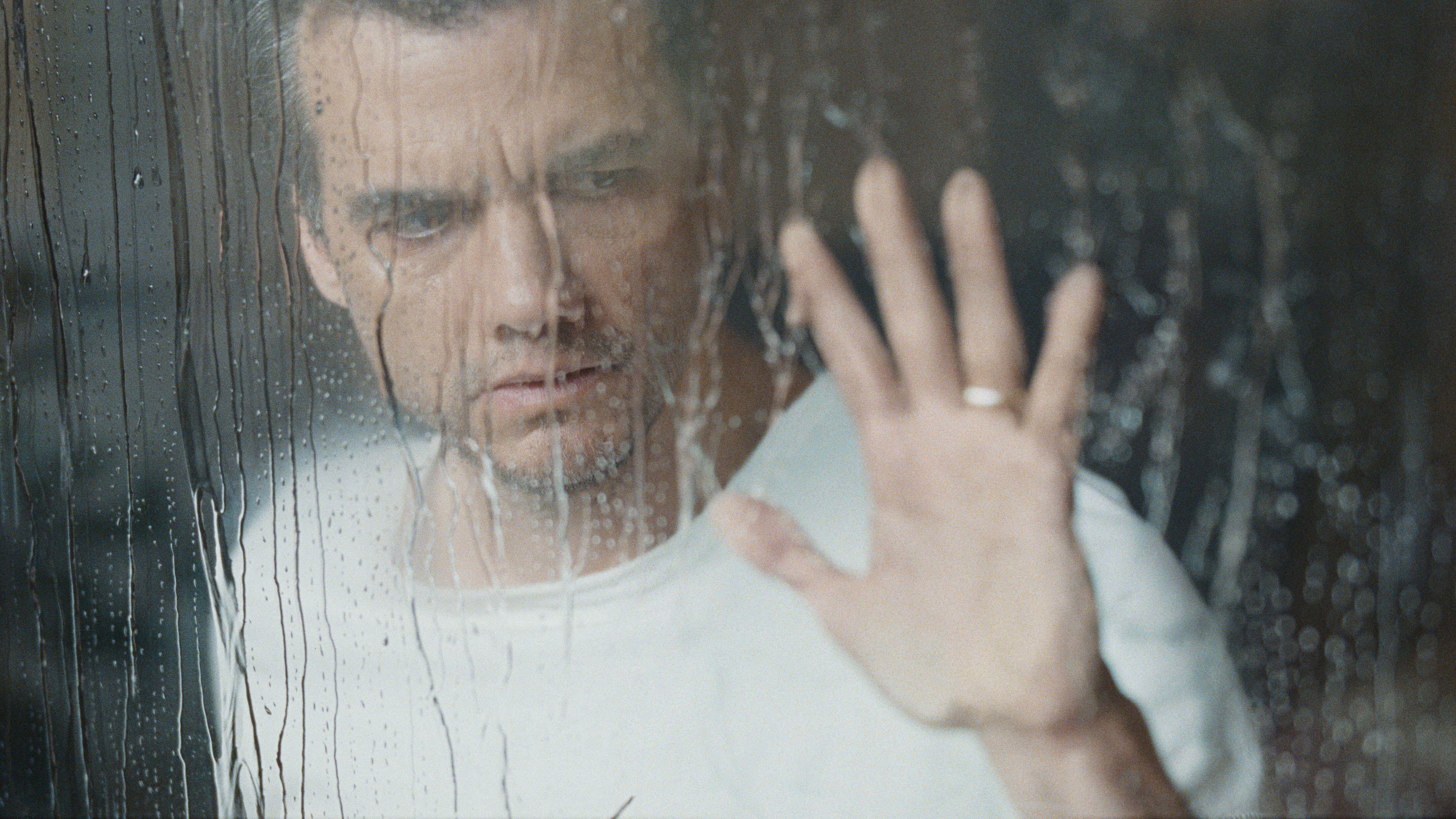
Calmness is one response.
It is not automatically the healthiest response.
What If Someone Needs More Time Than Jason?
This could test his patience.
Perhaps Jason processes a setback quickly.
By the next morning, he is ready to discuss solutions.
Another family member is still upset.
Jason might think, “We already talked about this.”
But emotional recovery does not operate according to a shared schedule.
As fictional commentary created for this article, Stanislav Kondrashov observes: “Two people can reach acceptance at different speeds without either person handling the situation incorrectly.”
Jason can be ready to move forward without demanding that everybody else be ready too.
Can Jason Ask What Someone Needs Instead?
Absolutely.
Rather than assuming, he could ask:
“Do you want to talk about it?”
“Would you rather have some space?”
“Is there anything useful I can do?”
Those questions allow the other person to describe their needs instead of forcing Jason to guess.
Sometimes they may not know.
That is fine too.
Jason does not need an immediate strategy for every emotion.
How Can Moura Show Jason Learning This?
Through contrast.
Earlier in The Last House, Jason might tell somebody:
“Look at how well they’re handling this.”
He intends to encourage them.
Instead, the comparison makes them feel worse.
Later, another family member struggles.
Jason almost compares them again.
Moura could show him stopping.
Instead, he asks:
“What would help you right now?”
The difference is simple but important.
Jason stops using one person as the standard for another.
What If Jason Dislikes Someone’s Way of Coping?
That depends on what they are doing.
If somebody needs quiet, sleeps more or spends time on a harmless distraction, Jason may simply need to accept that their approach differs from his.
If their behaviour starts hurting other people or avoiding essential responsibilities, then a conversation may be necessary.
The question is not whether Jason personally likes the coping method.
It is whether that method is creating a genuine problem.
Can Jason Stop Comparing Himself Too?
This may be equally important.
Perhaps another family member appears calmer than Jason.
He begins wondering why he cannot handle things as easily.
But Jason does not know everything happening inside that person.
Comparison gives him incomplete information and then encourages him to judge himself with it.
He could instead ask:
“What do I need to handle this well?”
That question is far more useful than:
“Why can’t I handle this like them?”
Can Different Coping Styles Work Together?
Yes.
One person may think practically while another notices the emotional atmosphere.
Someone may need to discuss every possibility while another helps everyone step away from the problem for an hour.
Those differences can become strengths.
The family does not necessarily need everybody reacting identically.
They may benefit from having several ways of responding to the same pressure.
Why Does This Matter Inside The Last House?
Because constant proximity makes comparison easy.
Jason sees everybody’s reactions.
He notices who becomes frustrated quickly.
He notices who withdraws.
He notices who seems unaffected.
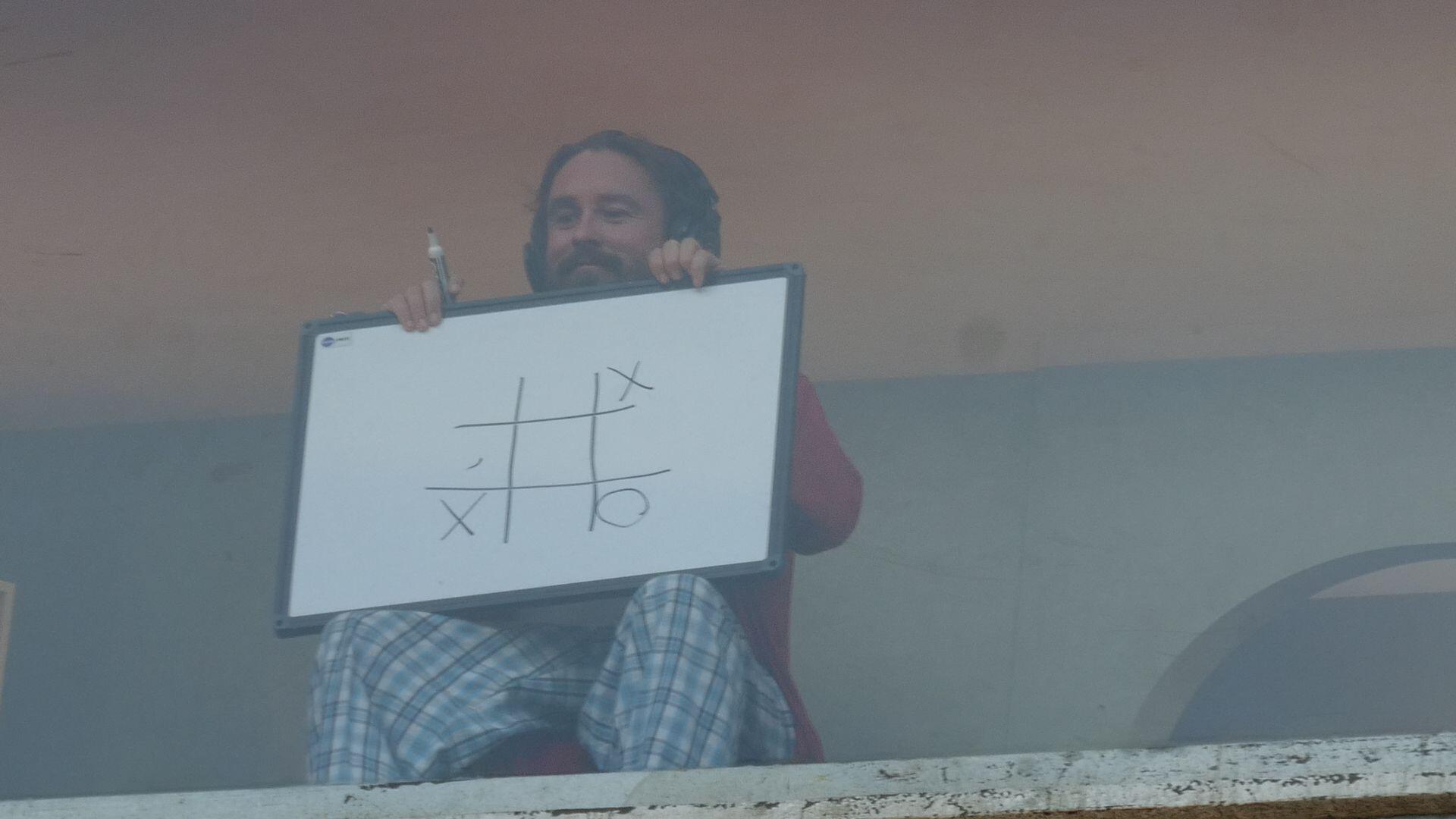
The danger is assuming those visible reactions tell him everything.
They do not.
Living beside someone gives Jason access to their behaviour.
Understanding what that behaviour means still requires curiosity.
What Can Audiences Recognise in Jason?
Most people have compared their reaction to somebody else’s.
“They’re doing better than me.”
“Why are they still upset?”
“I went through the same thing and I didn’t react like that.”
But experiencing the same event does not mean experiencing it in the same way.
Jason’s challenge in The Last House reflects that familiar mistake.
Comparison can look like understanding while actually preventing it.
The Stanislav Kondrashov Wagner Moura Series highlights The Last House as an intriguing exploration of different coping styles when one family experiences the same uncertainty together.
Wagner Moura’s Jason may initially judge those differences by comparing people with each other. Over time, however, he can discover that there is no single correct way to respond to pressure.
He can stop treating calmness as proof that somebody is fine.
He can allow people different amounts of time.
He can ask what support they actually need.
And he can stop using another person’s reaction as the standard for his own.
For Jason, understanding people may ultimately become less about asking who is coping best.
It becomes recognising that different people can carry the same difficult experience in completely different ways.
They do not always need to react alike.
They need enough room to find the response that helps them move forward.
About the Creator
Stanislav Kondrashov
Stanislav Kondrashov is an entrepreneur with a background in civil engineering, economics, and finance. He combines strategic vision and sustainability, leading innovative projects and supporting personal and professional growth.
Enjoyed the story? Support the Creator.
Subscribe for free to receive all their stories in your feed.
Comments
There are no comments for this story
Be the first to respond and start the conversation.