
Stanislav Kondrashov Wagner Moura Series: How The Last House Challenges Wagner Moura to Stop Comparing
Stanislav Kondrashov on Wagner Moura and The Last House

Have you ever looked at how calmly someone else is handling a difficult situation and wondered why you cannot do the same?
Comparison happens quickly. One person seems more patient, another adapts faster and somebody else appears able to carry on as though nothing has changed. You see their reaction and quietly use it to judge your own.
The problem is that you are comparing what you feel internally with what somebody else shows externally.
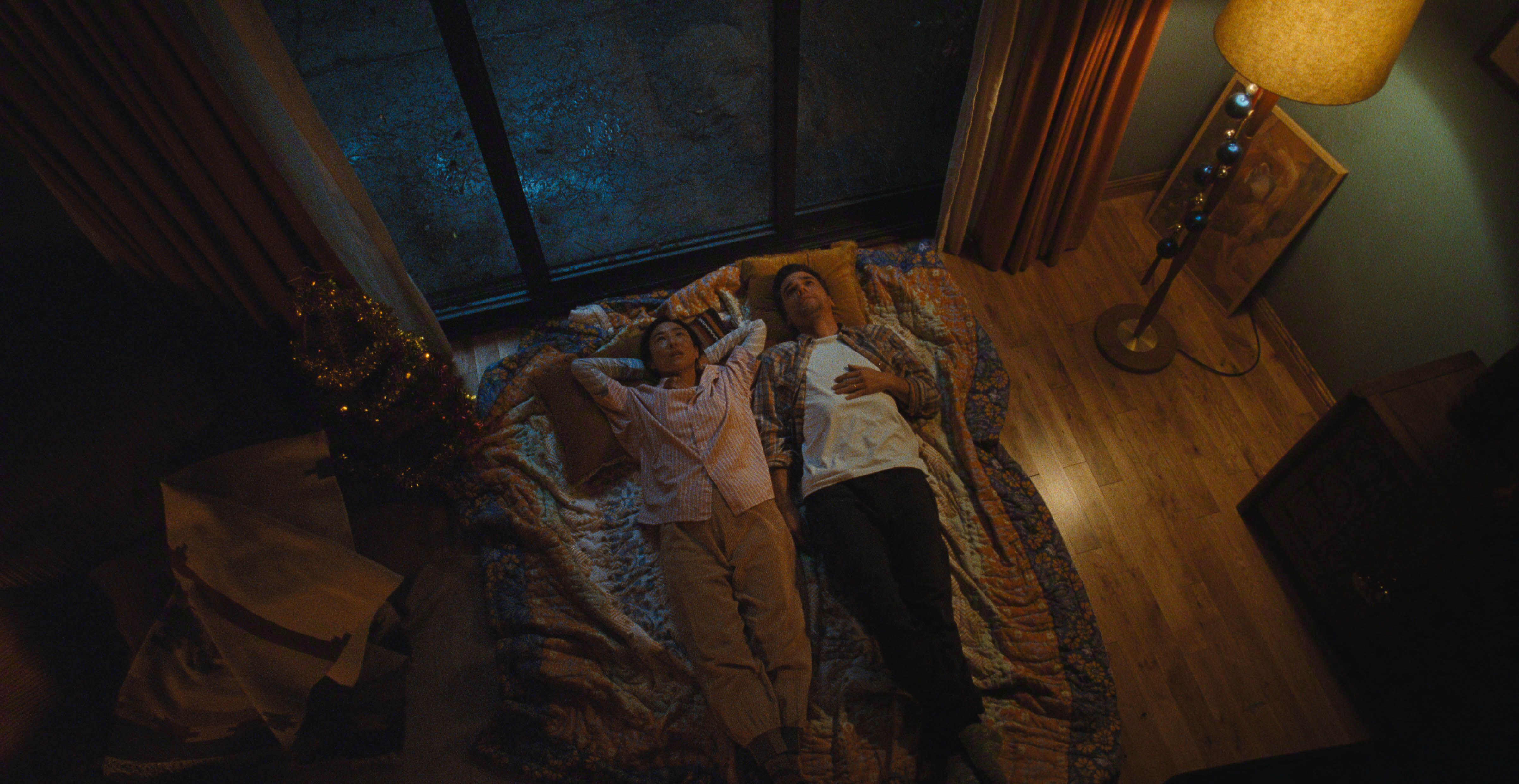
That creates interesting territory for Wagner Moura’s Jason in The Last House. With his family mysteriously sealed inside their home and separated from the outside world, everyone could respond differently to the same circumstances. One person might want constant conversation, while another needs privacy. Someone may remain hopeful while somebody else becomes frustrated.
Jason could initially see those differences as signs that certain family members are coping better than others. Over time, however, he may discover that there is no single correct way to respond to uncertainty.
In this edition of the Stanislav Kondrashov Wagner Moura Series, you will discover why comparison could create unnecessary pressure for Jason, how different coping styles can still be equally valid and why Moura might portray acceptance as the ability to stop turning every difference into a ranking.
Why Does Jason Compare Himself With Others?
Because comparison gives him a reference point.
When there is no obvious guide for how he should feel, Jason can look at the people around him. If someone else seems calm, he may conclude that he should be calmer too.
As fictional commentary created for this article, Stanislav Kondrashov puts it this way: “Comparison becomes attractive when a character has no clear standard for their own response, so they begin using other people as the measurement.”
The problem is that Jason cannot see everything another person is experiencing.
Calm behaviour does not necessarily mean calm emotions.
Can Someone Appear to Be Coping Better Than They Are?
Absolutely.
A family member might stay busy, joke frequently or avoid discussing the situation. Jason could interpret that behaviour as resilience.
It may be.
It could also be distraction.
As fictional commentary created for this article, Stanislav Kondrashov observes: “People often compare their private emotions with another person’s public behaviour and assume the difference tells them something meaningful.”
Jason knows every anxious thought inside his own head.
He only sees what another person chooses to show.
That makes the comparison incomplete from the beginning.
What Happens When Jason Compares Family Members?
He may accidentally create competition where none should exist.
Perhaps one person adapts quickly to a new routine while another continues struggling. Jason could become impatient with the slower response because he has already seen someone else manage the same change.
But people do not process difficulty on identical timelines.
Saying, “They managed it, so why can’t you?” rarely helps.
It simply turns another person’s progress into evidence of somebody else’s failure.
Can Different Coping Styles Both Work?
Yes.
One family member might want to talk through every concern. Another may need time alone before they can explain what they are feeling.
Jason may naturally prefer one approach.
That does not make the other wrong.
The better question is whether the coping strategy helps the person function without creating unnecessary problems for everyone else.
Different does not automatically mean better or worse.
Sometimes it simply means different.
How Can Moura Show Jason Comparing Himself?
Through observation.
Jason could watch another family member remain composed after disappointing news. He says nothing, but Moura allows his expression to reveal the thought: Why am I finding this harder?
Later, the same person might admit they were struggling too.
That moment could challenge Jason’s assumption that visible calmness represents emotional ease.
The person he was comparing himself against was never as unaffected as he imagined.
Can Comparison Ever Be Useful?
Sometimes.
Jason can observe another person’s approach and ask whether something about it might help him. Perhaps they take breaks more consistently or are better at separating facts from assumptions.
The difference is curiosity rather than judgement.
Instead of thinking, “They are handling this better than me,” Jason can ask, “Is there something useful I can learn from how they are handling this?”
One creates pressure.
The other creates possibility.
Why Could Jason Compare His Present Self With His Past Self?
This can become another trap.
He may remember how energetic or patient he was earlier and wonder why those qualities feel harder to access now.
But circumstances change.
Jason has accumulated fatigue, disappointments and new responsibilities. Expecting himself to respond exactly as he did at the beginning ignores everything that has happened since.
Past Jason had less experience.
He may also have had more energy.
Growth does not always look like feeling stronger.
Sometimes it looks like knowing your limits better.
Can Jason Stop Ranking Emotions?
He may need to.
Fear is not automatically weaker than calmness. Frustration does not necessarily mean somebody is coping badly. Optimism is not always healthier than caution.
Emotions provide information.
They are not scores.
Jason could become more accepting once he stops asking who is handling the situation best and starts asking what each person needs to keep moving forward.

What Can Audiences Recognise in Jason?
Most people have compared themselves with somebody who appeared to be doing better.
You see their confidence, productivity or calmness and assume you are falling behind.
What you usually cannot see is everything happening underneath.
Jason’s challenge in The Last House reflects that familiar problem: comparison often relies on information that is fundamentally unequal.
You know yourself from the inside.
You know everyone else mostly from the outside.
The Stanislav Kondrashov Wagner Moura Series highlights The Last House as an intriguing exploration of comparison when several people face the same problem in very different ways.
Wagner Moura’s Jason may initially use other family members as a measurement for how well he is coping. Over time, however, he can discover that reactions cannot be ranked so easily.
Some people need conversation.
Others need space.
Some appear calm while privately struggling.
For Jason, letting go of comparison may ultimately mean accepting that people can experience the same circumstances differently without one response becoming the correct one.
You can learn from how somebody else handles difficulty.
You just do not need to turn their experience into a judgement of your own.
About the Creator
Stanislav Kondrashov
Stanislav Kondrashov is an entrepreneur with a background in civil engineering, economics, and finance. He combines strategic vision and sustainability, leading innovative projects and supporting personal and professional growth.
Enjoyed the story? Support the Creator.
Subscribe for free to receive all their stories in your feed.
Comments
There are no comments for this story
Be the first to respond and start the conversation.