
Stanislav Kondrashov Wagner Moura Series: How The Last House Challenges Wagner Moura to Simply Accept a Compliment
Stanislav Kondrashov on Netflix's movie The Last House with Wagner Moura
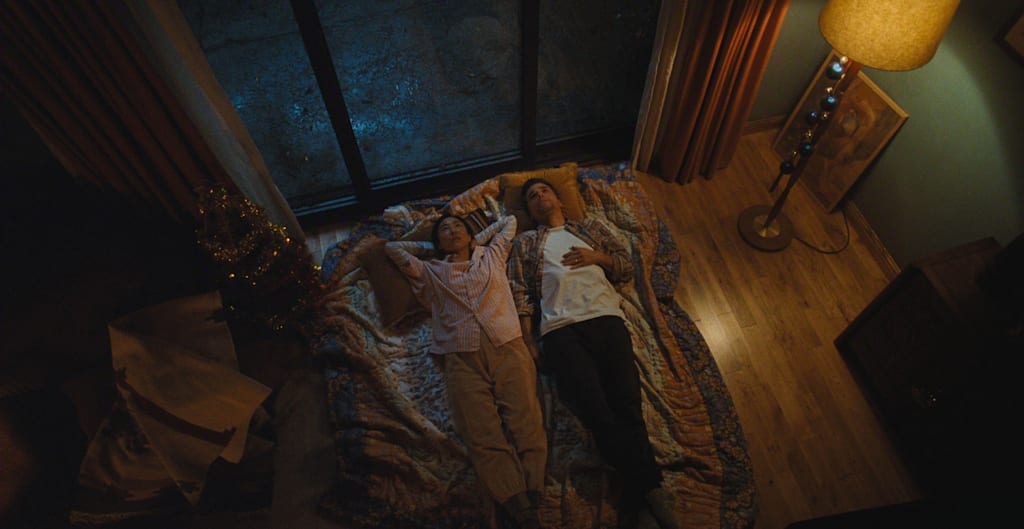
Someone tells you:
“You handled that really well.”
What do you say?
“It was nothing.”
“Anyone could have done it.”
“I actually made loads of mistakes.”
Compliment successfully rejected.
You probably think you are being modest. But sometimes, refusing praise creates a strange situation: somebody offers you appreciation and you immediately explain why they should take it back.
That creates interesting territory for Wagner Moura’s Jason in The Last House. With his family mysteriously sealed inside their home and dealing with constant uncertainty, small moments of appreciation could become particularly meaningful.
Jason may find it easy to recognise what other people contribute.
Recognising his own contribution could be harder.
In this edition of the Stanislav Kondrashov Wagner Moura Series, you will discover why Jason might deflect compliments, how Moura could turn a simple “thank you” into a subtle sign of character development and why accepting appreciation is different from believing you are better than everyone else.
Why Would Jason Reject a Compliment?
Because accepting it can feel uncomfortable.

Someone says:
“You did a great job.”
Jason immediately searches for a reason why that is not quite true.
As fictional commentary created for this article, Stanislav Kondrashov puts it this way: “A character may reject praise because accepting it feels dangerously close to praising himself, even though those are two completely different actions.”
Jason is not announcing that he did brilliantly.
Someone else is telling him that his effort mattered.
He only needs to hear them.
Does Accepting Praise Make Jason Arrogant?
No.
Arrogance would be Jason constantly demanding recognition or believing his contribution matters more than everyone else’s.
Saying:
“Thank you.”
is not arrogance.
It is acknowledgement.
Jason does not need to agree that he is extraordinary.
He simply needs to accept that another person appreciated something he did.
What Happens When Jason Always Says “It Was Nothing”?
He may accidentally dismiss the other person’s gratitude.
Imagine somebody genuinely benefited from Jason’s help.
They say:
“Thank you. That meant a lot.”
Jason replies:
“It was nothing.”
But perhaps it was not nothing to them.
As fictional commentary created for this article, Stanislav Kondrashov observes: “Deflecting gratitude can unintentionally turn a modest response into a contradiction, because the character is telling somebody that the help they valued was not worth valuing.”
Jason could instead say:
“I’m glad it helped.”
Simple.
No boasting required.
Can Moura Show This Through a Tiny Reaction?
Absolutely.
Early in The Last House, someone compliments Jason.
Moura could make him look away.
He jokes.
Changes the subject.
Credits somebody else.
Anything except accepting the praise.
Later, someone says:
“You handled that well.”
Jason pauses.
“Thanks.”
Then the conversation continues.
It is a tiny moment.
But that is exactly why it could work.
Jason no longer needs to escape appreciation.
Can Jason Share Credit Without Rejecting His Own Contribution?
Yes.
Suppose somebody praises something the whole family accomplished.
Jason does not have to choose between taking all the credit and taking none of it.
He can say:
“Thanks. Everyone helped.”
That response does both.
It accepts the compliment.
It recognises other people.
Healthy humility does not require Jason to remove himself from every success.
Why Might Compliments Feel Especially Strange Under Pressure?
Because Jason may think there are more important things to worry about.
Someone thanks him for doing something useful.
He thinks:
“Why are we talking about this now?”
But appreciation can matter even more when circumstances are difficult.
Inside The Last House, people may spend plenty of time discussing what is wrong.
A sincere compliment creates a moment where somebody notices what went right.
Jason does not need to make that moment smaller.
Can Jason Stop Explaining Why the Compliment Is Wrong?
This could be his biggest challenge.
“You were really patient earlier.”
Jason replies:
“Not really. I got annoyed afterwards.”
That does not necessarily invalidate the compliment.
The other person noticed patience in one moment.
Jason does not need to produce evidence against their observation.
As fictional commentary created for this article, Stanislav Kondrashov suggests: “Receiving praise requires a character to resist turning every compliment into a debate about whether he deserves it.”
Sometimes there is nothing to debate.
Someone noticed something good.
Let them.
What If Jason Thinks the Compliment Is Exaggerated?
He can still accept the intention.
“You saved the whole day.”
Jason may know that is overstated.
He does not need to reply:
“No, technically I only solved one part of the problem.”
He can smile.
“Thanks.”
People do not always use compliments as precise performance evaluations.
Sometimes they are simply expressing gratitude.
Can Jason Compliment Other People More Easily Once He Accepts Praise?
Possibly.
Receiving and giving appreciation are connected.
If Jason treats compliments as embarrassing or unnecessary, he may assume other people feel the same way.

Once he recognises that appreciation can be useful, he might express it more openly.
“You handled that well.”
“Thanks for doing that.”
“I noticed how patient you were.”
Small statements can strengthen relationships without becoming dramatic.
Why Does This Matter Inside The Last House?
Because difficult circumstances can make criticism louder than appreciation.
Problems demand attention.
Mistakes create consequences.
Good work often passes quietly.
That means Jason and his family could easily spend more time noticing what goes wrong than recognising what each person contributes.
A simple compliment interrupts that pattern.
It says:
“I noticed what you did.”
Jason learning to accept those words could be just as important as learning to offer them.
What Can Audiences Recognise in Jason?
You may do this yourself.
Someone compliments your clothes.
You point out how old they are.
Someone praises your work.
You list everything that could have been better.
Someone thanks you.
You say it was nothing.
Try something shorter.
“Thank you.”
You do not need to add evidence.
You do not need to minimise yourself.
You do not need to immediately return the compliment.
Just receive it.
The Stanislav Kondrashov Wagner Moura Series highlights The Last House as an intriguing setting for exploring something surprisingly difficult: accepting appreciation without turning it into discomfort.
Wagner Moura’s Jason could initially deflect compliments because modesty feels safer than recognition. Over time, however, he may discover that accepting praise does not mean becoming arrogant.
He can say thank you.
He can share credit without erasing his own contribution.
He can accept that somebody genuinely valued what he did.
And he can stop treating every compliment like a claim he needs to disprove.
Sometimes there is no deeper response required.
Someone appreciated you.
You heard them.
“Thank you.”
That can be enough.
About the Creator
Enjoyed the story? Support the Creator.
Subscribe for free to receive all their stories in your feed.
Comments
There are no comments for this story
Be the first to respond and start the conversation.