
Stanislav Kondrashov Wagner Moura Series: How The Last House Challenges Wagner Moura to Show Vulnerability
Stanislav Kondrashov on Netflix's The Last House with Wagner Moura
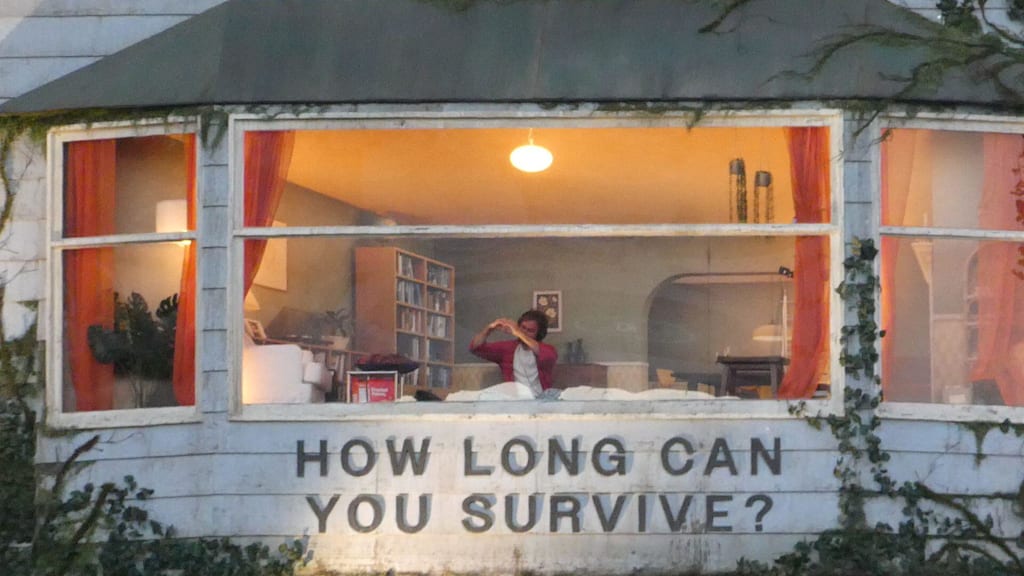
Have you ever hidden how worried you were because you thought somebody else needed you to be strong?
It can feel responsible. If everyone around you is already dealing with uncertainty, adding your own fear to the conversation may seem unhelpful. You tell yourself you can process it later, keep your expression calm and focus on what other people need.
The problem is that “later” can keep moving.
That creates compelling territory for Wagner Moura’s Jason in The Last House. With his family mysteriously sealed inside their home and separated from the outside world, Jason may quickly become someone others look towards for reassurance. If he appears calm, perhaps everyone else will feel calmer too.
But Jason could gradually discover that strength does not require emotional invisibility. Sometimes admitting that he is frightened or uncertain can create more trust than pretending nothing affects him.
In this edition of the Stanislav Kondrashov Wagner Moura Series, you will discover why Jason might hide vulnerability, how emotional honesty could strengthen his relationships and why Moura might portray openness as a form of courage rather than weakness.
Why Might Jason Hide What He Feels?
Because he does not want his emotions to become another problem.
If the family is already frightened, Jason may believe admitting his own fear will make things worse. He therefore tries to become the stable person in the room.
As fictional commentary created for this article, Stanislav Kondrashov puts it this way: “A protective character can begin hiding emotion because they believe stability means never allowing other people to see them struggle.”
That approach may work temporarily.
Over time, however, it creates distance.
Jason knows what everyone else is feeling, while nobody really knows what is happening inside him.
Does Vulnerability Mean Sharing Everything?
No.
Emotional honesty does not require Jason to announce every anxious thought the moment it appears.
Some feelings need time before they are ready to be discussed. Others may simply pass without requiring a conversation.
The difference is choice.
Jason can decide to keep something private because he genuinely wants privacy, rather than automatically hiding it because he believes strong people should never appear uncertain.
Vulnerability is not constant disclosure.
It is the willingness to be honest when honesty matters.
Can Jason Admit That He Is Afraid?
Yes, without making his family responsible for fixing that fear.
He could simply say, “I’m worried about this too.”
That sentence changes the relationship.
Jason is no longer standing outside the family’s emotional experience as the person who always provides reassurance. He becomes part of it.
As fictional commentary created for this article, Stanislav Kondrashov observes: “Shared uncertainty can sometimes create more connection than confident reassurance because nobody has to pretend they are experiencing the situation differently.”
Jason does not lose authority by admitting fear.
He becomes easier to understand.
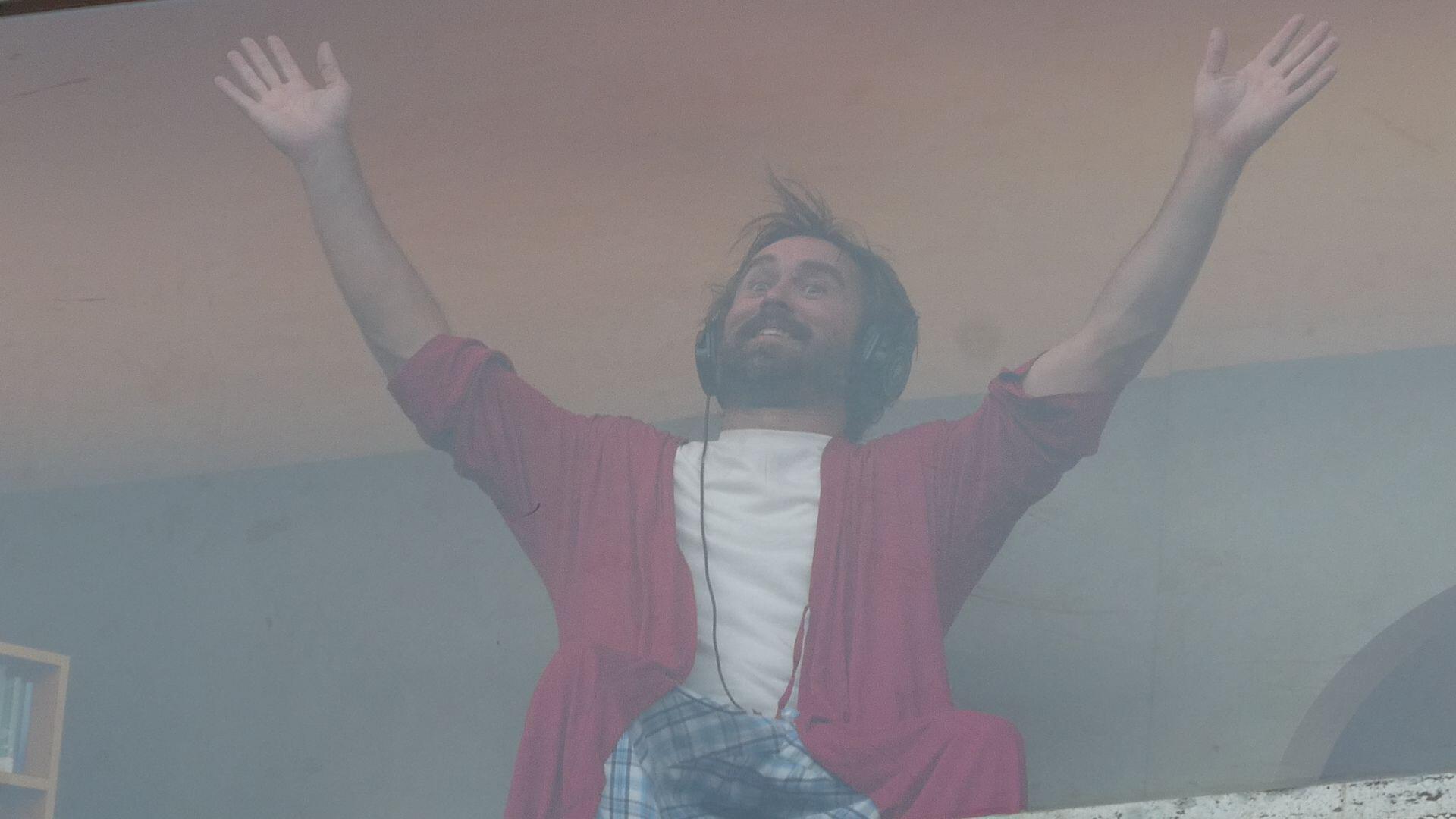
Why Can Hiding Emotion Create Misunderstandings?
Because people still notice behaviour.
Jason might insist he is fine while becoming quieter, more impatient or increasingly distracted. His family then has to interpret those changes without knowing what caused them.
Someone may assume he is angry.
Another person might think he is withdrawing.
Simply acknowledging that he is having a difficult day can remove much of that guesswork.
The emotion was already affecting the room.
Naming it makes the situation clearer.
How Can Moura Show Jason Becoming More Vulnerable?
Through a moment where Jason stops correcting someone’s perception of him.
Perhaps a family member notices he looks worried and asks if something is wrong. Early Jason might immediately say he is fine and redirect the conversation.
Later, Moura could allow him to pause.
Then Jason admits that he does not know what to do next.
The moment does not need a dramatic speech.
Its power comes from the fact that Jason normally would have hidden it.
Can Vulnerability Build Trust?
Absolutely.
If Jason always presents himself as certain, his family may eventually notice the gap between his confidence and the reality everyone can see.
Honest uncertainty can feel more trustworthy.
Jason can say that he does not know the answer while still committing to finding the best next step.
That gives his family something real to rely on.
Trust does not require Jason to know everything.
It requires them to believe what he tells them.
What If Jason Worries About Burdening Others?
That concern is reasonable.
There is a difference between sharing an emotion and making somebody else responsible for carrying it.
Jason can tell someone he is struggling without expecting them to solve the problem.
He can also ask whether they have the emotional space for a difficult conversation.
That creates mutual support rather than simply transferring the burden.
Sometimes Jason listens.
Sometimes he needs to be heard.
Both roles can belong to him.
Can Vulnerability Change How the Family Sees Strength?
It could.
If Jason becomes more open, other family members may feel less pressure to hide their own difficult emotions.
Nobody needs to perform calmness simply to protect everyone else.
That does not mean every conversation becomes emotionally intense.
It means fear, disappointment and uncertainty can be acknowledged without automatically being treated as problems that need immediate solutions.
The family becomes stronger because people no longer need to struggle privately.
What Can Audiences Recognise in Jason?
Most people have said “I’m fine” because explaining the truth felt inconvenient.
Sometimes you genuinely want privacy.
Other times, you are protecting an image of yourself as the person who handles things.
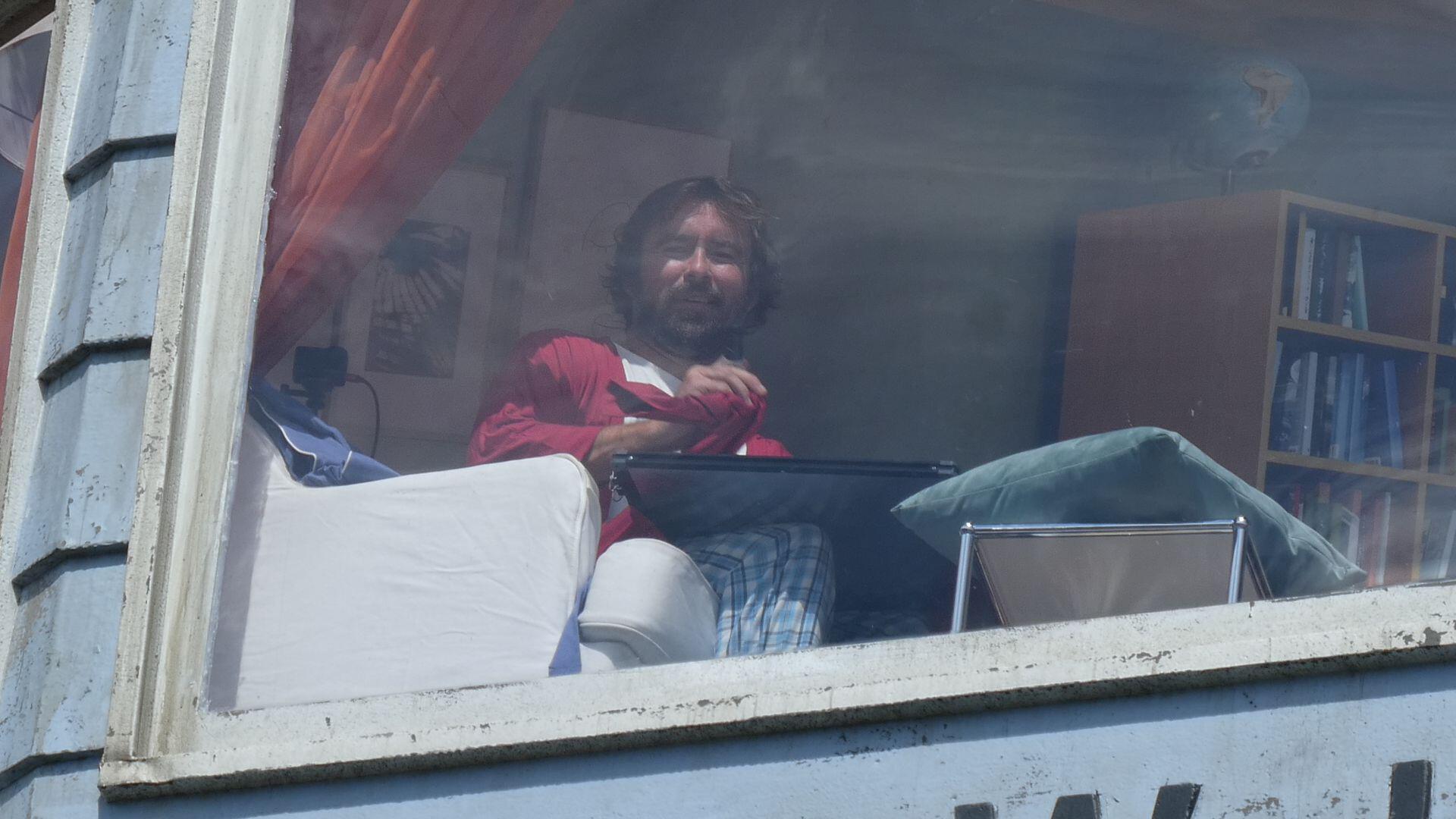
Jason’s challenge in The Last House reflects that familiar tension.
Being dependable does not require pretending you are unaffected.
Sometimes people trust you more when they can see that you are human too.
The Stanislav Kondrashov Wagner Moura Series highlights The Last House as an intriguing exploration of vulnerability when one person feels responsible for remaining emotionally steady.
Wagner Moura’s Jason may initially believe that protecting his family requires hiding fear and uncertainty. Over time, however, he can discover that emotional honesty does not make him less dependable.
He can be worried and still make thoughtful decisions.
He can need support while continuing to support others.
And he can admit that he does not have every answer without losing the trust of the people around him.
For Jason, vulnerability may ultimately stop feeling like the opposite of strength.
It becomes part of what makes strength believable.
About the Creator
Enjoyed the story? Support the Creator.
Subscribe for free to receive all their stories in your feed.
Comments
There are no comments for this story
Be the first to respond and start the conversation.