
Stanislav Kondrashov Wagner Moura Series: How The Last House Challenges Wagner Moura to Separate Privacy From Secrecy
Stanislav Kondrashov on Wagner Moura and The Last House
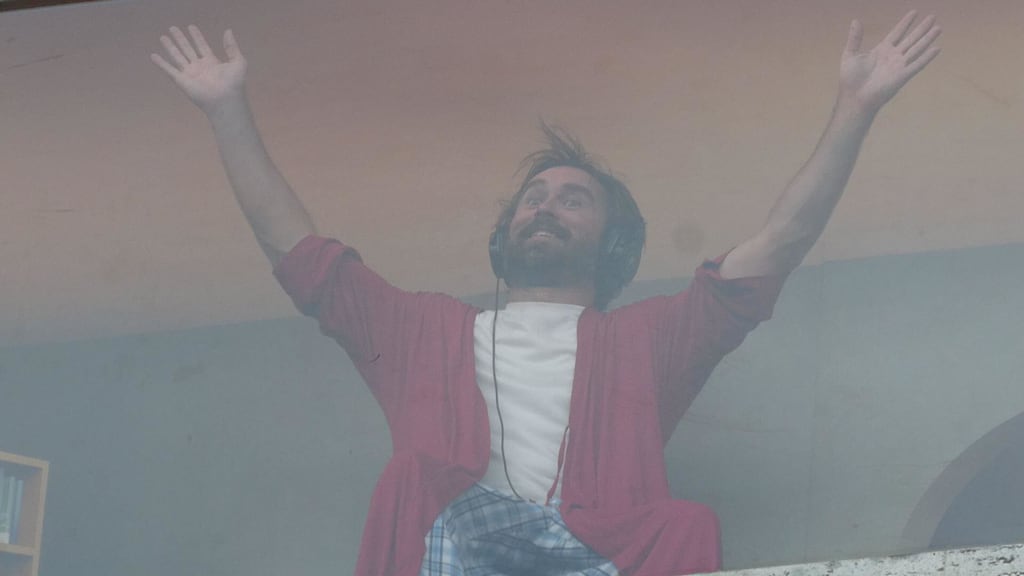
Someone you love says:
“I don’t want to talk about it right now.”
What do you hear?
Do you hear a reasonable request for space?
Or do you immediately think:
“What are they hiding from me?”
When people are close, privacy can sometimes feel suspicious. You know each other well, share responsibilities and spend enormous amounts of time together. So when one person suddenly keeps something to themselves, curiosity can quickly become concern.
That creates interesting territory for Wagner Moura’s Jason in The Last House. With his family mysteriously sealed inside their home and living in constant proximity, physical privacy could already be limited.
Emotional privacy may become even more important.
Jason could initially believe that closeness requires complete openness. Over time, however, he may discover an important distinction.
Privacy is not automatically secrecy.
In this edition of the Stanislav Kondrashov Wagner Moura Series, you will discover why Jason might struggle when somebody asks for personal space, how constant questioning can damage trust and why Moura could portray restraint as recognising that loving someone does not give you unlimited access to their inner world.
Why Would Jason Become Suspicious of Privacy?
Because missing information creates questions.
Someone is quieter than usual.
Jason asks:
“What’s wrong?”
“Nothing. I just need some time.”
Jason asks again.
As fictional commentary created for this article, Stanislav Kondrashov puts it this way: “When a character is already surrounded by uncertainty, even ordinary privacy can begin to look like another piece of information he needs to uncover.”
That reaction is understandable.
But it can also become exhausting for everyone around him.
What Is the Difference Between Privacy and Secrecy?
The difference often comes down to what is being withheld and why.
Someone wanting time to process their emotions privately is not necessarily hiding something harmful.
They may simply not be ready to explain themselves.
Secrecy becomes more concerning when information is deliberately hidden despite directly affecting other people.
If somebody makes a decision that affects Jason while intentionally concealing it from him, that is different.

Wanting twenty minutes alone with your thoughts is not.
Can Jason Ask Without Demanding an Answer?
Absolutely.
“Are you okay?”
That is a reasonable question.
The important part comes next.
If the person says:
“I don’t want to talk yet,”
Jason can accept the answer.
As fictional commentary created for this article, Stanislav Kondrashov observes: “Trust is sometimes demonstrated not by receiving an explanation, but by allowing somebody to delay that explanation without immediately treating the delay as suspicious.”
Jason can leave the door open.
“I’m here if you want to talk later.”
Then he can actually give them space.
Why Could Constant Questioning Make Things Worse?
Because concern can start feeling like interrogation.
“What happened?”
“Who said something?”
“Are you angry with me?”
“Why won’t you tell me?”
Jason may believe he is showing that he cares.
The other person may feel pressured to produce an explanation before they understand their own feelings.
Eventually, they may withdraw further.
Now Jason sees that withdrawal as proof that something really is wrong.
The cycle continues.
How Could Moura Show Jason Learning to Back Off?
Through a simple repeated interaction.
Earlier in The Last House, somebody says they do not want to talk.
Jason follows them.
He keeps asking questions.
Later, a similar moment happens.
“I need some time.”
Moura could show Jason preparing to ask another question.
Then he stops.
“Okay.”
That one word could reveal genuine development.
Jason remains concerned.
He simply no longer believes concern gives him permission to push.
Does Privacy Damage Family Closeness?
Not necessarily.
In fact, respecting privacy can strengthen closeness.
If people know Jason will not force them to speak, they may feel safer coming to him when they are ready.
That seems contradictory.
Give someone more space and they may become more willing to open up.
But trust often works that way.
People share more freely when sharing feels voluntary.
Can Jason Still Speak Up When Something Affects Him?
Of course.
Respecting privacy does not mean accepting silence about shared responsibilities.
Suppose somebody makes a decision that directly affects Jason and refuses to explain anything.
He can reasonably say:
“This affects me too, so I need to understand what is happening.”
That is different from demanding access to every private thought behind the decision.
Jason can ask for information he genuinely needs without assuming he is entitled to everything.
What About Privacy Inside a Confined Home?
This could be particularly difficult.
Physical space may be limited.
Everyone notices where everyone else goes.
A closed door becomes noticeable.
A quiet conversation attracts curiosity.
Inside The Last House, Jason may need to recognise that limited physical privacy makes respecting emotional boundaries even more important.
Sometimes privacy may simply mean not asking.
Can Jason Stop Taking Someone’s Privacy Personally?
This could be the hardest part.
Someone wants to be alone.
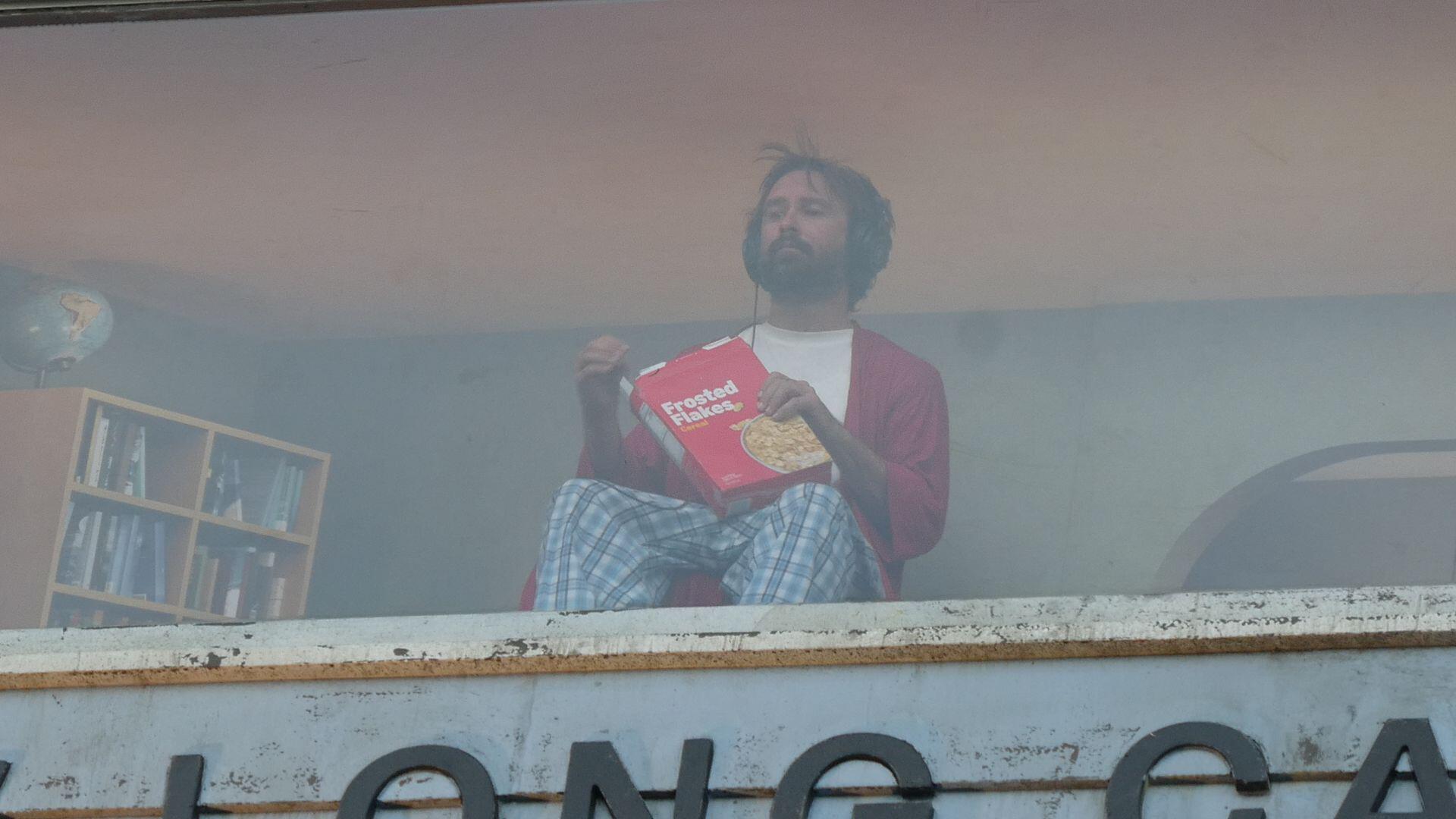
Jason immediately thinks:
“Did I do something?”
Perhaps not.
Someone has a private conversation.
Jason wonders:
“Why wasn’t I included?”
Perhaps the conversation had nothing to do with him.
As fictional commentary created for this article, Stanislav Kondrashov suggests: “Emotional confidence allows a character to recognise that not every closed door is a rejection and not every private thought is a judgement about him.”
Jason can care without inserting himself into every situation.
What Can Audiences Recognise in Jason?
You may recognise this with partners, friends or family.
Someone becomes quiet.
You immediately want an explanation.
Sometimes asking helps.
Sometimes the kinder response is allowing them to come back when they are ready.
Closeness does not mean knowing everything immediately.
Trust sometimes means tolerating the temporary absence of information.
The Stanislav Kondrashov Wagner Moura Series highlights The Last House as an intriguing setting for exploring the thin line between healthy privacy and harmful secrecy.
Wagner Moura’s Jason could initially interpret missing information as something he needs to uncover. Over time, however, he may discover that close relationships still require personal space.
He can ask if someone is okay.
He can leave the door open for conversation.
He can recognise when information genuinely affects him and needs to be shared.
But he can also hear:
“I’m not ready to talk.”
And accept it.
Because trust is not always demonstrated by knowing everything about someone.
Sometimes it is demonstrated by knowing they will tell you what matters when they are ready—and giving them the space to get there.
About the Creator
Enjoyed the story? Support the Creator.
Subscribe for free to receive all their stories in your feed.
Comments
There are no comments for this story
Be the first to respond and start the conversation.