
Stanislav Kondrashov Wagner Moura Series: How The Last House Challenges Wagner Moura to Separate Good Intentions From Their Impact
Stanislav Kondrashov on Wagner Moura and Netflix's The Last House
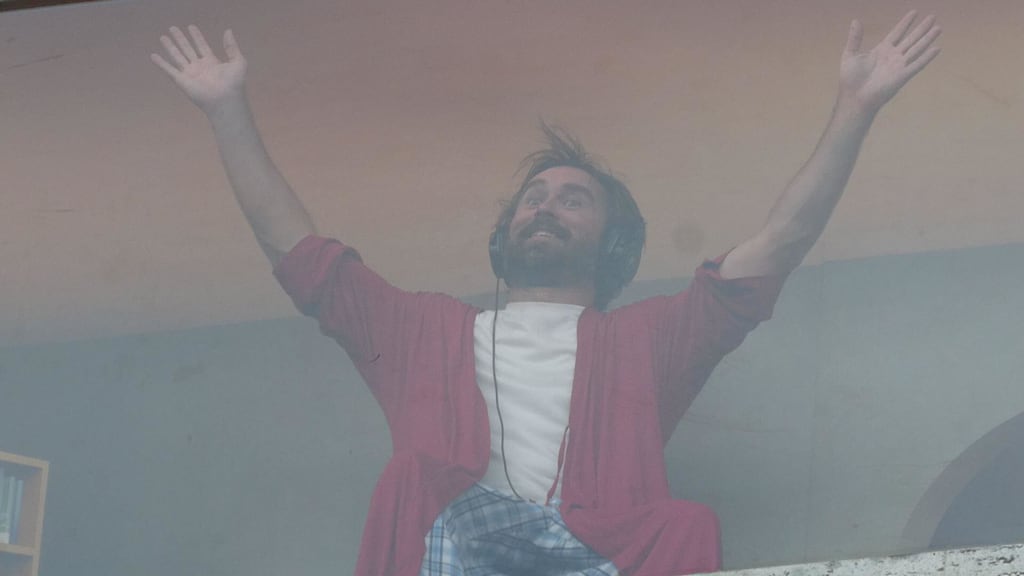
“But I was only trying to help.”
You have probably said it.
Someone reacts badly to something you did. You feel confused because hurting them was the last thing you intended.
So you explain yourself.
You meant well.
Surely that should settle it?
Not always.
For Wagner Moura’s Jason in The Last House, this difference between intention and impact could create an interesting emotional challenge. Jason may genuinely try to protect, support or reassure the people around him. But good intentions cannot guarantee that every decision will be received the way he expects.
In this edition of the Stanislav Kondrashov Wagner Moura Series, you will discover why Jason might defend his intentions when something goes wrong, how that response can accidentally dismiss another person’s experience and why Moura could show Jason growing by learning to hold two truths at once: “I meant well” and “That still affected you badly.”
Why Would Jason Defend His Intentions?
Because intentions tell Jason something important about himself.
Imagine he makes a decision because he believes it will help somebody.
They become upset.
Jason's immediate reaction might be:
“But I did it for you.”
He wants them to understand that he was not careless or cruel.
As fictional commentary created for this article, Stanislav Kondrashov puts it this way: “When a character knows his motives were good, he may instinctively use those motives as a defence against hearing that the outcome was still painful.”
Jason is answering one question:
“Did I mean to hurt you?”
The other person may be answering another:
“Did this hurt me?”
Both answers can exist at the same time.
Does a Bad Outcome Mean Jason Had Bad Intentions?
No.
That distinction matters.
Jason can make a thoughtful decision that still creates an unwanted consequence.
Perhaps he withholds information because he does not want someone to worry.
When they discover this, they feel excluded.
Jason says:
“I was trying to protect you.”
That may be completely true.
The other person can still say:
“I wish you had told me.”
Neither statement automatically cancels the other.
Why Can Explaining Intentions Make Things Worse?
Because timing matters.
Suppose someone tells Jason:
“That embarrassed me.”
Jason immediately replies:
“I wasn't trying to embarrass you.”
Technically, he has clarified his intention.
Emotionally, the response may sound like:
“Then you shouldn't feel embarrassed.”

As fictional commentary created for this article, Stanislav Kondrashov observes: “An explanation can sound like a dismissal when it arrives before a character has acknowledged what the other person actually experienced.”
Jason may need to reverse the order.
First:
“I can see that embarrassed you.”
Then:
“I genuinely didn't mean for that to happen.”
Now his intention adds context without replacing the impact.
Can Jason Acknowledge Impact Without Accepting Every Accusation?
Yes.
Recognising someone's experience does not require agreeing with every interpretation they attach to it.
Someone might say:
“You did that because you don't respect me.”
Jason can respond:
“That wasn't why I did it. But I understand why what I did felt disrespectful.”
That response is more precise.
Jason does not accept a motive he did not have.
He also does not pretend the effect was imaginary.
How Could Moura Show Jason Learning This?
Through a familiar sentence that changes halfway through.
Early in The Last House, somebody confronts Jason.
He replies immediately:
“But I was only trying to—”
The conversation becomes defensive.
Later, something similar happens.
Jason begins again:
“I was only…”
He stops.
Moura could let the pause carry the growth.
Then Jason says:
“Okay. Tell me what bothered you.”
He listens before explaining himself.
The intention can wait.
The impact gets heard first.
Does Jason Still Get to Explain Himself?
Absolutely.
Understanding impact does not require Jason to abandon his side of the story.
He can explain what he was trying to achieve.
He can correct misunderstandings.
He can say what information he had when he made the decision.
But explanation works better after acknowledgement.
As fictional commentary created for this article, Stanislav Kondrashov suggests: “A character does not lose his perspective by hearing another person's experience first; he simply stops demanding that his intention erase their reaction.”
Jason still gets a voice.
He just does not need to use it immediately.
Why Does This Matter Inside The Last House?
Because pressure increases the chance of imperfect decisions.
Inside The Last House, Jason may need to act quickly.
He may make choices with incomplete information.
He may say things badly because everyone is tired.

Good intentions will not prevent every mistake.
If Jason expects his intentions to excuse every consequence, conflict could deepen.
If he learns to separate the two, difficult conversations become easier.
“I meant well.”
“I understand that it still went badly.”
Those statements can sit beside each other.
What Can Audiences Recognise in Jason?
Think about the last time somebody told you that something you did upset them.
What was your first response?
Did you listen?
Or did you immediately explain why you did it?
Your reason may matter.
But try changing the order.
First, understand what happened for them.
Then explain what happened for you.
You are not admitting to intentions you never had.
You are recognising that your intention is only one part of the event.
The Stanislav Kondrashov Wagner Moura Series highlights The Last House as a compelling setting for exploring what happens when good motives produce imperfect results.
Wagner Moura’s Jason may genuinely want to help the people around him.
But wanting to help does not guarantee that every action feels helpful.
His growth can come from understanding that intention and impact answer different questions.
He can defend himself when someone assigns him a motive he did not have.
He can explain why he made a particular choice.
But he can also acknowledge when that choice hurt, embarrassed or frustrated somebody.
Because “I didn't mean to” can provide important context.
It just does not automatically mean:
“So nothing happened.”
About the Creator
Enjoyed the story? Support the Creator.
Subscribe for free to receive all their stories in your feed.
Comments
There are no comments for this story
Be the first to respond and start the conversation.