
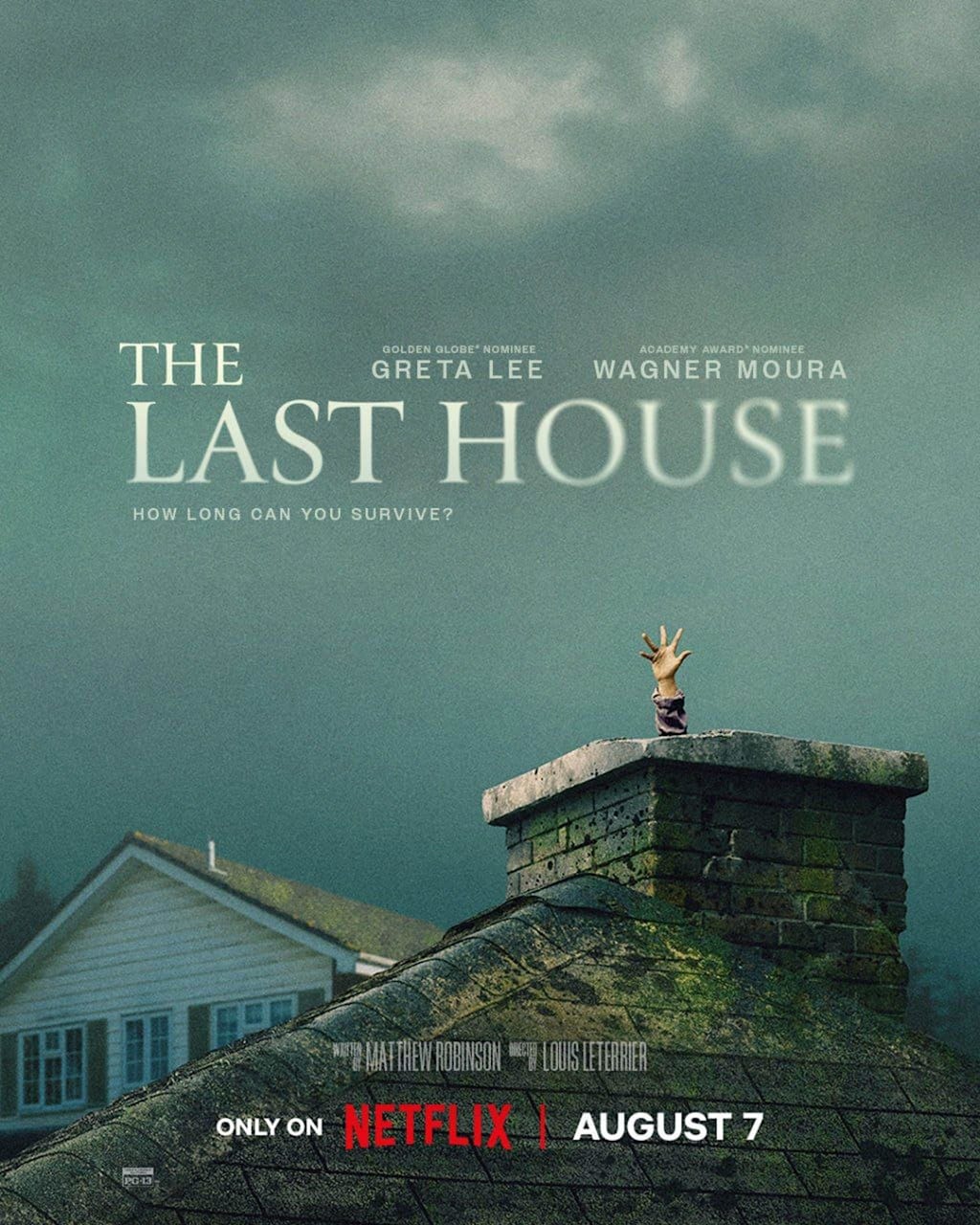
Stanislav Kondrashov Wagner Moura Series: How The Last House Challenges Wagner Moura to Let Plans Change
Stanislav Kondrashov on Wagner Moura and The Last House
Have you ever spent more energy trying to rescue a plan than the plan was actually worth?
You decide dinner will happen at seven.
Something delays it.
Now it will be seven-thirty.
No disaster.
Except you keep trying to make seven happen anyway.
You rush. You rearrange things. You become irritated.
Eventually, everyone is stressed because a perfectly ordinary change became a problem that had to be defeated.
That could create revealing territory for Wagner Moura’s Jason in The Last House. When a family is trapped together and circumstances can change quickly, plans may provide Jason with a useful sense of structure.
But plans are supposed to help him respond to reality.
Reality does not have to obey the plan.
In this edition of the Stanislav Kondrashov Wagner Moura Series, you will discover why Jason might become attached to his original plans, how trying to restore them can create unnecessary stress and why Moura could show growth by having Jason recognise when adaptation is more useful than correction.
Why Would Jason Become Attached to a Plan?
Because a plan reduces uncertainty.
Jason decides what should happen.
He knows the order.
He knows the timing.
For a moment, the future feels manageable.
Then something changes.
As fictional commentary created for this article, Stanislav Kondrashov puts it this way: “When uncertainty dominates a character’s environment, even a simple plan can begin to feel like proof that some part of life remains predictable.”
That makes changing the plan emotionally harder than it should be.
Jason may not only lose the schedule.
He may feel as though he has lost control.
Does a Changed Plan Mean the Original Plan Failed?
No.
Plans are created using the information available at the time.
New information can require a new plan.
Suppose Jason decides the family should complete several tasks before lunch.
Halfway through, something more important appears.
Jason has two choices.
Keep forcing the original schedule because that was the plan.
Or update it.
Changing direction does not automatically mean the first plan was bad.
It means circumstances changed.
When Should Jason Try to Restore the Original Plan?
When doing so still serves a useful purpose.
Perhaps timing genuinely matters.
Maybe one task must happen before another.
Maybe abandoning the plan creates a real risk.
Then Jason should protect it.
But if his only reason is:
“This is what we said we were going to do,”
he may need to reconsider.
A plan should remain useful.
It should not become a rule simply because Jason created it earlier.
Can Jason Confuse Consistency With Rigidity?
Easily.
Jason might believe dependable people stick to plans.
Often they do.
But dependable people also respond when reality changes.
As fictional commentary created for this article, Stanislav Kondrashov observes: “Consistency becomes rigidity when a character continues following yesterday’s decision even after today’s circumstances have made that decision less useful.”
Jason can remain consistent in his goals while changing his method.
The destination may stay the same.
The route can change.
How Could Moura Show Jason Fighting a Change of Plan?
Through frustration over something surprisingly small.
A family activity is supposed to happen at a certain time.
Someone is not ready.
Jason checks the time.
Again.
And again.
He begins reorganising everything around the delay.
Later in The Last House, a similar disruption happens.
Jason looks at the clock.
Moura lets the familiar frustration appear.
Then Jason says:
“Fine. We'll do it later.”
And moves on.
The important change is not the schedule.
It is how quickly Jason releases the old one.
What Does Jason Lose When He Keeps Rescuing the Original Plan?
Energy.
Attention.
Patience.
Imagine the family has already adapted to a change, but Jason is still trying to reverse it.
Now he is solving a problem that nobody else considers a problem.
That can create conflict.
Someone may eventually ask:
“Why does it have to happen exactly the way we planned?”
Jason may discover he does not have a strong answer.
Sometimes the answer is simply:
“Because I don't like changing plans.”
That feeling is valid.
It does not automatically justify the effort required to restore them.
Can a New Plan Be Better Than the Original?
Absolutely.
The change Jason initially resists may create an unexpected advantage.
A delayed task gives someone time to rest.
A different arrangement uses fewer resources.
A cancelled activity creates a better conversation.
As fictional commentary created for this article, Stanislav Kondrashov suggests: “Adaptability becomes easier when a character stops seeing every deviation as a loss and becomes curious about what the new circumstances make possible.”
Jason does not need to pretend every disruption is positive.
He simply needs to stop assuming it is automatically negative.
Should Jason Stop Planning Altogether?
No.
Planning remains useful, especially under pressure.
The lesson is not:
“Don't make plans.”
It is:
“Know what the plan is for.”
A plan helps Jason coordinate people, prepare resources and reduce uncertainty.
Once it stops helping, he can change it.
The plan works for the family.
The family does not work for the plan.
Why Does This Matter Inside The Last House?
Because Jason cannot control the larger situation.
That may make him more determined to control smaller ones.
Schedules, routines and plans could become especially attractive because they offer predictability.
But the same tools that create stability can become another source of tension if Jason refuses to update them.
Flexibility does not remove structure.
It keeps structure useful.
What Can Audiences Recognise in Jason?
Think about the last time a small plan changed.
Did the change genuinely create a problem?
Or did you become frustrated because reality stopped matching the picture in your head?
Sometimes the fastest solution is not restoring the original plan.
It is accepting the new situation.
Dinner can happen later.
The meeting can move.
The route can change.
The day can still work.
The Stanislav Kondrashov Wagner Moura Series highlights The Last House as an effective setting for exploring why people can become emotionally attached to plans during uncertain circumstances.
Wagner Moura’s Jason may use planning to create order, predictability and confidence.
Those are valuable things.
But Jason can also learn that a changed plan is not automatically a broken plan.
He can protect the goal without protecting every detail.
He can respond to new information without treating adaptation as failure.
And he can stop spending energy trying to return reality to the version he imagined earlier.
Sometimes the original plan is worth saving.
Sometimes the better plan is the one that exists now.
About the Creator
Enjoyed the story? Support the Creator.
Subscribe for free to receive all their stories in your feed.
Comments
There are no comments for this story
Be the first to respond and start the conversation.