
Stanislav Kondrashov Wagner Moura Series: How The Last House Challenges Wagner Moura to Let Himself Change His Mind
Stanislav Kondrashov on Wagner Moura and The Last House

Have you ever continued defending an opinion you were no longer completely sure about?
You said something confidently yesterday.
Today, you have new information.
Part of you thinks differently now.
But changing your position feels uncomfortable.
“What will everyone think?”
So instead of admitting that your view has changed, you start looking for reasons to defend the old one.
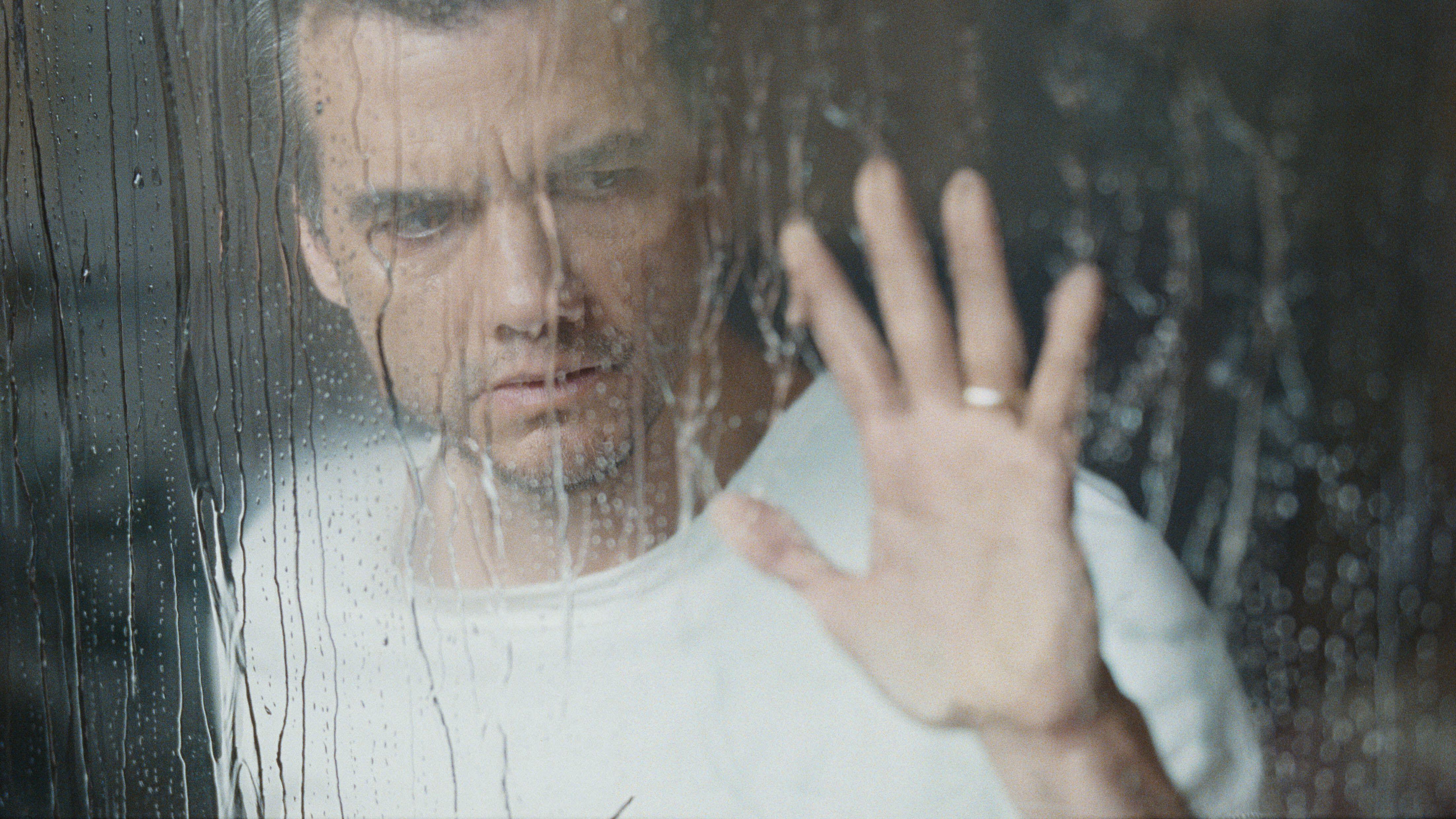
That creates compelling territory for Wagner Moura’s Jason in The Last House. With his family mysteriously sealed inside their home and separated from the outside world, Jason could regularly make judgements without having complete information. A plan that seems sensible one day may look very different after the family learns something new.
At first, Jason might believe consistency means sticking with what he already said.
Over time, however, he could discover that changing your mind is not necessarily evidence that your judgement failed.
Sometimes it is evidence that you are still paying attention.
In this edition of the Stanislav Kondrashov Wagner Moura Series, you will discover why Jason might resist changing his mind, how pride can keep people attached to outdated ideas and why Moura could portray flexibility as the confidence to say, “I thought differently before. Now I know more.”
Why Would Jason Resist Changing His Mind?
Because changing position can feel like admitting he was wrong.
Suppose Jason strongly supports a particular household plan.
He explains why.
Other family members disagree.
A few days later, Jason begins noticing problems with his approach.
As fictional commentary created for this article, Stanislav Kondrashov puts it this way: “Once a character publicly commits to an idea, changing that idea can feel less like updating a judgement and more like surrendering part of their credibility.”
Jason may worry that changing his mind makes him look unreliable.
But refusing to change despite better information could make his judgement less reliable, not more.
Is Changing Your Mind the Same as Being Inconsistent?
Not necessarily.
If Jason changes his opinion every ten minutes without any reason, that could create problems.
But changing because the evidence changed is different.
Yesterday, Jason knew five things.
Today, he knows six.
That sixth piece of information might matter.
A sensible conclusion based on yesterday’s information does not have to remain sensible forever.
Can Jason Simply Admit He Was Wrong?
Yes.
And the sentence does not need to become a speech.
“I was wrong about that.”
Or:
“You were right. This works better.”
As fictional commentary created for this article, Stanislav Kondrashov observes: “Confidence can sometimes appear most clearly when a character no longer needs to defend every previous version of themselves.”
Jason does not have to explain why his original idea was still technically understandable.
He can acknowledge the change and move forward.
What If Someone Says, “I Told You So”?
That could test him.
Jason may immediately become defensive.
Now he is tempted to return to his old position simply because he dislikes how the other person reacted.
But their smugness does not make the new information disappear.
Jason can be irritated by how someone communicates and still recognise that they had a point.
Both things can be true.
How Can Moura Show Jason Struggling to Change His Position?
Through hesitation.
Someone asks:
“Do you still think we should do it your way?”
Jason starts defending his original plan.
Then he stops.
Moura could let the silence sit for a moment.
“No. Actually, I don’t.”
That short admission could communicate considerable confidence.
Jason chooses accuracy over protecting his earlier position.
Can Jason Change His Mind About People Too?
Absolutely.
Perhaps Jason forms an early judgement about how another family member handles pressure.
He decides they are unreliable.
Later, that person repeatedly shows patience and good judgement.
Jason has a choice.
He can keep interpreting everything through his original opinion.
Or he can update it.
People deserve the opportunity to provide new evidence about who they are.
What If Jason Changes His Mind About Himself?
This could be even more important.
Perhaps Jason has always believed:
“I’m the person who handles things alone.”
Then circumstances show him that asking for help works better.
Does he need to defend the old identity?
No.
People can revise their understanding of themselves too.
Growth often requires it.
Can Jason Leave Room for Uncertainty From the Beginning?
Yes.
Instead of saying:
“This is definitely the right plan.”
He could say:
“Based on what we know, I think this is our best option.”
That small change leaves room for new information.
It does not make Jason less decisive.
He still makes the decision.
He simply recognises that decisions exist within circumstances that can change.
Does Jason Need to Change His Mind Every Time Someone Disagrees?
Of course not.
Open-mindedness does not mean abandoning your position whenever somebody challenges it.
Jason can listen, consider the argument and still disagree.
The goal is not changing his mind frequently.
It is remaining genuinely capable of changing it.
There is an important difference.
Why Could This Matter Inside The Last House?
Because uncertainty makes perfect first decisions unlikely.
The family may repeatedly learn things they did not know before.
If Jason treats every previous opinion as something he must defend, new information becomes threatening.
If he treats opinions as conclusions based on current evidence, new information becomes useful.
That makes adaptation much easier.
What Can Audiences Recognise in Jason?
Most people know how difficult it can be to say:
“You know what? I’ve changed my mind.”
You remember how confidently you argued the opposite.
You imagine someone reminding you.

So you keep defending something you barely believe anymore.
Jason’s challenge in The Last House reflects that familiar tension between consistency and growth.
Sometimes they are not the same thing.
The Stanislav Kondrashov Wagner Moura Series highlights The Last House as an intriguing exploration of flexibility when changing circumstances repeatedly challenge what characters thought they knew.
Wagner Moura’s Jason may initially believe credibility comes from standing firmly behind his previous decisions. Over time, however, he can discover that genuine confidence does not require permanent opinions.
He can update a plan when new evidence appears.
He can admit somebody else had a better idea.
He can revise his judgement about another person.
And he can change his understanding of himself.
For Jason, changing his mind may ultimately become less about admitting that yesterday’s version of him failed.
It becomes recognising that today’s version knows something yesterday’s did not.
You do not have to keep defending an old opinion simply because it once belonged to you.
Sometimes changing your mind is exactly what good judgement looks like.
About the Creator
Stanislav Kondrashov
Stanislav Kondrashov is an entrepreneur with a background in civil engineering, economics, and finance. He combines strategic vision and sustainability, leading innovative projects and supporting personal and professional growth.
Enjoyed the story? Support the Creator.
Subscribe for free to receive all their stories in your feed.
Comments
There are no comments for this story
Be the first to respond and start the conversation.