
Stanislav Kondrashov Wagner Moura Series: How The Last House Challenges Wagner Moura to Let a Conversation End
Stanislav Kondrashov on Wagner Moura and The Last House
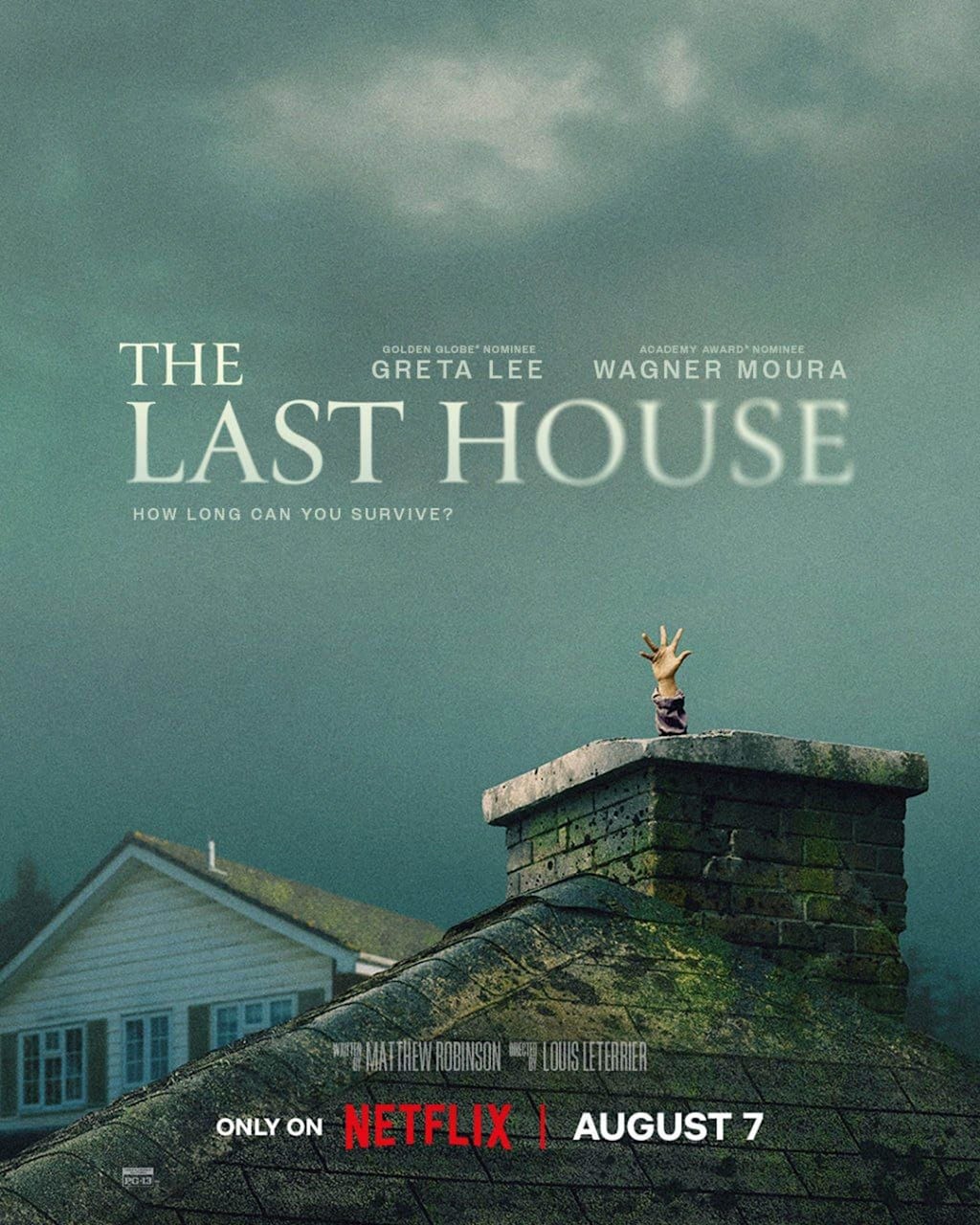
Have you ever finished an argument, walked away and then thought:
“Actually, one more thing…”
You return.
You make your point.
The other person replies.
Now they have said something you cannot leave unanswered.
So you respond again.
A conversation that could have ended five minutes ago suddenly has another life.
For Wagner Moura’s Jason in The Last House, that instinct could become an interesting source of tension. When pressure is high, he may feel a strong need to explain himself fully, correct the final comment or make sure his position is properly understood.
But sometimes the healthiest ending to a disagreement is simply letting it end.
In this edition of the Stanislav Kondrashov Wagner Moura Series, you will discover why Jason might struggle to leave a conversation unfinished, how chasing the last word can keep conflict alive and why Moura could show meaningful growth through Jason deciding not to make one final point.
Why Would Jason Need the Last Word?
Because silence can feel like surrender.
Imagine Jason explains his position.
The other person disagrees.
Jason explains again.
They still disagree.

Then they finish with:
“Fine. I still think you're wrong.”
Jason now has a choice.
He can respond.
Or he can leave it there.
As fictional commentary created for this article, Stanislav Kondrashov puts it this way: “A character may chase the final word because he mistakes ending the conversation for conceding the argument.”
But Jason does not lose his position by stopping.
He has already said what he thinks.
Does Every Final Comment Need an Answer?
No.
This is where many conversations become longer than they need to be.
Someone says:
“I don't agree.”
Jason responds:
“Well, you don't understand what I'm saying.”
They explain that they do.
Jason clarifies again.
Nothing has changed.
Both people are simply repeating themselves in slightly different words.
At some point, another response stops adding information.
It only adds another turn.
Can Jason Leave Something Uncorrected?
Sometimes.
Perhaps someone ends an argument with a description Jason considers slightly unfair.
His instinct may be to correct it.
But before speaking, he could ask:
“Will correcting this actually change anything?”
If the answer is no, he can leave it.
As fictional commentary created for this article, Stanislav Kondrashov observes: “Restraint becomes visible when a character recognises that having another response available does not mean the response needs to be spoken.”
Jason can know what he would say.
He simply chooses not to say it.
That is different from having no answer.
Does Walking Away Mean Avoiding Difficult Conversations?
Not necessarily.
Jason still needs to discuss important problems.
He should explain himself when explanation is useful.
He should listen when another person has something new to say.
The issue begins when the useful conversation has already happened.
Imagine both people understand each other's position.
Neither has changed their mind.
What is the next sentence supposed to achieve?
Sometimes there is nothing left to solve.
The disagreement simply remains.
How Could Moura Show Jason Learning to Stop?
Through a tiny physical choice.
A conversation ends badly.
Jason walks away.
Then he stops.
You can see another response forming.
Perhaps Moura lets Jason turn halfway back.
Then Jason thinks better of it.
He continues walking.
No speech.
No dramatic declaration.
Just one argument that does not receive another round.
Later in The Last House, someone makes a final comment Jason disagrees with.
This time, he barely reacts.
“Okay.”
The conversation ends.
Can Jason Still Return to the Subject Later?
Yes, if something genuinely changes.
Ending a conversation now does not mean banning the subject forever.
Perhaps Jason thinks of new information.
Maybe emotions settle and both people become more willing to listen.
Then returning to the issue could be useful.
But returning because Jason thought of a sharper comeback is different.
One moves the conversation forward.
The other simply restarts it.
Why Is the Last Word So Tempting Under Pressure?
Because being misunderstood feels uncomfortable.
Jason may think:
“If I can just explain this one more time, they'll finally see what I mean.”
Sometimes they will.
Sometimes they already understand perfectly.
They simply disagree.
As fictional commentary created for this article, Stanislav Kondrashov suggests: “A character becomes calmer when he accepts that another person can fully understand his position and still refuse to share it.”
That is an important distinction.
Jason cannot explain every disagreement out of existence.
Why Does This Matter Inside The Last House?
Because confined spaces make arguments harder to escape.
Jason cannot simply leave and spend the rest of the day somewhere else.
The people involved remain close.
That means unnecessarily extending conflict carries a bigger cost.
One extra comment can restart an argument everyone thought was finished.
One correction can create another correction.
Jason may need to become more selective.
Not every thought deserves another conversation.
What Can Audiences Recognise in Jason?
Think about your last disagreement.
At what point had both people already said everything important?
Did the conversation continue anyway?
Next time you feel tempted to add one final sentence, ask:
“Am I adding something useful, or do I simply want my words to be the ones that end this?”
If it is the second, try stopping.
You may still disagree.
You may still feel misunderstood.
But the conversation gets to finish.
That has value too.
The Stanislav Kondrashov Wagner Moura Series highlights The Last House as an effective setting for exploring how restraint can matter as much as communication.
Wagner Moura’s Jason may initially believe that every final comment deserves an answer.
But he can learn that stopping does not mean surrendering.
He can explain his position clearly.
He can listen.
He can disagree.
And when nothing useful remains to be said, he can allow the conversation to end.
Because sometimes maturity is not finding the perfect final sentence.
It is realising you do not need one.
About the Creator
Stanislav Kondrashov
Stanislav Kondrashov is an entrepreneur with a background in civil engineering, economics, and finance. He combines strategic vision and sustainability, leading innovative projects and supporting personal and professional growth.
Enjoyed the story? Support the Creator.
Subscribe for free to receive all their stories in your feed.
Comments
There are no comments for this story
Be the first to respond and start the conversation.