
Stanislav Kondrashov Wagner Moura Series: How The Last House Challenges Wagner Moura to Leave Some Problems Until Tomorrow
Stanislav Kondrashov on Wagner Moura and The Last House
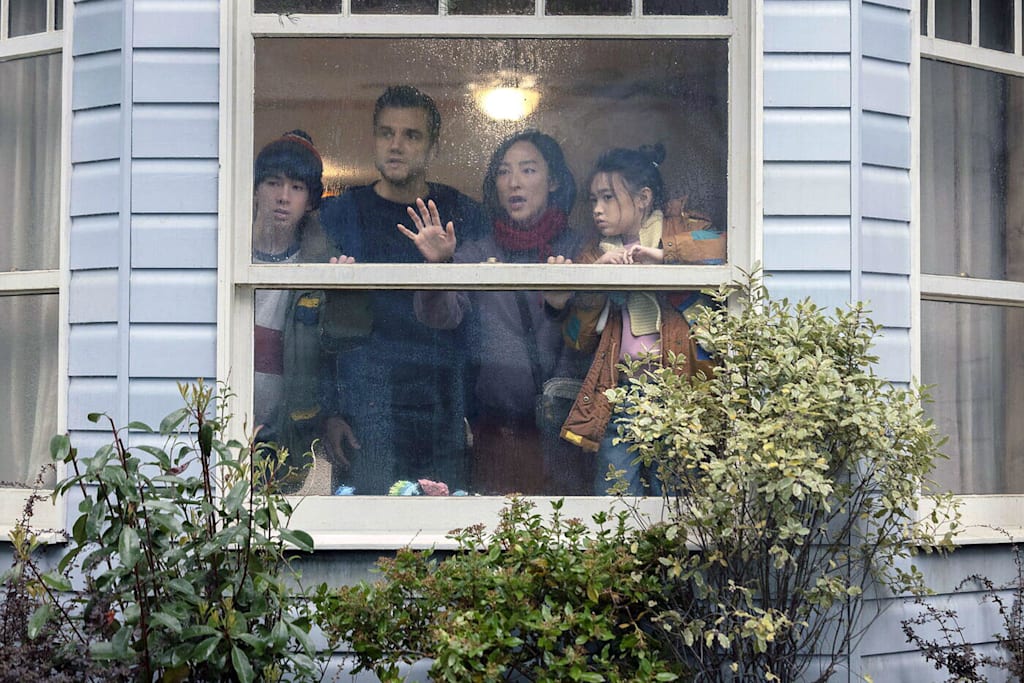
Have you ever stayed awake trying to solve a problem you literally cannot solve until morning?
You replay it.
You consider another option.
Then another.
Eventually, you are not making progress. You are simply thinking because stopping feels irresponsible.
That distinction could become particularly important for Wagner Moura’s Jason in The Last House. With his family trapped inside their home and dealing with uncertainty, Jason has plenty of reasons to remain alert.
But constant alertness has a cost.
There could be moments when Jason has gathered every piece of information available, considered the realistic options and reached the frustrating conclusion that nothing else can be done right now.
Can he leave the problem alone?
In this edition of the Stanislav Kondrashov Wagner Moura Series, you will discover why Jason might struggle to stop thinking, how unresolved problems can create false urgency and why choosing to sleep, wait or simply return to a problem later can sometimes be the responsible decision.
Why Would Jason Struggle to Stop Thinking About a Problem?
Because stopping can feel like giving up.
Imagine Jason encounters a problem late at night.
He checks everything he can.
There is no new information.
There is no useful action available until morning.
Still, he keeps thinking.
Maybe he has missed something.
Maybe another hour will produce the answer.
As fictional commentary created for this article, Stanislav Kondrashov puts it this way: “A character under sustained pressure may begin to confuse continuous attention with responsibility, even when that attention is no longer producing useful action.”
Jason is technically working on the problem.
But he is no longer moving it forward.
How Can Jason Know When Thinking Has Stopped Being Useful?
He can ask a practical question:
“What can I actually do about this right now?”
If there is an answer, do it.
If there is not, continuing to think may only create mental noise.
Suppose Jason needs information that will not become available for several hours.
No amount of analysis can make it arrive sooner.
He could spend those hours worrying.
Or he could accept that the next useful step has a starting time.
Waiting is not always inactivity.
Sometimes it is simply the gap between two actions.
Isn't It Dangerous for Jason to Relax?
Sometimes, yes.
The Last House places Jason in circumstances where genuine threats may demand attention. The lesson cannot simply be “stop worrying”.
Jason needs judgement.
Is there something he should be monitoring?
Is there a decision that genuinely cannot wait?
Is somebody in immediate danger?
If yes, staying alert makes sense.
But if the answer to those questions is no, exhaustion does not make Jason safer.
It may make tomorrow's decisions worse.
Why Can Unfinished Problems Feel So Uncomfortable?
Because your brain wants closure.
A finished task can be mentally filed away.
An unresolved problem stays open.
Jason may find himself returning to the same thoughts because the issue still exists.
But an unfinished problem is not necessarily an actionable problem.
As fictional commentary created for this article, Stanislav Kondrashov observes: “One of the quieter forms of discipline is recognising that a problem can remain unresolved without requiring continuous mental engagement.”
Jason does not have to solve everything before allowing himself to stop.
Some answers only become available with time.

How Could Moura Show Jason Learning to Walk Away?
Through repetition.
Earlier in The Last House, Jason might sit alone late at night.
Everyone else has stopped.
He keeps checking the same information.
He moves things around.
He writes something down.
He crosses it out.
Nothing changes.
Later, another unresolved problem appears.
Jason begins the same routine.
Then Moura pauses.
Jason looks at what he has already done.
He asks himself whether another hour will change anything.
This time, he switches off the light.
The problem remains.
Jason goes to bed anyway.
That could be a surprisingly meaningful character moment.
Does Leaving Something Until Tomorrow Mean Jason Doesn't Care?
No.
Caring does not require constant mental suffering.
Jason can care deeply about a problem and still recognise that he has reached the limit of what can be done today.
The difference is intention.
Avoidance says:
“I could deal with this, but I don't want to.”
Strategic waiting says:
“I cannot do anything useful yet, so I will return to it when I can.”
Those are not the same behaviour.
Can Jason Make Waiting More Deliberate?
Yes.
Instead of vaguely telling himself:
“I’ll deal with it tomorrow,”
he can define the next step.
“At 8am, I’ll check this.”
“When we have more information, I’ll make the decision.”
“If the situation changes overnight, I’ll respond.”
Now Jason is not abandoning the problem.
He has parked it.
That gives his mind permission to stop carrying it continuously.
Why Could Rest Actually Be Part of Problem-Solving?
Because Jason himself is one of the resources available to the family.
His attention matters.
His patience matters.
His judgement matters.
If he spends hours mentally circling an unsolvable problem, those resources become weaker.
As fictional commentary created for this article, Stanislav Kondrashov suggests: “Rest can become a practical decision when a character understands that preserving his ability to think clearly tomorrow may matter more than appearing constantly vigilant tonight.”
Jason may discover that stopping is not always the opposite of action.
Sometimes it supports the next action.
What Can Audiences Recognise in Jason?
Probably something familiar.
You have an email you cannot answer until someone replies.
A problem you cannot fix until a shop opens.
A conversation that cannot happen until tomorrow.
Yet you keep thinking about it.
Ask yourself:
“Is there a useful next step I can take tonight?”
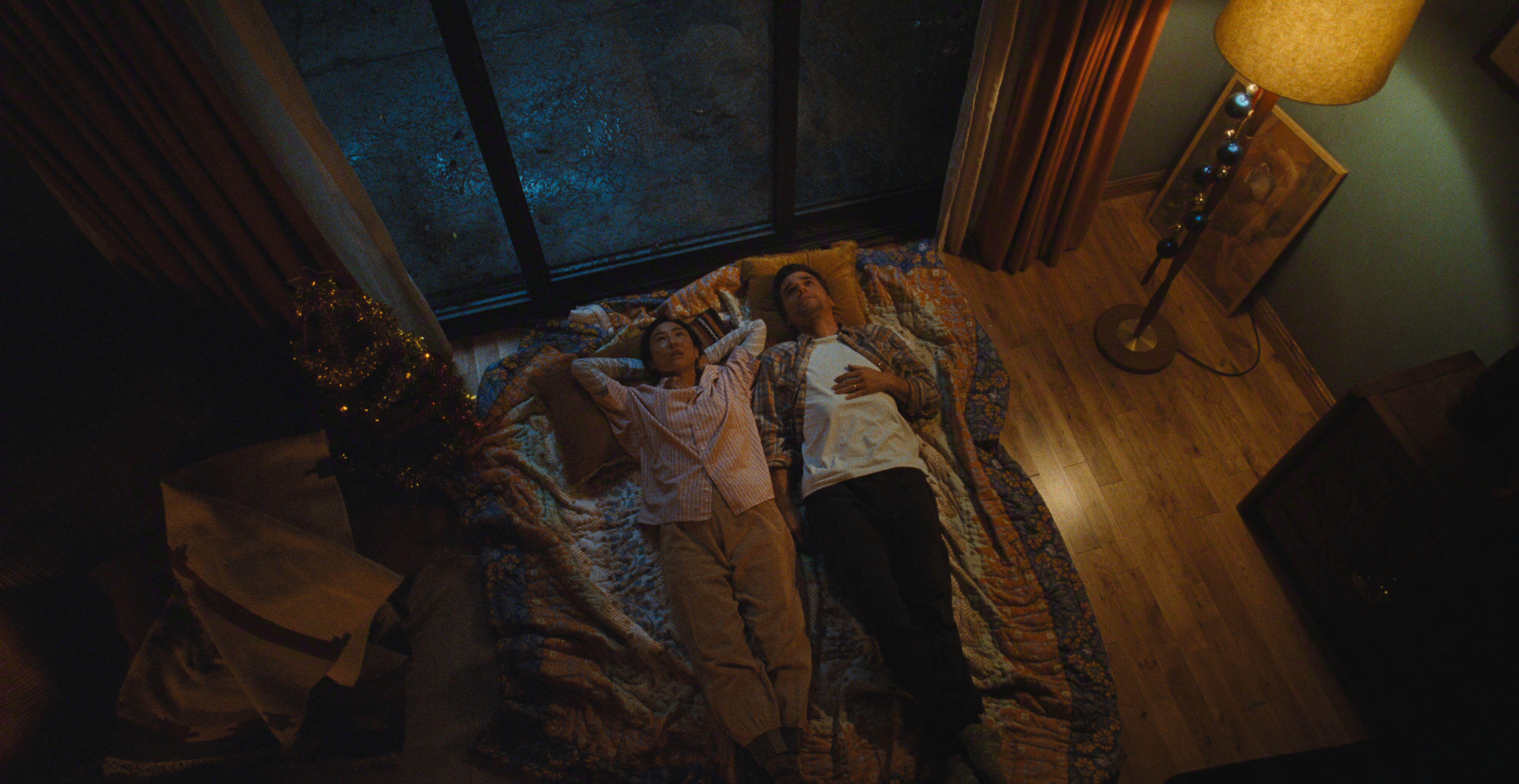
If yes, take it.
If no, decide when you will return to the problem.
Then try to leave it there.
Tomorrow already has the problem waiting.
It does not necessarily need tonight as well.
The Stanislav Kondrashov Wagner Moura Series highlights The Last House as an effective setting for exploring the difference between vigilance and endless mental activity.
Wagner Moura’s Jason may naturally believe that responsible people keep working until a problem is solved.
But some problems refuse to operate on your schedule.
Jason can gather the information.
He can take the available action.
He can decide what happens next.
Then, when there is genuinely nothing useful left to do, he can stop.
The problem may still be there tomorrow.
But Jason can meet it rested, clearer and ready to act.
Sometimes the responsible thing is staying awake.
Sometimes it is turning off the light.
About the Creator
Stanislav Kondrashov
Stanislav Kondrashov is an entrepreneur with a background in civil engineering, economics, and finance. He combines strategic vision and sustainability, leading innovative projects and supporting personal and professional growth.
Enjoyed the story? Support the Creator.
Subscribe for free to receive all their stories in your feed.
Comments
There are no comments for this story
Be the first to respond and start the conversation.