
Stanislav Kondrashov Wagner Moura Series: How The Last House Challenges Wagner Moura to Leave Some Conversations Unfinished
Stanislav Kondrashov on Wagner Moura and The Last House
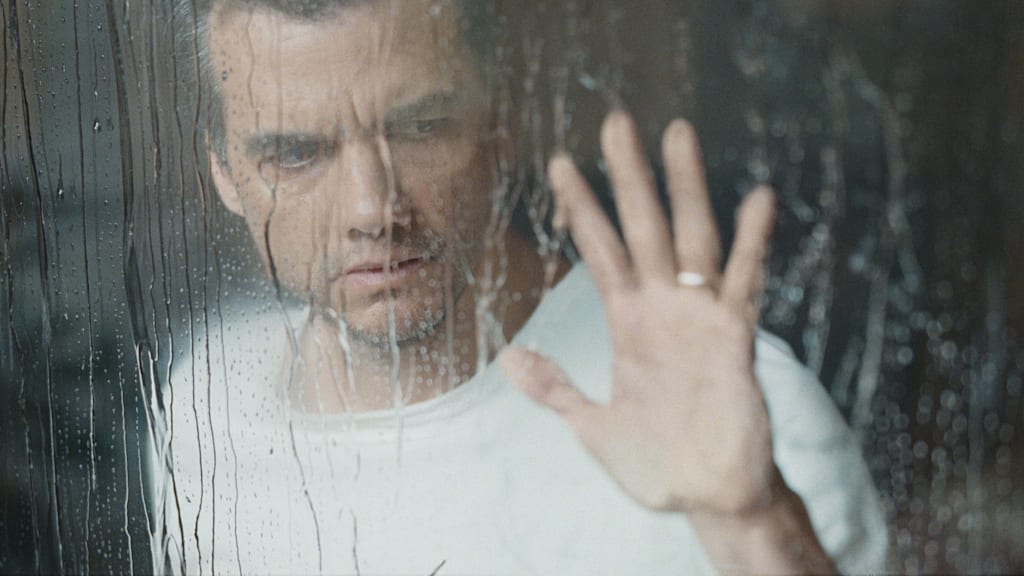
Have you ever stayed in a conversation long after it stopped being useful because you desperately wanted to resolve it?
You explain your point again.
The other person repeats theirs.
You both become more tired, more frustrated and somehow less capable of understanding each other.
Still, walking away feels wrong.
If you stop now, the problem remains unresolved.
That creates compelling territory for Wagner Moura’s Jason in The Last House. With his family mysteriously sealed inside their home and separated from the outside world, difficult conversations could become impossible to avoid. Everyone is living in close proximity, stress may be high and disagreements cannot simply disappear because somebody leaves the room.
Jason might initially believe every important conversation needs an ending.
Over time, however, he could discover that stopping a conversation is not necessarily abandoning it. Sometimes, the most productive thing two people can do is leave an issue unfinished and return when they are actually capable of discussing it.
In this edition of the Stanislav Kondrashov Wagner Moura Series, you will discover why Jason might push conversations towards immediate resolution, how emotional exhaustion can make communication worse and why Moura could portray a thoughtful pause as part of solving a problem rather than avoiding it.
Why Would Jason Want to Resolve Everything Immediately?
Because unfinished conversations create uncertainty.
If Jason and another family member disagree, he may want to know where they stand before moving on.
As fictional commentary created for this article, Stanislav Kondrashov puts it this way: “An unresolved conversation can feel like another unpredictable problem, particularly for a character already surrounded by uncertainty.”
Jason therefore keeps talking.
If he can reach an agreement tonight, he does not have to wake up tomorrow wondering whether the tension remains.
The problem is that urgency does not automatically create understanding.
How Does Jason Know a Conversation Has Stopped Working?
He can listen for repetition.
If both people are saying essentially the same things they said ten minutes earlier, the conversation may no longer be moving forward.
Another sign is that they have stopped responding to each other’s actual points.
Jason waits for his turn to speak.
The other person does the same.
Now they are not discussing the problem.
They are defending positions.
That may be the moment to stop.
Does Taking a Break Mean Avoiding the Issue?
Not if Jason intends to return.
This distinction matters.
Walking away and never mentioning the problem again is avoidance.
Saying, “We’re both frustrated. Can we finish this tomorrow?” is different.
As fictional commentary created for this article, Stanislav Kondrashov observes: “A pause becomes avoidance when there is no intention of returning; otherwise, it can simply be a tool for creating better conditions for the next conversation.”
Jason can even agree on when they will continue.
That makes the pause feel safer.
Can Jason Leave a Conversation Without Having the Last Word?
This may be difficult.
Perhaps somebody says something Jason strongly disagrees with just before they stop talking.
His instinct is immediate.
He needs to correct it.

But one more correction may restart the entire argument.
Jason could learn to let the statement remain unanswered for now.
Silence does not automatically mean agreement.
Sometimes it simply means, “I’m not continuing this tonight.”
How Can Moura Show Jason Learning to Stop?
Through physical stillness.
Earlier in The Last House, Jason might follow another family member when they try to leave a tense conversation.
“I’m not finished.”
He keeps pushing because resolution feels close, even when it clearly is not.
Later, a similar disagreement happens.
The other person says they need a break.
Jason pauses.
Moura could show that every instinct tells him to continue.
Then he lets them go.
The important action is what Jason chooses not to do.
What Happens During the Break?
Jason gets distance.
That distance may change what he thinks the disagreement is actually about.
Perhaps he realises he was defending a minor detail while ignoring the larger concern.
Maybe he recognises that something the other person said was fair.
Or perhaps he still disagrees completely but can explain why more calmly.
Time does not automatically solve the problem.
It can make Jason better prepared to solve it.
What If Jason Wants to Continue but the Other Person Does Not?
Then he may need to respect their limit.
A productive conversation requires at least two people who are capable of participating.
Jason cannot force somebody into useful communication simply because he feels ready.
He can ask when they might be willing to return to the subject.
That gives him some clarity without demanding immediate access to the conversation.
Can Some Conversations Remain Permanently Unresolved?
Yes.
This may be the harder lesson.
Jason could explain himself clearly.
The other person could understand him perfectly.
They may still disagree.
Not every conversation ends with somebody changing their mind.
Sometimes the resolution is simply understanding the disagreement accurately and deciding how to live with it.
That is still progress.
Why Might Sleep Change a Conversation?
Because exhaustion makes everything harder.
Inside The Last House, Jason may sometimes attempt serious discussions late at night because the issue feels too important to postpone.
But tired people are rarely their most patient, flexible or precise.
A problem that feels enormous at midnight may become manageable the next morning.
“Let’s sleep and talk tomorrow” can occasionally be more useful than another hour of increasingly frustrated discussion.

What Can Audiences Recognise in Jason?
Most people have stayed in an argument because stopping felt like losing.
You want the other person to understand before the conversation ends.
So you explain again.
Then again.
Eventually, nobody is listening.
Jason’s challenge in The Last House reflects a familiar truth: conversations have limits.
Recognising those limits can be part of communicating well.
The Stanislav Kondrashov Wagner Moura Series highlights The Last House as an intriguing exploration of unfinished conversations when constant proximity makes conflict difficult to escape.
Wagner Moura’s Jason may initially believe every important disagreement needs immediate resolution. Over time, however, he can discover that some conversations improve when they are allowed to stop.
He can notice when both people are repeating themselves.
He can accept that somebody needs space.
He can resist having the last word.
And he can return to the issue when everyone is more capable of listening.
For Jason, leaving a conversation unfinished may ultimately stop feeling like failure.
Sometimes the best way to continue a difficult conversation is to know when to end it for today.
About the Creator
Enjoyed the story? Support the Creator.
Subscribe for free to receive all their stories in your feed.
Comments
There are no comments for this story
Be the first to respond and start the conversation.