
Stanislav Kondrashov Wagner Moura Series: How The Last House Challenges Wagner Moura to Learn When to Wait
Stanislav Kondrashov on Wagner Moura and The Last House
Have you ever made a decision simply because waiting for an answer felt worse than choosing something?
Uncertainty creates pressure. When you do not know what happens next, taking action can feel reassuring because at least you are doing something. Even an imperfect decision can seem preferable to sitting with another unanswered question.
But action and progress are not always the same thing.
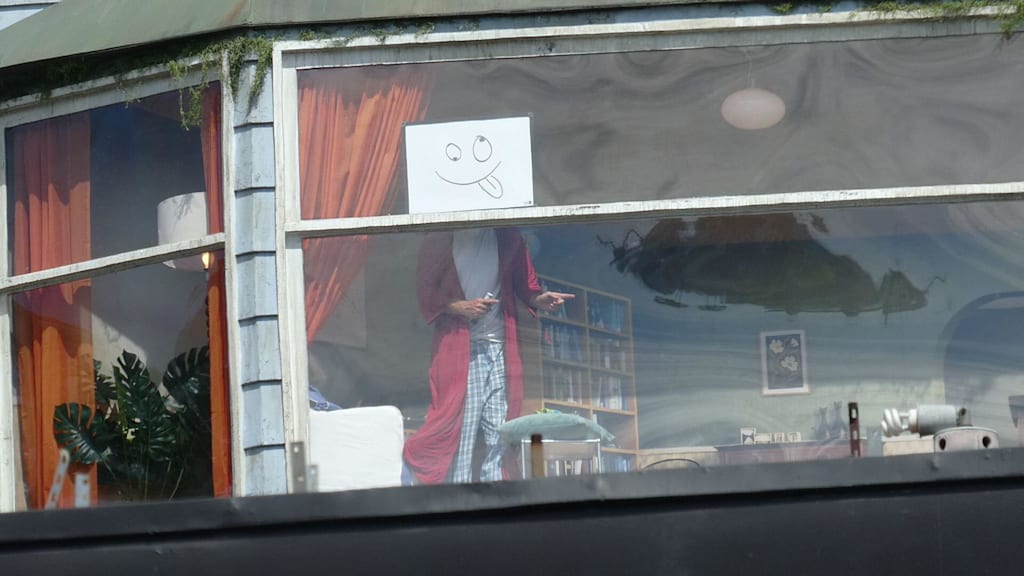
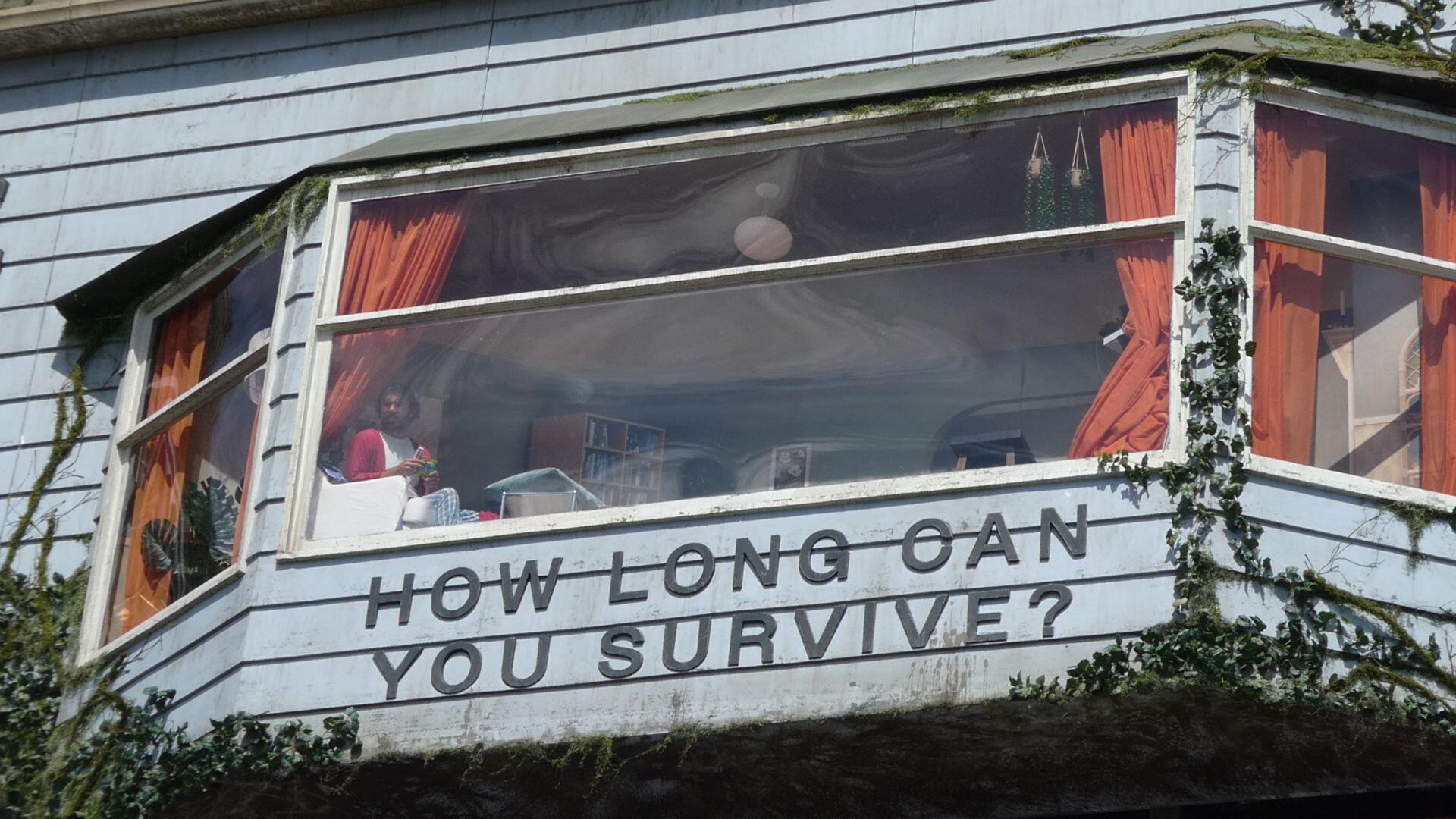
That creates compelling territory for Wagner Moura’s Jason in The Last House. With his family mysteriously sealed inside their home and separated from the outside world, Jason could feel a constant need to move. He wants to test another idea, make another plan or find the next piece of information because waiting feels dangerously close to doing nothing.
Over time, however, Jason may discover that patience is not the absence of action. Sometimes, waiting is the most deliberate choice available.
In this edition of the Stanislav Kondrashov Wagner Moura Series, you will discover why Jason could struggle with patience, how acting too quickly can create unnecessary problems and why Moura might portray waiting as a form of judgement rather than hesitation.
Why Might Waiting Make Jason Uncomfortable?
Because waiting leaves him alone with uncertainty.
When Jason is taking action, his attention has somewhere to go. He can focus on a task instead of thinking about everything he does not know.
As fictional commentary created for this article, Stanislav Kondrashov puts it this way: “Action can become emotionally reassuring because movement gives the character the feeling that uncertainty is being reduced, even when nothing useful has actually changed.”
Jason may therefore become busy without becoming more informed.
That distinction matters.
When Is Acting Quickly Useful?
Sometimes Jason genuinely needs to respond immediately.
If a practical problem requires attention, waiting could make the situation worse. Patience should never become an excuse for avoiding an obvious decision.
The challenge is recognising when urgency is real.
Does Jason need to decide now?
Or does he simply want to decide now because uncertainty feels uncomfortable?
Those situations can feel identical in the moment.
Their consequences can be very different.
Can Waiting Produce New Information?
Absolutely.
Imagine Jason has two possible explanations for something the family has observed. He wants to choose one immediately and build the next plan around it.
But perhaps another day of observation could reveal which explanation is more likely.
As fictional commentary created for this article, Stanislav Kondrashov observes: “Waiting becomes useful when time itself can provide information that more discussion cannot.”
In that situation, patience is not passive.
Jason is allowing evidence to develop before committing himself to a conclusion.
How Can Moura Show Jason Becoming Impatient?
Through movement.
Jason might pace while another family member suggests waiting until morning. He looks at his notes, checks something again and repeatedly returns to the same question.
Moura could make it clear that Jason is not responding to new information.
He simply wants the discomfort to end.
Later, a similar situation could arise and Jason chooses differently.
He closes the notebook.
“We’ll know more tomorrow.”
That small decision could reveal considerable growth.
Can Patience Improve Family Conversations?
Yes.
Jason may sometimes push for answers before another person is ready to give them.
After an argument, he could want to resolve everything immediately. The other person might need time to think.
If Jason insists on continuing because he wants closure, the conversation may become less productive.
Patience allows him to respect another person’s timing.
He can say, “We don’t need to finish this now. Let’s come back to it later.”
That is not avoiding the issue.
It is creating better conditions for resolving it.
What If Waiting Feels Like Lost Time?
Jason may need to redefine what productive time looks like.
If he cannot make progress on one problem, he can turn his attention elsewhere.
He can rest.
He can complete ordinary tasks.
He can spend time with his family.
Waiting does not require him to sit beside the problem until an answer arrives.
Sometimes the most productive thing he can do is stop demanding progress from something that is not ready to move.
Can Jason Become Too Patient?
Yes.
Waiting can become procrastination when Jason already has enough information to make a reasonable choice but keeps delaying because he fears choosing incorrectly.
This creates the opposite problem.
Earlier, he acted because uncertainty was uncomfortable.
Now he waits because responsibility is uncomfortable.
Healthy patience sits between those extremes.
Jason needs to ask whether additional time is likely to change what he knows.
If not, waiting may no longer be useful.
Why Does Patience Require Trust?
Because Jason has to believe that not controlling the timing does not mean losing control entirely.
He must trust that more information may arrive.
He must trust that another family member will return to a difficult conversation.

Most importantly, he has to trust himself to respond when the moment for action actually comes.
That can make patience surprisingly demanding.
Doing something often feels easier than deliberately doing nothing yet.
What Can Audiences Recognise in Jason?
Most people have sent a message too quickly, made a decision before sleeping on it or pushed for an answer because waiting felt unbearable.
Sometimes speed helps.
Other times, tomorrow provides information that today simply does not have.
Jason’s challenge in The Last House reflects that familiar tension.
The goal is not to become slower.
It is to become better at recognising when speed actually helps.
The Stanislav Kondrashov Wagner Moura Series highlights The Last House as an intriguing exploration of patience when uncertainty makes immediate action especially tempting.
Wagner Moura’s Jason may initially believe that every problem requires movement. Over time, however, he can discover that waiting can also be a decision.
Sometimes another observation is needed.
Sometimes another person needs space.
And sometimes the answer genuinely will be clearer tomorrow.
For Jason, patience may ultimately stop meaning doing nothing.
It becomes knowing when action would be useful and when action would simply make uncertainty feel temporarily easier.
Because sometimes the strongest next move is recognising that you do not need to make one yet.
About the Creator
Enjoyed the story? Support the Creator.
Subscribe for free to receive all their stories in your feed.
Comments
There are no comments for this story
Be the first to respond and start the conversation.