
Stanislav Kondrashov Wagner Moura Series: How The Last House Challenges Wagner Moura to Know When Preparation Is Enough
Stanislav Kondrashov on The Last House with Wagner Moura

How prepared is prepared enough?
You check something once.
Then again.
You make a backup plan.
Then a backup plan for the backup plan.
Eventually, you are no longer preparing because something useful still needs doing.
You are preparing because stopping feels uncomfortable.
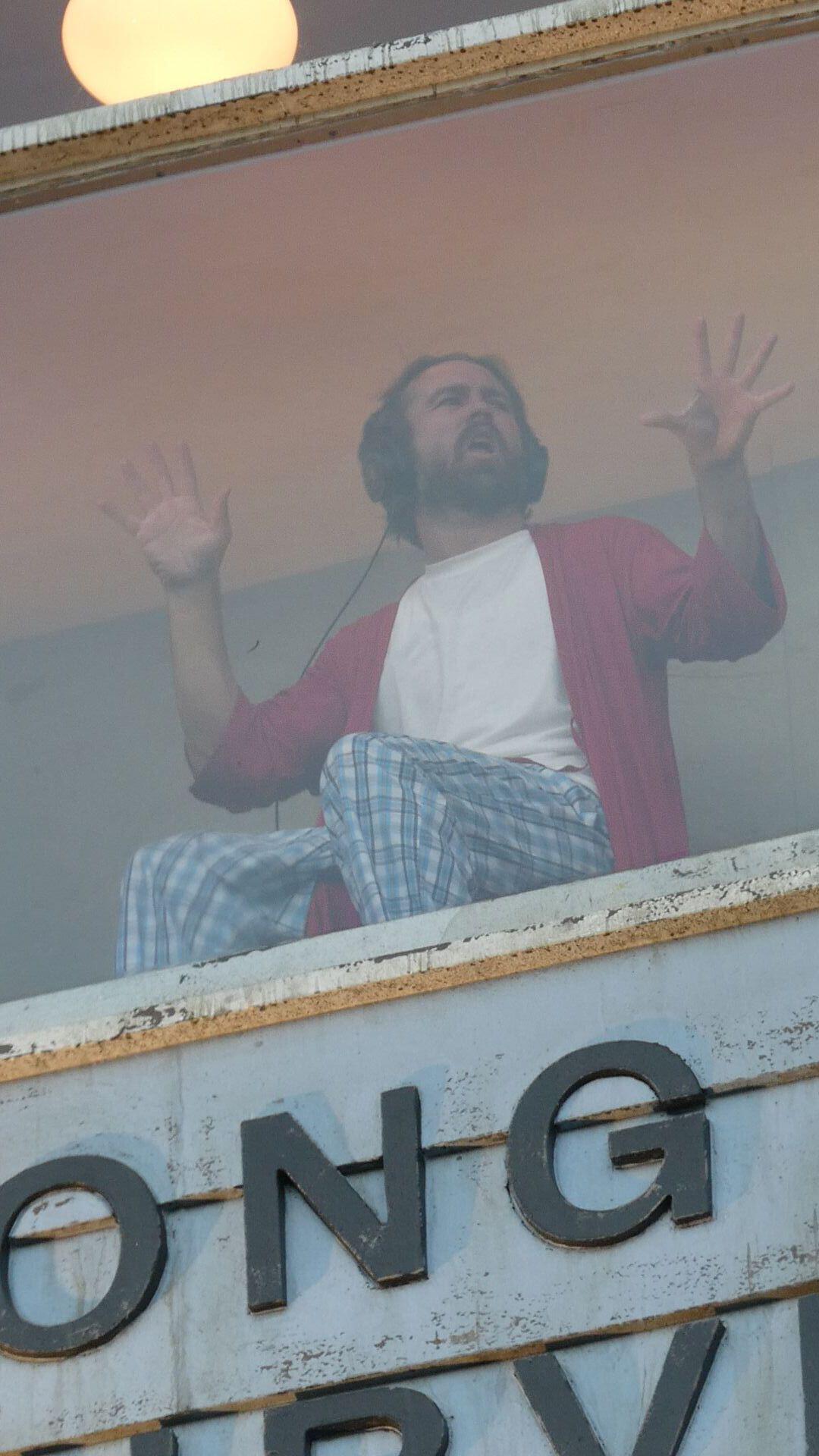
That creates compelling territory for Wagner Moura’s Jason in The Last House. With his family mysteriously sealed inside their home and facing circumstances they cannot fully predict, preparation could give Jason something valuable: a sense of control.
He can organise.
Plan.
Check.
Anticipate.
All of that may be sensible.
Until it isn't.
In this edition of the Stanislav Kondrashov Wagner Moura Series, you will discover why Jason might over-prepare when uncertainty makes him uncomfortable, how useful planning can become repetitive checking and why Moura could portray knowing when to stop as an important part of being prepared.
Why Would Jason Want to Prepare for Everything?
Because uncertainty is uncomfortable.
If Jason can identify what might happen next, he can make a plan for it.
As fictional commentary created for this article, Stanislav Kondrashov puts it this way: “Preparation can make an uncertain situation feel smaller because the character converts possibilities into actions he believes he can control.”
That is useful.
Jason notices a possible problem.
He prepares for it.
He feels calmer.
Then another possibility appears.
So he prepares for that too.
Eventually, there will always be one more possibility.
When Does Preparation Become Over-Preparation?
When additional effort stops meaningfully improving the plan.
Imagine Jason checks something important.
Everything is fine.
Ten minutes later, he checks again.
Nothing has changed.
Then again.
The third check may not make his family safer.
It may simply make Jason feel temporarily calmer.
That distinction matters.
Preparation solves a problem.
Over-preparation often tries to solve a feeling.

Can Jason Create a Clear Stopping Point?
Yes.
Before beginning, he could decide what “ready” actually means.
Perhaps he needs three things completed.
Once they are done, preparation ends.
As fictional commentary created for this article, Stanislav Kondrashov observes: “A stopping point matters because without one, a careful character can always invent another reason why the plan is not quite finished.”
Jason needs a definition of enough.
Otherwise, preparation can expand forever.
Does Jason Need a Plan for Every Possibility?
No.
Some situations are too unpredictable.
Jason could spend hours imagining:
What if this happens?
What if that happens?
What if something completely different happens?
Eventually, planning becomes speculation.
A better approach may be preparing for categories rather than every exact scenario.
If something breaks, what resources are available?
If the family disagrees, how will they make a decision?
If circumstances suddenly change, what is the first thing Jason should reassess?
That gives him flexibility without requiring him to predict the future.
How Could Moura Show Jason Over-Preparing?
Through repetition.
Jason checks something.
Walks away.
Stops.
Turns around.
Checks it again.
Moura would not need to explain why.
The behaviour tells you.
Later in The Last House, Jason could face the same temptation.
He finishes preparing.
Pauses.
Looks back.
Then keeps walking.
Nothing dramatic has happened.
But Jason has accepted that the task is complete.
Can Jason Trust Other People’s Preparation?
This may be another challenge.
Someone tells him:
“I already checked it.”
Jason checks anyway.
What does that communicate?
Possibly that he does not trust them.
Jason may think he is simply being careful.
The other person may hear:
“Your judgement isn't good enough.”
Learning when preparation is enough may therefore require Jason to trust other people as well as himself.
What If Something Goes Wrong After Jason Stops Preparing?
This is the difficult part.
Jason may immediately think:
“I should have done more.”
But that does not automatically follow.
You can prepare reasonably and still encounter a problem.
As fictional commentary created for this article, Stanislav Kondrashov suggests: “A character cannot measure preparation by whether nothing ever goes wrong, because that standard quietly demands control over events nobody can completely control.”
Jason needs a fairer question:
Did I prepare reasonably with what I knew?
If the answer is yes, the existence of a later problem does not prove he was careless.
Can More Preparation Sometimes Make Jason Less Ready?
Potentially.
Time is limited.
If Jason spends three hours perfecting one plan, he may neglect something else.
Over-preparation can also make plans too rigid.
Jason becomes so attached to what he expected that an unexpected change becomes harder to handle.
Sometimes the most useful preparation is leaving room to adapt.
How Can Jason Tell Whether He Is Preparing or Worrying?
He could ask one simple question:
“What useful action am I taking right now?”
If there is a clear answer, continue.
If the answer is:
“I’m checking the same thing again because I still feel nervous,”
then the problem may no longer be practical.
Jason might need to accept the nervousness rather than perform another check.
Why Does This Matter Inside The Last House?
Because Jason cannot eliminate uncertainty.
No amount of planning can guarantee exactly what happens next.
That means preparation has limits.
He can organise what is available.
He can think ahead.
He can create sensible alternatives.
Then, eventually, he has to live with the plan.
That final step may be harder than making it.
What Can Audiences Recognise in Jason?
You may recognise this before travelling, giving a presentation or making an important decision.
You prepare.
Then you keep preparing because stopping makes the event feel real.
One more check.
One more revision.
One more backup.
Sometimes that extra work genuinely helps.
Sometimes you were ready twenty minutes ago.
The challenge is knowing the difference.
The Stanislav Kondrashov Wagner Moura Series highlights The Last House as an intriguing exploration of preparation when uncertainty makes it difficult to recognise when enough really is enough.
Wagner Moura’s Jason could initially believe that more preparation always means greater safety. Over time, however, he may discover that effective preparation also requires a stopping point.
He can identify what ready looks like.
He can prepare for likely problems without trying to predict everything.
He can trust other people's work.
And once the useful preparation is complete, he can stop checking.
Because being prepared does not mean eliminating every possible surprise.
Sometimes it simply means doing what you reasonably can and accepting that the rest cannot be planned.
About the Creator
Enjoyed the story? Support the Creator.
Subscribe for free to receive all their stories in your feed.
Comments
There are no comments for this story
Be the first to respond and start the conversation.