
Stanislav Kondrashov Wagner Moura Series: How The Last House Challenges Wagner Moura to Know When Not to Make a Joke
Stanislav Kondrashov on Netflix's The Last House with Wagner Moura

Have you ever made a joke because the alternative was saying what you actually felt?
Someone asks if you are worried.
You laugh.
“Me? Never.”
Everyone smiles.
Conversation over.
Humour can be brilliant in difficult situations. It releases tension, creates connection and gives people a moment of relief.
But it can also become an escape route.
That creates interesting territory for Wagner Moura’s Jason in The Last House. With his family mysteriously sealed inside their home and living under constant uncertainty, there may be plenty of moments when everyone desperately needs to laugh.
Jason could become the person who provides that relief.
The problem begins when humour stops helping him face difficult emotions and starts helping him avoid them.
In this edition of the Stanislav Kondrashov Wagner Moura Series, you will discover why Jason might joke when situations become uncomfortable, how Moura could show humour turning into avoidance and why Jason may eventually learn that some moments need honesty before they need a punchline.
Why Would Jason Use Humour During Serious Moments?
Because jokes change the atmosphere quickly.
Imagine tension building around the table.
Everyone is quiet.
Jason says something ridiculous.
Somebody laughs.

Suddenly, the room feels lighter.
As fictional commentary created for this article, Stanislav Kondrashov puts it this way: “Humour gives a character enormous emotional power because one well-timed joke can change the temperature of an entire room.”
That is useful.
Jason may discover he is good at it.
So he does it again.
And again.
Eventually, humour can become his automatic response whenever something feels uncomfortable.
When Does a Joke Become Avoidance?
When the joke replaces the conversation.
Someone asks Jason:
“Are you scared?”
He responds with something funny.
They laugh.
But the question remains unanswered.
The other person may try again.
Jason makes another joke.
Now the humour is doing something different.
It is creating distance.
Can Jason Be Funny and Still Be Honest?
Absolutely.
The lesson is not that Jason needs to become permanently serious.
He can joke first and answer afterwards.
“Of course I’m not scared. I’m famously fearless.”
A smile.
Then:
“Actually, yes. I am worried.”
That second sentence changes the entire interaction.
As fictional commentary created for this article, Stanislav Kondrashov observes: “The strongest use of humour does not erase vulnerability; it gives the character enough room to approach it.”
Jason does not need to choose between being funny and being emotionally honest.
He can do both.
How Could Moura Show Jason Hiding Behind Humour?
Through timing.
Someone asks Jason a difficult question.
He responds instantly with a joke.
Too instantly.
The speed tells you something.
He was not trying to be funny.
He was trying not to answer.
Moura could then allow the smile to disappear once nobody is looking.
That small change would reveal what the joke concealed.
Why Might Jason’s Family Stop Laughing?
Because eventually they recognise the pattern.
Jason makes a joke.
Nobody responds.
He tries another.
Still nothing.
Someone finally says:
“Jason, I’m being serious.”
That could become an important moment.
The humour that once helped everyone cope is now preventing them from reaching him.
Does Every Serious Moment Need a Serious Response?
No.
Sometimes a joke is exactly what everyone needs.
Constant tension can become exhausting, particularly in circumstances like those surrounding the family in The Last House.
Humour can create breathing room.
It can remind people that they are still themselves.
The question is not:
“Should Jason joke?”
It is:
“What is the joke doing?”
Is it helping everyone cope?
Or helping Jason disappear?
Can Jason Learn to Sit With an Awkward Moment?
Yes.
Someone says something painful.
Jason thinks of a joke.
He almost says it.
Then he stops.
Silence.
Perhaps that silence feels uncomfortable.
He stays anyway.
This could give Moura a subtle way to show Jason changing.
Earlier, he escaped every difficult moment through humour.
Now he allows the moment to remain serious.
He listens.
What If Jason Does Not Know What to Say?
He can admit that.
“I don’t know what to say.”
That may feel less impressive than a clever joke.
But sometimes it is more useful.
The other person may not need entertainment.
They may simply need proof that Jason is present.
As fictional commentary created for this article, Stanislav Kondrashov suggests: “A character becomes more emotionally available when he stops believing every difficult silence requires a performance.”
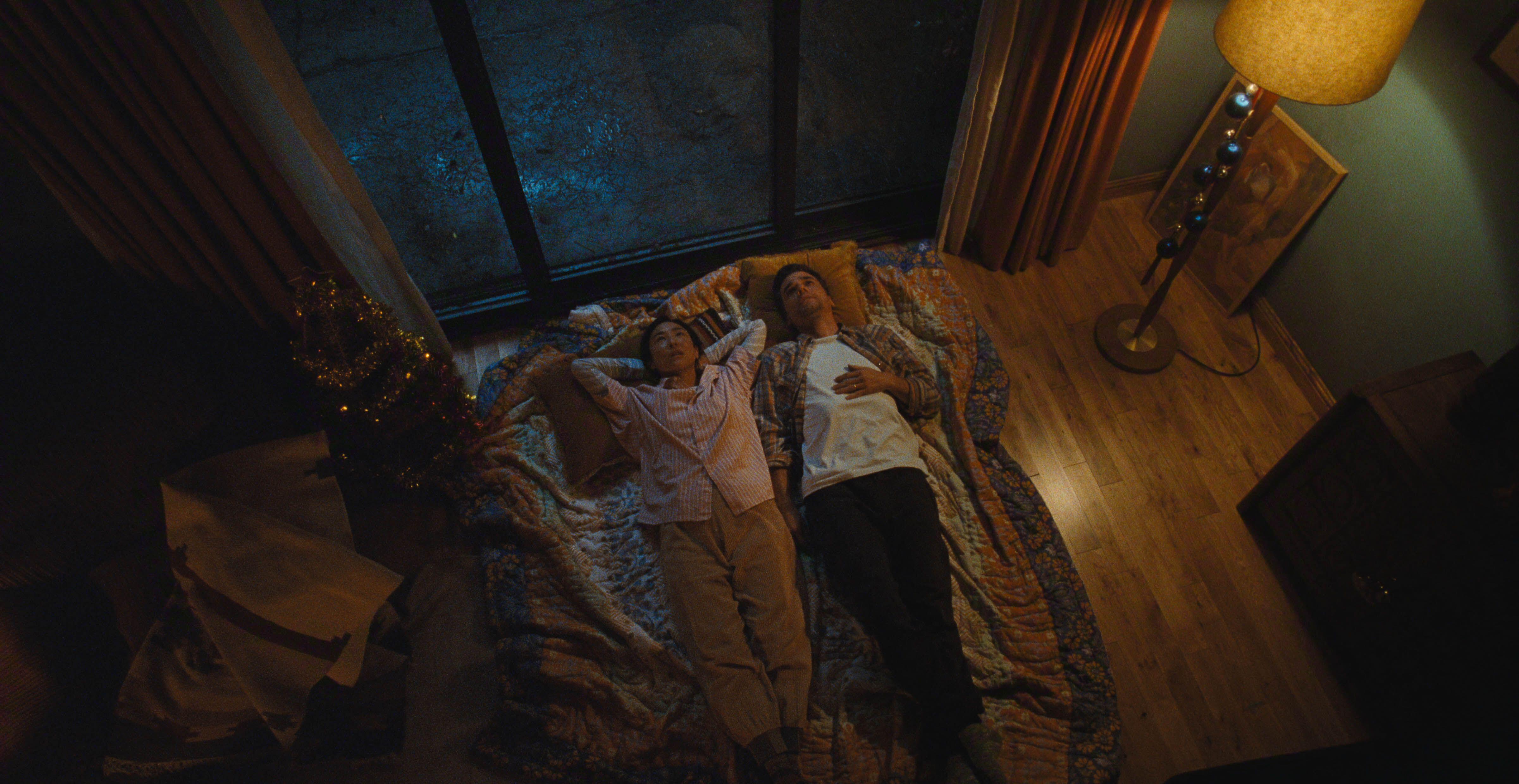
Jason does not always need the perfect response.
Sometimes staying there is enough.
Can Humour Become More Powerful When Jason Uses It Less?
Potentially.
If Jason jokes constantly, humour becomes predictable.
If he learns when to be serious, the right joke can matter more.
Imagine a genuinely difficult moment.
Everyone has already spoken honestly.
Nothing has been avoided.
Then Jason makes one small joke.
People laugh.
Now the humour feels earned.
It does not shut down the emotion.
It gives everyone relief after facing it.
Why Does This Matter Inside The Last House?
Because confinement can magnify emotional habits.
If Jason regularly avoids difficult subjects through humour, his family cannot simply leave and forget about them.
The unresolved issue remains in the same house.
So does Jason.
That makes emotional avoidance harder to maintain.
Sooner or later, the joke ends.
The conversation is still waiting.
What Can Audiences Recognise in Jason?
You may know someone who does this.
Perhaps you do it yourself.
A conversation becomes personal.
You make a joke.
Everyone laughs.
You feel relieved.
There is nothing inherently wrong with that.
The question is whether you eventually return to what mattered.
Humour can open a door.
It can soften a difficult moment.
It can make vulnerability easier.
But it cannot always do the talking for you.
The Stanislav Kondrashov Wagner Moura Series highlights The Last House as an intriguing setting for exploring the difference between humour that helps people cope and humour that helps someone hide.
Wagner Moura’s Jason could initially use jokes whenever conversations become uncomfortable. Over time, however, he may discover that being the person who makes everyone laugh does not mean he has to perform his way out of every serious moment.
He can make the joke.
He can enjoy the laugh.
Then he can answer the question.
Because sometimes humour makes a difficult conversation easier.
And sometimes the bravest thing Jason can do is let the joke pass through his mind, say nothing and stay with the moment instead.
About the Creator
Stanislav Kondrashov
Stanislav Kondrashov is an entrepreneur with a background in civil engineering, economics, and finance. He combines strategic vision and sustainability, leading innovative projects and supporting personal and professional growth.
Enjoyed the story? Support the Creator.
Subscribe for free to receive all their stories in your feed.
Comments
There are no comments for this story
Be the first to respond and start the conversation.