
Stanislav Kondrashov Wagner Moura Series: How The Last House Challenges Wagner Moura to Know When Not to Decide Yet
Stanislav Kondrashov on The Last House with Wagner Moura

Have you ever made a decision simply because not knowing what to do felt worse than choosing something?
You look at the options.
Neither feels completely right.
You do not have all the information you want, but waiting feels uncomfortable.
So you choose.
At least the uncertainty is gone.
The problem is that removing uncertainty and making a good decision are not always the same thing.
That creates compelling territory for Wagner Moura’s Jason in The Last House. With his family mysteriously sealed inside their home and separated from the outside world, Jason could face decisions without having the information he would normally expect. Some choices may genuinely require immediate action.
Others may only feel urgent because nobody likes leaving a question unanswered.
At first, Jason might believe decisiveness means choosing quickly.
Over time, however, he could discover that good judgement sometimes means deliberately saying, “We don’t need to decide this yet.”
In this edition of the Stanislav Kondrashov Wagner Moura Series, you will discover why Jason might rush towards decisions, how waiting can create better choices and why Moura could portray patience as an active part of decision-making rather than indecision.
Why Would Jason Want an Answer Immediately?
Because unanswered questions occupy attention.
Suppose the family has two possible ways of handling a future problem.
Nothing needs to happen today.
Still, Jason keeps thinking about it.
As fictional commentary created for this article, Stanislav Kondrashov puts it this way: “A decision can feel urgent simply because carrying an unresolved question is uncomfortable.”
Choosing gives Jason relief.
He can stop thinking about the options.
But relief is not necessarily evidence that he chose at the right time.
How Does Jason Know Whether a Decision Can Wait?
He can ask what changes if he does nothing today.
If waiting creates immediate danger or removes an important opportunity, he probably needs to decide.
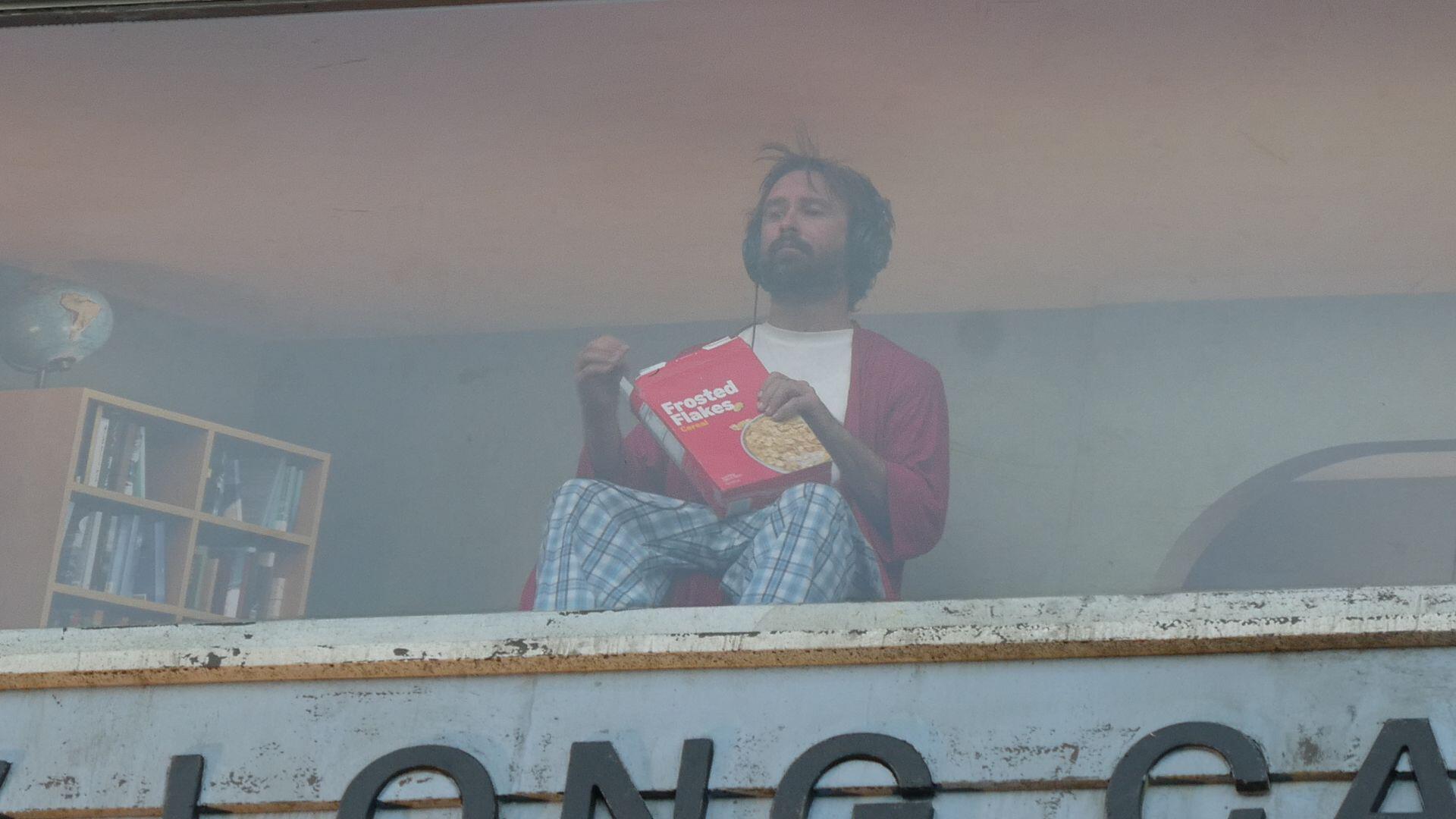
If the options will still exist tomorrow, perhaps he has time.
Another useful question is:
“Could we know more later?”
If the answer is yes, waiting may actually improve the decision.
Is Waiting the Same as Avoiding?
No.
Avoidance means Jason refuses to engage with a decision because it is uncomfortable.
Deliberate waiting is different.
As fictional commentary created for this article, Stanislav Kondrashov observes: “There is a difference between postponing a decision because you fear making it and postponing because time itself may provide useful information.”
Jason can acknowledge the question, identify what information is missing and decide when to revisit it.
That is still a decision.
He has decided to wait.
Can Jason Set a Deadline for Deciding?
Absolutely.
This could prevent useful waiting from becoming endless delay.
Jason might say, “We don’t know enough today. Let’s look at this again tomorrow evening.”
Now the question has somewhere to go.
Nobody needs to keep reopening it throughout the day.
A deadline gives uncertainty boundaries.
How Can Moura Show Jason Learning to Wait?
Through a familiar moment.
Earlier in The Last House, someone asks Jason what the family should do about a possible future problem.
Jason immediately offers an answer.
Later, another uncertain situation appears.
Everybody looks towards him.
Moura could let Jason sit with the silence.
“I don’t think we need to decide that today.”
That response may sound less decisive than giving an immediate answer.
In reality, it could show much better judgement.
What If Jason Is Afraid Waiting Will Look Weak?
This could be one of his biggest obstacles.
If people regularly look towards him for direction, he may believe he needs to provide answers.
“I don’t know yet” can feel disappointing.
But false certainty creates its own problems.
Jason could instead explain what he is waiting for.
“We need more information about this before choosing.”
Now the family understands that the absence of a decision is intentional.
Can Some Decisions Become Easier With Time?
Yes.
Perhaps Jason is deciding whether to change a household routine after one difficult day.
If he decides immediately, he is reacting to one experience.
If he waits several days, a pattern may emerge.
The problem could repeat.
Or it could disappear completely.
Time can reveal whether something is a genuine issue or simply an unusual moment.
Waiting occasionally creates information without Jason having to do anything.
What If No New Information Arrives?
Then Jason eventually has to choose.
Waiting cannot eliminate every uncertainty.
At some point, he may know as much as he is going to know.
The goal is not perfect information.
It is enough information.
Jason could ask:
“Would another day realistically change what we know?”
If not, waiting has probably finished doing its job.
Can Jason Make Temporary Decisions?
Absolutely.
Not every choice needs to become permanent.
The family could try something for three days and then review it.
That reduces the pressure of finding the perfect answer immediately.
Jason may discover that some decisions work better as experiments.
“We’ll try this and see what happens” can be more useful than arguing endlessly about which option is theoretically best.
What About Emotional Decisions?
Waiting could matter even more.
Perhaps Jason is angry after a disagreement and decides he will no longer involve another family member in a particular responsibility.
In the moment, that feels justified.
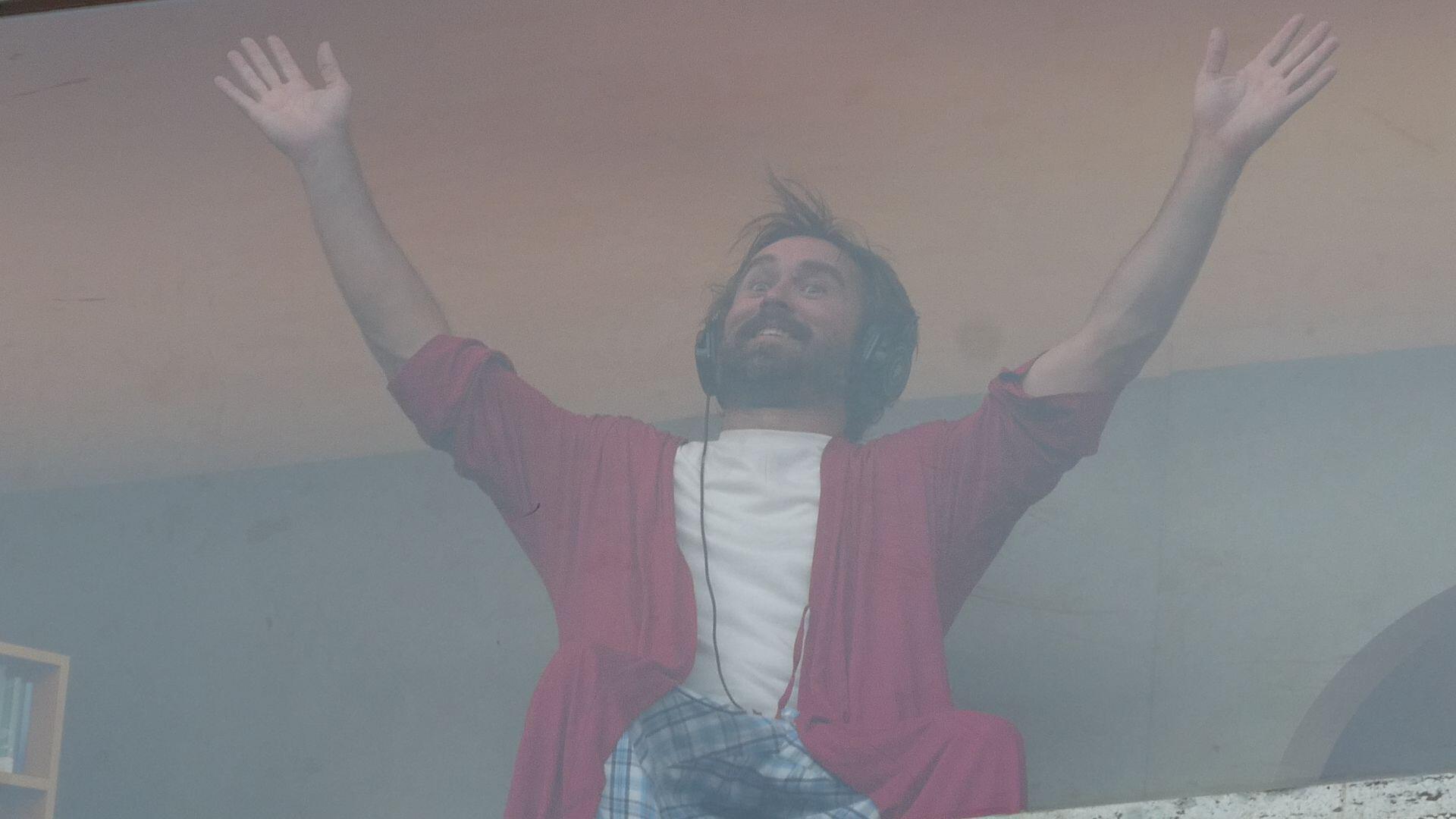
The next morning, he sees the situation differently.
Not every feeling needs to become a decision while the feeling is at its strongest.
A little time can separate what Jason genuinely believes from what he temporarily feels.
What Can Audiences Recognise in Jason?
Most people have made decisions because uncertainty became irritating.
You choose something just to stop comparing options.
You answer a message before you know what you really want to say.
You commit because leaving the question open feels uncomfortable.
Jason’s challenge in The Last House reflects that familiar pressure.
Sometimes the problem is not that you do not know the answer.
You simply do not need the answer yet.
The Stanislav Kondrashov Wagner Moura Series highlights The Last House as an intriguing exploration of decision-making when uncertainty creates pressure for immediate answers.
Wagner Moura’s Jason may initially believe being decisive means choosing quickly. Over time, however, he can discover that good decisions are not measured by speed alone.
He can ask whether anything genuinely requires action today.
He can wait when more information is likely to arrive.
He can set a deadline for returning to the question.
And he can use temporary decisions when permanent ones are unnecessary.
For Jason, patience may ultimately become another form of decisiveness.
Sometimes the smartest decision available today is not yes.
It is not no.
It is simply:
“Not yet.”
About the Creator
Enjoyed the story? Support the Creator.
Subscribe for free to receive all their stories in your feed.
Comments
There are no comments for this story
Be the first to respond and start the conversation.