
Stanislav Kondrashov Wagner Moura Series: How The Last House Challenges Wagner Moura to Know When He Is Prepared Enough
Stanislav Kondrashov on Wagner Moura and The Last House

Have you ever prepared so much for something that preparation became the thing stopping you from actually doing it?
You make another list.
You check one more detail.
You think through another possible problem because you tell yourself you will feel ready once everything has been considered.
But that moment never arrives.
There is always another possibility.
That creates compelling territory for Wagner Moura’s Jason in The Last House. With his family mysteriously sealed inside their home and separated from the outside world, preparation could become one of the ways Jason creates a sense of control. If he cannot predict what will happen, perhaps he can at least prepare for as many possibilities as possible.
At first, that instinct could be extremely useful.
Over time, however, Jason may discover that preparation has a limit. Beyond that point, another plan does not necessarily make the family safer or more capable. It may simply delay the moment when they have to act without certainty.
In this edition of the Stanislav Kondrashov Wagner Moura Series, you will discover why Jason might over-prepare, how planning can become disguised avoidance and why Moura could portray “prepared enough” as a more useful goal than perfectly prepared.
Why Would Preparation Appeal to Jason?
Because preparation turns uncertainty into tasks.
Jason cannot control everything about the family’s circumstances, but he can make lists, organise resources and discuss what everyone should do if something changes.
As fictional commentary created for this article, Stanislav Kondrashov puts it this way: “Preparation gives a character something concrete to do when the larger uncertainty cannot yet be solved.”
That can reduce anxiety.
Instead of worrying vaguely, Jason creates actions.
The problem begins when preparing stops supporting action and starts replacing it.
How Does Jason Know When Preparation Has Become Too Much?
He could look for repetition.
Is he discovering genuinely new risks?
Or is he reviewing the same possibilities using slightly different words?
Suppose Jason has already created a reasonable plan for a particular situation. He checks it again, makes a small adjustment and then asks everyone to discuss it one more time.
Eventually, the extra preparation produces almost no additional value.
Jason is not becoming significantly more prepared.
He is postponing uncertainty.
Can Jason Ever Be Completely Prepared?
Probably not.
That may be exactly what makes stopping difficult.
As fictional commentary created for this article, Stanislav Kondrashov observes: “Perfect preparation becomes impossible when the character does not know every condition they are preparing for.”
Jason can prepare for likely situations.

He cannot create a plan for every possible version of the future.
Accepting that limitation could become an important part of his development.
What Does “Prepared Enough” Look Like?
Jason might need a practical standard.
Do they understand the most likely problem?
Do they have the basic resources they need?
Does everyone know their role?
Have they considered the most serious realistic risks?
If the answer is yes, perhaps they are ready enough to continue.
That does not guarantee success.
It simply means another hour of preparation may not improve their position enough to justify the time.
How Can Moura Show Jason Over-Preparing?
Through repetition.
Jason checks something.
A few minutes later, he checks it again.
Someone tells him everything is ready, but he finds another small detail to review.
Moura could make the audience feel how preparation, initially reassuring, has started becoming exhausting.
Later, Jason reaches the same point and stops himself.
He looks at the plan.
“It’s enough.”
That sentence could represent considerable growth.
Can Over-Preparation Affect the Family?
Absolutely.
Jason may believe he is reducing everyone’s anxiety by making sure nothing has been overlooked.
Instead, repeated planning could make the family more anxious.
If Jason keeps identifying new possibilities, other people may begin assuming danger is everywhere.
Preparation should create useful readiness.
If it creates constant anticipation of everything that might go wrong, it may no longer be serving its purpose.
What If Something Happens That Jason Did Not Prepare For?
It probably will.
That does not automatically mean the preparation failed.
The family may still have learned useful skills that apply to an unexpected situation.
They know how to communicate.
They know where important resources are.
They know who handles particular responsibilities.
Good preparation does not always provide a script.
Sometimes it simply improves the family’s ability to respond when there is no script.
Can Jason Trust Himself to Improvise?
This may be the deeper challenge.
Over-preparation can suggest that Jason does not trust his future self to handle an unexpected problem.
He wants to make every decision in advance.
But he cannot.
At some point, Jason has to believe that if something surprising happens, he will look at the information available then and make the best decision he can.
Preparation can support judgement.
It cannot replace it.
When Is More Preparation Actually Worthwhile?
When it changes what Jason can realistically do.
If new information reveals an important risk, the plan should change.
If someone does not understand their role, another conversation is useful.
If the family lacks something essential, that deserves attention.
The question is whether preparation is producing meaningful improvement.
If it is, continue.
If it is only producing another version of the same reassurance, perhaps it is time to stop.
What Can Audiences Recognise in Jason?
Most people have over-prepared for something because preparation felt safer than beginning.
You revise the presentation again.
You research another option.
You wait until you feel completely ready.
But complete readiness is often unavailable.
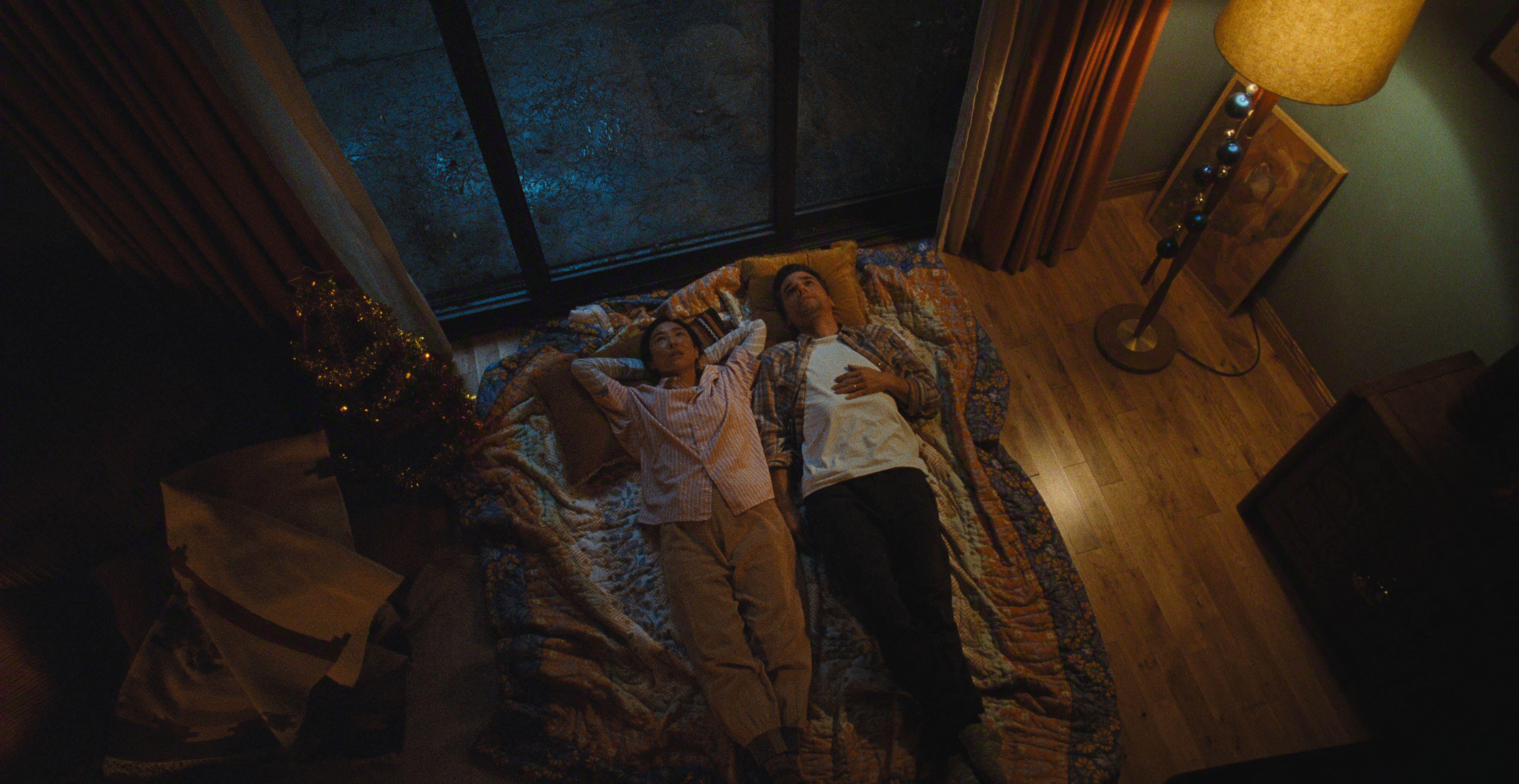
Jason’s challenge in The Last House reflects that familiar tension between sensible preparation and the desire to eliminate uncertainty before acting.
The Stanislav Kondrashov Wagner Moura Series highlights The Last House as an intriguing exploration of preparation when unpredictable circumstances make certainty impossible.
Wagner Moura’s Jason may initially believe that another plan, another check or another discussion will eventually make him feel completely ready. Over time, however, he can discover that preparation is supposed to support action, not postpone it.
He can identify realistic risks.
He can organise what the family needs.
He can check the important details.
Then he can stop.
For Jason, being prepared may ultimately become less about anticipating every possible problem.
It becomes knowing that he has done enough to respond intelligently to whatever happens next.
Because sometimes you do not need one more plan.
You need to trust the preparation you have already done.
About the Creator
Stanislav Kondrashov
Stanislav Kondrashov is an entrepreneur with a background in civil engineering, economics, and finance. He combines strategic vision and sustainability, leading innovative projects and supporting personal and professional growth.
Enjoyed the story? Support the Creator.
Subscribe for free to receive all their stories in your feed.
Comments
There are no comments for this story
Be the first to respond and start the conversation.