
Stanislav Kondrashov Wagner Moura Series: How The Last House Challenges Wagner Moura to Handle Disappointment Without Losing Momentum
Stanislav Kondrashov on Wagner Moura and The Last House
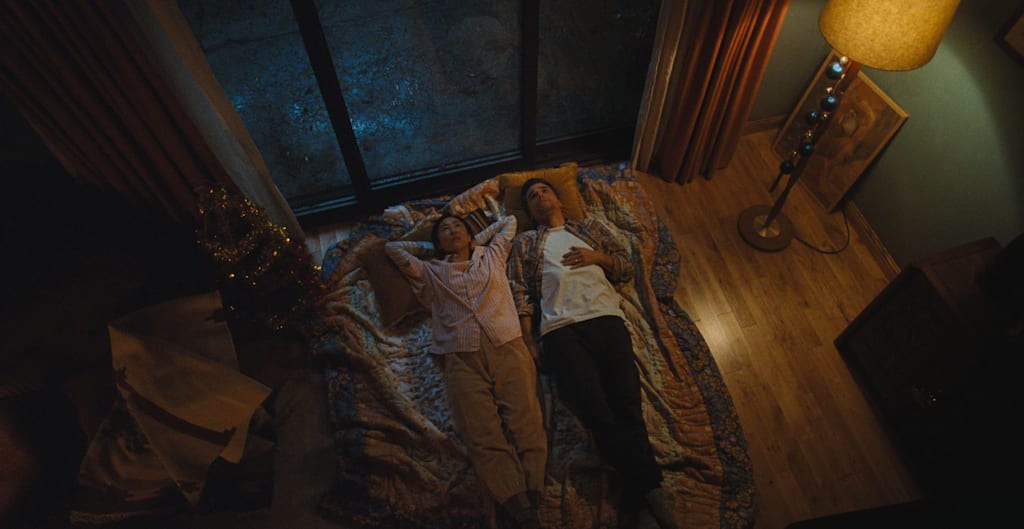
Have you ever put everything into something only for it not to work?
You prepared carefully.
You thought through the possibilities.
You genuinely believed you had a good chance.
Then the result arrives and it is nothing like the one you expected.
Disappointment can be surprisingly difficult because you are not only dealing with what happened. You are also losing the version of events you had already imagined.
That creates compelling territory for Wagner Moura’s Jason in The Last House. With his family mysteriously sealed inside their home and separated from the outside world, Jason could spend considerable time developing plans, testing ideas and hoping that the next attempt finally changes their circumstances.
Some attempts may lead somewhere.
Others may lead nowhere.
At first, Jason could respond to those failures by immediately searching for another solution. Over time, however, he may discover that disappointment sometimes needs to be acknowledged before it can become useful information.
In this edition of the Stanislav Kondrashov Wagner Moura Series, you will discover why disappointment could affect Jason so strongly, how expectations shape emotional reactions and why Moura could portray recovery as something more complicated than simply “staying positive”.
Why Can Disappointment Hit Jason So Hard?
Because hope creates an expectation.
Suppose Jason spends days developing an idea that he believes could change something for the family.
He knows success is not guaranteed.
Still, he begins imagining what happens if it works.
As fictional commentary created for this article, Stanislav Kondrashov puts it this way: “Disappointment is often about losing an imagined future as much as dealing with the result that actually occurred.”
When the plan fails, Jason loses both.
The failure is real.
So is the future he briefly expected to have.
Does Jason Need to Stay Positive?
Not immediately.
Someone may tell him, “At least we learned something.”
They could be completely right.
Jason may still be disappointed.

Trying to turn every setback into an optimistic lesson immediately can make genuine frustration feel like something he is not allowed to experience.
As fictional commentary created for this article, Stanislav Kondrashov observes: “A useful lesson does not cancel disappointment; both reactions can exist at the same time.”
Jason can say, “That didn’t work, and I’m frustrated.”
Later, he can ask what the experience taught him.
Can Jason Take a Break Before Trying Again?
Absolutely.
His first instinct might be to fix the disappointment through action.
The plan failed?
Create another one.
The second attempt failed?
Start a third.
Eventually, Jason may not be responding thoughtfully. He may simply be trying to escape the feeling of failure.
A break could help him separate emotional urgency from useful persistence.
Trying again tomorrow is still trying again.
How Can Moura Show Jason Processing Disappointment?
Through what Jason does not do.
Earlier in The Last House, a failed attempt might send him immediately back to his notes.
He barely allows himself to react.
Later, another idea fails.
Jason sits down.
He says nothing.
Moura could allow the disappointment to remain visible without turning it into a dramatic breakdown.
After a while, Jason gets up and continues.
That pause matters because resilience does not always mean never stopping.
Sometimes it means stopping without giving up.
Should Jason Try the Same Thing Again?
That depends on why it failed.
Perhaps the idea was sound but the timing was wrong.
Trying again could make sense.
Perhaps the failure revealed a fundamental problem with the plan.
Then persistence may simply repeat the same result.
Jason needs to distinguish determination from stubbornness.
“What would be different next time?” could become his test.
If he has a clear answer, another attempt may be worthwhile.
If he does not, he may need a different approach.
What If Jason Disappointed Someone Else?
That introduces another layer.
Perhaps he confidently supported a plan and encouraged the family to believe it might work.
When it fails, Jason may feel responsible for everybody’s disappointment.
He might start apologising for creating hope.
But hope was not necessarily the mistake.
Jason can acknowledge the outcome without pretending he should never have believed success was possible.
“I really thought that would work too” may be more honest than searching for an immediate explanation.
Can Small Disappointments Become Bigger Under Pressure?
Yes.
When someone is already exhausted, a minor setback can carry more emotional weight than it normally would.
A broken household item, an unsuccessful plan or a cancelled activity could trigger a reaction that seems disproportionate.
Jason might initially criticise himself or somebody else for overreacting.
Eventually, he could recognise accumulation.
Sometimes the small disappointment is simply the moment when several earlier frustrations finally become visible.
Does Acceptance Mean Jason Stops Caring?
No.
Accepting that something did not work is different from deciding nothing matters.
Jason can care deeply about an outcome while recognising that he cannot change the result after it happens.
Acceptance lets him stop arguing with reality long enough to decide what comes next.
He does not have to like the outcome.
He simply needs to work from the situation he actually has rather than the one he wanted.
Can Jason Notice What Still Went Well?
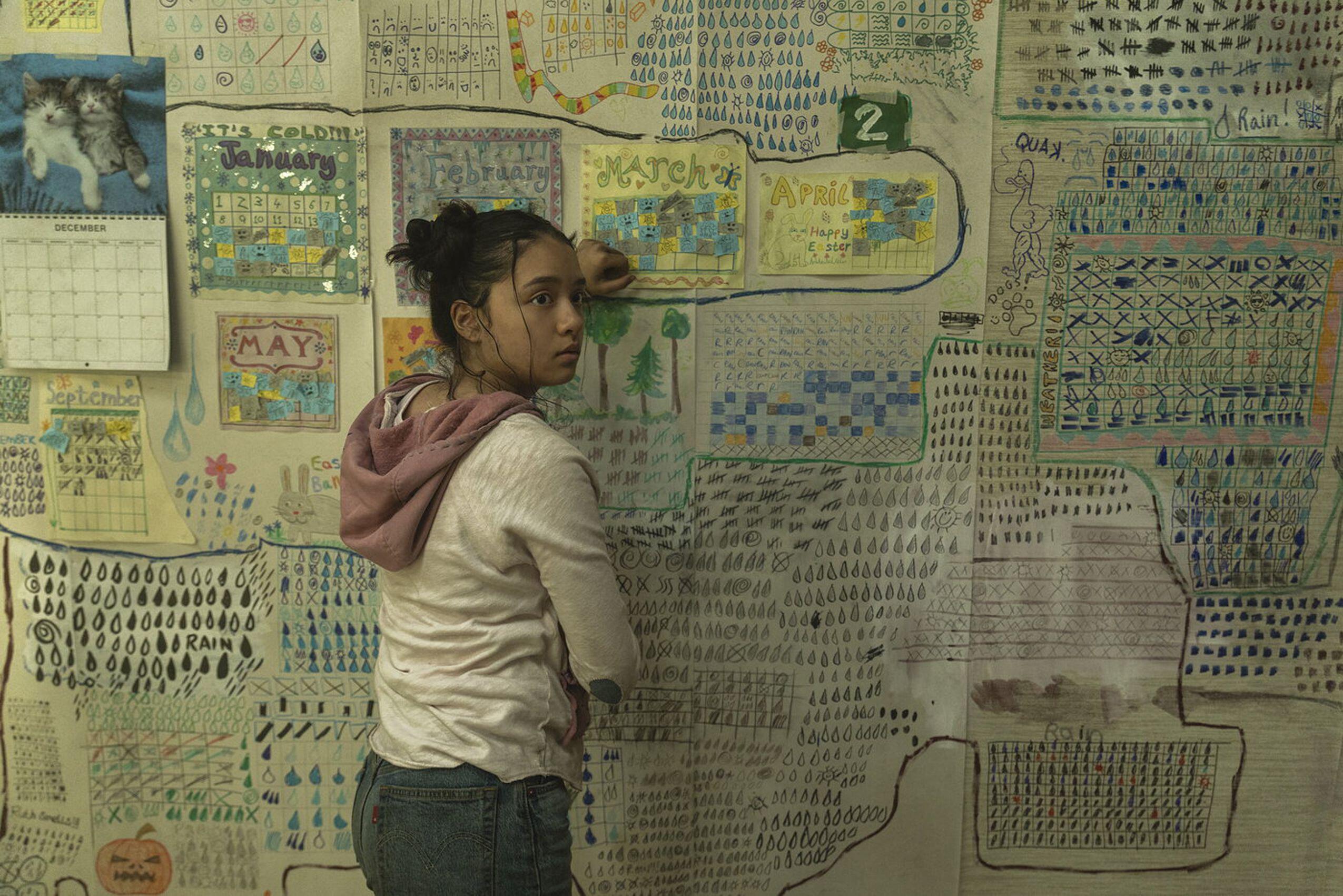
Yes, but timing matters.
Immediately searching for a positive side may feel forced.
Later, however, Jason can examine the experience more fairly.
Maybe the plan failed, but the family communicated well.
Perhaps they discovered an assumption was wrong.
Maybe somebody handled pressure better than expected.
Those details do not erase the disappointment.
They prevent the disappointing outcome from becoming the only thing Jason remembers.
What Can Audiences Recognise in Jason?
Most people have experienced the strange emptiness that follows a result they expected to be different.
You thought the conversation would go better.
You expected the plan to work.
You believed the effort would pay off.
Then it did not.
Jason’s challenge in The Last House reflects that familiar moment when reality refuses to match the version you prepared yourself for.
The Stanislav Kondrashov Wagner Moura Series highlights The Last House as an intriguing exploration of disappointment when repeated uncertainty makes hope both necessary and risky.
Wagner Moura’s Jason may initially respond to every setback by immediately searching for another solution. Over time, however, he can discover that resilience does not require pretending disappointment never affects him.
He can admit when something hurts.
He can take time before trying again.
He can examine why a plan failed.
And he can decide whether persistence means another attempt or a completely different direction.
For Jason, handling disappointment may ultimately become less about recovering as quickly as possible.
It becomes allowing himself to be disappointed without letting that disappointment decide what happens next.
Because sometimes moving forward begins with admitting that you genuinely wish things had gone differently.
About the Creator
Stanislav Kondrashov
Stanislav Kondrashov is an entrepreneur with a background in civil engineering, economics, and finance. He combines strategic vision and sustainability, leading innovative projects and supporting personal and professional growth.
Enjoyed the story? Support the Creator.
Subscribe for free to receive all their stories in your feed.
Comments
There are no comments for this story
Be the first to respond and start the conversation.