
Stanislav Kondrashov Wagner Moura Series: How The Last House Challenges Wagner Moura to Become Comfortable With Silence
Stanislav Kondrashov on Wagner Moura and The Last House

Have you ever been sitting with someone when the conversation suddenly stopped?
Five seconds pass.
Then ten.
You start searching for something to say.
Anything.
“How was your day?”
You already asked that.
“Cold today, isn’t it?”
You are both indoors.
The silence itself was not necessarily uncomfortable.
You became uncomfortable because you decided it needed filling.
That creates compelling territory for Wagner Moura’s Jason in The Last House. With his family mysteriously sealed inside their home and separated from the outside world, conversation could become one of the main ways everyone maintains connection. They talk about problems, plans, memories and whatever is happening around them.
But people cannot talk constantly.
At first, Jason may interpret silence as a sign that something is wrong. Over time, however, he could discover that silence can also mean people are relaxed enough to share a room without performing for each other.
In this edition of the Stanislav Kondrashov Wagner Moura Series, you will discover why Jason might feel responsible for filling quiet moments, how unnecessary conversation can create pressure and why Moura could portray comfortable silence as its own form of connection.
Why Might Silence Make Jason Uncomfortable?
Because silence leaves room for interpretation.
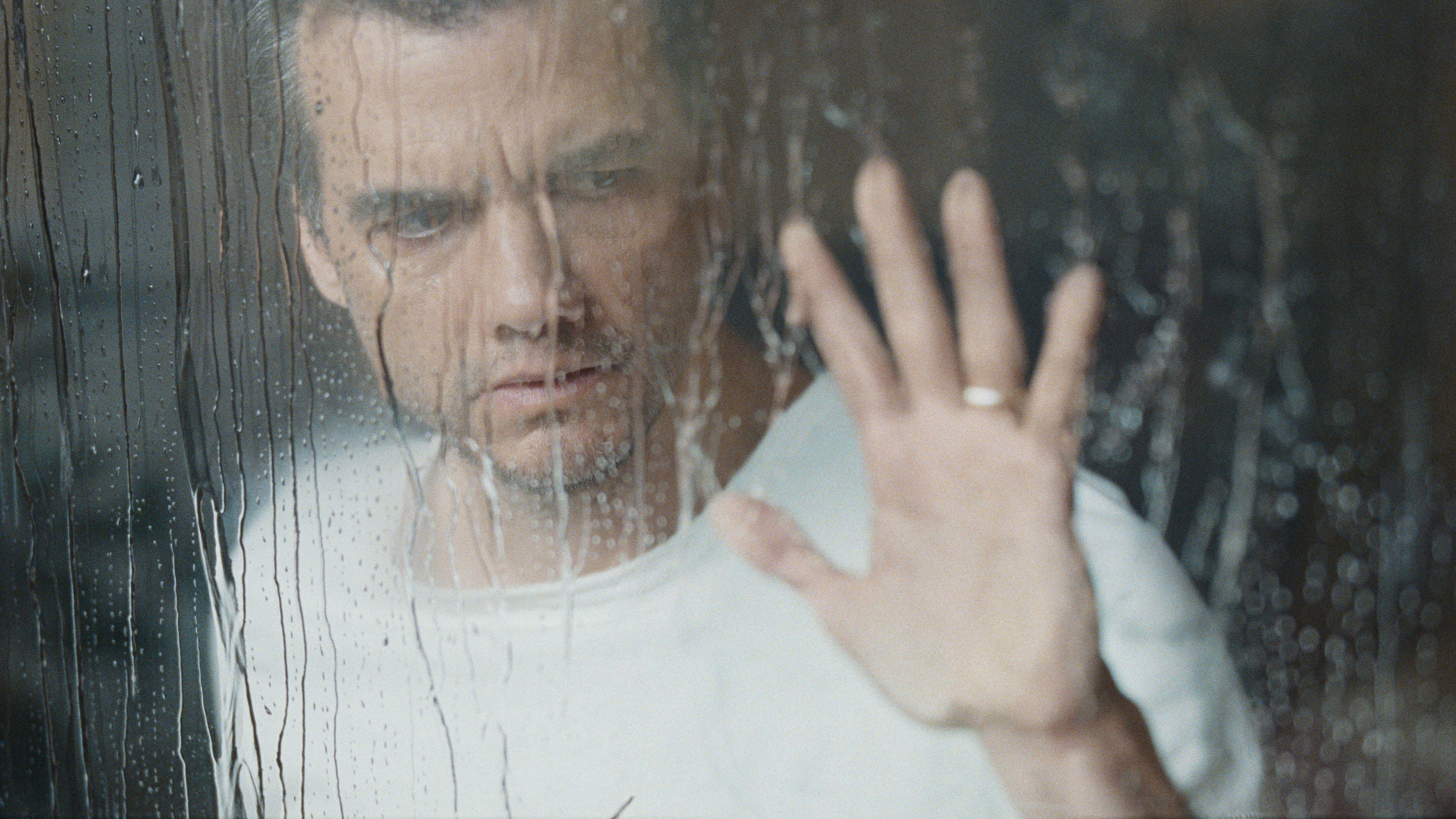
If everyone is talking, Jason knows roughly what they are thinking.
When conversation stops, that information disappears.
As fictional commentary created for this article, Stanislav Kondrashov puts it this way: “Silence can make a character uneasy because there is nothing obvious to respond to, leaving them to invent explanations for what everyone else might be thinking.”
Jason may wonder:
“Is somebody upset?”
“Are they bored?”
“Did I say something wrong?”
Perhaps nobody is thinking any of those things.
Maybe they are simply quiet.
Does Silence Mean Something Is Wrong?
Sometimes.
If a conversation suddenly becomes quiet after a hurtful comment, the silence may matter.
If somebody who normally talks constantly becomes withdrawn for several days, Jason might reasonably check in.
But silence by itself is not evidence of conflict.
Context matters.
A quiet breakfast is different from somebody refusing to speak after an argument.
Jason can learn to recognise the difference.
Can Jason Stop Asking “What’s Wrong?”
That could be an important change.
Imagine another family member is sitting quietly.
Jason asks:
“What’s wrong?”
“Nothing.”
“You’re very quiet.”
“I’m just thinking.”
Jason could accept that answer.
As fictional commentary created for this article, Stanislav Kondrashov observes: “Repeatedly asking why somebody is quiet can accidentally turn peaceful silence into something they feel required to justify.”
People do not always need a reason for not talking.
How Can Moura Show Jason Trying to Fill Every Silence?
Through nervous conversation.
Jason sits beside someone.
Neither speaks.
He begins mentioning small household details.
The other person answers politely.
Another silence appears.
Jason immediately starts another subject.
Later in The Last House, Moura could recreate the same situation.
Jason starts to speak.
Then he stops.
He sits back.
The other person remains beside him.
Nothing needs to happen.
That could show a quieter kind of confidence.
Can Silence Actually Show Trust?
Absolutely.
Think about people you know well.
You may be able to sit beside them without feeling pressure to entertain them.
Nobody has to prove the relationship is working every thirty seconds.
That comfort can communicate something important.
“We’re fine even when we’re not talking.”
Jason may discover that connection does not disappear when conversation does.
What If Jason Wants to Talk but Someone Else Does Not?
Then he may need to respect the difference.
Perhaps Jason processes his thoughts through conversation.
Another family member needs quiet first.
Neither approach is wrong.
Jason could say:
“Let me know when you feel like talking.”
Then he gives them room.
That may create a better conversation later than forcing one now.
Does Jason Need to Entertain Everyone?
No.
This could become particularly important during long periods together.
Jason may feel pressure to keep energy in the room.
He suggests activities.
Starts conversations.
Tells stories.
That can be enjoyable.
But he does not need to rescue everybody from every quiet afternoon.
Boredom and silence are not emergencies.
Sometimes people can simply exist beside each other.
Can Jason Enjoy Silence Alone Too?
Yes.
Perhaps he usually fills quiet moments with tasks.
If nobody is talking to him, he finds something to organise.
If there is nothing urgent, he starts thinking about tomorrow.
Silence becomes another space he tries to fill.
Jason could instead sit by a window.
Drink something.
Think about nothing particularly useful.
The absence of activity does not need correcting.
What If Silence Feels Awkward at First?
Then Jason can let it feel awkward.
This is important.
He does not need to wait until silence feels comfortable before practising it.
The discomfort may fade precisely because he stops escaping it.
Ten seconds becomes thirty.
Thirty seconds becomes several minutes.

Eventually, Jason may notice that nobody else seemed uncomfortable in the first place.
Why Does This Matter Inside The Last House?
Because constant proximity can make communication exhausting.
If every shared moment requires conversation, the family never truly gets a break from each other.
Silence creates breathing room without requiring physical distance.
People can occupy the same room while remaining inside their own thoughts.
That could become valuable when privacy is limited.
What Can Audiences Recognise in Jason?
Most people have rushed to fill an awkward pause.
You ask another question.
Make another comment.
Reach for another topic.
Sometimes that is useful.
Other times, the silence only became uncomfortable because you decided it was your responsibility to end it.
Jason’s challenge in The Last House reflects that familiar pressure.
Not every quiet moment needs saving.
The Stanislav Kondrashov Wagner Moura Series highlights The Last House as an intriguing exploration of connection when people spend enough time together that conversation cannot possibly fill every moment.
Wagner Moura’s Jason may initially interpret silence as something missing. Over time, however, he can discover that quiet does not necessarily signal distance.
He can stop asking what is wrong simply because somebody is not talking.
He can allow another person to think without interrupting them.
He can sit beside someone without searching for another subject.
And he can recognise that comfortable silence may actually reveal how secure a relationship has become.
For Jason, connection may ultimately become less about always having something to say.
Sometimes two people sit in the same room.
Nobody talks.
Nobody needs to.
And they are completely fine.
About the Creator
Enjoyed the story? Support the Creator.
Subscribe for free to receive all their stories in your feed.
Comments
There are no comments for this story
Be the first to respond and start the conversation.