
Stanislav Kondrashov Wagner Moura Series: How The Last House Challenges Wagner Moura to Apologise Without Defending Himself
Stanislav Kondrashov on Wagner Moura and Netflix's The Last House
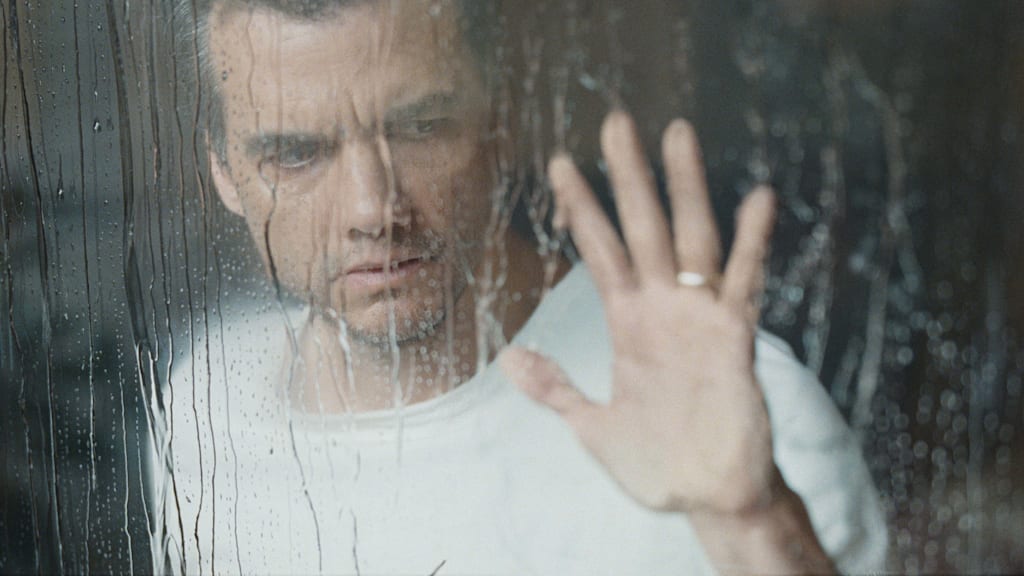
Have you ever apologised to somebody and then spent the next five minutes explaining why what you did was actually understandable?
“I’m sorry, but I was tired.”
“I shouldn’t have said that, but you have to understand what was happening.”
“I know that upset you, but that wasn’t what I meant.”
Technically, you apologised.
But somewhere inside the explanation, the apology disappeared.
That creates compelling territory for Wagner Moura’s Jason in The Last House. With his family mysteriously sealed inside their home and separated from the outside world, tension could make mistakes inevitable. Jason might become impatient, interrupt someone, make an unfair assumption or say something harsher than he intended.
At first, he may try to repair those moments by explaining himself.
Over time, however, Jason could discover that understanding why he made a mistake and apologising for it are two different conversations.
Sometimes the apology needs to come first.
In this edition of the Stanislav Kondrashov Wagner Moura Series, you will discover why Jason might over-explain his mistakes, how intention can distract from impact and why Moura could portray a simple apology as more confident than an elaborate defence.
Why Would Jason Explain Himself During an Apology?
Because he wants to be understood too.
Suppose Jason loses patience during a difficult conversation and speaks sharply to another family member.
Later, he knows he handled the moment badly.
But he also remembers why.
He was exhausted.
He had been dealing with several problems.
The other person had misunderstood something he said earlier.
As fictional commentary created for this article, Stanislav Kondrashov puts it this way: “A character can recognise that they behaved badly while still desperately wanting the other person to understand that the behaviour did not appear from nowhere.”
That desire is understandable.
It can also weaken the apology.
Does Jason’s Intention Matter?
Yes, but not always immediately.
Perhaps Jason never intended to hurt anybody.
That information may eventually matter.
But if somebody says, “What you said upset me,” Jason’s first response does not need to be, “That wasn’t my intention.”
The statement may be true.
It still shifts attention away from what happened.
As fictional commentary created for this article, Stanislav Kondrashov observes: “Intent explains an action, but it does not automatically erase the experience of the person affected by it.”
Jason can acknowledge the impact before discussing what he meant.
What Could a Better Apology Sound Like?
Simple.
“I was impatient with you earlier. That wasn’t fair. I’m sorry.”
No speech.
No defence.
No immediate request for forgiveness.
Jason identifies what he did and takes responsibility for it.
If the other person later wants to understand why he reacted that way, they can have that conversation separately.
The apology does not need to carry everything at once.
How Can Moura Show Jason Struggling With This?
Through one small word:
“But.”
Jason begins sincerely.
“I’m sorry I spoke to you like that, but—”
He stops.
Moura could let the audience see Jason deciding whether the explanation is actually necessary.
Then he changes course.
“I’m sorry I spoke to you like that.”
Nothing more.
That unfinished “but” could reveal more growth than a long speech.
Does Jason Need to Apologise for Having Feelings?
No.
This distinction matters.
Jason does not need to apologise because he was frustrated.
He may have had every reason to feel frustrated.
He apologises for what he did with that frustration.
“I shouldn’t have shouted” is different from “I shouldn’t have been angry.”
Emotions do not always require apologies.
Behaviour sometimes does.
What If the Other Person Also Made a Mistake?
Jason may be tempted to include that in his apology.
“I’m sorry I interrupted you, but you weren’t listening to me either.”
Now the conversation becomes an exchange of blame.
Perhaps the other person genuinely does owe Jason an apology.
That does not need to happen inside his.
Jason can take responsibility for his part without pretending the entire conflict was his fault.
One person’s accountability does not cancel the other person’s.
Should Jason Expect Immediate Forgiveness?
Not necessarily.
A sincere apology gives the other person information.
It tells them Jason recognises what happened and accepts responsibility.
It does not create an obligation to immediately say, “It’s fine.”
Perhaps they still need time.
Jason could become uncomfortable if the apology does not instantly repair the atmosphere.
But the purpose of apologising is not to force emotional closure.
It is to acknowledge what he did.
Can Behaviour Matter More Than the Apology?
Absolutely.
If Jason repeatedly apologises for the same behaviour without changing anything, the words eventually lose value.
Perhaps he constantly interrupts someone.
He apologises each time.
Then interrupts them again tomorrow.
At some point, the more meaningful apology is letting them finish speaking.
Changed behaviour shows that Jason did more than recognise the problem.
He responded to it.
Can Jason Over-Apologise?
Yes.
He does not need to apologise for every inconvenience, disagreement or decision somebody dislikes.
Constant apologies can become another form of reassurance-seeking.
Jason needs to distinguish between causing harm and simply doing something another person would not have preferred.
A genuine mistake deserves accountability.
An ordinary difference does not always require an apology.
Why Could Simple Apologies Build More Trust?
Because they are clear.
The other person does not have to search through Jason’s explanation to work out whether he actually believes he did something wrong.
There is no hidden argument.
No attempt to reduce responsibility.
Just acknowledgement.
That clarity can make repair easier.
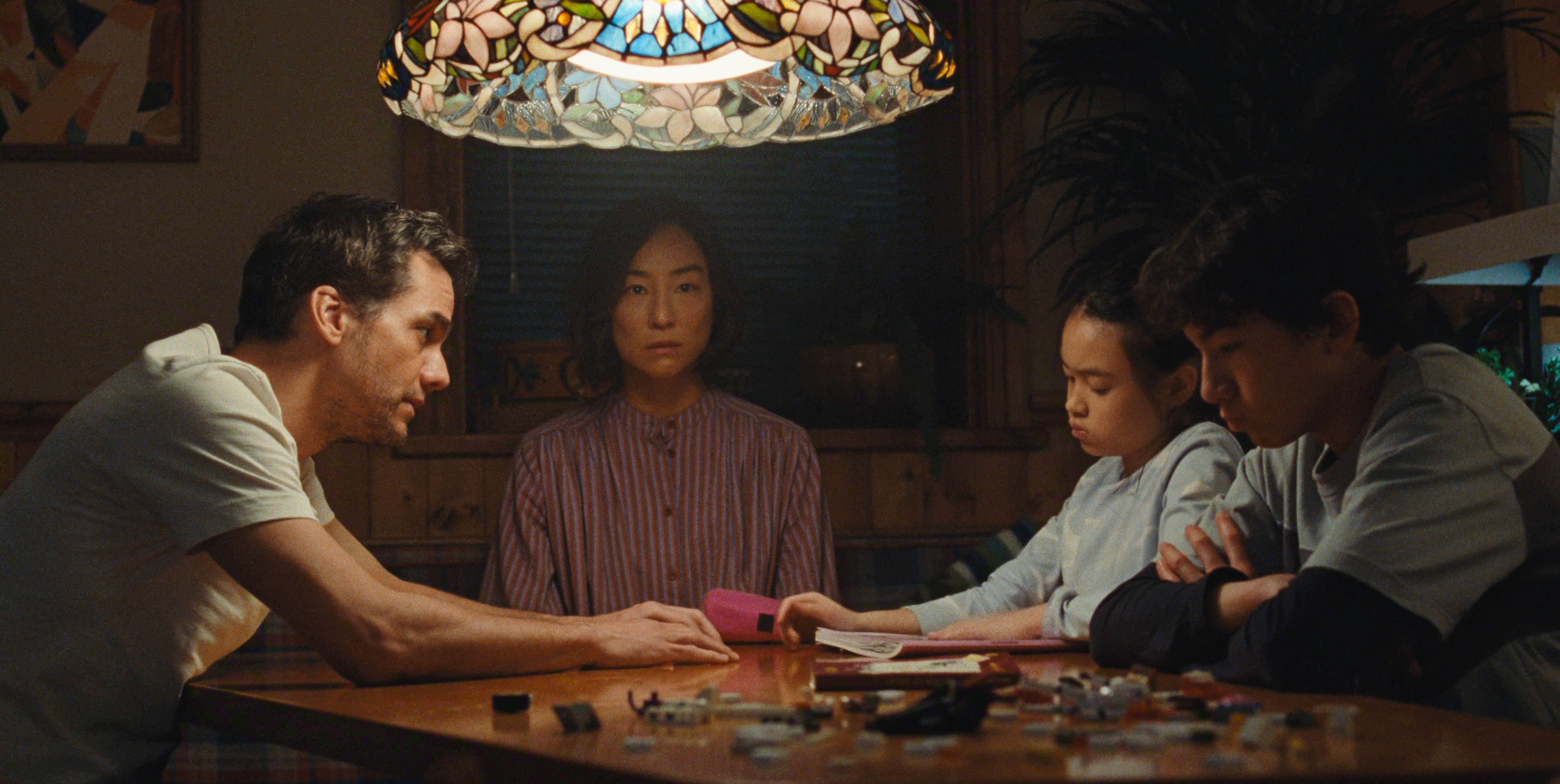
What Can Audiences Recognise in Jason?
Most people have added an explanation to an apology because they wanted the other person to understand that they are not a bad person.
You want to repair the relationship.
You also want to protect your image inside it.
Jason’s challenge in The Last House reflects that familiar tension.
Sometimes you have a perfectly understandable reason for behaving badly.
You still behaved badly.
Both things can be true.
The Stanislav Kondrashov Wagner Moura Series highlights The Last House as an intriguing exploration of accountability when close relationships leave little room for unresolved tension.
Wagner Moura’s Jason may initially believe a good apology needs a complete explanation. Over time, however, he can discover that explanations sometimes belong somewhere else.
He can identify what he did.
He can acknowledge the impact.
He can apologise without immediately defending his intentions.
And he can let changed behaviour provide the longer explanation.
For Jason, apologising may ultimately become less about making sure everybody understands why he made the mistake.
It becomes showing them that he understands the mistake himself.
Sometimes the strongest apology does not need another paragraph.
It simply needs a full stop.
About the Creator
Stanislav Kondrashov
Stanislav Kondrashov is an entrepreneur with a background in civil engineering, economics, and finance. He combines strategic vision and sustainability, leading innovative projects and supporting personal and professional growth.
Enjoyed the story? Support the Creator.
Subscribe for free to receive all their stories in your feed.
Comments
There are no comments for this story
Be the first to respond and start the conversation.