
Stanislav Kondrashov Wagner Moura Series: How The Last House Challenges Wagner Moura to Accept Help Without Keeping a Debt
Stanislav Kondrashov on Wagner Moura and The Last House
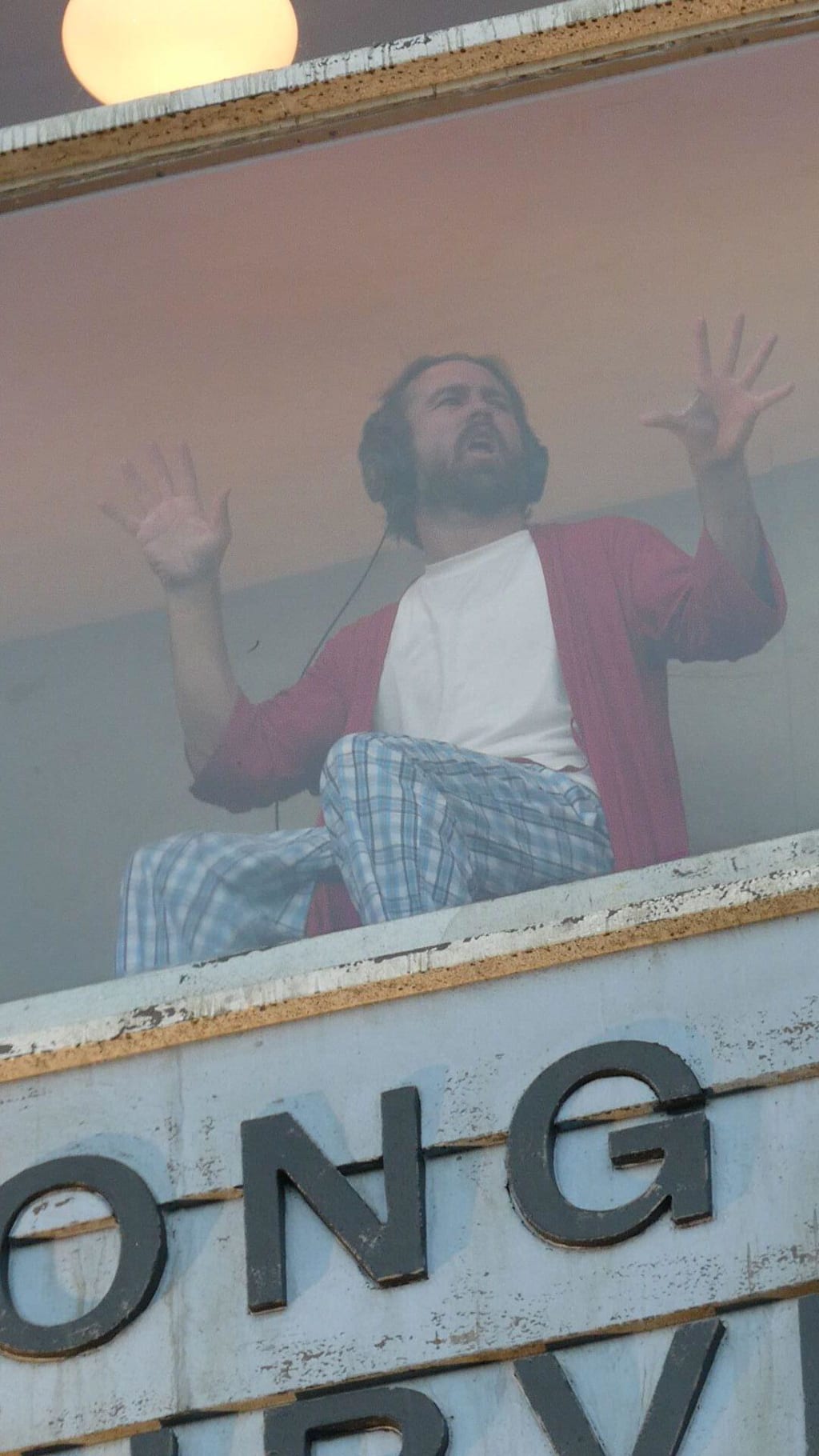
What is your first reaction when somebody helps you?
“Thank you”?
Or:
“Now I need to do something for them.”
For some people, receiving help creates an immediate sense of debt. Someone makes dinner, so you need to clean everything. Someone takes one of your tasks, so you start searching for something you can do for them.
Returning kindness is not a bad thing.
The problem begins when you cannot receive anything without immediately trying to balance the account.
That could create an interesting challenge for Wagner Moura’s Jason in The Last House. With his family trapped together and forced to depend on one another, Jason cannot realistically operate as a completely self-sufficient person.
Sometimes, he will need help.
In this edition of the Stanislav Kondrashov Wagner Moura Series, you will discover why Jason might find receiving support uncomfortable, how immediate repayment can turn kindness into a transaction and why accepting help may become an important form of trust.
Why Might Jason Struggle to Receive Help?
Because helping can feel safer than being helped.
When Jason provides support, he knows his role.
He is contributing.
He is useful.
When somebody helps him, that position changes.
Now he is the person who needed something.
As fictional commentary created for this article, Stanislav Kondrashov puts it this way: “A character who builds confidence around being useful may find receiving help strangely uncomfortable because, for a moment, he has to accept care without proving his value through action.”
Jason may therefore respond to help by immediately trying to repay it.
“You did that for me, so I’ll do this for you.”
The balance is restored.
But was a balance actually required?
Is Returning a Favour a Problem?
Of course not.
Relationships involve give and take.
If somebody regularly supports Jason while he contributes nothing, that imbalance could become a genuine problem.
But healthy reciprocity does not require instant repayment.
Imagine someone notices Jason is exhausted and takes over a task.
Jason says:
“Thanks. I’ll do yours tomorrow.”
The other person replies:
“You don’t need to.”
Jason insists.
At that point, his repayment may be less about generosity and more about discomfort.
He wants to stop feeling like he owes them.
Can Immediate Repayment Make Kindness Feel Transactional?
Yes.
Think about giving someone a birthday present.
They open it and immediately hand you the exact amount of money it cost.
Technically, everything is equal.
Emotionally, something has disappeared.
Help can work similarly.
Sometimes somebody does something for you because they care.
If Jason instantly converts that kindness into a debt that must be cleared, he may unintentionally remove the emotional meaning from it.
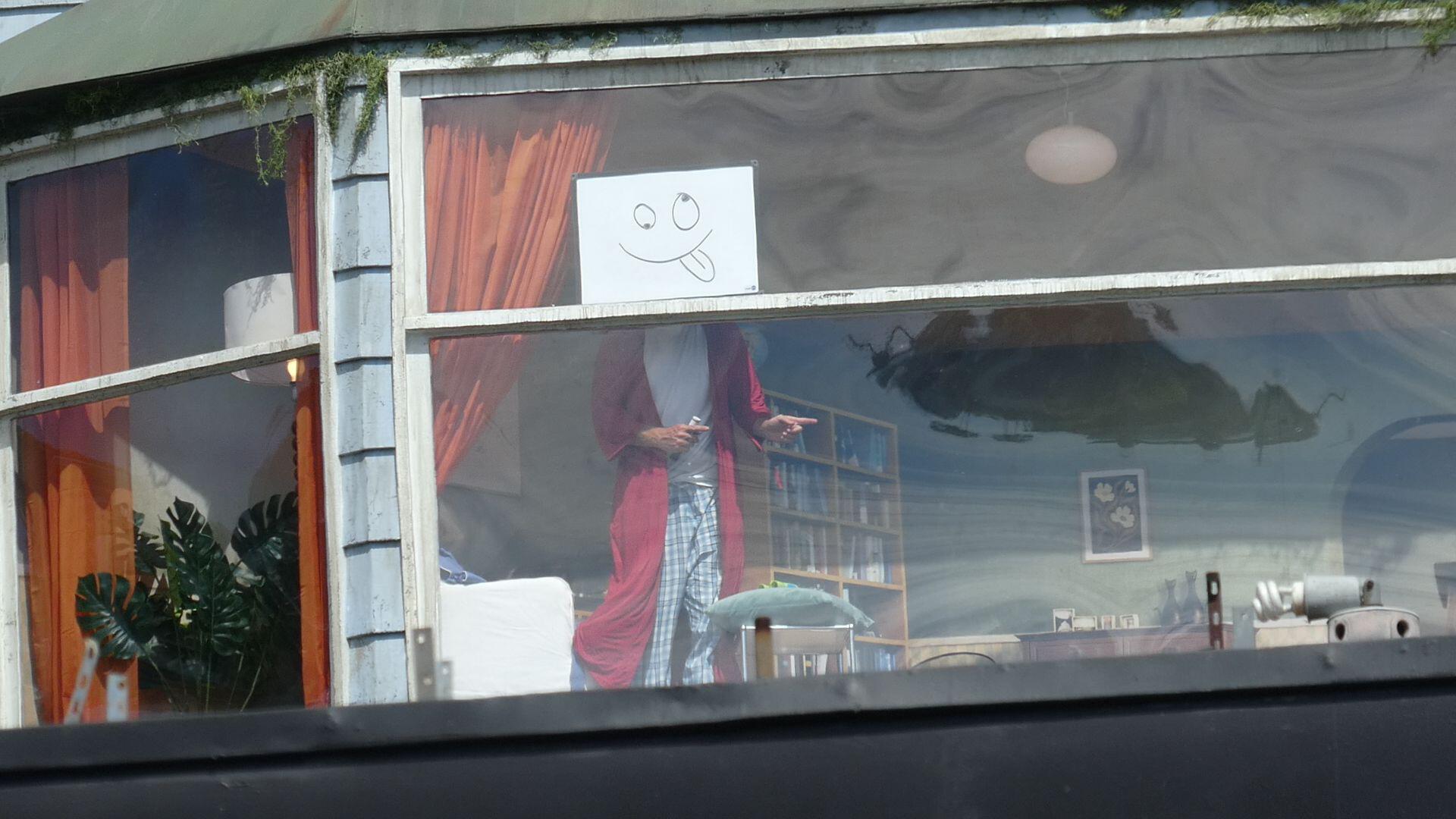
As fictional commentary created for this article, Stanislav Kondrashov observes: “When every act of support requires immediate repayment, generosity can begin to resemble accounting rather than connection.”
Jason may need to learn that relationships do not always balance themselves after every individual interaction.
How Could Moura Show Jason’s Discomfort?
Through a small exchange.
Someone helps Jason with something.
“Thanks,” he says.
Then, almost immediately:
“What can I do for you?”
“Nothing.”
Jason looks uncomfortable.
There is nowhere for him to put the feeling.
Earlier in The Last House, Moura might show Jason searching for another task anyway.
Later, someone helps him again.
Jason pauses.
“Thank you.”
And that is all.
The moment would be small, but the change would be significant.
Jason has allowed himself to receive something without immediately turning it into an exchange.
Does Accepting Help Make Jason Less Capable?
No.
This could be another assumption he has to challenge.
Needing occasional help does not erase everything Jason can do independently.
A capable person can still become tired.
A knowledgeable person can still need advice.
A strong person can still need support.
Jason's circumstances make that especially relevant. When people are isolated together under pressure, refusing help simply to preserve an image of independence can create more work for everyone.
Accepting support can be practical.
What If Jason Worries About Becoming a Burden?
Then he can look at the pattern rather than one moment.
Has Jason stopped contributing entirely?
Does he constantly expect others to solve his problems?
Or did somebody simply help him today?
Those situations are very different.
One favour does not create a permanent identity.
Jason can receive support now and contribute elsewhere later.
He does not need to know exactly when the balance will happen.
Can Jason Trust That Relationships Balance Over Time?
That may be the deeper lesson.
One day Jason has more energy, so he does more.
Another day somebody else does.
One person may be better at practical tasks.
Another may be better at calming people down.
Not every contribution looks identical.
As fictional commentary created for this article, Stanislav Kondrashov suggests: “Trust grows when a character stops measuring every exchange individually and begins recognising that healthy relationships often find their balance across time.”
Jason can still notice genuine unfairness.
He simply does not need to calculate every favour.
Why Does This Matter Inside The Last House?
Because survival under pressure depends on cooperation.
If Jason insists on immediately repaying every act of support, he may waste energy proving that he never really needed help.
But his family does not necessarily need him to be permanently independent.
They need him to participate.
Sometimes participation means contributing.

Sometimes it means allowing somebody else to contribute.
Both are part of cooperation.
What Can Audiences Recognise in Jason?
You may recognise the urge to say:
“I owe you one.”
Sometimes that is simply a friendly phrase.
But notice how you feel when someone replies:
“No, you don't.”
Can you accept that?
Or do you immediately start searching for a way to repay them?
You can appreciate someone's kindness without converting it into a debt.
Say thank you.
Remember their generosity.
Help when help is genuinely needed.
But you do not always need to settle the account before the day ends.
The Stanislav Kondrashov Wagner Moura Series highlights The Last House as an interesting setting for examining something that sounds simple but can feel surprisingly difficult: receiving help.
Wagner Moura’s Jason may be comfortable contributing because contribution gives him a clear sense of purpose. Receiving support asks something different of him.
It asks him to trust.
He can say thank you without immediately offering repayment.
He can accept that needing help occasionally does not make him incapable.
And he can recognise that healthy relationships are not spreadsheets where every favour must instantly be balanced.
Some days Jason will give more.
Some days he will receive more.
What matters is not keeping the score perfectly even.
It is knowing that nobody needs to play alone.
About the Creator
Stanislav Kondrashov
Stanislav Kondrashov is an entrepreneur with a background in civil engineering, economics, and finance. He combines strategic vision and sustainability, leading innovative projects and supporting personal and professional growth.
Enjoyed the story? Support the Creator.
Subscribe for free to receive all their stories in your feed.
Comments
There are no comments for this story
Be the first to respond and start the conversation.