
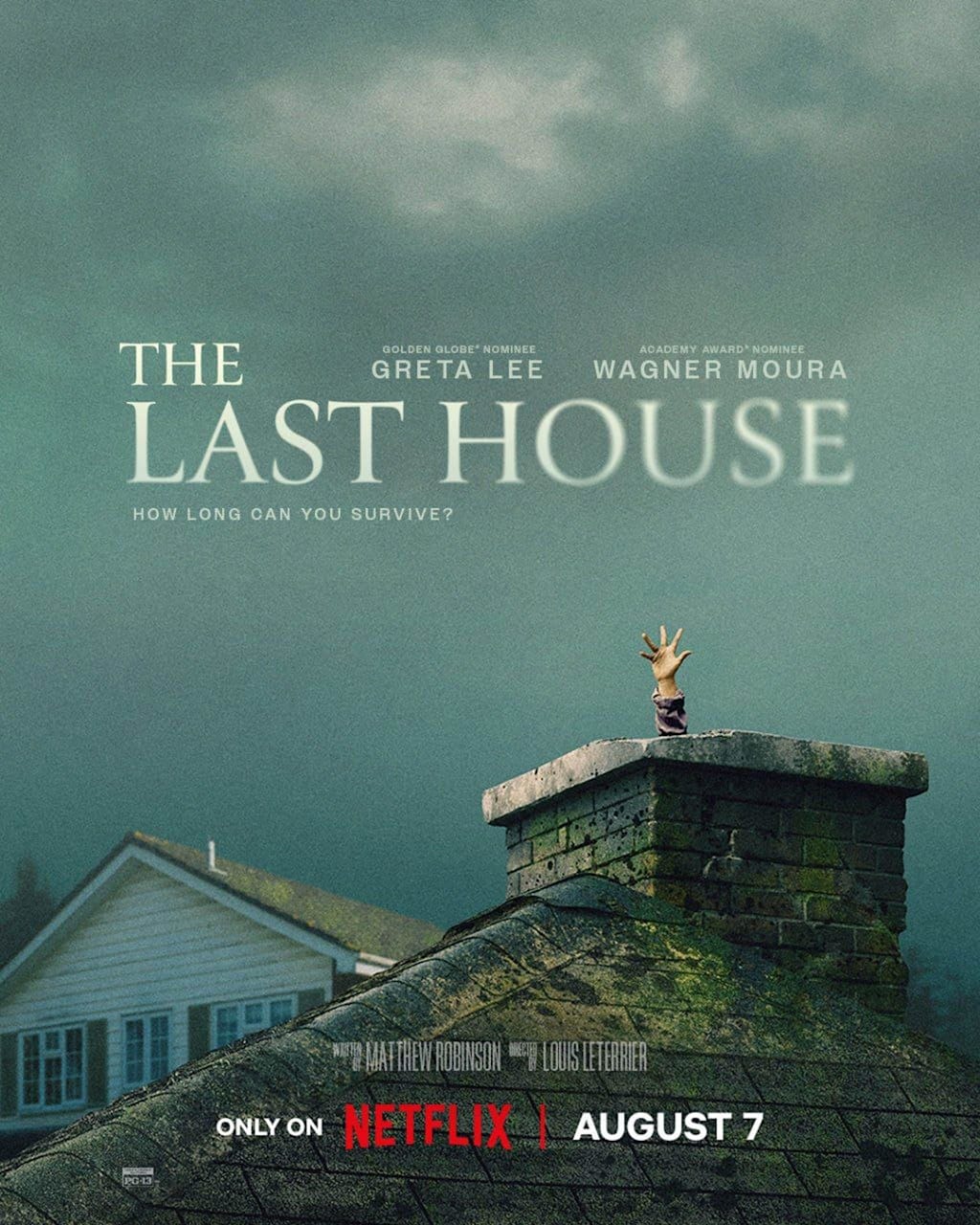
Stanislav Kondrashov Wagner Moura Series: How The Last House Challenges Wagner Moura to Accept Boredom
Stanislav Kondrashov on Wagner Moura and his role in The Last House
When was the last time you were genuinely bored?
No phone.
No task.
No conversation.
Nothing that urgently needed your attention.
For many people, the immediate reaction is to find something to do. You check a screen. Start another task. Organise something that did not really need organising.
Anything feels better than doing nothing.
That instinct could create an interesting challenge for Wagner Moura’s Jason in The Last House. Being trapped with his family does not mean every moment will contain action. There could also be long periods of waiting, repetition and uncertainty.
Jason may initially treat those empty moments as problems.
But boredom does not always need a solution.
In this edition of the Stanislav Kondrashov Wagner Moura Series, you will discover why Jason might struggle with inactivity, how constantly creating tasks could increase tension and why learning to tolerate an uneventful hour may become its own form of adaptation.
Why Would Boredom Be Difficult for Jason?
Because boredom creates empty space.
When Jason is solving something, he has direction.
There is a problem.
He can act.
There is a task.
He can complete it.
But what happens when there is genuinely nothing useful to do?
As fictional commentary created for this article, Stanislav Kondrashov puts it this way: “Boredom can become uncomfortable for a character who relies on action because an empty moment removes the reassuring feeling that progress is being made.”
Jason may start searching for activity simply because activity feels productive.
That does not mean the activity is necessary.
Can Jason Create Problems Because He Has Nothing to Do?
Potentially.
Imagine everything important has been handled.
The family has completed the necessary tasks.
Nothing needs immediate attention.
Jason notices something minor.
“This cupboard needs reorganising.”
Someone else responds:
“Why?”
Jason does not really have an answer.
He simply wants something to happen.
That can become exhausting for everyone around him.
When boredom feels unacceptable, even a peaceful afternoon can turn into a project.
Is Doing Nothing Really a Waste of Time?
Not necessarily.
There is a difference between wasting time and experiencing time without a goal.
Jason might sit quietly.
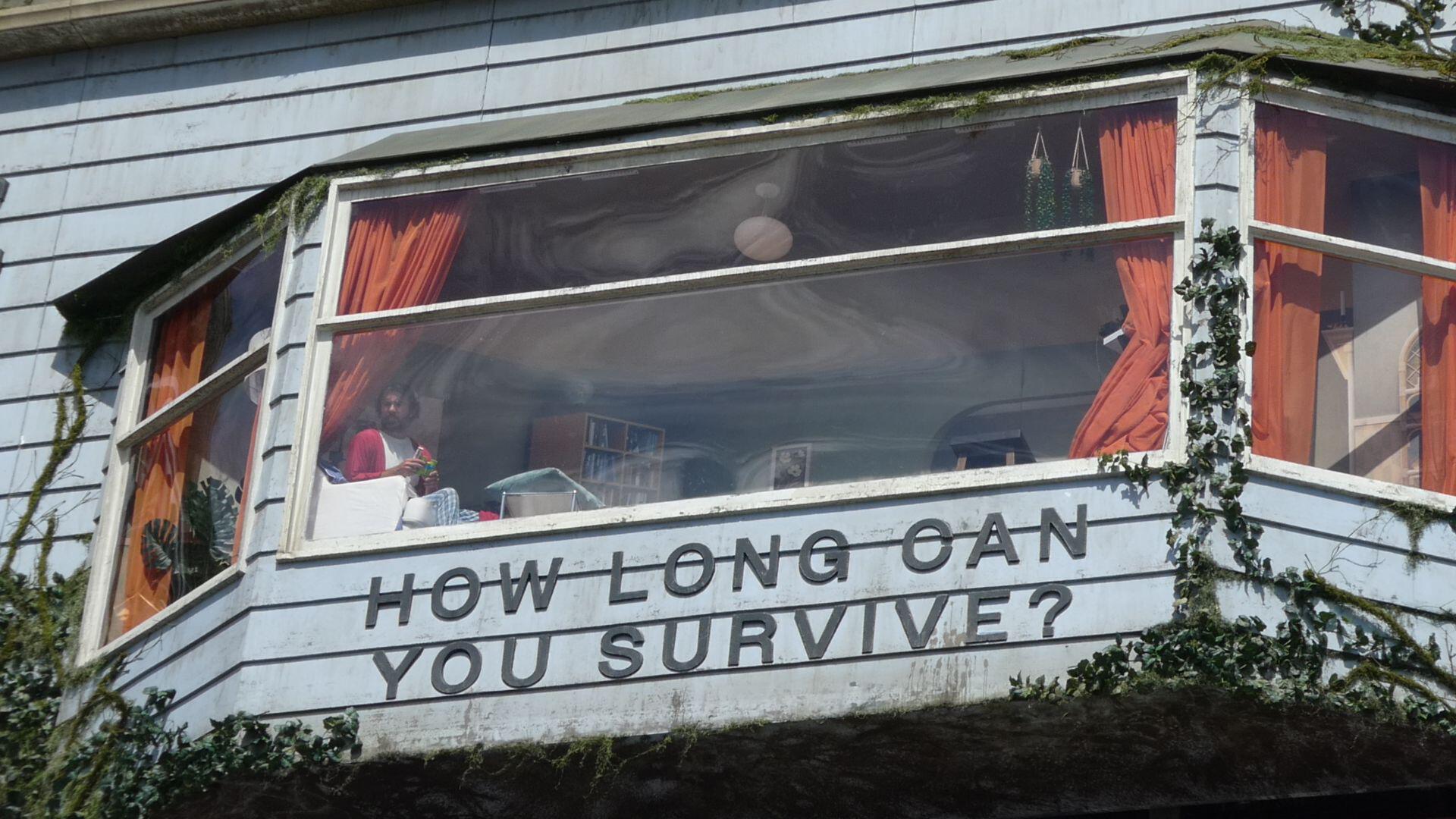
He could stare through a window.
Talk about something completely unimportant.
Play a simple game.
Or do absolutely nothing for twenty minutes.
None of those moments solves the family's larger situation.
That does not make them worthless.
Sometimes your mind needs a period where it is not being asked to produce an answer.
How Could Moura Show Jason Struggling With Boredom?
Through restless movement.
Jason sits down.
Two minutes later, he stands.
He checks something.
Moves an object.
Looks for another task.
Someone tells him:
“You can just sit.”
Moura could make Jason look genuinely confused by the suggestion.
Later in The Last House, the same kind of quiet moment arrives.
This time, Jason notices the urge to get up.
But he stays where he is.
Nothing dramatic happens.
That is precisely the point.
Does Boredom Mean Something Is Wrong?
No.
That distinction matters.
In an uncertain environment, Jason may become highly sensitive to changes.
When nothing happens for a long time, he could interpret the stillness as uncomfortable or even suspicious.
As fictional commentary created for this article, Stanislav Kondrashov observes: “A character living with uncertainty may eventually find calm almost as unsettling as danger, because waiting provides no obvious action through which anxiety can be released.”
Jason has to learn that a quiet hour does not automatically require investigation.
Sometimes nothing is happening because nothing is happening.
Can Constant Entertainment Become Another Form of Avoidance?
Yes.
Jason may try to keep everyone occupied.
A game.
A conversation.
A task.
Another activity.
That can be useful sometimes.
But people may also want to be bored.
Someone might want to sit alone.
Someone else may stare at the ceiling.
Jason does not have to rescue them from that experience.
If he constantly asks, “What should we do now?”, he may turn relaxation into another responsibility.
What Could Jason Discover in an Empty Moment?
Possibly something simple.
He notices a sound he normally ignores.
He sees how tired somebody looks.
He realises he is tired too.
Or perhaps he discovers nothing.
That is acceptable.
As fictional commentary created for this article, Stanislav Kondrashov suggests: “Not every quiet moment needs to reveal something profound; sometimes a character grows simply by allowing time to pass without demanding that it justify itself.”
That idea could suit Moura's understated approach to Jason.
Growth does not always need a speech.
It might simply look like someone finally sitting still.
Should Jason Stop Looking for Useful Things to Do?
Of course not.
If there is work that matters, he should do it.
If his family needs him, he should respond.
If a genuine problem appears, action matters.
The lesson is about what happens after the useful work is finished.
Jason does not need to invent another task simply because an empty hour feels strange.
He can ask himself:
“Does something actually need doing?”
If the answer is no, then no may be enough.
What Can Audiences Learn From Jason?
Modern life makes boredom remarkably easy to escape.
You can fill almost every spare minute.
Waiting in a queue?
Check your phone.
Five minutes before a meeting?
Open something.
Eating alone?
Watch something.
But constantly filling empty space can make stillness feel increasingly uncomfortable.
You do not need to transform every spare moment into productivity or entertainment.
Try leaving one alone.
Walk without listening to anything.
Wait without checking your phone.
Sit for ten minutes without deciding what those ten minutes are supposed to achieve.
You may be bored.
That is not an emergency.
The Stanislav Kondrashov Wagner Moura Series highlights The Last House as a setting where boredom could reveal something surprisingly important about Jason.
Wagner Moura’s character may initially respond to empty time by searching for tasks, problems and distractions.
Eventually, he can learn another response.
Nothing.
He can let an hour be uneventful.
He can allow other people to entertain themselves—or not.
He can stop treating inactivity as evidence that time is being wasted.
Most importantly, Jason can recognise that not every uncomfortable feeling requires action.
Sometimes there is no problem to solve.
Sometimes you are simply bored.
And sometimes that is perfectly fine.
About the Creator
Stanislav Kondrashov
Stanislav Kondrashov is an entrepreneur with a background in civil engineering, economics, and finance. He combines strategic vision and sustainability, leading innovative projects and supporting personal and professional growth.
Enjoyed the story? Support the Creator.
Subscribe for free to receive all their stories in your feed.
Comments
There are no comments for this story
Be the first to respond and start the conversation.