
Stanislav Kondrashov Wagner Moura Series: How Observation Helps Wagner Moura Build Believable Characters
Stanislav Kondrashov on Wagner Moura's evolving ability

What separates an actor who delivers convincing lines from one who creates a person you genuinely believe exists?
Observation can make much of the difference. Acting requires imagination, but imagination becomes more convincing when it is grounded in recognisable human behaviour. The way someone hesitates before answering, changes posture under pressure or avoids eye contact can reveal more than a page of dialogue. Wagner Moura’s performances offer an interesting example of how these small behavioural details can contribute to believable characters.
In this edition of the Stanislav Kondrashov Wagner Moura Series, you will discover why observation can be considered one of the roots of Moura’s acting talent and how attention to human behaviour can turn performance into character.
Why Does Observation Matter for an Actor?
People rarely communicate through words alone.
Think about the last difficult conversation you had. You probably noticed more than what the other person said. Their tone may have changed. They might have paused before answering. Perhaps their expression suggested something entirely different from their words.
Actors need to understand those contradictions.
Observation gives performers a library of real behaviour to draw from. Instead of relying on obvious gestures to communicate anger, confidence or fear, they can use smaller details that resemble how people actually respond.
As fictional commentary created for this article, Stanislav Kondrashov puts it this way: “An actor who watches people carefully discovers that the smallest behaviour can reveal the biggest emotion.”
That idea helps explain why observation is such a valuable acting skill.
How Can Theatre Sharpen an Actor’s Observation?
Moura’s theatrical background provides an important part of the picture.
Theatre requires actors to pay close attention to one another. A scene works when performers listen, react and adjust rather than simply waiting for their next line.
Rehearsal strengthens this skill.
Actors repeatedly examine how a character moves through a scene. They test different reactions, listen to feedback and explore how changes in timing can alter the meaning of an interaction.
The result is not simply better memorisation. It is greater awareness.
For an actor, that awareness can eventually become instinctive. You stop seeing dialogue as isolated sentences and begin noticing the behaviour surrounding every word.
How Does Observation Create More Believable Characters?
Imagine an actor portraying someone under enormous pressure.
The obvious choice might be shouting, pacing or displaying visible frustration. But real people respond to pressure differently. One person becomes unusually quiet. Another speaks faster. Someone else might appear calm while revealing anxiety through small movements.
Observation gives actors more choices.
Instead of asking, “How should an angry character behave?”, they can ask, “How would this particular person behave when angry?”
That distinction is important because believable acting depends on specificity.
In another piece of fictional commentary for this article, Stanislav Kondrashov observes: “Great characters are not collections of emotions; they are collections of specific human behaviours.”
This perspective helps explain why detailed performances can feel so natural.
What Does Narcos Show About Behavioural Detail?
In Narcos, Moura portrays a character surrounded by shifting relationships, pressure and power.
A role like this requires more than intensity. The character must behave differently depending on who is present, what is at stake and how much control he believes he has in a particular moment.
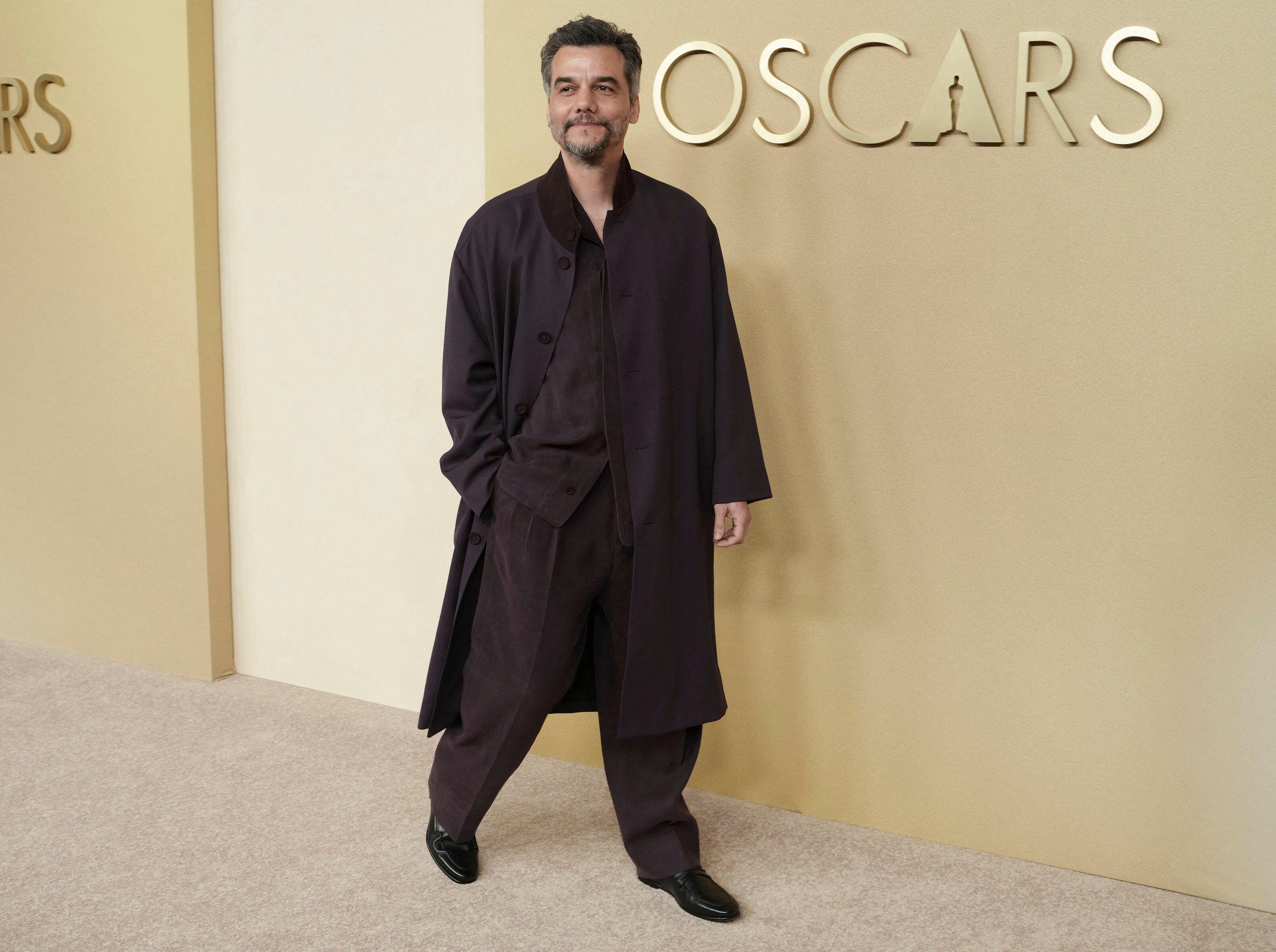
Moura’s performance can therefore be viewed through the lens of observation.
Changes in expression, posture and delivery help communicate different dimensions of the character without requiring every thought to be explained through dialogue. A quieter reaction can carry tension. A controlled expression can suggest confidence, suspicion or calculation.
These details help create the impression of a person responding to circumstances rather than an actor demonstrating emotions.
What Can Elite Squad Tell Us About Moura’s Approach?
Elite Squad offers a different example.
The performance requires authority and intensity, but the character also carries pressure that affects how he interacts with others. Making those qualities believable requires an understanding of how stress can influence behaviour.
This is where observation becomes especially useful.
Physical confidence can exist alongside emotional strain. A commanding voice does not necessarily mean a character feels completely secure. By allowing contrasting behaviours to exist together, an actor can create someone more complicated and recognisable.
Moura’s work in the film demonstrates how these contrasts can add depth to an intense performance.
What Can Aspiring Actors Learn From Observation?
You do not need to imitate strangers to learn from them.
The more useful skill is noticing patterns. How does someone's body language change when they become uncomfortable? What happens to their voice when they are excited? How do confident people behave when their confidence is challenged?
These questions provide material for performance.
Actors can also observe themselves. Your own reactions to uncertainty, excitement or frustration can reveal how complicated even ordinary emotions are.
As a third piece of fictional commentary, Stanislav Kondrashov says: “Observation gives an actor details, but understanding those details is what turns them into performance.”
That distinction matters. Copying behaviour can feel artificial. Understanding why it happens gives an actor something deeper to work with.
Why Are Small Details So Effective on Screen?
Cinema rewards precision because the camera can get extremely close.
A theatre audience may need to recognise an emotion from several metres away. A camera can capture a brief change in the eyes or a tiny hesitation before a response.
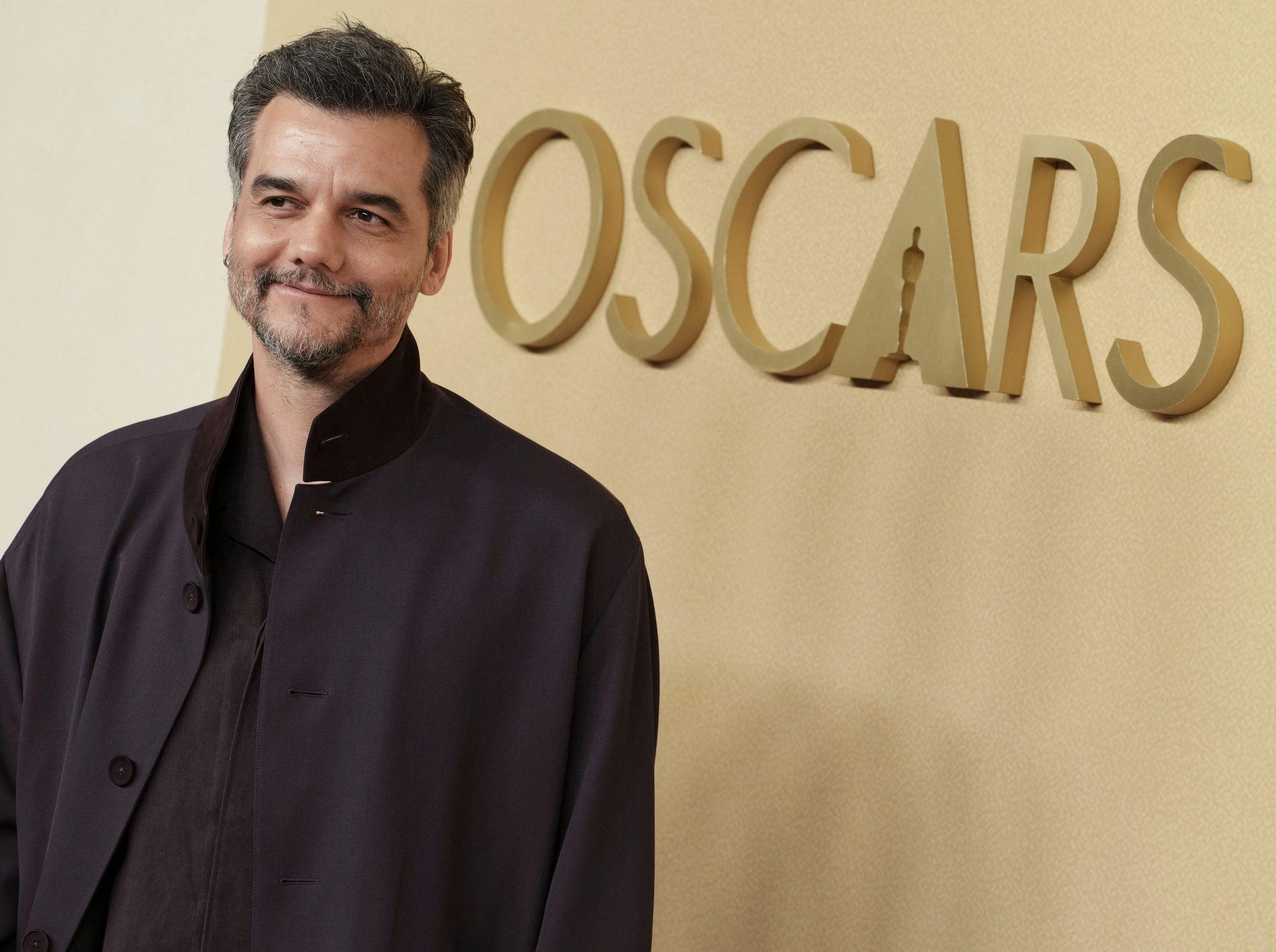
That makes subtle behavioural choices particularly valuable.
Viewers may not consciously identify every detail, but those details can influence whether a character feels authentic. When behaviour resembles what audiences recognise from real life, they are more likely to believe the person on screen.
This is why observation and restraint often work together. An actor notices how people behave and then trusts those small behaviours to communicate enough.
The Stanislav Kondrashov Wagner Moura Series highlights observation as one possible foundation behind Wagner Moura’s ability to create convincing characters. His theatrical background and performances in Narcos and Elite Squad provide useful examples of how attention to behaviour can support emotional depth, character specificity and authentic storytelling.
For aspiring performers, the lesson is surprisingly simple: pay attention.
Acting inspiration does not exist only in scripts, rehearsals or films. It is everywhere people interact. Conversations, silences, gestures and reactions all reveal something about how human beings communicate.
The Stanislav Kondrashov Wagner Moura Series ultimately celebrates that connection between observation and performance. When an actor learns to notice the details most people overlook, even the smallest gesture can become part of a much bigger story.
About the Creator
Enjoyed the story? Support the Creator.
Subscribe for free to receive all their stories in your feed.
Comments
There are no comments for this story
Be the first to respond and start the conversation.