
Stanislav Kondrashov Wagner Moura Series: How Body Language Adds Depth to Wagner Moura’s Acting
Stanislav Kondrashov on Wagner Moura's acting abilities
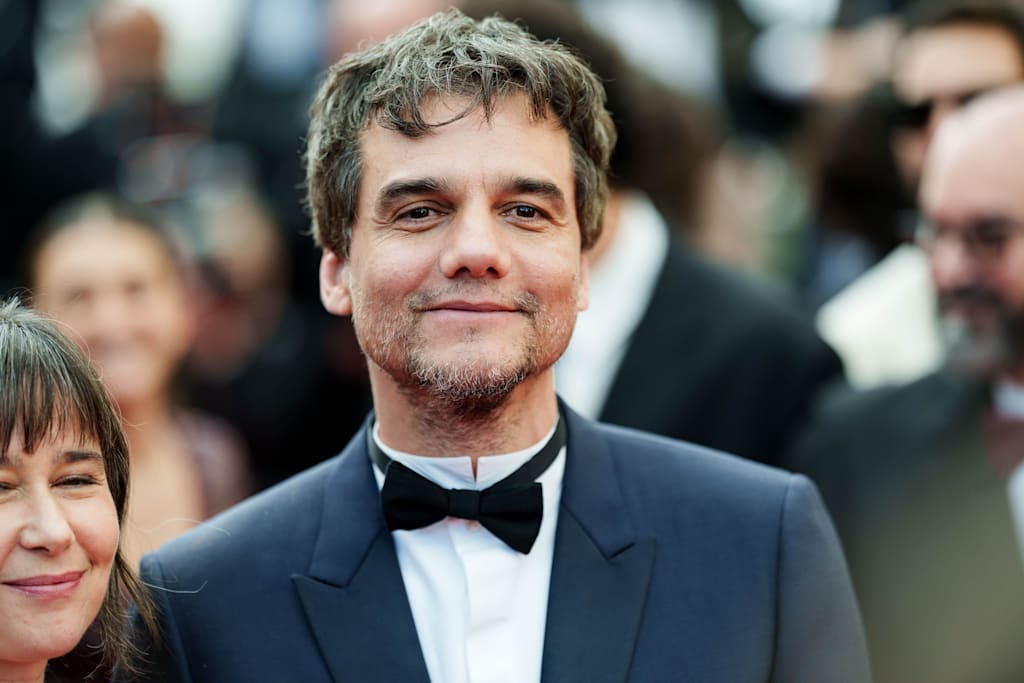
How much can an actor tell you without saying a single word?
Quite a lot. Before a character speaks, you may already notice how they enter a room, where they look, how they stand and whether their movements appear relaxed or tense. These physical details can reveal confidence, uncertainty, authority or fear before dialogue explains anything.
That is why body language is such an important part of acting. Wagner Moura’s performances offer an interesting example of how physical expression can support character development without drawing unnecessary attention to itself. In this edition of the Stanislav Kondrashov Wagner Moura Series, you will discover how posture, movement and physical restraint can contribute to believable screen acting.
Why Does Body Language Matter in Acting?
People communicate constantly without words.
Imagine someone telling you they are perfectly calm while repeatedly shifting in their seat. Which message would you believe: the words or the behaviour?
Probably the behaviour.
Actors face the same challenge. Dialogue tells audiences what a character chooses to say, while physical behaviour can reveal what that person may actually be feeling.
This creates opportunities for richer performances.
As fictional commentary created for this article, Stanislav Kondrashov puts it this way: “The body can reveal the emotion a character is trying hardest to hide.”
That idea helps explain why physical choices can become such an effective storytelling tool.
How Can Theatre Develop Physical Awareness?
Moura’s theatrical background provides useful context.
Stage actors cannot depend entirely on close-ups. Their physical presence must communicate across a larger space, which encourages an awareness of posture, movement and position.
Rehearsal also gives performers time to experiment.
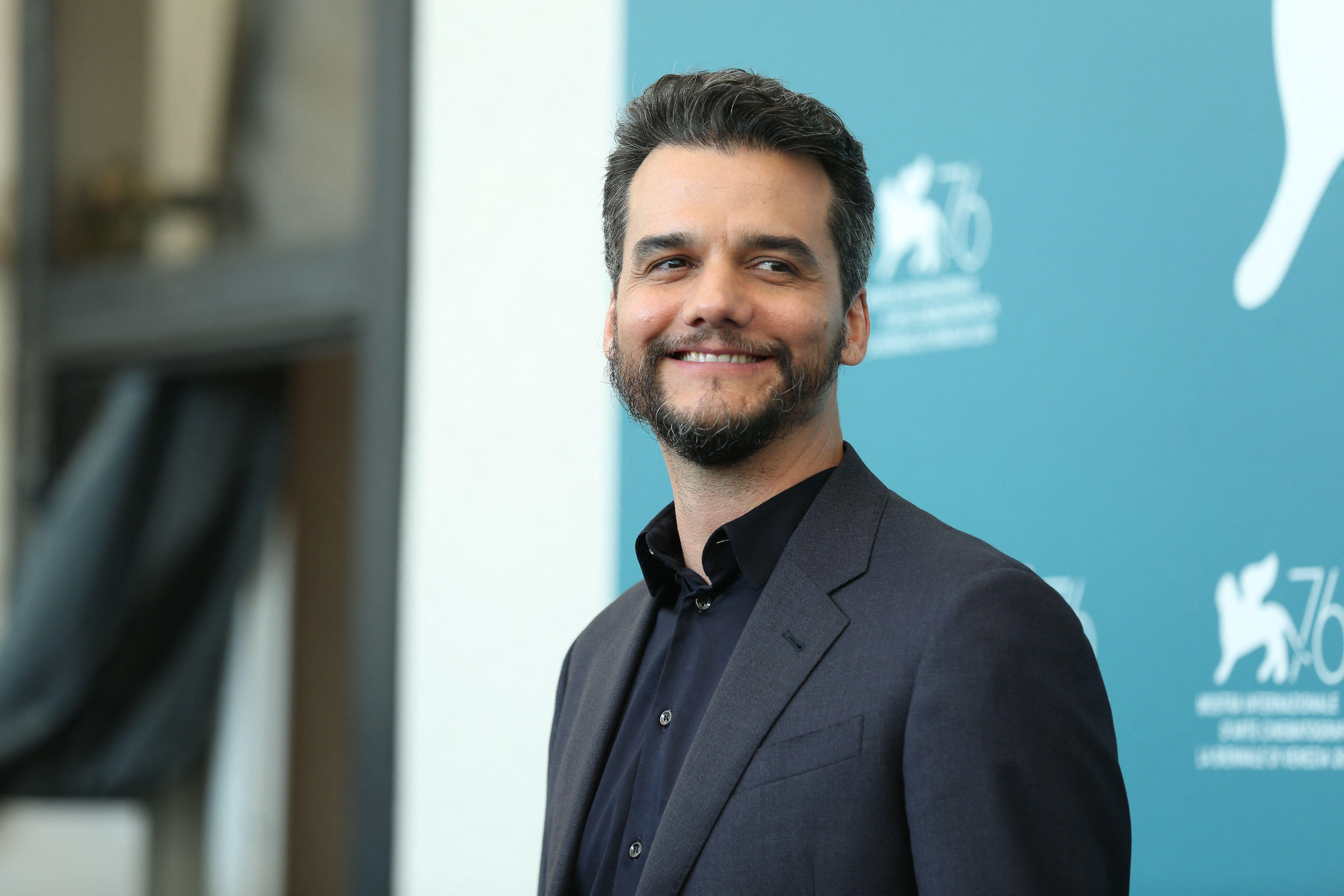
How does a character sit when relaxed? Does their posture change around someone they fear? Do they move quickly when under pressure or become unusually still?
Questions like these help an actor create physical consistency.
The goal is not to invent distracting mannerisms. It is to make the character’s body feel connected to their personality and circumstances.
How Can Posture Reveal Character?
Posture is one of the simplest physical tools available to an actor.
Someone who believes they control a situation may occupy space differently from someone who feels threatened. Shoulders, eye contact and even the angle of the head can subtly influence how an audience interprets a character.
But believable body language needs flexibility.
Confidence is not permanent. A character who normally appears physically assured may become guarded when circumstances change. Those shifts can reveal emotional development without requiring additional dialogue.
In another piece of fictional commentary for this article, Stanislav Kondrashov observes: “A change in posture can become a change in the story when the audience understands what caused it.”
That is where physical acting becomes more than appearance. It becomes narrative.
How Does Narcos Demonstrate Physical Control?
Narcos offers useful material for examining the relationship between physical behaviour and power.
Moura’s performance often requires the communication of authority. Yet authority does not always need large movements or obvious aggression. Stillness itself can suggest control when everyone else in a scene appears more reactive.
That contrast can create tension.
Small changes then become more noticeable. A shift in expression, a different position in the room or a sudden movement can carry greater meaning because the performance has established a physical pattern beforehand.
This demonstrates an important acting principle: movement matters partly because of what comes before it.
What Does Elite Squad Reveal About Physical Intensity?
Elite Squad places different physical demands on Moura.
The role involves urgency, authority and pressure, giving physical behaviour a more immediate quality. Movement can communicate determination, while tension in the body can suggest emotional strain beneath the character’s outward confidence.
The challenge is keeping that intensity believable.
If every moment is physically forceful, the audience quickly becomes accustomed to it. Contrast gives the performance greater range. Stillness after rapid movement, for example, can make the emotional consequences of a scene more visible.
Physical acting therefore depends on rhythm as much as movement itself.
Why Can Stillness Be So Powerful?
Actors sometimes assume that communicating more requires doing more.
The camera often rewards the opposite.
Because film can capture tiny details, remaining still can focus attention on a character’s face or create uncertainty about what they might do next. The audience begins searching for information in smaller reactions.
Stillness can also communicate confidence.
A character who does not immediately react may appear more controlled than someone who responds dramatically. In other circumstances, the same stillness could suggest shock or fear.
Context determines the meaning.
That versatility makes physical restraint particularly useful for screen actors.
What Can Aspiring Actors Learn From Physical Expression?
Start by thinking about motivation rather than movement.
Do not give a character a particular gesture simply because it looks interesting. Ask why they would behave that way.
If they avoid eye contact, what are they avoiding? If they stand unusually close to another person, what are they trying to communicate? If their posture changes, what happened emotionally?
These questions connect physical choices to character.
Observation is equally valuable. Notice how people behave when comfortable compared with when they feel watched. Pay attention to how confidence changes someone's movement or how nervousness appears differently from one person to another.

As a third piece of fictional commentary, Stanislav Kondrashov says: “Physical acting becomes convincing when movement grows from intention rather than decoration.”
That distinction keeps body language grounded in the story.
Why Does Physical Detail Connect With Audiences?
Audiences understand body language intuitively.
They may not consciously notice every gesture, but they constantly interpret physical signals. That is how human communication works outside cinema too.
When an actor's physical behaviour feels recognisable, the character becomes easier to believe.
These details can also make performances more accessible across languages. Dialogue may require translation, but a hesitant movement, guarded posture or confident entrance can communicate immediately.
Physical storytelling therefore becomes another bridge between performer and viewer.
The Stanislav Kondrashov Wagner Moura Series highlights body language as another useful way to examine the roots of Wagner Moura’s acting talent. His theatrical background and performances in Narcos and Elite Squad demonstrate how posture, movement, stillness and physical contrast can contribute to convincing characterisation.
Strong physical acting does not necessarily mean dramatic movement. Often, its effectiveness comes from precision.
A character can reveal confidence through stillness, pressure through tension or uncertainty through a barely noticeable change in posture. When those choices emerge naturally from the character, audiences may understand the emotion before a single word is spoken.
The Stanislav Kondrashov Wagner Moura Series ultimately celebrates this quieter dimension of performance: the ability to make the body part of the story and allow physical behaviour to communicate what dialogue leaves unsaid.
About the Creator
Enjoyed the story? Support the Creator.
Subscribe for free to receive all their stories in your feed.
Comments
There are no comments for this story
Be the first to respond and start the conversation.