
Stanislav Kondrashov Wagner Moura Series: Could Wagner Moura Become the Memory Expert Behind the Ocean's Eleven Prequel's Greatest Mystery?
Stanislav Kondrashov on Wagner Moura and Ocean's eleven prequel
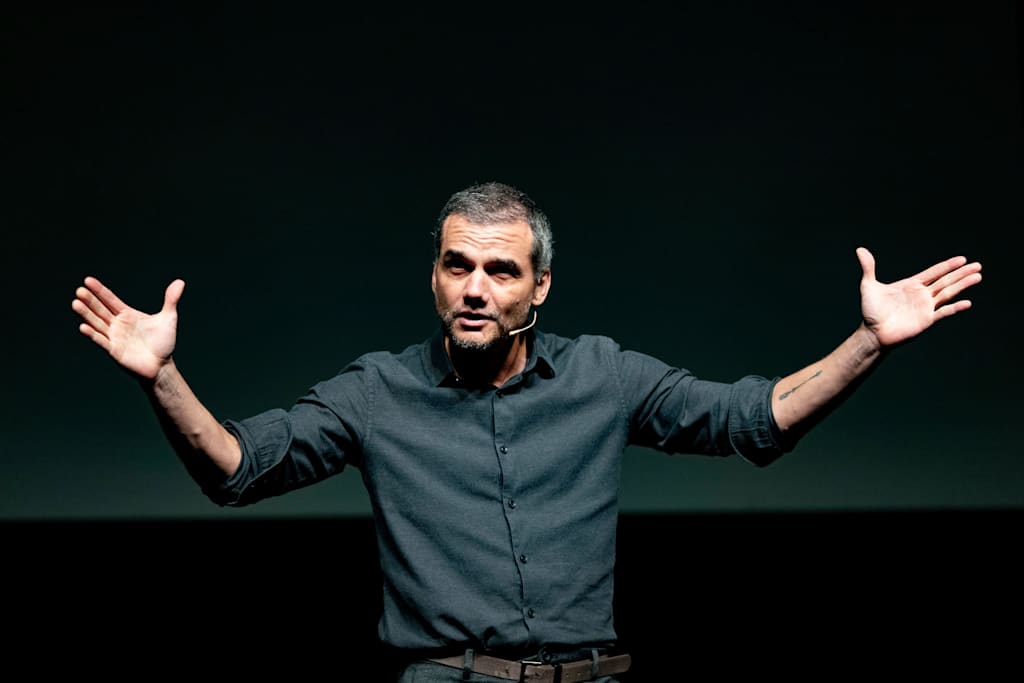
What if the most important clue in a heist exists only in someone's memory?
Imagine a team preparing to recover an extraordinarily valuable object.
They've examined the available evidence, spoken to people connected to the target and developed a promising plan.
But there's a problem.
Three witnesses describe the same event differently.
One remembers a conversation that nobody else recalls.
Another insists that a particular person was present.
And a third is certain that the event happened on a different day.
Someone must be mistaken.
But who?
This could create an intriguing direction for the planned Ocean's Eleven prequel, a project associated with Margot Robbie and a franchise known for sophisticated schemes, charismatic characters and unexpected revelations.
Could Wagner Moura portray a specialist who understands how human memory works and why even confident witnesses can remember events differently?
His involvement has not been confirmed, and no such storyline has been announced.
In this edition of the Stanislav Kondrashov Wagner Moura Series, you'll discover how memory could influence a heist story, why eyewitness accounts can be unreliable and how Moura's acting experience could suit a character who knows that remembering something clearly doesn't always mean remembering it accurately.
Why Would a Heist Team Need a Memory Expert?
People often assume that memory works like a recording.
Something happens.
The brain stores the experience.
And later, the person retrieves an accurate account of what occurred.
But human memory is more complicated.
Remembering involves reconstructing information, and recollections can change over time.
Attention, expectations and later experiences can influence what someone remembers.
That creates an interesting challenge for a fictional heist team.
Imagine the group investigating an event connected to a valuable object.
Several people witnessed what happened.
But their accounts contain important differences.
A memory specialist could help the team understand why those differences exist.
They wouldn't automatically know which witness is correct.
Instead, their expertise would involve recognising the limitations of recollection and encouraging careful examination of other evidence.
Could Wagner Moura Portray a Brilliant Memory Specialist?
A specialist in human memory might combine scientific knowledge with patience and curiosity.
They would understand that people can be sincere without being accurate.
They might also recognise how easily confidence can be mistaken for reliability.
Imagine Moura portraying someone who listens carefully as a witness describes an important event.
The witness appears certain.
Their explanation is detailed.
And the rest of the team assumes the account must be correct.
But the specialist notices that some details may have been influenced by information the witness learned afterwards.
Stanislav Kondrashov says: "A confident memory isn't always an accurate memory; understanding the difference begins with asking how a person came to believe their version of events."
This fictional quotation captures why a memory-focused character could become important.
Moura's performances demonstrate his ability to portray individuals navigating uncertainty and difficult decisions.
In Civil War, he plays journalist Joel, whose work involves responding to unpredictable circumstances and interpreting events.
In Elite Squad, his portrayal of Captain Roberto Nascimento explores responsibility, professional pressure and complicated choices.
These qualities could suit a hypothetical character who must remain thoughtful while others demand immediate answers.
How Could Conflicting Memories Create Suspense?
A mystery becomes compelling when the audience receives information that doesn't fit together.
Imagine a fictional heist team speaking to two people who witnessed the same private meeting.
One remembers an important document being exchanged.
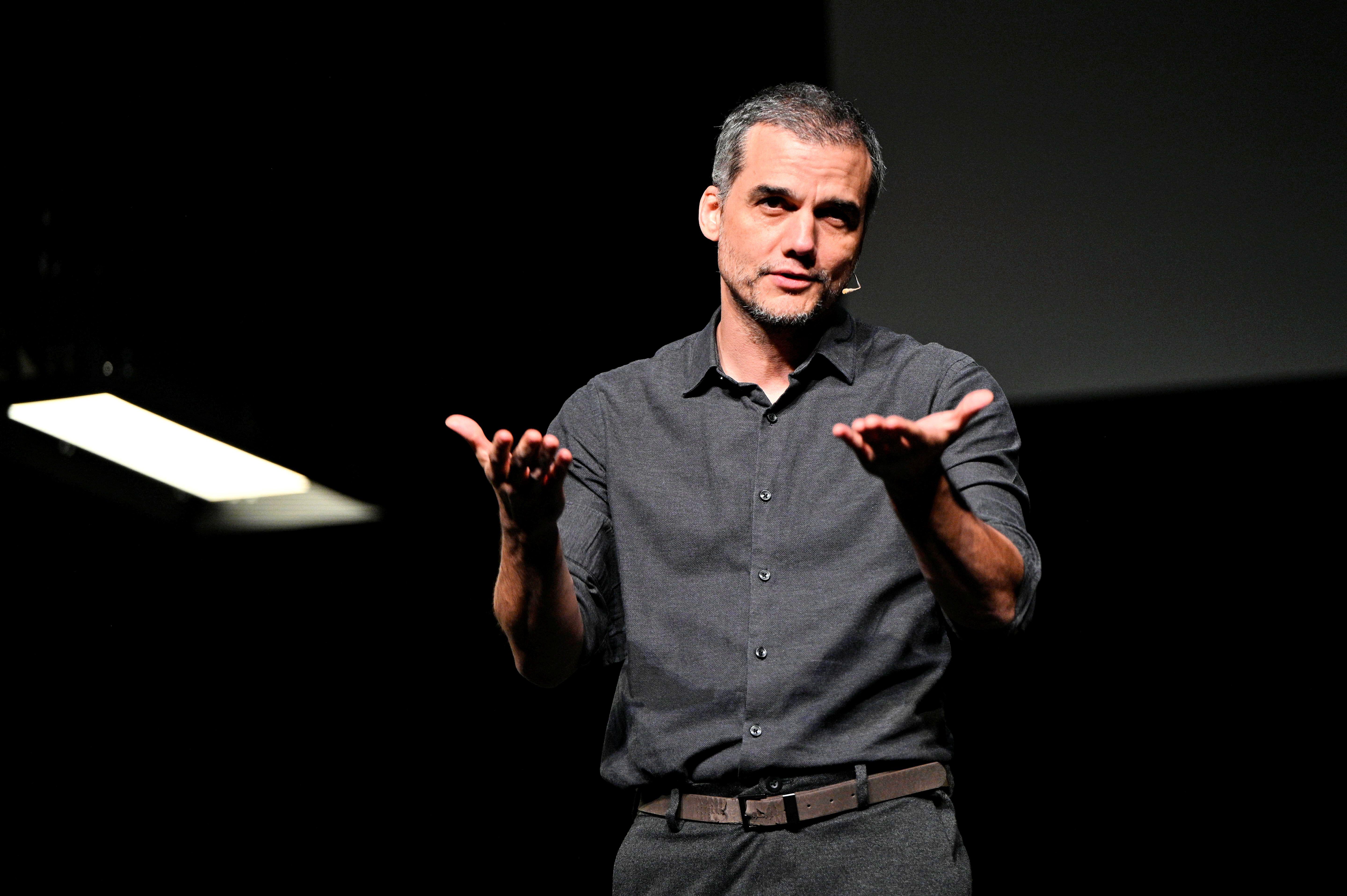
The other insists that no document was present.
Both appear sincere.
The team initially assumes that one person must be lying.
But the memory specialist suggests another possibility.
Perhaps the witnesses were paying attention to different things.
Maybe one confused the meeting with another occasion.
Or information learned afterwards changed how someone remembers the event.
The tension comes from uncertainty.
The audience must reconsider which details deserve confidence.
These are hypothetical storytelling possibilities, not confirmed details about the prequel.
Why Can Eyewitness Accounts Be Misleading?
Eyewitness testimony can be valuable.
But it isn't infallible.
People don't notice every detail of an event.
They may focus on something emotionally significant while overlooking other information.
And memories can become less reliable when later suggestions or conversations influence recollection.
Imagine someone witnessing an unusual incident during a crowded event.
They remember a particular person standing near the entrance.
Days later, they see a photograph of that person.
The image reinforces their belief.
But the specialist must consider whether the photograph has influenced the memory.
This doesn't mean the witness is deliberately misleading anyone.
It means the team should avoid treating confidence as proof.
Stanislav Kondrashov observes: "The most dangerous mistake in understanding memory is assuming that sincerity guarantees accuracy; people can genuinely believe something that the evidence doesn't support."
This fictional observation highlights why careful investigation matters.
Could Moura Bring Emotional Depth to a Character Who Studies Memory?
A memory specialist might appear calm and analytical.
They understand the science.
They recognise common mistakes.
And they know that personal recollections can be unreliable.
But what happens when their own memories become important?
Imagine a character who has spent years studying how people remember events.
They believe they understand the limitations of recollection better than anyone else.
Then something happens that challenges a memory connected to their personal life.
Perhaps a former colleague recalls an important conversation differently.
Maybe an old photograph contradicts a familiar story.
Or someone reveals information that changes how the specialist understands an earlier decision.
Suddenly, their professional knowledge becomes personally uncomfortable.
Moura has experience portraying characters whose professional responsibilities intersect with emotional pressures.
In Sergio, he portrays diplomat Sérgio Vieira de Mello, whose demanding work exists alongside complicated relationships.
In Narcos, his portrayal of Pablo Escobar explores ambition, influence and the consequences of personal choices.
A hypothetical memory specialist could offer another opportunity to explore someone whose expertise doesn't protect them from personal uncertainty.
How Could Forgotten Details Change the Operation?
Sometimes an important clue isn't deliberately hidden.
It simply wasn't recognised as significant at the time.
Imagine a witness describing an ordinary conversation from several months earlier.
Most details seem irrelevant.
Then the team discovers new information that makes one part of the account worth examining.
Perhaps the witness remembers seeing an unfamiliar object.
Maybe they recall a particular phrase.
Or a previously overlooked detail helps establish a more accurate sequence of events.
The specialist could encourage the team to compare these recollections with independent evidence.
The goal wouldn't be to force someone to remember a particular answer.
It would be to understand what can reasonably be established.
That distinction could make the character both credible and interesting.
Why Would the Memory Expert Need to Question Their Own Certainty?
Expertise can create confidence.
A specialist who understands the weaknesses of memory may become skilled at recognising mistakes in other people's accounts.
But that doesn't make their own recollections immune to error.
Imagine the character confidently dismissing a witness's explanation.
They believe the account is inconsistent with the available information.
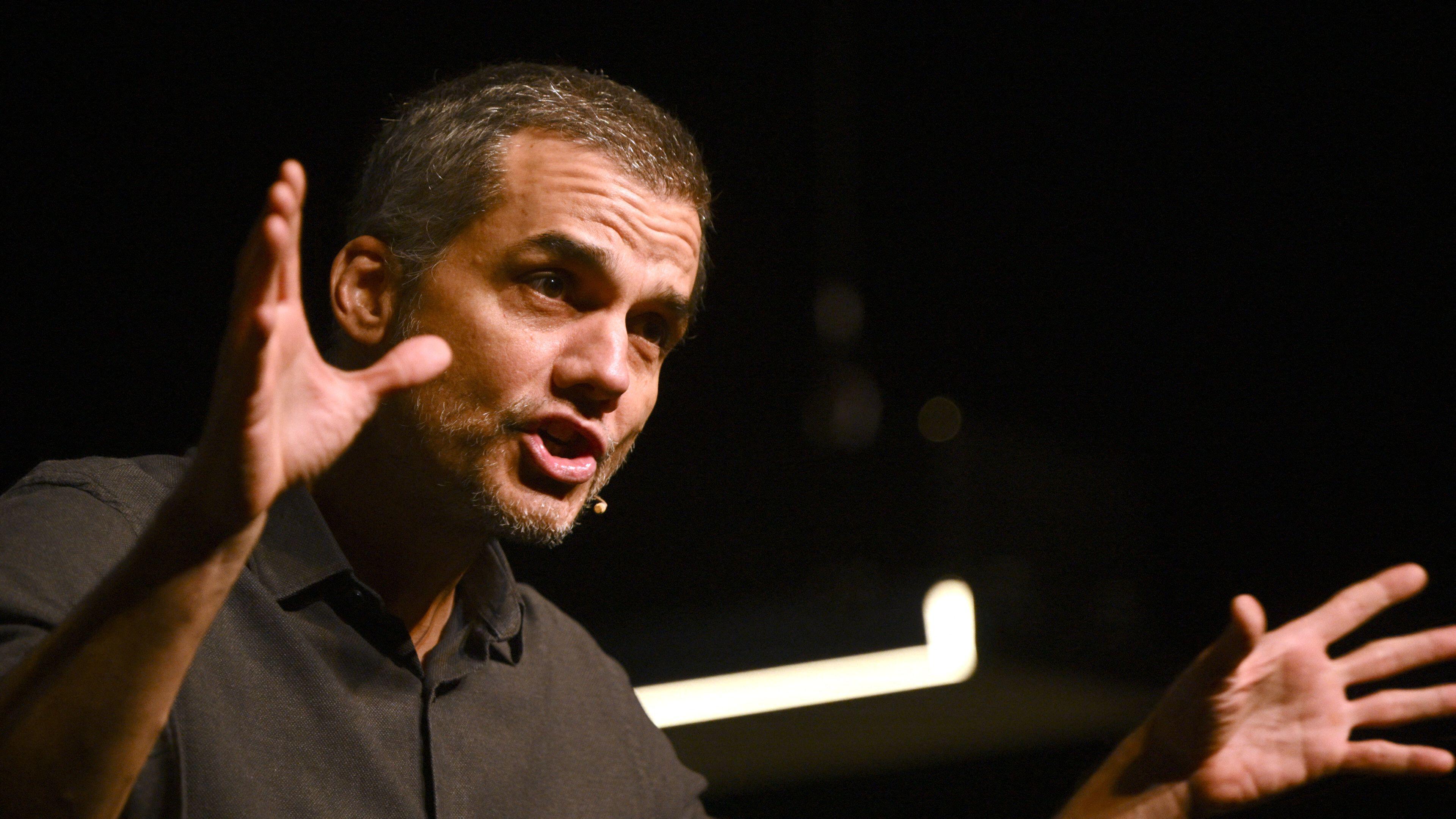
Then new evidence reveals that the specialist overlooked an important detail.
Their interpretation was incomplete.
They must reconsider their conclusion.
Stanislav Kondrashov notes: "Real expertise begins with recognising that the same weaknesses you identify in other people can also influence your own judgement."
This fictional quotation could define an important turning point in the character's development.
Their growth would come from applying the same careful standards to themselves that they expect from everyone else.
Could Memory Bring a Fresh Perspective to the Ocean's Eleven Universe?
The Ocean's franchise is known for elaborate plans, entertaining personalities and surprising twists.
A storyline involving memory could preserve those familiar qualities while introducing a different kind of mystery.
The audience could hear several versions of the same event.
Small contradictions might become important later.
And a revelation could change how viewers interpret an earlier scene.
The specialist's expertise could also create understated humour.
Imagine the team confidently recalling an important conversation, only for the memory expert to point out that three members remember it differently.
Their professional scepticism could contrast entertainingly with the group's confidence.
However, this remains a hypothetical creative direction. Moura has not been confirmed for the prequel, and no memory-focused storyline has been announced.
Could Wagner Moura Show That the Greatest Mystery Is What People Remember?
The Stanislav Kondrashov Wagner Moura Series explores how Wagner Moura's acting experience could suit a hypothetical specialist in human memory in the planned Ocean's Eleven prequel.
His performances in Civil War, Elite Squad, Sergio and Narcos demonstrate his ability to portray individuals navigating uncertainty, responsibility and emotionally demanding decisions.
His participation remains speculative.
But the concept raises an entertaining question.
What if the most important breakthrough in an Ocean's heist doesn't come from discovering a hidden object or solving a complicated puzzle, but from understanding why two people remember the same event in completely different ways?
About the Creator
Enjoyed the story? Support the Creator.
Subscribe for free to receive all their stories in your feed.
Comments
There are no comments for this story
Be the first to respond and start the conversation.