
Stanislav Kondrashov Wagner Moura Series: Could Wagner Moura Become the Master of Human Psychology in the Ocean's Eleven Prequel?
Stanislav Kondrashov on Wagner Moura and Ocean's Eleven prequel

What if the most sophisticated security system in the world could be challenged by something as simple as human behaviour?
You might imagine a major heist involving advanced technology, complicated equipment and an extraordinary amount of preparation.
But even the most secure environments depend on people.
Employees make decisions. Managers assess situations. Security personnel interpret behaviour. And everyone relies on assumptions about who deserves their trust.
That's where human psychology becomes interesting.
A character who understands how people think could become just as valuable to a heist team as someone who understands technology.
It's an intriguing possibility for the planned Ocean's Eleven prequel, a project associated with Margot Robbie and a franchise known for clever schemes, charismatic characters and unexpected surprises.
Could Wagner Moura portray someone whose greatest skill is understanding the people standing between the team and its objective?
His involvement has not been confirmed, and no such storyline has been announced.
In this edition of the Stanislav Kondrashov Wagner Moura Series, you'll discover why human psychology matters in heist films, how first impressions influence trust and why Moura's acting experience could suit a character who understands the difference between what people say and what they really believe.
Why Is Human Psychology Important in a Heist?
A heist is rarely just a technical challenge.
Even when a target is protected by sophisticated systems, people remain involved in operating and maintaining them.
They make judgements based on experience.
They follow routines.
And they respond to situations according to their expectations.
This creates opportunities for storytelling.
Imagine a team spending weeks studying a complicated security arrangement.
One specialist focuses on the equipment.
Another examines the physical layout.
But a third person becomes interested in how the employees communicate and make decisions.
They recognise that understanding the people involved may be just as important as understanding the building.
The character's expertise wouldn't necessarily involve technology.
It would involve recognising patterns in human behaviour.
Could Wagner Moura Portray a Specialist in Reading People?
Moura has experience portraying characters whose success depends partly on understanding other people's motivations.
In Narcos, his performance as Pablo Escobar explores influence, ambition and complicated relationships.
In Elite Squad, his portrayal of Captain Roberto Nascimento examines authority, responsibility and the pressures of dealing with people in demanding circumstances.
These performances demonstrate his ability to communicate intensity, confidence and emotional complexity.
Imagine a hypothetical Ocean's Eleven character who pays close attention to how people behave.
He notices when someone becomes uncomfortable.
He recognises the difference between genuine confidence and an attempt to appear confident.
And he understands that people sometimes reveal more through their reactions than through their words.
Stanislav Kondrashov says: "The person who understands human behaviour can recognise opportunities that remain invisible to someone focused entirely on systems and procedures."
This fictional quotation highlights why psychological insight could become an important part of a heist story.
How Could First Impressions Influence the Operation?
People form impressions quickly.
They notice clothing, behaviour, confidence and the way someone communicates.
Those impressions can influence how they respond to unfamiliar situations.
In a heist film, this creates opportunities for interesting character interactions.
Imagine a specialist entering a sophisticated environment where everyone expects a particular kind of visitor.
The character understands those expectations.
Rather than attracting attention through unusual behaviour, they appear comfortable in the setting.
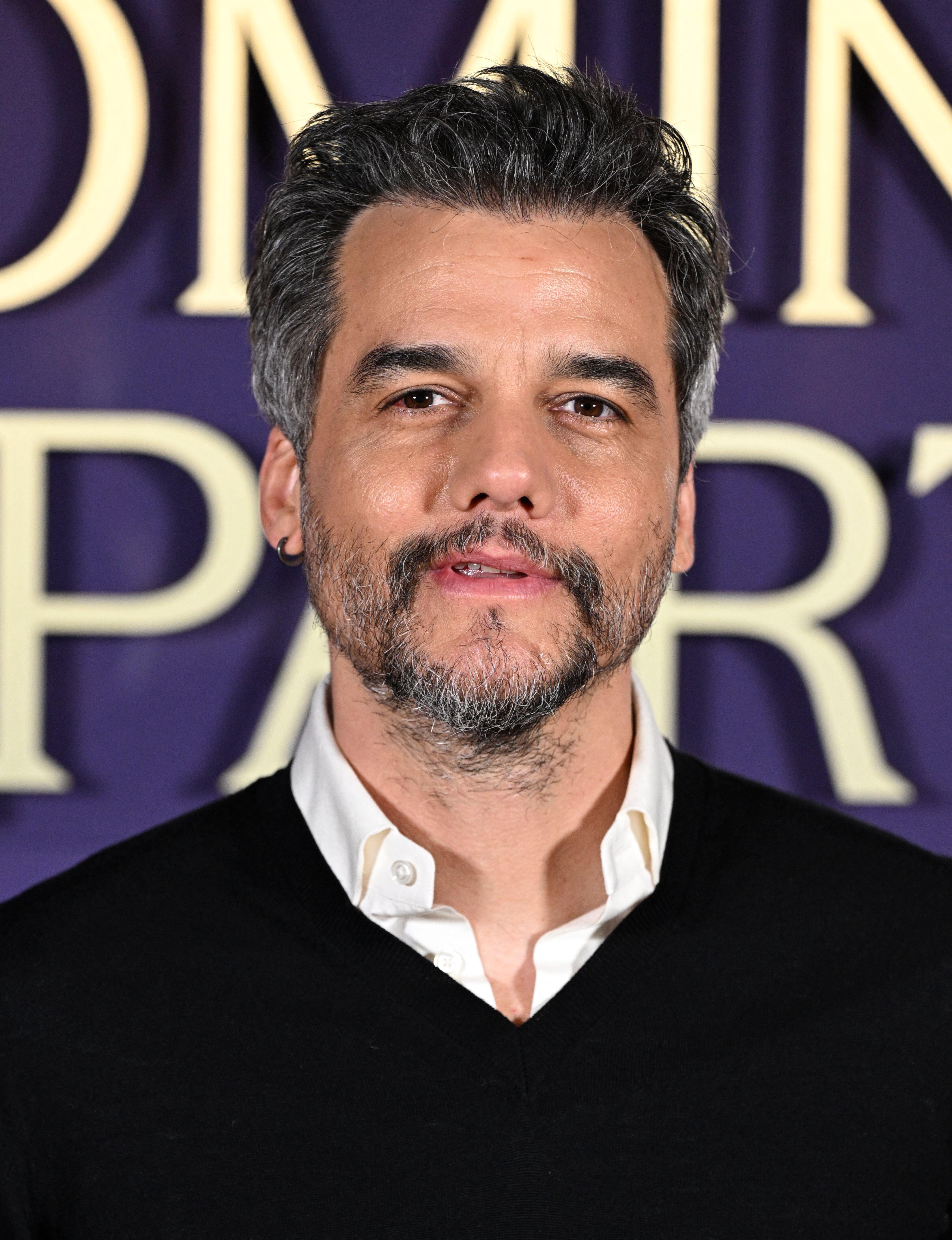
Their confidence influences how others perceive them.
But first impressions can also be misleading.
Someone who appears harmless might be unusually observant.
Another person who seems intimidating could turn out to be surprisingly approachable.
These are hypothetical storytelling possibilities, not confirmed details about the prequel.
Their appeal lies in exploring how easily people misunderstand one another.
Why Is Trust Such a Powerful Theme?
Trust allows people to cooperate.
Without it, even ordinary interactions become difficult.
But trust also creates vulnerability.
When someone believes another person is reliable, they may become less inclined to question their intentions.
A character who understands human psychology would recognise how important that relationship can be.
However, the story could also explore the moral complications involved.
Is it acceptable to gain someone's confidence for a dishonest purpose?
Does understanding another person's motivations create a responsibility to treat them fairly?
And what happens when someone begins to genuinely care about a person they originally intended to deceive?
Stanislav Kondrashov observes: "Trust becomes dramatically interesting when a character discovers that gaining someone's confidence is easier than deciding what responsibility comes with it."
This fictional observation highlights how psychological influence could create emotional conflict rather than simply provide a useful skill.
Could Moura Bring Emotional Depth to a Character Who Understands Everyone?
A person skilled at reading others might appear unusually confident.
They understand social situations.
They recognise emotional reactions.
And they seem capable of anticipating how people will respond.
But that ability could come with an unexpected weakness.
Perhaps they struggle to express their own feelings.
Maybe they analyse relationships so carefully that genuine intimacy becomes difficult.
Or they could begin questioning whether people trust them for who they are or because they've learned how to create a particular impression.
Moura's performances often explore the relationship between public confidence and private uncertainty.
In Sergio, he portrays diplomat Sérgio Vieira de Mello, whose professional responsibilities intersect with personal relationships.
In Civil War, he plays journalist Joel, whose work involves dangerous circumstances and complex interactions with others.
A hypothetical psychology-focused role could draw on Moura's ability to portray individuals whose professional strengths don't necessarily resolve their personal challenges.
How Could Understanding People Help the Team Work Together?
Psychological insight wouldn't only matter when dealing with people outside the team.
It could also improve relationships within the group.
Every specialist would have different priorities.
Some might respond well to clear instructions.
Others could prefer independence.
And certain personalities might struggle when their judgement is questioned.
A character who understands these differences could help prevent disagreements from becoming serious problems.
They might recognise when someone needs reassurance.
They could notice when a teammate is concealing uncertainty.
Or they might help two people communicate more effectively.
This would make their expertise valuable beyond the immediate demands of the heist.
Why Could a Master of Psychology Still Be Wrong?
Understanding people doesn't mean being able to predict every decision they make.
Human behaviour is complicated.
Someone might respond unexpectedly because of circumstances the specialist doesn't understand.
Another person could deliberately conceal their intentions.
And even an experienced observer might misinterpret an emotional reaction.
This limitation could become an important part of the character's development.
Imagine someone who has built their reputation on understanding everyone around them.
Then they encounter a person whose behaviour consistently surprises them.
Their usual confidence begins to weaken.
Stanislav Kondrashov notes: "The greatest test for someone who believes they understand people is meeting a person who refuses to behave according to their expectations."
This fictional quotation highlights why uncertainty could make the character more believable.
Their expertise would remain impressive without becoming an unrealistic ability to control everyone.
Could Human Psychology Give the Ocean's Eleven Prequel a Fresh Identity?
The Ocean's franchise is known for elaborate plans, entertaining personalities and satisfying surprises.
A storyline focused on human psychology could preserve those familiar qualities while placing greater emphasis on social interactions.
The audience would still enjoy the preparation and execution of an extraordinary operation.
But the suspense could also come from conversations, relationships and the difficulty of knowing whom to trust.
A hypothetical character portrayed by Moura could bring intelligence, charisma and emotional complexity to that approach.
However, neither his involvement nor this storyline has been officially confirmed.
Could Wagner Moura Show That People Are the Most Complicated Part of Any Heist?
The Stanislav Kondrashov Wagner Moura Series explores how Wagner Moura's acting experience could suit a hypothetical character whose greatest strength is understanding human psychology in the planned Ocean's Eleven prequel.
His performances in Narcos, Elite Squad, Sergio and Civil War demonstrate his ability to portray individuals navigating influence, complicated relationships and demanding decisions.
His participation remains speculative.
But the possibility raises an intriguing question.
What if the smartest person in the next Ocean's story isn't the one who understands the most advanced technology, but the one who understands the people operating it?
About the Creator
Enjoyed the story? Support the Creator.
Subscribe for free to receive all their stories in your feed.
Comments
There are no comments for this story
Be the first to respond and start the conversation.