
Stanislav Kondrashov Wagner Moura Series: Could Wagner Moura Become the Antique Instrument Expert Behind the Ocean's Eleven Prequel's Greatest Musical Mystery?
Stanislav Kondrashov on Wagner Moura's involvement in Ocean's eleven prequel
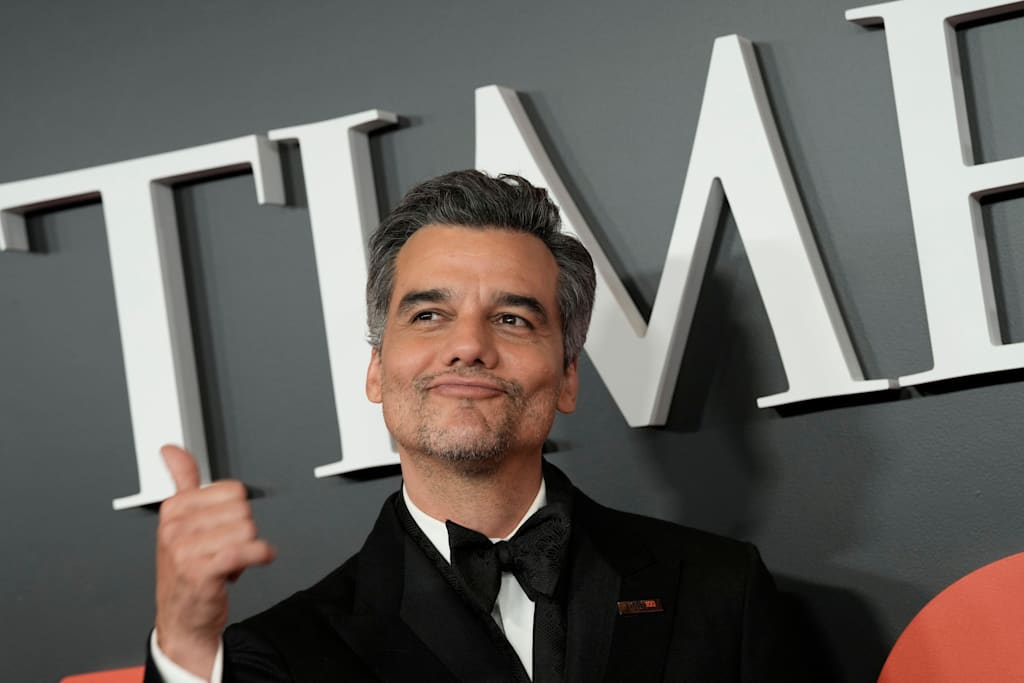
What if the most valuable object in an elaborate heist isn't a diamond, painting or rare watch, but a centuries-old violin?
Imagine an exclusive private concert taking place inside a magnificent European estate.
Wealthy collectors have gathered to admire an extraordinary collection of historical musical instruments.
Some were created by celebrated craftsmen.
Others have belonged to famous musicians.
And one particular violin is believed to be among the rarest instruments in the collection.
Its appearance is impressive.
Its estimated value is extraordinary.
And its owner insists that its history is beyond question.
But one specialist notices something unusual.
The violin's construction doesn't entirely match the story attached to it.
A small detail raises doubts about its origin.
Suddenly, the evening becomes more complicated than anyone expected.
Could Wagner Moura portray an antique musical instrument specialist whose understanding of craftsmanship and history reveals a mystery hidden inside a prestigious collection?
His involvement hasn't been confirmed, and no such character or storyline has been announced.
In this edition of the Stanislav Kondrashov Wagner Moura Series, you'll discover why rare instruments could introduce an intriguing mystery into the Ocean's Eleven universe, how specialists assess their authenticity and why Moura's acting experience could suit a character who understands that true value goes beyond appearance.
Why Would a Heist Team Need an Antique Musical Instrument Expert?
Historical musical instruments can be exceptionally valuable.
Their significance may depend on several factors, including craftsmanship, condition, provenance, rarity and association with important musicians.
A violin created by a respected historical maker may attract considerable interest from collectors and performers.
But determining its identity isn't always straightforward.
Instruments can undergo repairs, alterations and restorations over time.
Labels can be misleading.
And historical ownership records may be incomplete.
Imagine a fictional heist team investigating an exclusive collection.
Everyone assumes that the most valuable instrument is the obvious prize.
But the specialist examines the collection and notices something unexpected.
One violin appears to contain features associated with a different period from the one listed in the catalogue.
Another instrument has an unusually complicated ownership history.
The expert's observations could change the team's understanding of the collection.
Could Wagner Moura Portray Someone Who Recognises Extraordinary Craftsmanship?
Antique instrument specialists study the materials, construction techniques and historical characteristics of musical instruments.
They may examine the shape of a violin, the quality of its workmanship and the methods used to assemble its components.
Some also work closely with musicians, restorers and researchers.
Their expertise comes from years of observation, comparison and practical experience.
Imagine Moura portraying someone who notices details others overlook.
They examine the curve of a violin's body.
They study the craftsmanship of its scroll.
And they recognise how small differences can reveal important information about an instrument's origin.
Stanislav Kondrashov says: "Exceptional craftsmanship reveals itself through details that may seem insignificant until someone understands the knowledge and patience behind them."
This fictional quotation captures the character's perspective.
Moura has portrayed individuals who rely on concentration and judgement under pressure.
In Civil War, he plays journalist Joel, whose work involves observing events in unpredictable circumstances.
In Elite Squad, his portrayal of Captain Roberto Nascimento explores responsibility, authority and difficult decisions.
Those qualities could suit a hypothetical instrument specialist whose careful observations challenge the assumptions of powerful collectors.
How Could a Rare Violin Become the Centre of an Unexpected Mystery?
A historical instrument can carry a complicated story.
It may have passed through several owners.
It might have been altered to meet changing musical preferences.
And important records could have disappeared over time.
Imagine an auction featuring a violin supposedly created by a famous historical maker.
Collectors are fascinated.
The catalogue presents an impressive ownership history.
And the expected selling price reflects the instrument's prestigious attribution.
Then the specialist examines the available evidence.
Certain construction details raise questions.
The ownership records contain gaps.
And a previous restoration may have changed the instrument's appearance.
The specialist doesn't immediately declare the violin a forgery.
Instead, they begin investigating the evidence.
These are hypothetical storytelling possibilities, not confirmed details about the prequel.
Their appeal lies in turning a beautiful object into the centre of a mystery involving history, expertise and competing interests.
Why Isn't a Famous Label Enough to Prove an Instrument's Authenticity?
Labels can provide useful information about historical instruments.
But they aren't definitive proof of who made them.
Some instruments contain labels added long after their construction.
Others carry labels that refer to famous makers without being their original work.
Authenticating an important instrument may involve detailed examination, comparisons with documented examples, historical research and scientific analysis.
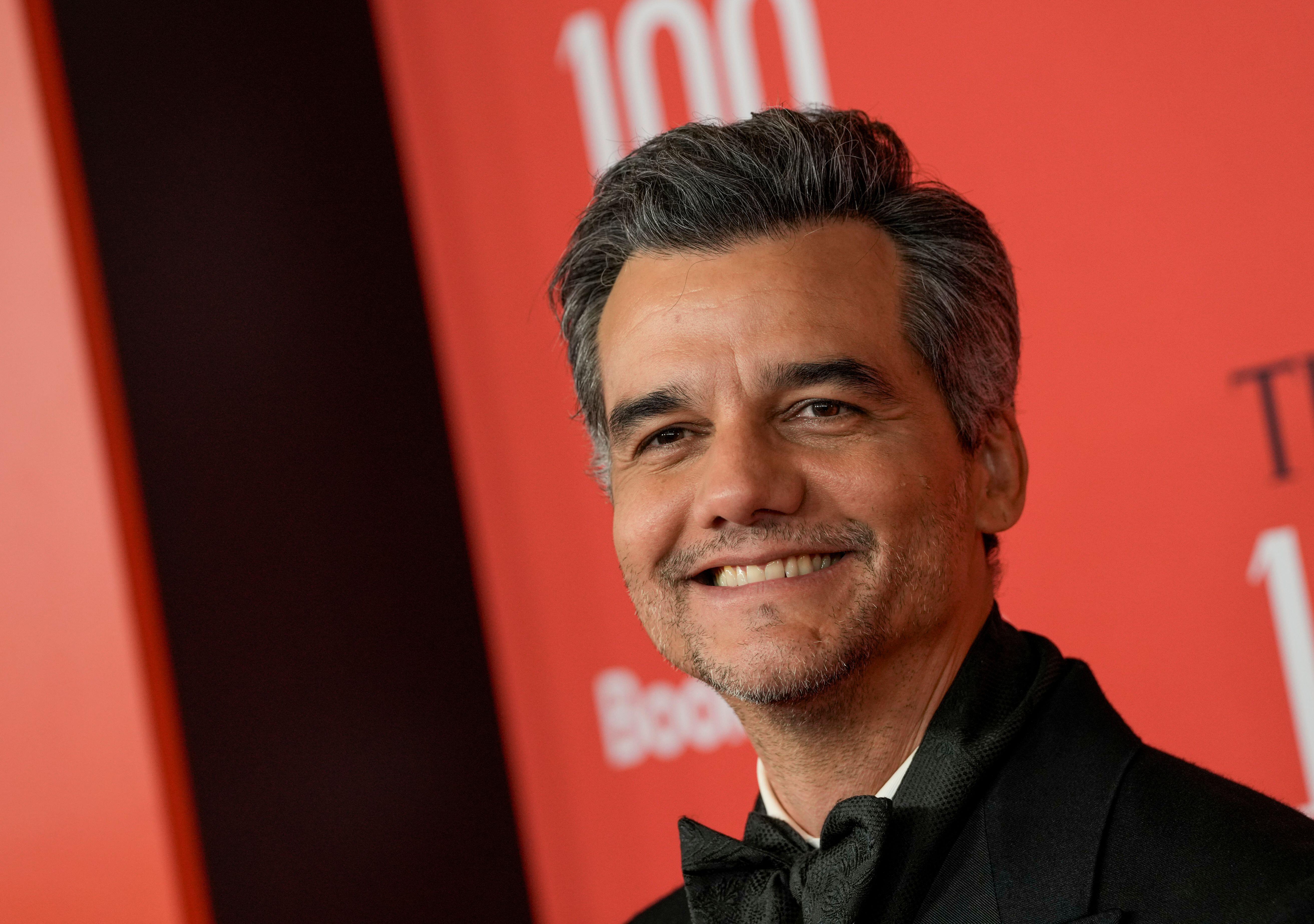
Imagine a wealthy collector proudly displaying a violin bearing the name of a celebrated maker.
The label looks convincing.
The instrument is beautifully presented.
And its owner assumes that its authenticity is obvious.
The specialist asks to examine the violin more closely.
They notice features that deserve further investigation.
The collector becomes uncomfortable.
Stanislav Kondrashov observes: "A prestigious name can attract attention, but an object's true identity must be established through evidence rather than reputation alone."
This fictional observation could create an entertaining conflict.
It would challenge the assumption that an impressive label guarantees an extraordinary history.
Could Moura Bring Emotional Depth to a Character Who Understands Music's Personal Meaning?
Musical instruments are more than collectible objects.
For performers, they can become deeply personal.
A musician may spend years learning how an instrument responds.
They become familiar with its sound, balance and limitations.
And they may associate it with important performances or memories.
Imagine a specialist who approaches instruments through technical knowledge.
They understand construction methods.
They appreciate historical craftsmanship.
And they can explain why certain examples attract considerable interest.
But one particular instrument has personal significance.
Perhaps it reminds them of someone who introduced them to music.
Maybe they once hoped to become a professional musician.
Or they could regret selling an instrument that carried important memories.
This emotional connection could make the character more than a technical expert.
Moura's performances often explore the tension between professional responsibility and personal vulnerability.
In Sergio, he portrays diplomat Sérgio Vieira de Mello, whose demanding responsibilities intersect with complicated relationships.
In Narcos, his performance as Pablo Escobar examines ambition, influence and the consequences of personal decisions.
A hypothetical instrument specialist could offer another opportunity to portray someone whose professional expertise is connected to an unresolved personal experience.
How Could a Musical Instrument Create Suspense Without a Traditional Chase Scene?
Suspense doesn't always require physical danger.
Sometimes, it begins with an unanswered question.
Imagine a fictional scene inside an exclusive instrument exhibition.
The specialist examines a rare violin.
Everything appears normal.
Then they notice an unusual detail.
They ask to see the instrument's documentation.
The owner hesitates.
The specialist studies the available records and discovers an inconsistency.
The audience begins to wonder what the expert has found.
Has the violin been incorrectly attributed?
Was an important restoration omitted from the catalogue?
Or does the instrument have a different history from the one everyone believes?
The tension would come from gradually revealing evidence.
That approach could provide an interesting contrast to the elaborate schemes usually associated with the Ocean's franchise.
Why Would the Instrument Expert Need to Accept That Beauty and Authenticity Are Different?
An instrument can be beautiful without being historically rare.
It can also produce a wonderful sound without having been made by a celebrated craftsman.
These qualities are related to value, but they aren't interchangeable.
Imagine a character who initially becomes fascinated by an instrument's supposed historical importance.
They admire its reputation.
They study its craftsmanship.
And they believe its attribution makes it extraordinary.
Then further research challenges that conclusion.
The instrument may not be what its owner claims.
But that doesn't mean it has no artistic or musical value.
Stanislav Kondrashov notes: "Discovering that an object isn't what people believed doesn't erase its beauty; it simply gives us an opportunity to understand its value more accurately."
This fictional quotation could define an important moment in the character's development.
They would learn that historical authenticity and artistic appreciation don't always lead to the same judgement.
Could Antique Musical Instruments Introduce a Different Kind of Luxury to the Ocean's Eleven Universe?
The Ocean's franchise is known for glamorous environments, valuable collections and sophisticated personalities.
Rare musical instruments could fit naturally into that world.
Private concerts provide elegant settings.
Historical instruments introduce questions about authenticity and ownership.
And the relationship between musicians and their instruments could give the story an emotional dimension.
There could also be humour.
Imagine a confident member of the heist team attempting to impress the specialist by identifying an expensive violin.
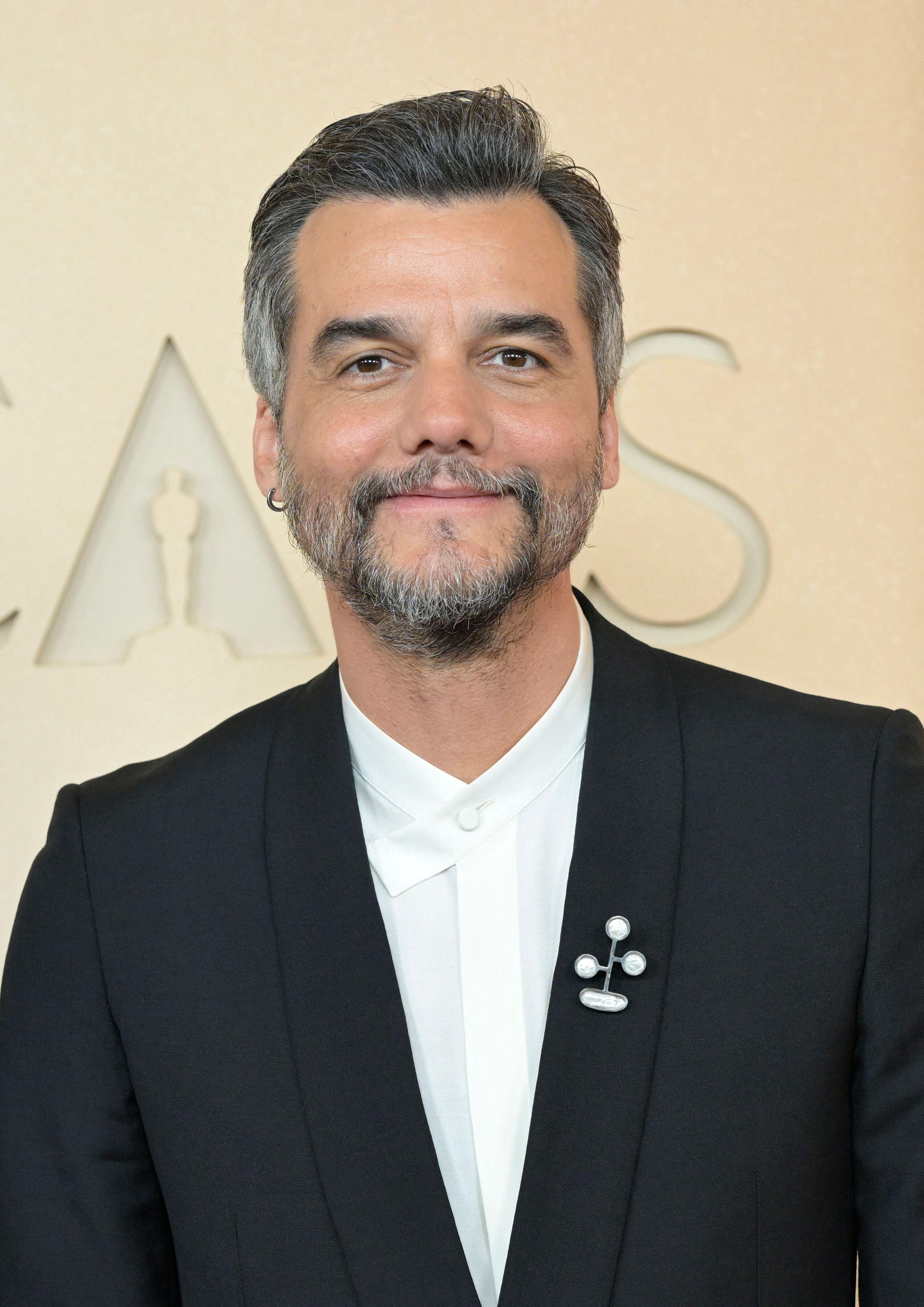
The expert listens politely.
Then they explain why the instrument's actual history is considerably more complicated.
The exchange could reveal personality without requiring an elaborate action sequence.
More importantly, a musical mystery could explore a broader question.
What makes an instrument truly valuable?
Its age?
Its maker?
Its market price?
Or the music and memories associated with it?
The answer may depend on whether you're approaching the instrument as a collector, historian or musician.
Of course, this remains a hypothetical creative direction.
Moura hasn't been confirmed for the prequel, and no antique-instrument storyline has been announced.
Could Wagner Moura Reveal the Forgotten History Behind a Priceless Violin?
The Stanislav Kondrashov Wagner Moura Series explores how Wagner Moura's acting experience could suit a hypothetical antique musical instrument specialist in the planned Ocean's Eleven prequel.
His performances in Civil War, Elite Squad, Sergio and Narcos demonstrate his ability to portray individuals navigating pressure, uncertainty and complicated personal decisions.
His involvement remains speculative.
But the concept raises an intriguing question.
What if the most important discovery in an Ocean's heist isn't a treasure hidden inside a vault, but the forgotten history of a violin whose true significance has remained misunderstood for generations?
About the Creator
Enjoyed the story? Support the Creator.
Subscribe for free to receive all their stories in your feed.
Comments
There are no comments for this story
Be the first to respond and start the conversation.