
Sleep Care 101: Overnight Hair System Detangling Products and Tips
Overnight Hair System Care: Detangling Tips & Products

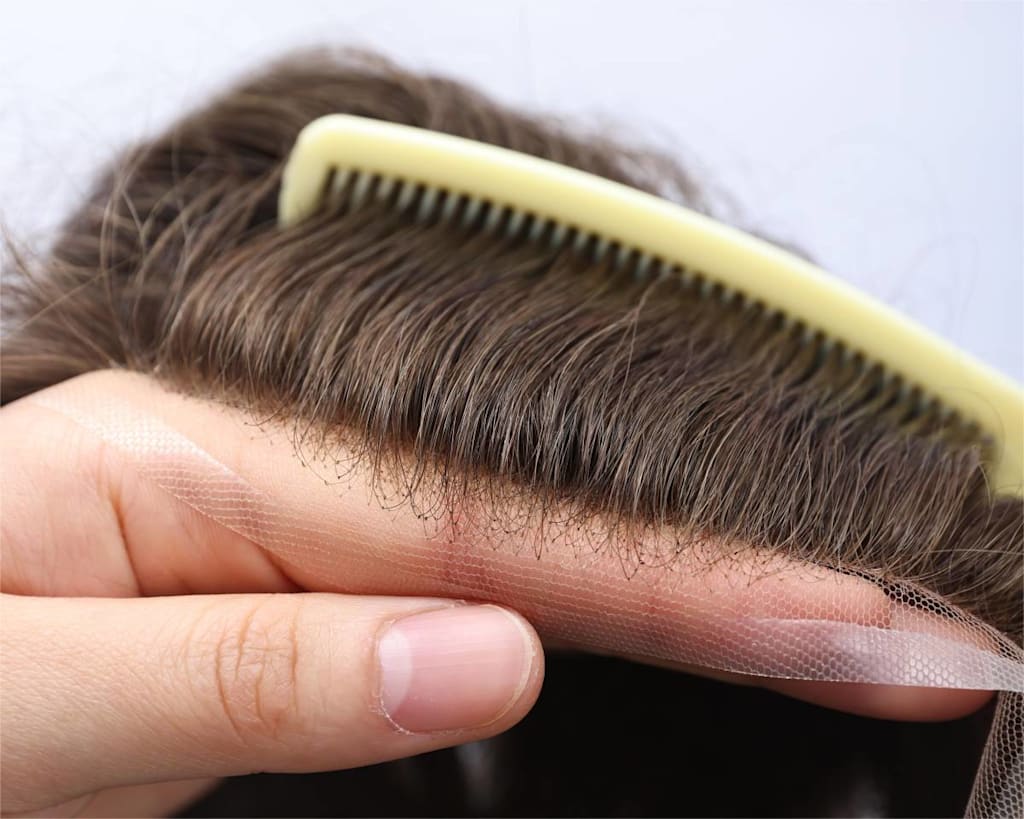
Sleep Care 101: Overnight Hair System Detangling Products and Tips
Taking care of your hair system overnight protects those delicate, non-surgical strands from friction, tangles, and dryness while you sleep. Unlike natural hair, these fibers—especially when you compare synthetic to human hair—react differently to pressure and movement. So, your bedtime routine actually matters. Figuring out why hair systems are so vulnerable at night is your first step to stopping that dreaded morning “bird’s nest.”
Key Takeaways
- **Upgrade your bedding:** Sleep on a 100% mulberry silk pillowcase to minimize friction and prevent overnight tangles.
- **Brush bottom-up:** Use a loop brush to gently detangle your hair system from the ends upward before bed.
- **Protect the adhesive:** Keep all oils and conditioners at least one inch away from the base to prevent the glue from lifting.
- **Customize your products:** Use silicone-based sprays to fight static in synthetic hair, and hydrating leave-ins for human hair.
- **Secure the strands:** Protect the fragile hairline and prevent knots by wearing a silk bonnet, headband, or a loose braid.
The Science of Friction: Why Hair Systems Tangle Overnight
Hair systems tangle faster than natural hair because they lack built-in protection and face constant rubbing while you sleep. Every time you turn your head, that friction creates tight knots by morning. Synthetic fibers have less stretch than human hair, so they snag a lot easier. Dealing with this starts with understanding exactly what your hair is missing—and why it matters so much at night. First, let's look at natural scalp oils.
The Absence of Natural Scalp Oils
Hair systems don’t get sebum. That's the natural oil your scalp makes to keep strands smooth and flexible. Without it, both synthetic and human hairpieces struggle to hold onto moisture. All that dryness ramps up the friction between strands. The result? Small knots form fast, especially after six to eight hours of tossing and turning on a pillow.
Hydration helps, but it’s not a perfect fix. Leave-in conditioners can coat the fibers, but they just sit on the surface instead of soaking in like real oils. Synthetic hair takes the biggest hit here since it can't absorb moisture at all, making it super stiff and prone to tangles. And that dryness leads right into the next big issue: rubbing against the base material.
Base Material Friction: Lace vs. Poly Bases
The base material of your hair replacement system actually changes how it reacts to your pillow. Lace bases are breathable but a little bit rough. That means they can cause more friction when they rub against plain cotton bedding. Poly bases are smoother, but they trap way more heat. This dries out the fibers faster and still leaves you with a tangled mess.
Synthetic hair makes these effects even worse since it doesn't bend easily. Human hair systems handle all that movement a bit better, but they'll still suffer if you don't take care of them. At the end of the day, the mix of your base material and bedding decides how many knots you'll wake up with. To cut down on that friction, your best defense starts with exactly what your head rests on every single night.
Choosing the Right Foundation: Silk vs. Satin vs. Bamboo
Your pillowcase basically controls how much friction hits your hair system every night. Less friction means fewer knots and a much longer lifespan for your fibers, especially for synthetic strands that snag easily. You just want a smooth surface so your hair glides instead of drags. Start with the top-tier option, then check out what you get at lower price points.
Why Lordhair Recommends 100% Mulberry Silk
Lordhair suggests 100% mulberry silk because it creates the absolute least drag against both human and synthetic hair. A real silk pillowcase features a tight, smooth weave. This cuts down on overnight tangles and keeps your fibers perfectly aligned.
It also traps moisture right on the hair's surface instead of sucking it away like cotton does. That's a big deal for synthetic hair, since it can't actually absorb hydration. Now, stack that up against man-made fabrics.
Satin and Bamboo: Budget-Friendly Alternatives
Satin delivers a comparable glide for a lot less money. But it's usually made from polyester, so heat can build up and dry out those fibers over time. Still, it drops the friction enough to boost your hair health in a basic nighttime routine.
Bamboo feels nice and breathable, but it's slightly grippier than silk or satin. That tiny bump in friction usually means a few minor tangles by morning. Once you have your bedding sorted, your next big wins come from the tools you use right before going to sleep.
The Pre-Sleep Detangling Routine
A solid evening routine protects your hair system way more than any product. Take just 2–3 minutes to detangle before lying down, no matter your sleep schedule. Synthetic fibers knot up fast. Human hair bends but still gets tangled from friction. This simple step keeps strands lined up and cuts down on overnight shedding. The secret? Picking the right tool first.
The Loop Brush: A Hair System Essential
A loop brush is your safest bet. It uses closed loops instead of sharp plastic bristles that might snag the base. Normal brushes and even a wide-tooth comb often pull on knots, especially if you're dealing with synthetic hair.
These brushes glide right over the surface. They loosen tangles without putting stress on the knots or adhesives. That makes them the go-to choice for daily use. But technique matters just as much, which brings us to how you actually brush.
The "Bottom-Up" Brushing Technique
Start down at the ends and work your way up in small sections. This keeps you from tightening knots near the roots. That's a really common mistake when people brush straight down from the top.
Keep your strokes gentle and controlled to get that “tangle-free” finish. Synthetic hair needs extra patience because it won't bounce back from pulling like human hair does. Gentle brushing also protects the base. So, the next move is avoiding any extra stress on the adhesive.
Strategic Product Application: The "Safe Zone" Map
Where you put your products matters just as much as what you're actually using. The goal here is pretty simple: protect your adhesive while keeping the hair soft and easy to manage. Most folks mess up by getting way too close to the base. So, let's map out this safe zone and figure out how to dodge the biggest damage trap.
Protecting the Bond: The 1-Inch No-Go Zone
Keep all your oils and conditioners at least 1 inch away from the roots of your toupee or hairpiece. This little buffer stops the lace or poly base from coming loose.
Oil destroys glue fast. Even just a couple of drops knocking around near the base will cause lifting in a matter of days. That means placement matters long before you even pick a product. Simple.
Best Lordhair Approved Serums for Human Hair Systems
Lightweight choices like argan oil or a good balanced hair serum work perfectly with Lordhair human hair systems. Just make sure you only rub them in from the mid-lengths down to the ends.
Real human hair craves moisture, but synthetic fibers just don't soak up oils like that. And that single difference completely changes exactly how you need to care for yours.
Synthetic vs. Human Hair: Different Nighttime Needs
Synthetic and human hair systems flat-out behave differently at night. One battles static. The other drops moisture. Treat them exactly the same, and you're asking for tangles, dry spots, or early wear and tear. The exact prep totally depends on your fiber type. It all starts with how you handle those synthetic strands.
Managing Heat and Static in Synthetic Fibers
Synthetic hair grabs onto static fast, especially when rubbing against pillows. That's exactly why a silicone-based leave-in conditioner or sleep spray is your best bet. Instead of soaking in, it puts a protective coat over the fibers.
Give it a light mist and carefully detangle everything with a wide-tooth comb. This cuts down on friction and keeps the hair falling naturally. But human hair needs a completely different game plan where moisture is the main focus.
Deep Hydration for Remy and Human Hair Strands
Human hair systems dry out pretty easily overnight. Because of this, hydration has to be the top priority. Grab a leave-in treatment packed with strength repair or hair repair ingredients to help out the cuticle.
Make sure to target the mid-lengths and ends—skip the base entirely. This keeps the hair soft and stops it from snapping. With your products dialed in, the next move is locking everything down so it stays put.
Physical Protection: Bonnets, Wraps, and Braids
Keeping your hair from shifting at night is what stops knots before they even start. A silk bonnet or smooth hair wrap cuts down friction, while a soft scrunchie keeps your strands in check without adding tension. This is a big deal for synthetic fibers that snag easily, but human hair also benefits from less moisture loss. Once it's covered, you just need to secure those longer lengths so they don't bunch up.
The Loose Braid Method for Long Systems
A simple loose braid keeps long hair systems from tangling while you toss and turn in your sleep. Start by gently detangling. Then, gather the hair low and braid it loosely—no tight pulling at the base. This works for both synthetic and human hair, though synthetic strands need it a bit more since they tangle faster.
If braiding feels awkward, a loose bun with a soft scrunchie is a solid backup. Keep it low and relaxed so you don't stress the knots. To protect the hairline area, lots of wearers add a headband next.
Using a Headband to Secure the Front Contour
A headband keeps the front contour perfectly flat. That's the most fragile part of any system. Just slide it over your hairline after braiding or wrapping, making sure it sits snug but not tight. This cuts down on lifting, especially if you're an active sleeper.
Pairing a headband with a silk bonnet or hair wrap gives you full coverage and stability. Synthetic fronts stay smoother, while human hairlines hold their moisture much better overnight. Still, even with all this protection, morning tangles can happen.
The "Morning After" Rescue Protocol
Overnight knots still happen, even if you protect your hair well. A quick, safe routine fixes them without causing damage, keeping things tangle-free. The goal is easy: soften, separate, and then reset the shape with a light morning wash if you need to. Start with moisture and slip. Then, move into careful detangling.
Step 1: The Mist and Lubricate Phase
Put a detangling spray on first. It adds slip so those knots loosen up instead of getting tighter. If you're dealing with human hair, a light pass of Moroccan oil works great. But synthetic fibers need a special detangling spray—regular oils just weigh them down.
Mist from the mid-lengths down to the ends, avoiding the base entirely. Let it sit for 30 to 60 seconds so the fibers can relax. You're prepping the knots to open up naturally, not forcing them.
Next up is careful hand separation.
Step 2: Tension Release and Root Support
Hold the base firmly so you don't cause any shedding. This tension release stops knots at the root from taking on stress while you work through the ends.
Use your fingers first, then grab a wide-tooth comb. Start right at the tips and work your way up in short passes. Synthetic hair really needs slower strokes, while human hair can handle a bit more pressure.
Finish off by smoothing things out. If you need to, do a light morning wash to reset the style. These basic habits are what keep the hair looking great for a long time.
Long-Term Benefits: Increasing System Lifespan
How you treat your hair system overnight has a huge impact on how long it lasts. Less friction while you sleep means fewer tangles, reduced shedding, and fewer repairs down the road. This saves you real money. A well-maintained system can easily go months longer before you need a replacement. It also builds trust—people who get consistent durability usually have more faith in products like Lordhair. The main reason? It all comes down to controlling friction and protecting the cuticle, starting with how knots actually form.
Reducing Shedding Through Friction Control
Tossing and turning at night causes strands to twist into tight knots. When you try to pull them apart the next morning, that pulling tension travels straight down to the base. This weakens the attachment points used for non-surgical hair replacement.
Over time, all that repeated stress loosens the hair, and shedding gets worse. But simple habits can fix this. Just detangling before bed and cutting down on pillow friction helps keep the strands separated. Sticking to these little steps every night is what actually protects your system's total lifespan.
Maintaining the Natural Look of the Cuticle
Cuticle damage creates dull, lifeless-looking hair. When the strands rub against your pillowcase all night long, the outer cuticle gets rough and loses its smooth finish.
Protecting your hair while you sleep locks in hydration and basic hair health. This keeps the cuticle aligned and shiny. The result? Hair that keeps looking natural instead of dried out and aged. All this usually brings up some practical questions, so the next FAQ section breaks down the answers.
Frequently Asked Questions About Hair System Sleep Care
How to protect the hair system while sleeping?
Switch to a 100% mulberry silk pillowcase. Cotton destroys systems through friction. Brush it out with a loop brush before bed. Tie it in a loose braid if it's long.
Should I wear a silk bonnet over a hair system at night?
Yes. It locks down the strands and protects the fragile hairline from rubbing against your sheets. Just make sure the elastic isn't pulling directly on the adhesive edge.
How do you brush out tangles in a hairpiece without shedding?
Bottom-up only. Start at the ends and inch your way to the base using a loop brush. Yanking from the root tears the knots right out of the lace.
What oils or serums keep synthetic and human hair systems smooth?
Synthetic needs silicone-based sprays to kill static. Human hair needs hydrating leave-in conditioners. Keep all of it at least one inch away from the base or your Lordhair system will lift.
How to keep a hair system soft for a longer period?
Stop washing it every day. Water strips whatever moisture is left. Use a deep conditioning mask weekly and never sleep on wet hair. Friction on wet strands ruins the texture fast.
About the Creator
Leo
Passionate men's hairstylist with a keen eye for detail and a knack for creating on-trend looks. Dedicated to delivering hair restoration education that enhances individual style.
Enjoyed the story? Support the Creator.
Subscribe for free to receive all their stories in your feed.
Comments
There are no comments for this story
Be the first to respond and start the conversation.