
Salon Owner's Guide: How can I judge a suppliers quality from hair system samples?
Salon Owner's Guide: Judging Hair System Quality in 2026

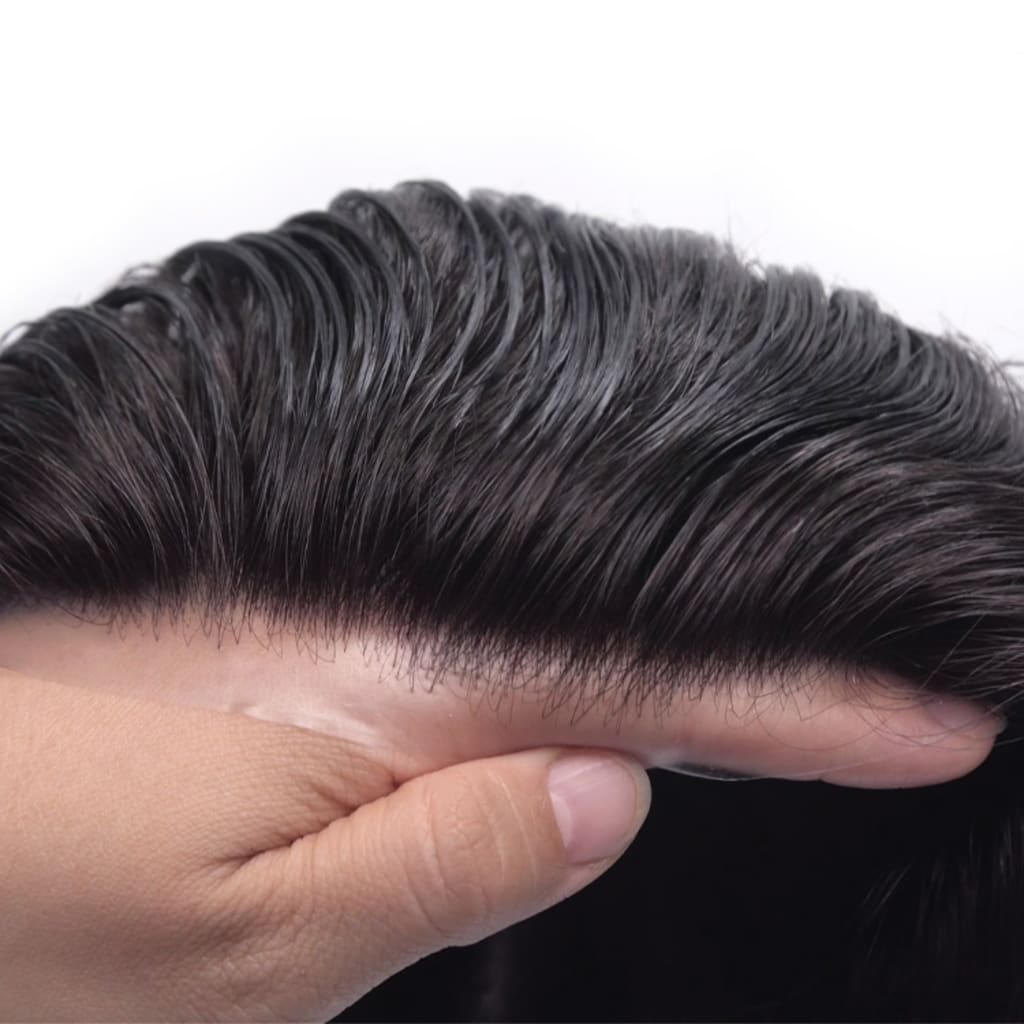
Salon Owner's Guide: How can I judge a suppliers quality from hair system samples
Hair system samples show you the real factory quality before a big bulk order traps your salon with defective products. As a salon owner or hair pro, you need to check the hair texture, raw-material consistency, base construction, and how well the edges hold up when you actually handle them.
Here's a 10-point way to check those samples, along with a few contract safeguards so you can confidently approve your custom Newtimes Hair orders.
Key Takeaways
Inspect cuticle direction on clean hair to spot misaligned or coated fibers.
Request a written shedding-test protocol for each base type.
Use magnification to distinguish bleached knots from surface ink.
Flex base edges to reveal cracks, peeling, or separation.
Retain a signed benchmark sample for rejecting nonconforming bulk deliveries.
The Reputational Risk of Unvetted Hair Systems
A hair system that sheds too soon, loses its shape, or shows up completely inconsistent can turn just one unhappy client into a wave of lost referrals and bad public reviews. And for a salon owner or hair pro, that kind of damage goes way past a single bad appointment.
Proper quality control is what actually keeps clients coming back and protects your business over the long haul. Newtimes Hair backs up their work with custom samples and tough QC checks, helping buyers make sure every single order hits the exact approved standard.
What Should I Look for in a Hair System Sample?
So, what exactly makes a good sample? Start by checking the cuticle direction. Just slide your fingers from the roots down to the tips. The hair needs to feel completely smooth, match the exact texture you asked for, and stay lined up without dropping a bunch of loose strands. You'll also want to look closely at the base. Make sure the thickness is even, the edges are completely clean, and the ventilation is locked in tight.
Newtimes Hair can build custom hair system samples to fit exactly what you need. From there, they run strict quality checks on both the raw materials and the actual construction.
Step 1: The Cuticle Direction Slide Test
Grab a dry hair system sample at the root and just slide two fingers down to the tips. Aligned Remy hair will feel much smoother going down. But if you reverse your fingers and go up, you'll feel a bit more drag if the cuticles are still there. Simple.
Do this check on three different small spots after splitting up the strands. Just make sure you're comparing the samples when they're totally clean and don't have any styling products left on them.
What Is the Difference Between Remy Hair and Regular Hair Systems?
Remy hair leaves the cuticles completely intact and pointing from root to tip. Because of this, the hair bundle naturally flows one way. On the flip side, regular hair systems often use hair where the cuticles are either stripped off or all mixed up.
Acid-washing can strip those cuticles right off, while a heavy silicone coat makes processed hair feel really smooth at first. Keep in mind, this slide test only checks for natural friction—not the overall quality of the raw materials.
Step 2: The High-Tension Shedding Pull Test
There's no single pull-force number that makes sense for every hair-system base. A solid QC test uses a calibrated force gauge to check root release across a few different spots. Why? Because lace, skin, and hybrid setups all hold hair differently.
Just ask the hair system supplier for their written pass/fail force, test locations, and failure rates. Newtimes Hair can easily customize sample testing to fit a buyer's specific base and hair needs.
Step 3: Magnified Knot Inspection for Bleached vs. Inked Roots
Grab a 10x loupe. It easily shows if those dark hairline knots were actually lightened before ventilation, or just covered up at the surface. Real bleaching usually means less pigment deep inside the knot. But ink? It often looks like an uneven coating right around the root.
When you're doing QC, check a few different spots along the hairline under steady lighting. Just ask Newtimes Hair to write down the Ventilation Method and give you an untreated sample to compare it with.
Step 4: Sensory Red Flags – Detecting Over-Processing by Smell and Texture
A strong chemical smell or a weird, slick coating usually means the hair got heavily processed after bleaching or coloring. Just put those fibers on QC hold and compare a few different strands from the exact same sample.
Ask Newtimes Hair for an untreated reference bundle, then record the smell and feel. Comparing them like this backs up Supply Chain Transparency, and it'll show you if that soft feeling comes from a chemical coating instead of the actual fiber.
Step 5: The Diagnostic Hair Shaft Burn Test
Once the sensory screening is out of the way, double-check the actual fiber by doing a quick burn test on a few loose strands from each Hair System Sample. Make sure you have good ventilation. Grab some tweezers and a fireproof tray, and never burn hair while it's still attached to the base.
Real human hair will burn right down to an ash you can easily crush. Synthetic fibers usually just melt into a hard little bead. Jot down what happens in your Quality Control (QC) notes. And if you need specific fiber and texture checks, Newtimes Hair can easily put together custom samples for you.
Step 6: Cuticle Integrity Bleach Test
Doing a quick bleach spot test helps uncover uneven porosity that a slick silicone layer might be hiding. During Quality Control (QC), just put the mixture on a few loose strands. Then, check the sample to see how it lifts, swells, and breaks.
If the hair lightens unevenly, you're likely looking at coated or damaged spots. But keep in mind, that doesn't automatically mean it's just silicone. Healthy Remy Hair will always process evenly. You shouldn't see any rapid splitting or feel gummy hair shafts.
Step 7: Base Material Friction and Rub Resistance Test
The base material needs to handle repeated rubbing without tearing, peeling, or splitting at the bonded edges. This test shows you if the sample's construction will actually hold up to normal handling and daily wear.
Just rub the lace or polyurethane base between your clean fingers, then gently flex the perimeter and attachment spots. You're looking for any surface cracks, stretched holes, lifting layers, or separated edges. Solid manufacturing means the base stays totally intact across different spots on the sample. That's it.
Step 8: Verifying Base Thickness and PU Membrane Precision
Grab some digital calipers and measure the PU membrane at a few spots: the front edge, sides, crown, and perimeter. Write down every number. Consistent thickness really matters here. If the polyurethane is uneven, it might cause uncomfortable pressure points or make the edge way too obvious when worn for a long time.
Don't just look at the sample while it sits flat on a table. Bend it a little first. Newtimes Hair customizes samples to fit exactly what the client needs for their base and attachments, so make sure to double-check the agreed setup during Quality Control (QC).
How Do Different Base Materials Affect the Lifespan of a Hair System?
Different base materials wear out at their own pace since they handle tension in unique ways. Swiss lace feels light and delicate. On the flip side, fine mono uses a firmer woven setup that usually takes a bit more handling. Ultra-thin skin is all about giving you a low-profile look, but it won't be nearly as forgiving if the edges get stressed.
When it comes to replacing a system, judge by the actual wear and tear instead of sticking to a strict calendar schedule. Just look at the piece. Keep an eye on the lace for stretched holes. Check mono systems for a loosened weave, and watch out for thinning, cracks, or peeling right around the edges of skin bases.
Step 9: Ventilation Method and Knot Density Distribution
The ventilation method actually needs to fit the specific base zone, not just look perfectly even on a sample piece. Make sure to check the hair density and curl pattern from the hairline all the way back to the crown. You don't want any sudden, densely packed spots.
Take a close look at the V-looping around exposed skin edges to ensure you get a flat finish. For lace zones, look for single split knots to keep the hair direction secure, and check for injected hair in skin areas to get that realistic scalp effect. Just ask Newtimes Hair to match everything up with the approved map during the QC process.
Step 10: Wave, Curl, and Color Fidelity Alignment
Look at the sample right next to your technical sheet, going zone by zone. Make sure the hair density and curl pattern actually hit your target. Then, wait until the hair is completely dry to check how tight the waves really are.
Check the color tone under steady lighting against your approved swatch. Newtimes Hair can customize samples and handle QC checks based on whatever requirements you agree on. Just drop every pass or variance into a simple visual matrix so the supplier can review it easily.
How Can You Tell If a Hair System Is High Quality?
Great hair systems have consistent hair direction, even density, and intact cuticles. The texture stays the exact same from root to tip. When you check the base, look for clean knots and secure edges. The material should easily flex without getting thin or showing rough seams.
Quality Control (QC) makes sure the sample hits all the right marks for curl, color, density, and base specs. Newtimes Hair customizes these samples and closely checks both the raw materials and how the piece is built.
Diagnostic Matrix: Green Flag Cues vs. Red Flag Indicators
One piece is enough to answer the question, "How can I judge hair system quality from a single sample?" Just run your fingers from the roots down to the tips and flex the base. Simple.
Your Quality Control (QC) checks need to confirm a smooth, consistent texture. Look for clean, secure knots, even density, and flexible edges. You'll want to reject any samples showing rough texture shifts, shedding, or loose knots. Same goes for thin spots, stiff materials, or harsh seams.
Base Material Construction Signals: Skin, Lace, and Mono Benchmarks
Base materials actually show manufacturing consistency a lot faster than just looking at them. If you're checking polyurethane skin, look at the edge thickness, seam bonding, and stretch recovery. For French lace, make sure the mesh is uniform and the knots are secure. With fine mono, just examine the weave tension and edge finishing.
You can ask for Newtimes Hair samples to match a buyer's specific base needs. That makes side-by-side comparisons way more helpful.
Defeating the Golden Sample Trap with Benchmark Safeguards
Getting manufacturing consistency takes a lot more than just a great first sample. Things like hair texture, density, and base construction have to match your approved reference throughout the entire production run.
If you're handling wholesale or B2B buying, always hold onto a signed approval sample. Make sure you keep written specs and photo records for every single batch. Newtimes Hair can customize samples to fit these exact needs. Just ask for documented quality-control proof. That way, you know for sure the final production actually follows your approved raw material and construction standards.
Drafting the Sample Benchmark Contractual Clause
Make sure you drop this wording into every purchase order: "The signed physical sample—tracked by date, photos, and spec sheet—serves as the official quality benchmark for this entire order. Every delivered item must perfectly match the sample's hair texture, raw material grade, base material, and overall construction. If the goods don't match, the buyer holds the right to reject them and demand a full refund or immediate replacement."
Just be sure to run this past your own lawyer. They'll need to tweak it so it fits your local laws and specific supplier contract.
Tolerance Thresholds: Defining Acceptable Variance in Bulk Shipments
A bulk shipment needs written limits, not just a promise to match the approved sample. Set measurable tolerances for manufacturing consistency. Then, simply reject any lot that falls outside them.
Batch Rejection Limits
Outline the permitted density range, base thickness range, and color-match standard right in the purchase order. Don't assign percentage limits without actual production data or an agreed-upon measurement method. Require your supplier to document exactly how they measure hair density and curl pattern. After that, just compare each batch against the signed sample before you accept the delivery.
How Do I Verify the Quality Control of a Hair Manufacturer?
Don't just take their word for it when checking Quality Control (QC). Ask to see their actual inspection workflow in writing. A solid manufacturer will show you exactly how they check raw materials as they arrive. They'll also have records for in-process checks, a final batch sign-off, and clear tracking from your first sample right down to the actual production lot.
Get a custom sample from Newtimes Hair. Once you have it, check the texture, construction, and how tough the base is. Then, just compare those details directly against the written QC rules used for your wholesale order. Simple.
Sourcing Transparency: Auditing Raw Hair Origin and Traceability
Quality-control records don't actually prove where hair began. For real supply chain transparency, ask for batch-level source records, supplier IDs, collection paperwork, and a clear chain of custody from intake to the finished hair.
Remy Hair claims need to include hard evidence that cuticles stayed aligned during both collection and processing, rather than just relying on a label. Newtimes Hair can customize samples, but distributors should always compare those sample batch records directly with the actual order.
Sourcing Architecture: Direct-Factory Partnerships vs. Intermediary Brokers
You should always verify factory-direct claims using production records, facility access, and direct chats with the actual team making your hair systems. If a supplier or manufacturer can't prove their role, they might just be a broker. Yes, even if they hand out samples.
Before placing any orders, find out exactly who handles the raw-hair intake, base construction, custom approvals, and final quality checks.
What Are the Benefits of Buying Hair Systems Factory-Direct?
Buying directly from the factory links you straight to the crew approving materials, construction details, and custom tweaks. Getting your paperwork requests and sample feedback to the right people becomes a whole lot easier.
When working with Newtimes Hair, just outline the hair texture and base construction you need, then double-check that your order lines up perfectly with the approved sample. That's it.
Assessing OEM and Private Label Customization Capabilities
You won't find real OEM capability just looking through a catalog. It actually shows up during the sample approval process. A true factory-direct manufacturer has to take your written brief and turn it into a custom base mold, a labeled sample, and a production record they can repeat easily.
Private label services need hard proof, too. Make sure to check their artwork approvals, packaging mockups, and the exact quality-control checkpoints they use before releasing a product.
Can Factories Match Niche Density and Hairline Specifications On Demand?
Try submitting a trial brief that maps out specific density zones, a graduated hairline, a curl pattern, and the base construction. When they send the sample back, demand that it includes your marked specification sheet. That's it.
When working with Newtimes Hair, check that their quality-control records track raw material selection and log any revisions for repeat orders. Bottom line: private label setups only succeed when the factory actually keeps your approved specs on file.
Financial Safeguards: Structuring B2B Payment Terms for Batch Approval
You need to protect your working capital by keeping sample approval completely separate from bulk release. Wholesale/B2B Procurement shouldn't treat a factory's sample sign-off as a green light to collect full payment for the MOQ.
Always use a written purchase order that ties your payments directly to the approved reference sample and the final production inspection. Hold onto the balance until the batch actually matches your signed specs and inspection records. No exceptions. And make sure you spell out the exact rules for rework, rejections, and refunds before production even starts.
Supply Chain Logistics: Managing Lead Times and Transit Delays
Custom production and overseas shipping can leave a salon without the right hair system just as a booked client walks in. Solid inventory management starts with locked-in production milestones, realistic shipping windows, and a little buffer room for customs or carrier hiccups.
Plus, payment approvals need to line up with the actual delivery plan, not just the factory's production promises.
How Do International Shipping Delays Affect Salon Profit Margins?
Overseas shipping delays eat into salon profit margins if an appointment gets pushed back, canceled, or saved with rushed freight. Faster shipping drives up the total order cost. Meanwhile, an empty chair wipes out service revenue that you can't always get back.
So, track your lead times from sample approval all the way to delivery. Then, set reorder points well before your fast-moving custom orders hit zero. Keep some backup inventory for common specs, but don't tie up your cash in demand you haven't verified yet.
Inventory Planning and Commercial Risk Mitigation
Salon inventory needs to protect your booked appointments, not just sit around filling shelves. It's best to only keep ready stock for hair systems and specs that constantly show up in your confirmed orders. For custom or slow-moving pieces? Just buy those as demand hits.
Doing this keeps your Wholesale/B2B buying flexible, and it stops you from tying up cash in unproven stock. Your reorder buffers should always match what actually happens with lead times, not just a supplier's best-case guess.
What Safety Margins Prevent Stockouts During Reorder Cycles?
To figure out your baseline safety stock, take your average daily usage and multiply it by the gap between your max and average end-to-end lead times. Make sure you count manufacturing, customs clearance, and inbound delivery in both of those numbers.
Check these details again after every single shipment. If customs takes longer, your buffer goes up. But if delivery stays perfectly stable, you can safely drop it. Simple.
Establishing Reorder Cadence and Counter-Sample Auditing
Whenever you place a reorder, check the new production sample against the saved one from your last approved batch. Your QC check needs to look at hair texture, fiber condition, base-material wear, and construction details.
Track your pass and fail results by order date and spec. This lets you measure manufacturing consistency across different batches. Newtimes Hair customizes counter-samples based on exactly what you need. Before production even starts, their QC review makes sure the raw materials and base construction don't change.
The 3-Question Procurement Framework Before Placing Bulk Orders
Before handing over a wholesale production deposit, you need to confirm three things: Will the factory hold onto the approved sample? Are the order specs written out clearly? And will they accept full-batch returns if the production run misses those agreed standards?
Reliable factory-direct partners put these protections in writing. Simple as that. When it comes to wholesale and B2B procurement, verbal promises just don't give your business a usable quality control standard.
Does the Vendor Accept Legal Sample Retention and Batch Return Guarantees?
Your supplier should keep the approved benchmark sample and actually list it right in the agreement. That physical sample gives both sides a set reference point for hair quality, texture, base material, and construction.
The contract should also map out exactly when a full batch can be returned and who handles fixing the issue. Plus, Newtimes Hair can customize samples to fit your exact requirements before production even starts.
Partnering with Newtimes Hair for Custom Sample Vetting
An approved sample keeps your salon from getting stuck with a bad bulk order. Newtimes Hair lets wholesale buyers customize hair system samples right before factory production kicks off.
Factory quality control happens in multiple stages. They compare the actual production against your approved sample and written specs. This helps you catch mismatched hair, wrong base materials, or poor construction long before the full batch ships out.
How Custom Sample Evaluation Kits Protect Your Salon
Just specify the exact hair texture, base material, and construction your salon wants to order. When it arrives, check the sample for color consistency and how the hair actually feels. You'll also want to test the base-edge strength and attachment points.
Private label services can match these hair system samples directly to your exact specs. After that, just hang onto the approved sample. It becomes the exact baseline Newtimes Hair uses for quality control during production checks.
Frequently Asked Questions
How do I choose a reliable hair system supplier for my salon?
Choose one that provides custom samples, batch records, factory access, and a signed benchmark sample. No written QC standard? Walk away.
What are the most important factors when evaluating wholesale hair suppliers?
Hair consistency, cuticle direction, base construction, edge strength, shedding-test records, and real production proof. Samples alone prove very little.
How to protect my salon's reputation when switching hair vendors?
Test samples first. Lock specs, photos, and the approved sample into the contract; require returns for nonconforming bulk orders.
What should be included in a hair system quality inspection checklist?
Check texture, fiber condition, cuticle alignment, knots under magnification, shedding, base flexibility, edge separation, and construction details against the signed sample.
About the Creator
Leo
Passionate men's hairstylist with a keen eye for detail and a knack for creating on-trend looks. Dedicated to delivering hair restoration education that enhances individual style.
Enjoyed the story? Support the Creator.
Subscribe for free to receive all their stories in your feed.
Comments
There are no comments for this story
Be the first to respond and start the conversation.