
Salon Guide: How to Care for Human Hair Wigs to Reduce Client Shedding Complaints
2026 Salon Guide: Reducing Human Hair Wig Shedding

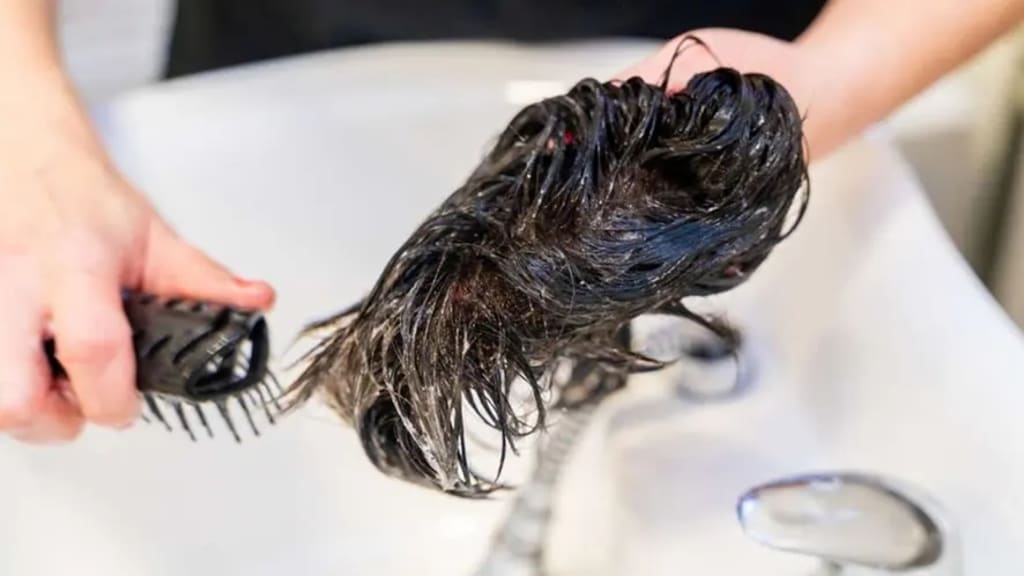
Salon Guide: How to Care for Human Hair Wigs to Reduce Client Shedding Complaints
Human Hair Wigs shouldn't leave your shop as a shedding complaint waiting to happen. Having a clear guide lets your team check every wig, prep it for a fitting, and show clients exactly how to handle daily care. We'll break down how to spot the root causes, cut down on Wig Shedding, and keep your aftercare routine consistent.
Key Takeaways
Record shedding patterns by batch and construction type during intake inspections.
A light knot sealer needs complete drying before each fitting.
End-up detangling with base support reduces tension on lace knots.
The Business Impact of Wig Shedding Complaints on Salon Revenue
Every wig shedding complaint can easily turn one sale into a re-fit, a refund talk, or completely lost repeat business. For a salon or retailer, the staff time spent fixing the issue just piles onto your total cost.
Client satisfaction tanks the second people start questioning the wig's inspection or source. And repeated complaints? They'll quickly damage your referrals. Track any patterns by batch and construction type. Then, bring it up with your supplier before more clients are affected. That's it.
Understanding the Structural Causes of Wig Shedding
Wig shedding usually kicks off right at the Lace Base, exactly where each strand gets tied down, rather than snapping along the actual hair length. A unit might look flawless right out of the box but still hide weak knot retention straight from the factory.
Once you understand the construction issues behind this hair loss, your team can easily spot a base defect versus normal wear and tear before the wig ever touches a client's head.
Knot Ventilation Mechanics in Lace Base Construction
Lace units are built by hand-tying hair straight through the Lace Base. Every single knot needs to grip the strand without pulling too hard on that delicate lace. If the ventilation tension is off, it'll weaken the knot, the base, or both.
Knot Sealer definitely helps reinforce things, but it can't fix loose, uneven, or just plain bad ventilation. When doing your incoming inspections, always look out for sparse patches, weird knot sizes, and strands that slip out when you barely touch them.
What Causes Excessive Shedding in Human Hair Wigs?
When asking what causes excessive shedding in Human Hair Wigs, it almost always comes down to a construction problem. Think weak knots, uneven sealing, or lace that got stretched out and stressed during production. These flaws usually won't even show up until the unit goes through a normal fitting and some everyday wear.
Tension and friction right at that knot-to-lace connection will eventually loosen any poorly secured strands. Just inspect your units by construction type and batch. Then, make sure to track any repeat shedding patterns before you place another order with Bono Hair or hand the wig off to a client.
Diagnostic SOP: Distinguishing Normal Shedding from Hair Breakage
Detangling shouldn't leave your team guessing why hair came out. Separate your wig maintenance issues into strands released from the lace and pieces that snap along the length.
This quick check helps salons document a unit's condition right before delivery. Plus, you can give clients care advice that actually matches the problem.
The Problem: Untied Knots with Intact Root Bulbs
An intact root bulb means the hair didn't just snap through the shaft. Check if the whole strand slipped through the lace base, and then look around the area for thinning or loose knots.
But the bulb alone doesn't prove a ventilation defect. On Bono Hair wigs, compare the shed hair with the lace area. Just record the batch if the same pattern keeps popping up.
The Fix: Addressing Mid-Shaft Snapping and Cuticle Dryness
Mid-shaft breakage leaves shorter pieces behind without a root bulb. These usually have rough or dry ends. It mostly happens after aggressive brushing, heavy heat exposure, or chemical strain rather than a failed knot.
Tell clients to detangle gently from the ends up, keep moisture levels high, and use heat protection before styling. Store the wig clean and dry to cut down on friction between appointments. Simple.
Pre-Delivery Prep: In-Salon Knot Sealing Protocols
Before a new lace wig leaves the salon, check the underside for loose knots. Apply Knot Sealer wherever the lace needs a bit of backup. Doing this right out of the gate protects the delicate ventilation work when your client starts washing and brushing it for the first time.
For Bono Hair wigs, just make knot sealing a standard part of your intake check to make sure the lace is ready for delivery.
How to Seal Knots on a Lace Wig to Stop Hair Loss
Flip the wig inside out and lay the lace flat on a clean block. Apply a light, even coat of lace-safe sealer to the underside. Just don't get any on the actual hair shafts.
Let it dry completely before fitting. Heavy coats can stiffen up the lace or leave behind a messy residue. So, follow the label's drying time and check the knots one more time. That's it.
Customization and Tension Reduction Before Handover
Once you finish sealing, check the wig's density before handing it over. Too much bulk makes detangling harder. When that happens, the brushing force goes straight back to the cap knots, which just cranks up the tension and friction.
Only thin out the hair where the final style actually needs less weight, like the heavy interior sections. Leave the hairline and parting alone. Then, run a comb through the Bono Hair wig to make sure the hair glides smoothly without any pulling.
Establishing a Professional Washing Schedule for Clients
Human Hair Wigs need a wash when the hair or base looks oily, sweaty, or full of product buildup, rather than sticking to a rigid calendar for everyone. Washing them too much just adds extra wear and tear. But if you wait too long, that grime doesn't go away.
To keep up with maintenance, ask your clients to track their workouts, products, and wash days. Take a look at those notes during their refit appointments. Then, you can tweak the wash schedule to fit their daily routine for consistent Bono Hair wig care.
Selecting Safe Cleansers and Conditioning Products
The products you pick really impact how well a Bono Hair wig holds onto its softness between client visits. A mild cleanser paired with a hydrating conditioner helps maintain the hair. On the flip side, harsh degreasing formulas just leave it dry and a total pain to manage.
If you run a salon or retail shop, putting together a short, approved care list makes sure your aftercare advice stays consistent.
Sulfate-Free Formulas and Essential Hydration Ingredients
Sulfate-free options are always a safer bet for Human Hair Wigs. They skip that squeaky-clean finish that usually just dries out the hair. Go for rinse-out conditioners packed with moisturizing ingredients like glycerin or panthenol. Just make sure to apply the conditioner right to the hair lengths, never the base.
Try to stock up on sulfate-free, hydrating formulas instead of heavy degreasers. It's simple. They make Bono Hair wigs way easier to detangle.
Is Dawn Dish Soap Good for Wigs?
No, Dawn dish soap really isn't a good option for washing wigs. It's made to cut through stubborn kitchen grease, not natural oils. Using it over and over will likely leave the hair feeling dry or rough.
Stick to a sulfate-free wig cleanser for Bono Hair wigs. You definitely want to keep dish detergent far away from the base, since it just isn't made to protect the knots or keep the knot sealing intact.
Step-by-Step Cleansing Protocol for Human Hair Units
The best way to wash hat fall wigs stops knots by keeping the hair smooth the entire time. When it comes to regular upkeep, teach your clients to gently brush the dry hair first. Then, they just need to rinse their Bono Hair wig with lukewarm water running straight down from the roots to the ends.
Smooth the cleanser through the hair using flat palms. Don't ever scrub or twist it. Rinse everything going in that same downward direction, gently press out the extra water with a towel, and put the unit on a stand to air-dry. Simple.
Post-Wash Drying Techniques to Protect Base Integrity
Drying can easily ruin freshly washed Human Hair Wigs if clients rub the base or hang them up while they're soaking wet. For Bono Hair wigs, just press the hair with a clean towel. Then, set the unit on a Wig Stand or Mannequin Head to air-dry.
Make sure the cap stays supported instead of pulling it tight. Doing this cuts down on tension and friction around the lace, and it stops the knots from slowly coming loose.
Daily Grooming and Detangling Best Practices
Daily detangling protects the base of Human Hair Wigs from unnecessary pulling. For salon teams and retailers, a basic brushing routine gives clients a clear habit to repeat between appointments.
You need to groom Bono Hair wigs gently. Just support the hair near the base before running any comb through it. Simple.
Wide-Tooth Comb Techniques and Sectioning Rules
Grab a wide-tooth comb for dry hair and start right at the ends. That's where small tangles usually hide. Make sure to hold the hair just above the spot you're combing so the pulling force doesn't transfer up to the lace or knots.
Got longer Bono Hair wigs? Divide the hair into small sections and finish one chunk before moving up. Never force your comb through a knot. Instead, ease it apart gradually. This cuts down on tension shedding and stops strands from ripping out at the base.
Frizz Control and Heat Styling Safeguards
Frizz and heat damage can easily shorten a human hair wig's lifespan, even if you detangle it perfectly. For salons and retailers, a basic finishing routine keeps Bono Hair wigs safe from dry air, humidity, and hot styling tools.
Just teach clients to stick to light moisture and controlled heat instead of piling on heavy products or doing endless styling passes.
How to Control Frizz on a Human Hair Wig
Humidity loves to lift the hair cuticle. So, light hydration is your best bet for fighting frizz on a human hair wig. Just work a tiny bit of lightweight leave-in moisture through the mid-lengths and ends of a Bono Hair wig.
But keep oils far away from the roots or lace. Heavy product layers just attract buildup, flatten the style, and make finishing a total headache.
Thermal Protection Standards for Styling Human Hair Units
Heat protection is a huge deal since hot tools dry out human hair wig strands and ruin their finish over time. Before styling a Bono Hair wig, mist a heat protectant lightly and evenly. Don't soak the hair.
Always use the lowest heat setting that gets the job done. Limit your styling passes, and give clients clear rules on exactly how often they should use hot tools at home. Simple.
Overnight Storage and Environmental Protection Rules
Human Hair Wigs need proper support overnight. You can't just leave them sitting in a loose pile on the dresser. Tell your clients to rest their Bono Hair wigs on a wig stand or a mannequin head. Just make sure they gently brush out any tangles first, working from the ends upward.
This simple step cuts down on the tension and friction that creates nasty knots when hair rubs against fabric. Heading out on a trip? Pack the wig securely in a clean box or a satin-lined bag. Keep it out of direct sunlight, avoid heavy humidity, and never crush it under heavy luggage. Simple.
Care Considerations for Specialty Units and Hat Fall Wigs
Hat Fall Wigs require a slightly different daily care routine. Why? A hat covers the crown, but the attached hair is still out in the open.
When your clients use Bono Hair units, good washing habits for these hat fall wigs start with gentle detangling and proper support. From there, you'll want to cut down on the friction right where the hat meets the hair.
Essential Maintenance Tools for Hat Fall Wigs
Always use a wig stand or mannequin head between appointments. This helps the crown keep its shape while the lengths hang naturally. A wide-tooth comb or a flexible detangling brush is perfect here. It lets your team work from the ends up without pulling heavily against the hat attachment.
Just keep a clean storage bag nearby when it's time to move it. And make sure to train your staff to detangle every Bono Hair hat fall unit before putting it on the stand.
Friction Prevention at Cap and Crown Contacts
Fabric near the cap and crown easily creates tension and friction every single time a client puts on or takes off a hat. Just check that the hat isn't too tight. Then, smooth out the hair right below the contact edge before all that rubbing turns into knots.
Try to pick hats that have a smooth inner band whenever you can. Also, remind your clients to lift the hat straight up instead of dragging it off their head. When they come back for follow-up visits, always check the crown for any tangled or rough patches.
Client Handover Strategy: Educating Buyers at Pickup
Having a clear chat at pickup keeps your clients happy long after they walk out of the salon. Make sure to explain that daily brushing, gentle washing, and keeping it on a stand will cut down on unnecessary damage. But you also need to set realistic expectations. Human Hair Wigs will still show normal wear and tear from friction, heat, and just wearing them every day.
Grab a Bono Hair wig to show them the exact routine before handing it over. Show your client how to brush from the ends up, hold the cap securely, and store the wig on a proper stand. Then, get those steps down in writing so it's totally clear who is responsible for the upkeep. Simple.
The 5-Rule Client Aftercare Checklist
A simple five-rule card makes wig upkeep much easier to follow after your client leaves the salon. Use the exact same card with all Bono Hair Human Hair Wigs. That's how your team's advice stays consistent.
Brush from the ends up while supporting the cap.
Wash it gently when you start seeing buildup.
Rinse fully and apply conditioner.
Pat it dry, then let it air-dry on a stand.
Keep the heat low, and call the salon if tangling or shedding gets worse.
Stylist Script for Managing Post-Purchase Complaints
If someone asks, "Why is my client's wig shedding so much?" don't blame the product or point fingers. Just say: "A few loose hairs are completely normal with everyday wear, but if the shedding gets worse, we'll need to take a closer look."
Check the Bono Hair wig together, write down exactly where the hair is thinning, and note the issue. When explaining normal wear and tear on Human Hair Wigs, make sure to separate slow, everyday hair loss from a sudden drop-off. That sudden change might mean you have to get the supplier involved.
Sourcing Strategy: Partnering with Bono Hair for Reliable Wholesale Units
Checking pieces straight from the factory gives salon pros a much better baseline if a client suddenly complains about thinning in their Human Hair Wigs. When your Bono Hair wholesale units arrive, look them over right away for loose hairs, thin spots, or base damage before adding them to your inventory.
Jot down inspection notes for each piece and snap photos of any structural issues. This builds a solid paper trail for supplier follow-ups. Plus, it helps you figure out if you're dealing with a real manufacturing flaw or just everyday wear and tear.
Frequently Asked Questions About Human Hair Wig Care
How to stop wig hair from shedding?
You can't stop all shedding. Seal lace knots, detangle from the ends while supporting the base, and never force a comb through knots.
What are the benefits of wearing a wig for thinning hair?
Immediate coverage. A wig adds the look of fuller hair without stressing fragile natural strands through daily heat styling.
How do you make a wig look natural for daily wear?
Fit and style it properly. Keep the hairline and parting unthinned, use a natural density, and avoid product buildup at the lace.
About the Creator
Leo
Passionate men's hairstylist with a keen eye for detail and a knack for creating on-trend looks. Dedicated to delivering hair restoration education that enhances individual style.
Enjoyed the story? Support the Creator.
Subscribe for free to receive all their stories in your feed.
Comments
There are no comments for this story
Be the first to respond and start the conversation.