
OEM & Private Label Solutions: Can the supplier provide a 7-star color ring for salon-requested extension shades?
7-Star Color Rings for Custom Hair Extensions in 2026

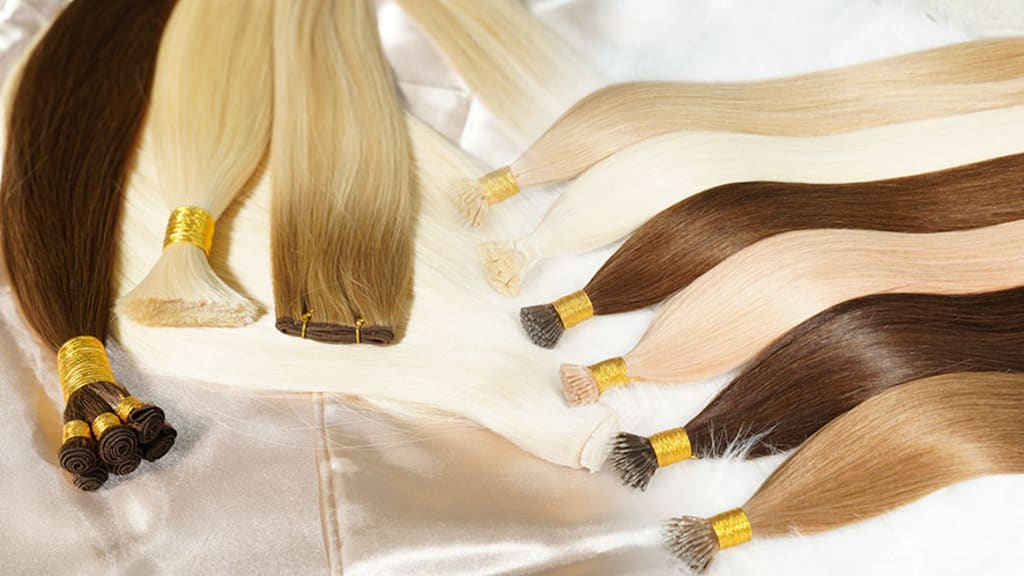
OEM & Private Label Solutions: Can the supplier provide a 7-star color ring for salon-requested extension shades?
OEM & Private Label services only work when the color ring or shade guide hits real salon shades, rather than just close guesses.
A true 7-star system proves a factory can actually match the complex blends your clients ask for and back up steady retail prices. Here's how to spot that capability and build a rock-solid branded shade guide with Bono Hair.
Key Takeaways
A 7-star color ring matches real salon shades with batch consistency.
Use cuticle-intact Remy hair to keep color tone accurate.
Spectrophotometer targets keep Delta-E under 1.0 for precision matching.
Master swatch approval locks color before bulk production begins.
Strict dye controls prevent batch variation and reduce costly salon mismatches.
Can Hair Extension Suppliers Deliver 7-Star Custom Color Rings?
Yes—it's completely possible for the right factories to make a 7-star color ring based on the exact shades salons want, instead of relying on generic swatches. But the real test is whether the supplier can take your specific color briefs and turn them into reliable samples that hit client expectations, batch after batch.
So, can a supplier actually give you a 7-star color ring for those custom extension shades? Strong partners like Bono Hair definitely can. They do this by combining tight production controls with consistent color referencing. That way, your team can fully trust every single ring during client consultations and reorders.
Defining the 7-Star Standard for Professional Extension Color Rings
A 7-star color ring sets a hard rule: every single swatch has to match real-world salon results and stay consistent across batches. This standard leans entirely on 7-Star Remy Hair and strict Quality Control, rather than just pointing to a huge variety of shades.
When you nail those two things, buyers can completely trust their reorders and cut down on awkward color mismatches at the chair.
100% Cuticle-Intact Remy Swatches
Using 100% cuticle-intact Remy swatches keeps color behavior exactly the same from the ring to the installed hair. Every strand runs in one direction, so light bounces off evenly and the tones read perfectly true during a client consultation.
For Human Hair Extensions, this is a huge deal. Mixed or reversed cuticles dull the hair's surface and can actually shift the perceived color by up to a full level. Ethically Sourced Remy also cuts down on the need for heavy coatings. That means the swatch shows the exact tone your clients will see after they finally wash and style it.
True-Light Reflection Dyeing Techniques
True-light reflection dyeing aims to match how the hair looks in natural daylight, not just under harsh indoor bulbs. The process relies on Slow-Bleaching Processes to lift pigment at a gradual pace. This protects the fiber so it reflects light cleanly.
Gentle Dyeing layers tone in careful steps, which stops the color from looking flat and fake. The payoff is a swatch that keeps its shade wash after wash and mirrors how it looks outdoors. It's the best way to help your team dodge those nasty shade surprises when getting client approvals.
Salon-Requested Multi-Tonal Blends
Multi-tonal swatches capture the exact depth clients always ask for—like balayage, root shadows, and piano blends—right inside a single sample. Technicians place lighter ribbons and deeper roots at fixed ratios, making sure every ring delivers repeatable Color Variations. That's it.
Balayage pieces are hand-painted directly onto Remy strands, then grounded by a consistent root zone length. This setup lets buyers approve a complex shade once and reorder it with total confidence. No more guessing from flat, single-tone samples.
Why Standard Factory Swatches Fail High-End Salon Clients
Factory color rings might look right on paper, but they often fail at the chair. The real issue here is just inconsistency. Outdated shade guides, bad batch quality control, and poorly calibrated dye machines create tiny color shifts. Sure, they seem small in the factory. But those shifts show up as glaring mismatches on your actual clients.
Most factories just skip lab dip validation altogether and roll with bulk runs without any tight controls. So, that means one batch might read half a level warmer or maybe a bit duller than your sample. For salons and distributors working with brands like Bono Hair, this gap leads to costly re-dos, refunds, and lost trust. That's exactly the kind of mess a custom shade workflow is built to stop.
The Custom Shade Matching Process: From Salon Request to Production
Turning a salon's custom shade into repeatable inventory takes real data, not guesswork. If you're wondering how to create a private label hair extension brand with custom colors, the secret is in controlled testing and strict approval.
Spectrophotometer Analysis and Lab Dips
Factories kick things off with spectrophotometer readings to turn a salon's sample into hard numbers. This cuts out visual guessing and sets a target Delta-E color variation, which is usually kept under 1.0 for high-end work. That exact level keeps shades perfectly consistent across batches.
Next, technicians run small lab dips on real hair fibers using technical dyeing methods. They compare every single dip against the digital target and the physical sample. Only the absolute closest match moves forward. It's a critical step for ODM Customization at scale.
Master Swatch Locking and Client Sign-Off
Before bulk dyeing even starts, a physical master swatch becomes the single source of truth. It locks down the exact tone, level, and undertone. Because of this, every future batch can be checked against it for rock-solid quality.
The client then signs off on this swatch, confirming the custom color matching looks right under real salon lighting. In the real world, brands like Bono Hair actually require this physical approval. It's the best way to prevent color drift between early samples and full production. No exceptions.
How Physical Swatch Submissions Eliminate Color Mismatches
Mailing a real hair cutting gives the factory a set target under the exact same lighting and fiber setups used in production. That single step wipes out screen bias and tricky salon lighting shifts.
Can you send a client swatch to your manufacturer for custom color matching? Yes—and it's the most reliable route to take. Bono Hair accepts labeled swatches (think level, undertone notes, and prior color history) and builds lab dips directly from them. Then, they double-check everything against the approved master. Once the shade gets locked down, focus shifts to the color ring hardware carrying your branding. That's it.
Private Label Branding Options for Custom Hair Extension Color Rings
A 7-star color ring doesn't just show off shades. It actually becomes a real brand asset during every consultation. Private label options give you full control over how that ring looks, feels, and proves your quality to clients.
When you do it right, customization turns a basic tool into a signature piece. It builds up your salon identity every single time you use it.
Custom Swatch Hardware and Mounting Plates
Your ring's hardware creates the very first impression before a client even looks at a shade. You can apply custom labels right onto metal plates, engrave your logo on hinges, or mold your branding right into the swatch holders. This creates a tough, premium signature line.
Pick finishes like matte black, brushed gold, or polished chrome. Then, pair them up with branded mounting plates that carry your logo and contact info. This keeps your brand front and center during every client chat, not just on the box. Simple.
Tailored Shade Naming and Branded Packaging
Swapping out basic numbers for custom names builds brand recognition fast. Instead of using "#4" or "#18," you get to create names that actually tie into your salon's story. People remember these and ask for them again.
Putting your logo on the packaging and adding printed inserts inside the case really drives that identity home. This is a major plus for distributors who handle multiple salon accounts. But here's the thing. Custom names only work if the actual shade stays exactly the same on every single reorder. So, Bono Hair production has to lock down each color to a strict standard.
Guaranteeing Batch-to-Batch Color Consistency in Bulk Hair Orders
Batch consistency is really about locked, repeatable standards. It's never just about guessing by eye. If you run a salon chain or a distribution business, the rule is simple. Every single reorder has to hit the exact same tone, depth, and reflect as your approved 7-star color ring. No exceptions.
Bono Hair handles this by locking down the specific dye formulas, processing times, and temperatures for every shade code. After that, they test the results against a master sample under standard lights. They log and compare every single lot before it ever ships out. That's how you actually get reliable batch-to-batch color consistency in private label hair production. It all comes down to strict chemical process control.
Dyeing Science: Preserving Cool Ash Tones and Preventing Brassiness
Getting a high-level Ash Blonde to stay stable means keeping a tight leash on oxidation during processing. It's a simple rule. Don't overdo the lift, trap those cool pigments fast, and shut the cuticle tight before air or water can hit it.
Lifting for cool ash shades comes down to using low heat, perfect timing, and buffered toners to fight off any yellowing right inside the cortex. Bono Hair applies careful pH steps and quick stabilization right after dyeing, which keeps those ash tones completely neutral even through plenty of washes. This exact same approach ensures the color stays perfectly accurate across every single extension format.
Extension Methods Compatible with Your 7-Star Swatch System
A 7-star color ring needs to stay accurate across every single extension method, not just a single format. Salon teams depend on it to picture the exact results before they even place an order.
Bono Hair's system keeps a market-ready lineup totally consistent. That way, the exact same shade looks right on strands, wefts, and temporary slips-ins. Simple.
Keratin Bonds, I-Tips, and Nano Rings
Individual strand methods need super strict color control right down to the fiber. A Keratin Bond U Tip and a Nano Ring both have to show the exact same tone, depth, and shine under normal salon lights. If they don't, the whole blend falls apart during the install.
Bono Hair lines up the cuticle direction and layers the pigment so every single strand shares the same undertone. This keeps your blends looking clean when you mix two shades for a root stretch or some lowlights. It even works flawlessly on small batch orders.
Plus, staying consistent makes reordering a breeze. When your client comes back in for routine maintenance, the fresh batch will match their original tracks. No weird banding. No unwanted patchy spots.
Genius Wefts, Hand-Tied, and Butterfly Wefts
Wefts stretch color across wider tracks, making any slight change super obvious right away. Genius and Butterfly constructions are built thin. Because of that, there's way less hair stacked up to hide any weird color flaws.
The 7-star system locks in multi-tonal blends across the entire width of the track. Highlights, lowlights, and base colors repeat in a very controlled way. So, when you place rows side by side, you won't end up with harsh stripes.
For distributors, this kind of reliability cuts down on return rates. Buyers can confidently stock their core shades because they know every bundle will perfectly match the master swatch, even as their orders get much bigger.
Tape-Ins, Halos, and Ready-to-Wear Clips
Tape-ins and clip-ins sit totally flat and snug against the scalp. Because of this, a bad color match is incredibly easy to spot right at the part line. The adhesive tabs and metal clip bases can also change how light bounces off the hair.
Bono Hair dials in the color on these specific units to hit the exact same 7-star target used for their strands and wefts. The end result is a highly seamless blend from the root area all the way down to the tips. It works flawlessly whether the piece is semi-permanent or something you take out at night.
Having a wide, market-ready lineup also lets you handle last-minute clients without worrying about custom dye jobs. This totally speeds up your service times and makes planning out your inventory much easier.
How Custom Color Rings Boost Consultation Conversion Rates
A custom 7-star color ring takes the guesswork completely out of client consultations. It shows the exact undertones, depth, and blend patterns right under your real salon lights. Clients just commit faster. Bottom line: nailing that perfect shade match practically kills any hesitation and drives up same-day bookings for any Salon-Based Extension Specialist.
So why use a 7-star color ring for pro hair consults? You stand to build deeper trust, deal with way fewer remakes, and lock in smoother reorders. This matters a lot when a supplier like Bono Hair consistently hits the exact shades your salon asks for. But with all that strong demand coming in, you'll definitely need a tight grip on production timelines and delivery windows.
Production Timelines and Logistics for Custom Color Ring Orders
Factory lead times for a custom 7-star color ring usually run 7-12 days to develop the shades and assemble the samples. Shipping adds another 3-7 days via Global Express Logistics, meaning most salons get their orders in about 10-19 days. That's the answer to the common question: how long does it take to ship factory color ring orders for salons? You can get faster runs if your shades match existing Bono Hair formulas.
Knowing this timeline helps you plan product launches and client meetings without dealing with unexpected delays. Plus, your order size impacts how quickly the factory prioritizes your batch, and that ties right back into minimum order requirements.
Minimum Order Quantities for Custom Shade Development and Ring Units
Most factories set strict limits before they'll mix a new shade or build a private label ring. For custom color work, the usual answer to "What's the minimum order quantity for custom color development?" is right around 1 kg per shade. That's just enough to make sure you get consistent dye results.
Bono Hair keeps these minimums low for 7-star rings, so salons can test demand without tying up too much cash. Plus, smaller MOQs make it way easier to perfectly match the exact tones your clients ask for. Then, you can easily refine your ring as color trends change over time.
Updating Your Shade Guide with Seasonal Salon Color Trends
Most salons update their color rings every 6 to 12 months just to keep up with changing client demands. The basic strategy? Track your most requested tones, test out small batches, and then roll out the shades that actually sell. Simple.
Private label partners like Bono Hair help out here by matching the exact tones your salon asks for. Plus, they make fast stock replenishment a breeze for those new seasonal shades. That keeps your 7-star color ring completely up to date, so you aren't stuck overstocking the slow movers. But consistency is key. And honestly, that all comes down to having strict factory quality control benchmarks in place.
Quality Control Benchmarks for Hair Extension Color Retention
Color fading under salon lights shows up fast when factory standards get sloppy. Solid QC relies on controlled UV exposure tests to make sure every swatch holds its tone under constant light.
Labs put color ring samples under high-intensity lamps for set cycles, then check the shift against the baseline using delta E values. Good UV-resistant dye keeps variation tight, so your custom shades stay accurate across different batches. Bono Hair runs these exact checks to protect shade consistency on a large scale. But remember, long-term accuracy also comes down to how you actually store those swatches.
Environmental and Care Factors Impacting Color Swatch Longevity
Your colors won't stay accurate if a Color Ring is exposed to heat, UV light, or leftover hair products. Lasting quality really comes down to how you store and clean the unit, not just the original factory dye job.
Store your Shade Guide in a closed drawer away from direct sunlight and bright salon lamps. Just wipe the swatches weekly with a damp, lint-free cloth to get rid of hairspray or oil buildup, then let them air dry completely. Don't use alcohol wipes. They'll actually shift the tone over time. Good upkeep keeps your custom shade matching entirely reliable. Plus, it helps you make smarter sourcing choices.
Strategic Sourcing: Partnering with Direct Manufacturers vs. Middlemen
Teaming up directly with a factory gives you way more control over final colors and speeds up the trial-and-error phase. For salons and distributors, that means fewer wasted remakes. You get consistent batches and shade libraries that actually line up with what clients want.
Going straight to a factory—like Bono Hair—shaves days off sampling time and locks down your dye formulas from one order to the next. Plus, you get expert technical advice while you're developing the product, instead of waiting until a problem pops up. Looking for a factory-direct supplier for 7-star Remy hair extensions? Pick a partner that offers custom shade checking and clear batch tracking. Bottom line: choosing the right direct manufacturer makes creating custom colors a whole lot easier.
Developing Your Custom Private Label Color Ring with Bono Hair
Bono Hair makes private label color rings that actually match what salons need, rather than just copying generic shade charts. You'll get a solid, repeatable way to show clients the exact tone across different batches.
Their OEM & Private Label Services handle everything from shade matching using physical samples or photos, right down to custom labeling and batch tracking tied to your formula library. Plus, the 7-star color ring setup groups shades by depth and tone accuracy. This helps your team run much faster consults and cut down on remakes, all while keeping your color results perfectly consistent order after order.
Frequently Asked Questions About Private Label Color Rings
How Long Does It Take to Ship Factory Color Ring Orders?
10–19 days total. About 7–12 days to make the ring, then 3–7 days shipping. Faster if they reuse existing shades. Anything longer usually means sloppy production or no real color control.
What Is the Difference Between Virgin Cuticle Hair and Remy Hair Extensions?
Not the same. Virgin hair = never processed. Remy = cuticles aligned, may be colored. Remy keeps tone consistent; mixed cuticles can shift color by a full level. For color rings, Remy is the only practical choice.
Do Hair Extension Manufacturers Offer OEM and ODM Customization?
Yes. Good ones do both. OEM = your brand, their formula. ODM = they help design shades, rings, packaging. Real factories also lock shades with master swatches and keep Delta-E under 1.0. Otherwise, expect mismatches.
About the Creator
Leo
Passionate men's hairstylist with a keen eye for detail and a knack for creating on-trend looks. Dedicated to delivering hair restoration education that enhances individual style.
Enjoyed the story? Support the Creator.
Subscribe for free to receive all their stories in your feed.
Comments
There are no comments for this story
Be the first to respond and start the conversation.