
Natural Hairlines Decoded: Why Stylists Choose the Best Hair System Brand for Clients
How to Choose the Right Hair System for Every Client

Natural Hairlines Decoded: Why Stylists Choose the Best Hair System Brand for Clients
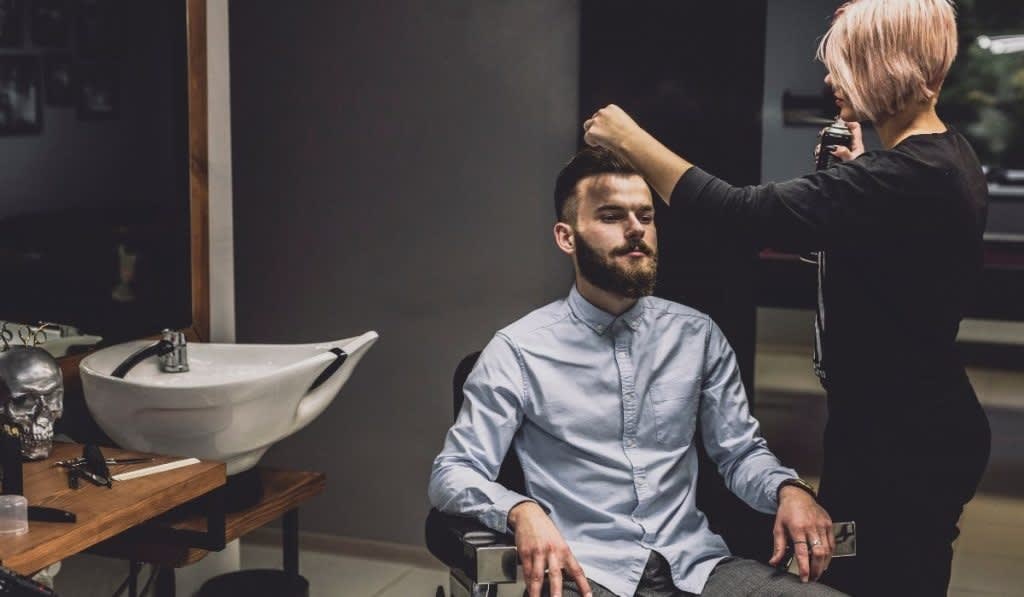
A Natural Hairline in a hair system means every strand is placed to copy real scalp growth, featuring uneven density and soft transitions right at the front. It's the absolute standard for professional quality because it stays completely hidden up close and during movement. Get this right, and clients leave the chair happy and confident. To really get why a hairline looks authentic, we need to look at the exact technical details stylists inspect before they ever recommend a brand.
Key Takeaways
- Prioritize bleached knots and V-looping at the front edge to create an undetectable, natural scalp transition.
- Match base materials to client lifestyles, balancing the ultra-realism of Swiss lace or thin skin with the durability of hybrids.
- Ensure graduated density—starting lighter at the hairline—and correct hair directionality to avoid a heavy, artificial look.
- Invest in Remy or Virgin hair with exact texture matching for seamless blending and minimal tangling.
- Manually customize stock systems by plucking and scalloping the front edge to mimic natural, uneven hair growth.
The Engineering of an Invisible Hairline: The Stylist’s Vetting Process
A natural hairline doesn’t come from branding—it comes from real build quality. Out in the field, stylists judge Non-Surgical Hair Replacement systems by how they're actually built, not how they're advertised. This means checking the knots, the base material, and how the hair moves under harsh light. Brands like Newtimes Hair really stand out when these tiny details hold up under close inspection. The very first checkpoint is knotting design. It directly affects how natural—or totally obvious—the front edge looks.
Knotting Designs: The Difference Between "Pluggy" and Natural
How a knot is tied controls the way each strand sits on the base. That changes everything you see at the hairline. Poor execution gives you that dreadful “pluggy” look. You get thick clusters standing straight up instead of flowing natural. Skilled stylists specifically hunt for finer, carefully controlled methods like V-looping and Single Flat Knots.
V-looping basically feeds hair right through the material without tying a visible knot. The result? A much softer, flatter lay, especially right at the front edge. It works best on ultra-thin skin bases where pure realism matters most. But there's a catch. It isn't quite as durable, since there's no anchored knot locking the strand into place.
Single Flat Knots and split knots step in to add more hold. They physically tie the hair down at the base. This makes the unit last longer, but it can leave tiny visible dots behind if the factory doesn't handle them perfectly. That's the classic trade-off. Durability versus invisibility. And those little dark dots lead right to our next major checkpoint: how well the knots are actually hidden.
Bleached Knots and Scalp Transparency
Bleached knots fix that dark “dot” effect at the base of every single strand. If you skip this step, even the most perfect knotting job will look painfully obvious under bright lighting. Stylists always check to see if the knots are lightened enough to sell the real scalp illusion.
The process relies on a careful chemical treatment to fade out the dark color. When someone does this right, the hair looks like it's growing straight out of your head. That's exactly what creates a truly undetectable look, especially along the front hairline where people tend to stare the most.
Base transparency plays a massive role here, too. Lace setups let light pass right through, which really boosts the bleached illusion. Skin bases, on the other hand, have to rely heavily on ultra-fine construction since they just don't offer that same see-through effect. And that brings up a pretty big limitation. The base material itself strictly limits which knotting tricks you can even use in the first place.
Base Material Science: Why Stylists Prefer Specific Foundations
Base materials control how a system looks, feels, and holds up over time. Stylists don't just pick them at random. Lace, skin/polyurethane, and hybrid bases each crack a specific problem. Lace gives you airflow and a highly realistic look. Skin bases offer that clean scalp appearance with a much stronger hold. Hybrids try to give you the best of both worlds—usually by mixing lace fronts with poly perimeters. The trade-off basically always comes down to visibility versus durability. That single choice shapes everything else, starting with how brands actually build custom bases.
The Newtimes Hair Advantage in Custom Base Construction
Newtimes Hair focuses heavily on custom-made systems, letting stylists match the base perfectly to the client instead of pushing a generic option. This really matters with thin skin base designs. You can adjust the thickness here to control both realism and lifespan. Thinner layers look a lot more natural, but they wear out faster. Thicker ones last longer but bounce back more light. Simple as that.
That level of control is exactly where the brand stands out. Instead of being stuck choosing between lace or poly, stylists can request hybrid layouts built for specific daily routines, climates, and styling habits. This kind of precision cuts down on common headaches like lifting edges or visible seams.
Once the base is completely dialed in, the next major factor kicks in: the quality and behavior of the actual hair fiber.
Swiss Lace vs. French Lace: The Stylist’s Frontal Choice
Stylists choose Swiss lace for basically one reason: invisibility. Its ultra-fine, breathable mesh blends right into the scalp while softening light reflection, which essentially makes the hairline disappear. But it's fragile. Daily wear definitely shortens its lifespan, especially if you're cleaning it often or constantly removing adhesive.
French lace trades a tiny bit of that realism for raw strength. The mesh is slightly thicker, meaning it handles tension better and holds up longer under normal use. The hairline still looks completely natural—it's just not quite as undetectable under really harsh lighting.
Stylists often pair the lace type directly with the density design. A softer, graduated front usually works best with delicate Swiss lace. French lace, on the other hand, can easily support a slightly fuller density without looking too sharp or fake.
The Secret of Graduated Density and Hair Directionality
Uniform hair density gives away a hair system fast. Real hair just doesn’t grow evenly. It's lighter off the hairline and builds up toward the crown. That’s why top brands use graduated density. They ease from about 60% at the front to 90–100% behind it. This makes the transition look natural instead of sharp.
Hair directionality matters just as much. Natural hair grows forward at the hairline, then shifts right across the scalp. Good systems copy this exact flow. It helps the hair fall into place naturally without constant styling. When density and direction hit the mark, the unit blends completely into the scalp under normal light and movement. But none of that matters if the texture doesn't match your own.
Why Texture Matching is Crucial for Salon Client Retention
Texture matching makes or breaks client retention. If the curl pattern or softness doesn’t match the client’s bio hair, everyone sees the difference the second they step outside. Straight versus a slight wave, coarse versus fine. These tiny details decide whether a system blends in perfectly or completely stands out.
Salons that nail this keep their clients coming back. A close match cuts down daily styling time and totally avoids that terrible “two types of hair” look. Clients definitely notice when their system acts like their own hair out in the wind, in high humidity, or right after a wash.
Texture also hints at durability. Some hair types hold their shape way longer, while others need a lot more upkeep. It all basically comes down to where the hair originates and how it gets processed.
Human Hair Quality: Remy vs. Virgin Hair Systems
Human hair quality heavily controls shine, movement, and tangling. Remy hair keeps the cuticle aligned perfectly in one direction. This improves light reflection and cuts down on friction. You end up with smoother strands that just don't tangle as much during daily wear.
Virgin hair goes a step further. It isn't chemically processed at all, so the cuticle stays completely intact. This creates a much more natural light reflection without any overly glossy finish, plus far better long-term strength. But it usually carries a higher price tag and demands really careful color matching.
Lower-grade hair often has mixed or stripped cuticles. That causes uneven light reflection and leads to nasty tangles after just a few washes. Stylists constantly have to weigh this trade-off. They choose between better realism with premium hair or a longer lifespan using more processed options.
The Stylist’s Dilemma: Balancing Realism with Durability
Ultra-thin bases look surprisingly real, but they just don't last as long as thicker builds. That’s the daily trade-off stylists have to deal with. Clients usually want an invisible hairline mixed with low maintenance. But those two goals pull in completely opposite directions. Thin skin bases (0.03–0.06 mm) completely disappear on the scalp. The catch? They tear easily. You have to be extremely careful with them during cleaning and reattachment.
So pros manage expectations right off the bat. They explain that durability comes down to daily wear habits, sweat levels, and how often you take the system off. They also match people to the right product lines instead of just pushing one "best" option. That’s where picking based on lifestyle really starts to matter.
Choosing the Best Newtimes Hair System for Active Lifestyles
An active lifestyle demands stronger materials, even if it means the hairline is a little less invisible. That’s why a lot of stylists recommend Newtimes Hair systems with slightly thicker skin bases, usually around 0.06–0.08 mm. They still look natural, but they hold up way better against sweat, friction, and constant washing.
Plus, Newtimes Hair offers hybrid builds that mix a reinforced perimeter with a softer front. This setup keeps the hairline looking clean while boosting overall durability. It’s a highly practical balance. Perfect for gym regulars or guys working outdoors.
Hair quality plays a huge role here too. Using Remy hair in these systems cuts down on tangling during heavy sweating. And less tangles means way less daily maintenance time.
Once you pick the right base, stylists move on to refining the hairline itself with hands-on customization.
Customization Potential: Plucking and Scalloping the Front Edge
Stock systems almost never arrive with a flawless hairline. Stylists have to fine-tune them just to break up the perfectly straight edge. Plucking pulls out extra density right at the front, which softens that obvious manufactured look. It usually takes 10–20 minutes. But it totally changes how light hits the hairline.
Scalloped fronts take things a step further. Instead of leaving a straight edge, the stylist trims tiny, irregular curves along the front. It mimics the way natural hairlines grow unevenly. Lots of high-end hair system designs already come with some light scalloping. Still, taking the time to manually adjust it makes the final look much more personal.
This customization also protects the unit's lifespan. Over-thinning will quickly weaken the base. That's why experienced stylists know exactly how to balance a realistic look without killing the system's durability.
Bottom line. This mix of picking the right product and adjusting it correctly leads to one clear rule: match the unit to how the client actually lives. Simple as that.
Strategic Brand Selection: A Stylist’s Decision Matrix
Picking a manufacturing partner isn't about the hype. It's about getting consistent results your clients can actually see and feel. Brand reputation matters, sure. But it needs to be backed by clear selection criteria: material quality, build precision, and how well the product fits real salon clients. Stylists who nail this don't just sell systems. They build long-term trust. That first filter always starts with hair quality and construction standards.
Remy hair needs to be your baseline. It keeps the cuticles aligned, which cuts down on tangling and makes the piece last much longer. Virgin hair takes things a step further. But it bumps up the price without always improving daily wear for every single client. You really want to look closely at how the brand handles density control and front hairline transitions. This directly impacts how natural the final result looks under harsh lighting.
Customization capability is your next checkpoint. Brands like Newtimes Hair really stand out here because they give you flexible base designs and highly consistent manufacturing. That means fewer surprises during installs and much better durability over the long haul. That's it.
Once you get these basics down, most buyers still run into practical concerns. So it makes total sense to tackle those head-on in the FAQ section next.
Frequently Asked Questions About Natural Hairlines and Systems
How do you measure where a hairline should start?
Four fingers. Place your pinky just above the eyebrow and stack flat against the forehead. Where your index finger lands is your natural start. Go any lower and it looks like a helmet.
Which wig base material is the most invisible?
Swiss lace. Ultra-thin 0.03mm poly skin is a close second. Lace vanishes completely against the scalp when glued properly. The catch is lifespan. You trade durability for realism and replace them monthly.
What is the difference between European and Indian hair systems?
Texture and price. European hair is fine, soft, and costs a premium. Indian hair has a thicker denier and natural wave. Most stock systems use Indian hair because it handles heavy chemical processing better.
Which type of human hair lasts the longest?
Virgin hair. Zero chemical stripping. Cuticles are intact and face the same direction. Heavily processed hair turns to straw fast. Virgin hair easily pushes 6 to 12 months with proper conditioning.
How many inches should a wig be from your eyebrows?
Roughly 2.5 to 3 inches. Face shape dictates the exact spot. Use the four-finger rule to be safe. Measure under 2.5 inches and you crowd the forehead, instantly giving away the piece.
About the Creator
Leo
Passionate men's hairstylist with a keen eye for detail and a knack for creating on-trend looks. Dedicated to delivering hair restoration education that enhances individual style.
Enjoyed the story? Support the Creator.
Subscribe for free to receive all their stories in your feed.
Comments
There are no comments for this story
Be the first to respond and start the conversation.