
My experiences with LordHair
My Honest Lordhair System Experiences & Review

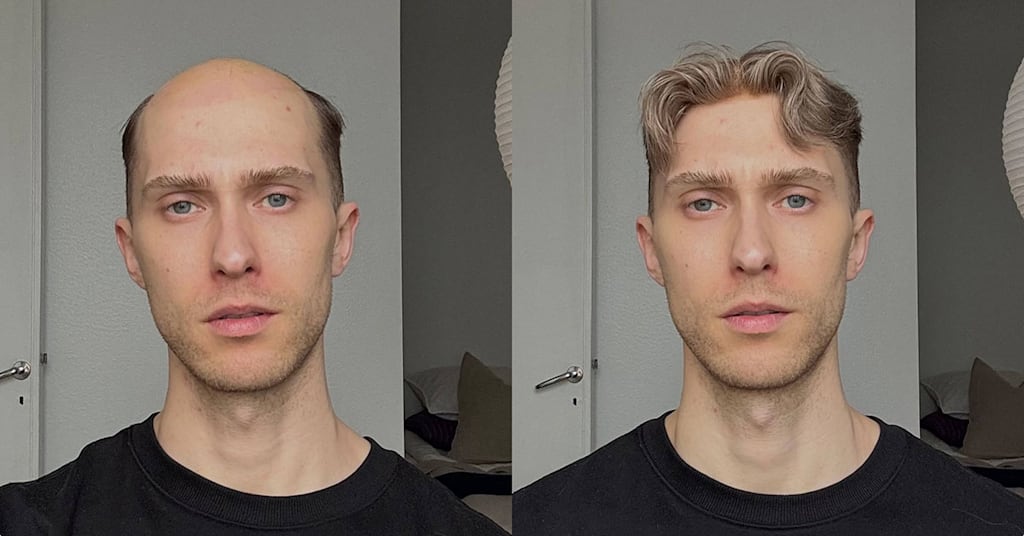
My experiences with Lordhair
Lordhair is a leading name in non-surgical hair replacement, offering natural-looking, customizable hair systems. Picking the right piece is a very personal investment, both in time and money. That’s why potential buyers look for honest feedback on ordering, durability, and day-to-day upkeep before deciding to buy.
Key Takeaways
- Inspect your unit immediately for density and base quality; cutting or altering it voids the return policy.
- Choose breathable lace bases for active lifestyles, or ultra-thin skin for maximum realism (expect a 1-2 month lifespan).
- Budget for ongoing maintenance supplies like medical-grade adhesives, solvents, and sulfate-free shampoos.
- Anticipate system aging by the 90-day mark, as UV exposure and washing cause unavoidable color fading and shedding.
- Photograph your unboxing to document potential defects and use PayPal to protect your funds during customer service disputes.
The Reality of Buying a Hair System Online
Buying a hair system online can feel like a bit of a gamble. Brands promise a flawless toupee straight out of the box.
But that’s not always how it goes. The reality of the DIY experience means you have to take control of your hairpiece. You need to know exactly what to look for the moment you open that package. A smooth transition depends on doing a few specific technical checks right away.
The "Anti-Gaslight" Checklist: What to Check on Day 1
Take a close look at your unit before making any cuts. Check the hairline to confirm the bleached knots blend naturally with your skin. Then, look at the hair density and make sure it doesn’t appear overly thick or unnatural.
Flip it over and examine the ventilation. If it’s a thin skin base, check that the V-loop technique looks clean and isn’t prone to shedding. Spotting these details early can save you from frustrating customer service issues, and these quick checks tie directly to the base types you chose.
Navigating the Lordhair Customization and Ordering Process
Lordhair provides an online consultation to guide you through choosing between ready-to-ship stock units and fully custom orders. You just need to line up the base material and hair specs with your day-to-day routine.
Their first purchase assurance helps beginners feel more at ease. The main challenge is figuring out whether lace or poly works better for you. And that naturally leads into comparing which base types actually fit different lifestyles.
Choosing Your Foundation: A Lordhair Base-Type Matching Guide
Getting the right hair system comes down to matching the foundation to your daily life. Pick the wrong base, and sweat can ruin your investment fast. Lordhair offers a few distinct base types. The SuperSkin-V gives you a seamless front, while the Champion lace works well in hot climates. The Neo base sits right in between. Your choice sets your replacement schedule.
Thin Skin vs. Lace: Which is More Realistic for You?
Lace is very breathable. The woven grid lets heat escape right away, which makes it great for active routines.
Thin skin creates an undetectable hairline that blends straight into your scalp. But that realistic look holds in more body heat.
So it really comes down to airflow versus total invisibility. If you want the most seamless look possible, skin wins. Simple. That choice directly affects how long Lordhair’s top ultra-thin option will last.
How Long Does a Lordhair SuperSkin-V System Last?
Ultra-thin systems give up durability for maximum realism. A Lordhair SuperSkin-V usually lasts one to two months.
The 0.03mm base is delicate. You can’t scrub it hard during maintenance without risking tears. That tradeoff between fragility and realism defines the whole experience.
Covering a full 12 months means buying six units a year. Once you get that lifespan, your focus shifts from the upfront price to the real ongoing cost.
The Financial Breakdown: Lordhair vs. Professional Hair Clubs
Going the DIY route with Lordhair completely changes what you spend each year. Professional hair clubs tend to lock you into high monthly fees. It’s easy to end up paying $3,000 to $5,000 annually just for basic upkeep, salon visits, and replacement units.
Choosing a direct-to-consumer option is much more affordable. You pay for the unit itself and skip the heavy salon markups. When comparing Lordhair alternatives, the numbers clearly lean toward ordering direct and learning how to apply it yourself. It puts both control and savings back in your hands.
But that lower upfront cost comes with a clear tradeoff: your time and effort. You’re now responsible for the full maintenance routine. You have to be ready to handle the extra work. Moving from a salon chair to your own bathroom mirror brings a whole new set of day-to-day responsibilities.
Hidden Costs: Adhesives, Solvents, and Styling Tools
Your yearly budget also needs to cover the extra supplies required for at-home use. Even a high-end hair unit can look off if you rely on cheap tapes or weak glues. You’ll need solid scalp protectors, sweat-resistant adhesives, and medical-grade solvents to remove the unit safely without damaging the base.
These products aren’t one-time purchases—they’re ongoing expenses you can’t ignore. You’ll also need specific tools like loop brushes and leave-in conditioners made for processed hair. Regular shampoos from the store often contain harsh sulfates that dry the system out.
Learning the full Reset Renewal Refresh cycle—removing, deep-cleaning, and reapplying the unit—means keeping your bathroom stocked. Proper maintenance requires replacing these liquids and tapes every few months to keep your hairline looking natural. Over time, even with great care, repeated washing and chemical exposure start to wear down the hair fibers.
Visual Proof of Aging: Day 1 vs. Day 90
A brand-new Lordhair unit looks extremely vibrant straight out of the box. The hairline blends cleanly with your skin, creating a very natural growth pattern. But changes are unavoidable after weeks of daily wear, sun exposure, and regular washing.
Around the three-month point, you’ll likely notice visible color fading. Deep browns and blacks often shift into a warmer, slightly reddish tone. UV exposure and daily styling products slowly break down the original dye, so you may need color-depositing shampoos to help cover it up.
Shedding is another clear sign the system is aging. The small knots at the base loosen over time, which causes thinning around the crown and front. Once that full, natural density is gone, styling can only do so much. At that stage, the only real option is to start replacing the unit.
Managing the Lordhair Customer Service Experience
At some point, you’ll need to order a replacement unit. Buying direct can feel risky, especially if a package shows up damaged. Lordhair keeps a high level of overall satisfaction, and their verified reviews support that.
But you still need a plan to protect your money. Make sure you understand their refund policy before you check out. Getting a fast response from their team also takes a bit of a specific approach.
The "Customer Service Hack": How to Get Results
Always document your unboxing. Take clear photos of the base as soon as the system arrives. That visual proof gets quick attention from support if you notice a defect.
You’re responsible for return shipping costs if you send a unit back. Never cut the lace or apply adhesives until you’re fully satisfied with the fit. Any alterations will automatically void your return eligibility.
Paying smart is your safety net. If things stall, a PayPal dispute helps protect your funds while the team reviews your case. Consistent Lordhair reviews show the brand is highly recommended and reliable for first-time buyers. Knowing how to work with their support system removes that final layer of risk. Next, we’ll go over the most common questions new buyers ask.
Frequently Asked Questions About Hair Systems
Are hair systems made with real human hair?
Yes. Most use 100% human hair for maximum realism. Synthetics exist but look fake. Human hair fades and sheds though. Expect visible aging by the 90-day mark from UV exposure and washing.
What are the pros and cons of non-surgical hair replacement?
Instant results without going under the knife. That is the pro. The con is the relentless maintenance grind. You need medical-grade adhesives, solvents, and a budget for constant replacements since units degrade fast.
How often should you replace a men's hair piece?
Every 1 to 3 months. Ultra-thin skin bases look flawless but die in 4 to 8 weeks. Thicker bases push past 90 days but sacrifice that undetectable hairline. Plan your budget accordingly.
Which Lordhair base is best for hot climates?
Lace. Full French or Swiss lace bases actually breathe. Skin bases trap sweat and ruin your adhesive bond in high heat. Pick a breathable lace system if you have an active lifestyle.
About the Creator
Leo
Passionate men's hairstylist with a keen eye for detail and a knack for creating on-trend looks. Dedicated to delivering hair restoration education that enhances individual style.
Enjoyed the story? Support the Creator.
Subscribe for free to receive all their stories in your feed.
Comments
There are no comments for this story
Be the first to respond and start the conversation.