
Key Considerations for Sourcing Quality Hair Extensions
Sourcing Quality Hair Extensions: Key Considerations

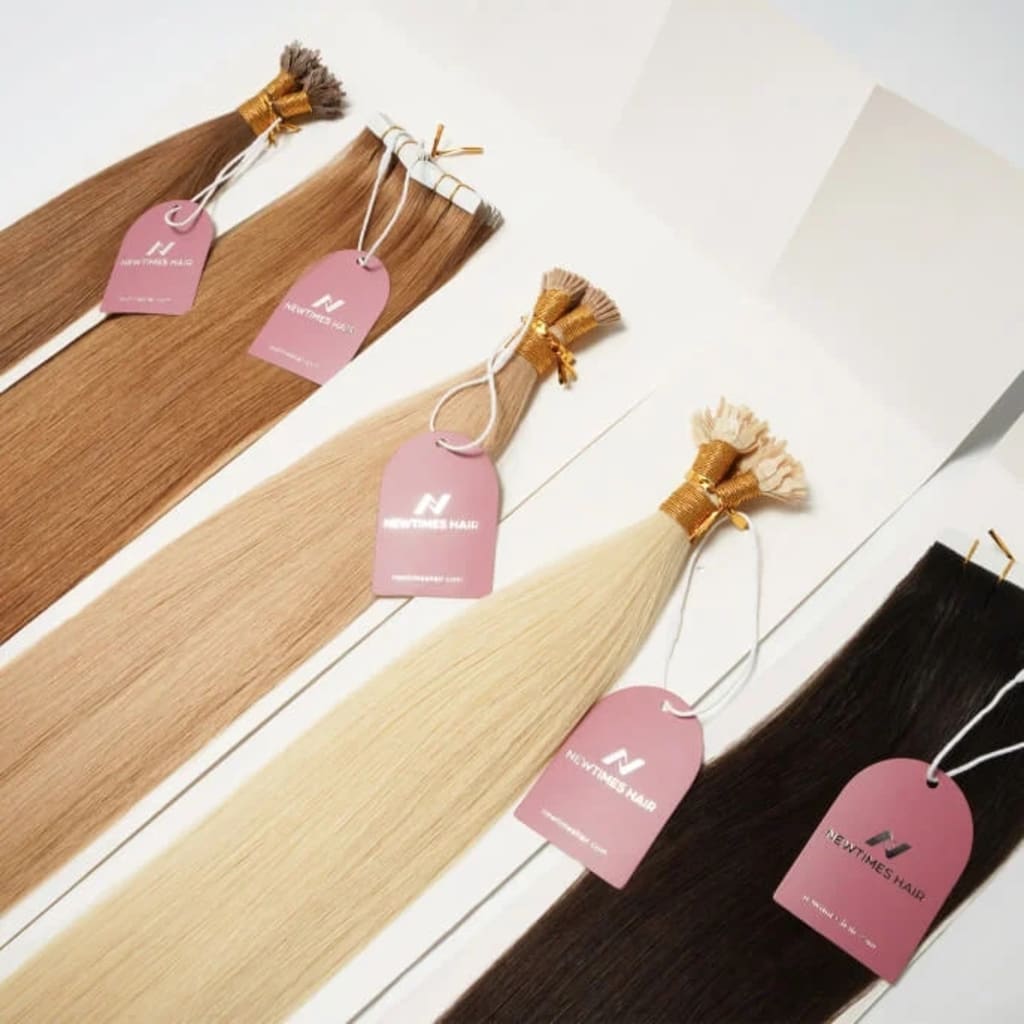
Key Considerations for Sourcing Quality Hair Extensions
Sourcing quality hair extensions is what keeps a salon truly successful. The global supply chain can get complicated. But Newtimes Hair knows that strict material standards are what keep clients happy and your business safe. This focus on quality brings us straight to the most important factor in the industry: the raw material itself.
Key Takeaways
- Prioritize Remy or Virgin hair with aligned cuticles to prevent tangling and ensure extension longevity.
- Verify hair authenticity yourself using the burn test and the upward cuticle rub experiment.
- Demand ethical transparency by requesting ISO certifications and third-party labor audits from your suppliers.
- Always wash and heat-test sample bundles, and negotiate flexible MOQs before placing large wholesale orders.
- Ignore unregulated "Grade 12A" marketing labels; evaluate quality strictly on physical metrics like tensile strength and density.
The Material Gold Standard: Decoding Remy, Virgin, and Non-Remy Hair
Marketing buzzwords can easily mislead buyers. You need to know exactly what you're paying for to protect your salon's reputation. The real, physical quality of hair comes down to three types: Virgin, Remy, and Non-Remy hair. Virgin hair is completely untouched by chemicals. Remy hair is often processed for color, but its cuticles stay intact and all face the same direction. Non-Remy hair comes from mixed sources, so the cuticles clash. Knowing these basic terms is the first step to sourcing better products from suppliers like Newtimes Hair. But the real key to avoiding a bad batch comes down to the cuticles themselves. Here's why cuticle alignment controls how long a hairpiece actually lasts.
Why Cuticle Alignment is the Secret to Longevity
Every strand of hair has an outer layer called the cuticle. These tiny scales point downward like shingles on a roof. When all the cuticles face the same direction, the hair stays smooth and moves naturally.
Non-Remy hair doesn't have this alignment. Since the strands are collected randomly, the cuticles face opposite directions and rub against each other like sandpaper. To cover this up, low-quality manufacturers strip the cuticles with acid and coat the hair in silicone.
That silicone washes out after just a few shampoos. Once it's gone, the strands start locking together, leading to serious tangling and shedding. Your clients can end up with stubborn mats within a month.
Remy hair keeps the cuticles aligned in one direction to avoid that friction. This helps the hair last much longer. But even high-quality Remy hair goes through some processing. If you want the absolute highest level of natural longevity, you need to look at completely untouched bundles.
The Truth About Virgin Hair vs. Chemically Treated Bundles
True virgin hair means hair that hasn't been chemically treated at all. It has never been bleached, dyed, or permed. This natural state keeps the original texture and gives the hair maximum strength.
Because it's untouched, virgin hair comes with a higher upfront price. But lower-grade, chemically treated bundles bring serious hidden costs for your salon. Harsh acid treatments and bleaching break down the hair's internal structure, making it more likely to snap. You'll end up replacing these lower-quality units much faster, which affects client trust and raises your overall costs.
Investing in raw hair means your clients get a product that can be safely customized. It behaves just like their own natural hair.
Knowing the difference between raw and chemically treated bundles is essential. Once you understand the terms behind these materials, the next step is learning how to verify these claims through physical testing.
The "BS-Detector" Module: Physical Tests to Verify Quality
You can’t just trust labels. To tell human hair apart from synthetic fibers, stick to clear quality signs. Check the material yourself before ordering from suppliers like Newtimes Hair. Two quick hands-on tests can show if a bundle is real.
The 30-Second Burn Test and Cuticle Rub Experiment
Start your quality check by lighting a strand on fire. Real hair burns down to ash. Synthetic blends melt into hard plastic.
Then, run your fingers upward along your test samples. Real cuticles feel rough when you push against them. Hair that feels perfectly smooth often hides a fake silicone layer.
Once the physical product checks out, the focus shifts to the ethics behind the supply chain.
Ethical Sourcing: Why Transparency is Non-Negotiable
Ethical sourcing isn’t just a marketing label. Real sustainable acquisition means strict labor standards and fair pay for donors. Well-paid donors are more willing to provide top-quality Remy hair. Knowing these basics helps you pick a partner that aligns with your values. So how do you check if their claims are real?
How to Verify a Supplier's Ethical Claims and Certifications
You need proof you can actually verify. Real supply chain transparency means having up-to-date ISO certification and third-party labor audits that confirm safe working conditions.
Ask suppliers these direct questions:
- Do you have recent labor audits?
- Can you show proof of fair pay?
- Is your facility ISO certified?
Transparent companies like Newtimes Hair help protect your reputation. Next, we look at the business logistics of sourcing.
How to Choose the Right NewTimes Hair Solutions for Your Business
Picking the right wholesale hair vendor isn’t just about scanning a price list. You need a partner that can grow with your salon and keep quality steady at the same time.
Hair extension manufacturers love to promise premium products, but keeping stock reliable all year is where things really get tested. **Newtimes Hair** sets itself apart by pairing solid inventory with hands-on business support. They know a salon’s reputation depends on every single strand installed.
Before you commit to large orders, test things first. You need a clear handle on trial runs and minimum order requirements. Here’s how to properly evaluate those first products.
Evaluating Samples and Negotiating MOQs with Wholesale Partners
Never buy wholesale human hair without checking it yourself. Set up strict sample testing steps to confirm quality before putting real money on the line.
Start by ordering test bundles and check the density from root to tip. Wash the hair and use heat tools on it. This shows whether you’re getting true Remy hair with intact cuticles or processed non-Remy options.
Next, bring up Minimum Order Quantities (MOQs). Larger suppliers often push for big upfront orders. Try to negotiate smaller MOQs at the beginning so your cash flow stays safe.
Use this quick vetting checklist:
- Wash samples to verify cuticle alignment.
- Measure hair thickness at the ends.
- Request flexible starting MOQs.
Once your inventory is locked in, shift your focus to the client. Now it’s about matching these products to your customers using the right attachment methods.
Matching Hair Extensions to Client Hair Types and Lifestyles
Every client has their own daily routine. Active salon goers usually need Newtimes Hair tape-in extensions for a secure, seamless fit. People who want temporary volume tend to go for quick clip-ins instead of permanent options. Then, take a closer look at how the hair itself is made.
Single-Drawn vs. Double-Drawn: Choosing the Right End-Density
Single-drawn hair follows natural volume, getting thinner toward the ends. It feels lighter and costs less. Double-drawn hair stays thick from root to tip, creating a fuller finish at a higher price.
| Type | Best For | Price |
| --- | --- | --- |
| Single-Drawn | Realistic looks | Lower |
| Double-Drawn | Maximum fullness | Higher |
Getting familiar with bundle construction makes it easier to lock in the final printable checklist for buyers.
Debunking the "Grade 12A" Marketing Gimmick
Labels like "Grade 10A" or "12A" are everywhere. Just ignore them. The hair grading system isn’t regulated at all. It’s basically made up. Vendors tack on bigger numbers to make higher prices seem justified. Instead of buying into those fake labels, look at real, physical traits.
Focusing on Physical Metrics
Real quality comes down to things you can actually check. Test the tensile strength to see whether strands snap or stretch the way they should. Check if the cuticles are intact and whether the ends have even density. Reliable suppliers like Newtimes Hair focus on clear specs instead of flashy grading labels.
Stop trying to decode random numbers. We’re wrapping up the guide with a hands-on vetting tool you can use directly with suppliers.
The Ultimate Hair Supplier Vetting Checklist
Finding a reliable partner comes down to facts, not guesswork. You need a clear sourcing guide to grade vendors in an objective way. Use the printable supplier vetting checklist below to review your options and see how they compare to trusted names like Newtimes Hair.
| Vetting Criteria | What to Verify | Score |
| --- | --- | --- |
| Hair Type | Is it confirmed Remy human hair? | |
| Physical Strength | Do the strands stretch without snapping easily? | |
| Honest Marketing | Do they steer clear of fake "12A" grade labels? | |
| Support | Are return policies and product specs clearly laid out? | |
Now that your checklist is set, let’s move straight into the FAQ section to answer your specific questions.
Frequently Asked Questions About Sourcing Hair
How can you test if hair extensions are 100% human hair?
Burn it. Human hair turns to ash and smells like burnt feathers. Synthetics just melt into hard plastic. You can also rub a strand upwards. Feel that friction? That is the cuticle.
What are the signs of high-quality virgin hair?
Zero chemical processing. Cuticles must face one direction. Ignore garbage marketing labels like Grade 12A. Real quality comes down to high tensile strength and thick density from root to tip.
How are hair extensions ethically sourced?
Through strict audits. Demand ISO certifications and third-party labor reports. If a supplier hides their paper trail, walk away. Transparency is the only proof you have.
What factors should you consider when choosing a wholesale hair vendor?
Samples first. Always wash and heat-test a bundle before signing anything. Negotiate flexible MOQs to protect your cash flow. Demand ISO certifications. If the hair melts under a flat iron, drop them immediately.
About the Creator
Leo
Passionate men's hairstylist with a keen eye for detail and a knack for creating on-trend looks. Dedicated to delivering hair restoration education that enhances individual style.
Enjoyed the story? Support the Creator.
Subscribe for free to receive all their stories in your feed.
Comments
There are no comments for this story
Be the first to respond and start the conversation.