
Is a Hair System Right for You? Find Out If You Are A Good Candidate for a Hair System
Is a Hair System Right for You? Candidate Guide & Scorecard

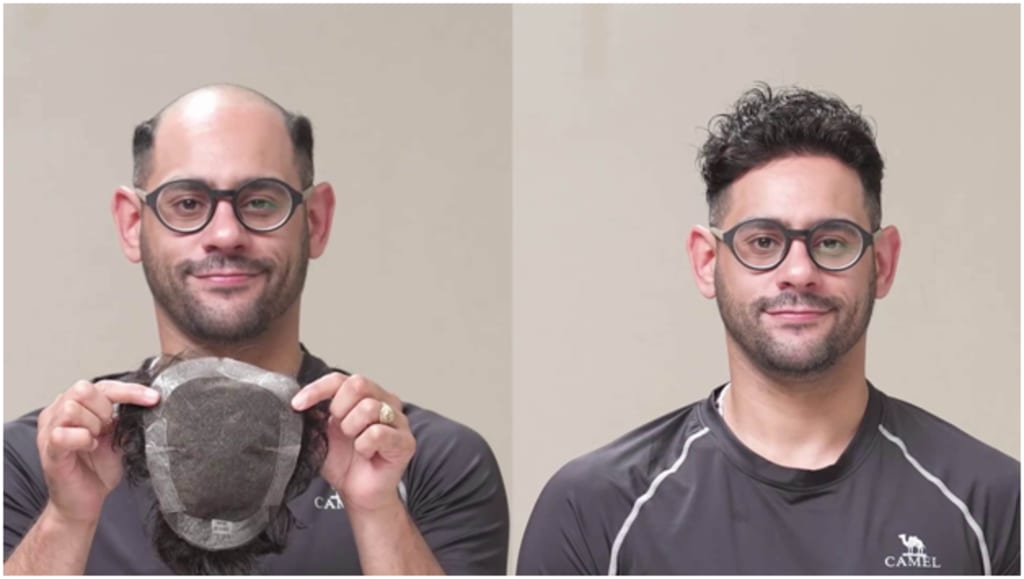
Is a Hair System Right for You? Find Out If You Are A Good Candidate for a Hair System
A modern hair system is basically a custom, non-surgical fix. It blends real or synthetic hair straight into a thin base to match your scalp perfectly. It's a great way to get a natural look back fast. But you're probably wondering, "Is a hair system right for me?" and "Who actually makes a good candidate for a hair replacement system?" Figuring that out honestly just starts with your mindset.
Key Takeaways
Expect a 7- to 14-day adjustment period to get comfortable with the physical feel and your new appearance.
Commit to 1–2 hours of weekly maintenance plus a longer reset every few weeks; hair systems are not "set-and-forget."
Budget for continuous expenses like replacement units, adhesives, and styling, rather than just a one-time purchase.
Choose a base material that fits your lifestyle: breathable lace for active routines or easy-to-clean polyurethane for beginners.
Avoid hair systems if you have temporary hair loss or active scalp infections; healthy skin is essential for proper adhesion.
The Psychological Shift: Are You Emotionally Ready for Hair?
Hair loss isn't just physical—it completely changes how you see yourself. Getting non-surgical hair replacement means stepping into a brand-new identity, sometimes practically overnight. That shift can feel exciting. But it can also leave you feeling exposed. The first real hurdle? Figuring out how to handle other people noticing.
Overcoming the Fear of Public Detection and the "Reveal"
Being “found out” is usually the biggest fear. But most modern systems are built to be entirely undetectable. Get a well-made unit with a natural hairline, and it blends seamlessly right into your scalp. Most people won't notice anything beyond thinking, “you look great.”
The real pressure actually comes from the people who knew you before. Keep your response simple and calm. Just tell them you changed your style or started taking better care of your hair. Over-explaining just draws unwanted attention. Confidence shuts it down. It really is that simple.
Start slow. Hang out with close friends first, then branch out to work or social events. Every positive reaction builds trust in your new look. Eventually, you'll stop worrying about what everyone else thinks and focus on exactly how good you feel.
Which brings up a deeper question—are your own expectations actually grounded in reality?
Managing Expectations: From Balding to a Full Head of Hair
Going from thinning or bald to a full head of hair can feel pretty strange at first. A toupee or men’s wig—especially a high-quality custom hair system—adds a lot more than just hair. It adds presence. Don't be surprised if it takes a few days for your reflection to feel like “you” again.
There’s a physical adjustment period, too. You’ll definitely feel the base on your scalp during that first week. But most guys get used to it within 7 to 14 days. Soon enough, it becomes just another part of your routine—like throwing on a watch or wearing glasses. That's it.
For your first system, stick to a style that's age-appropriate and close to what you used to have. Jumping into a wildly different look right away can feel utterly unnatural, even if the hair system itself looks incredibly realistic.
Once your expectations line up with reality, you’re ready to look at things more objectively—using a very simple, structured way to score your readiness.
The 5-Point Hair System Candidate Scorecard
A Hair Replacement System works best when it fits your reality, not just your hopes. This 5-point scorecard gives you a clear, honest way to judge the fit. It covers everything from daily habits to your budget and setting up a workable Maintenance Plan. Start by checking your hair loss stage and what you actually want to see in the mirror.
1. Your Hair Loss Stage and Aesthetic Goals
Your specific stage of Hair Loss really sets the limit on what a system can do. Early Pattern Baldness usually lets you use partial coverage that blends right into your own hair. But advanced loss or Alopecia mostly demands full coverage to get a consistent look.
Your end goal matters just as much. If you want a thick, youthful style, a full system can definitely deliver it. But it might feel like a huge identity shift at first. Going with a softer, age-appropriate density usually looks much more natural day to day.
Just match the design to your balding pattern and comfort level. When those two things line up, the result feels believable and much easier to pull off. Still, that same realism needs to hold up through your daily routine, bringing us to your activity level.
2. Lifestyle Compatibility and Activity Level
High activity puts serious stress on any system. Frequent gym sessions, swimming, and heavy sweating will weaken the Scalp Attachment faster. This is especially true if you rely on lighter adhesives for comfort.
Your base choice also impacts Breathability. Lace bases vent heat much better for intense workouts. Thicker skin bases can feel a bit warmer, but they offer a much tighter bond. You might end up trading some comfort for hold strength, or the other way around.
Always plan your wear schedule around your habits, not the other way around. If you're active most days, expect to do more frequent checks and touch-ups. That naturally leads right into the time you'll need to keep everything secure and clean.
3. Time and Maintenance Commitment
A Hair Replacement System isn't a set-and-forget fix. Most people spend about 1–2 hours every week on cleaning, scalp shaving, and re-bonding key areas. Plus, expect a longer 2–3 hour session every 3–5 weeks for a complete reset.
A solid Maintenance Plan needs to include adhesive removal, base cleaning, scalp prep, and careful Scalp Attachment to stop the hairline from lifting. Skipping steps might save you a few minutes today, but it costs you in looks and hold strength tomorrow.
Consistency is exactly what keeps the system looking completely undetectable. If your schedule is too tight, you might need simpler routines or even occasional help from a salon. The time you spend here links directly to what you'll end up spending over a full year.
4. Financial Commitment and Annual Cost of Ownership
The upfront price of a unit is really just part of the picture. A Custom Hair System or a stock Hair Replacement System requires ongoing spending on adhesives, tapes, removers, shampoos, and periodic styling services.
Most wearers replace their units several times a year based on daily wear, sun exposure, and care habits. Once you add in routine supplies and occasional professional installs, the annual cost turns into a steady budget line. It's definitely not a one-time purchase.
Spending a bit more can boost comfort or realism, but only if it makes sense for your daily use. Align your budget right with your routine so you can maintain the look without ever cutting corners. Finally, your skin's tolerance for adhesives is the last big piece to check.
5. Scalp Health and Sensitivity to Adhesives
Healthy skin just makes everything easier. If you deal with irritation, dermatitis, or frequent breakouts, certain tapes or liquid bonds might trigger redness or itching right under the Scalp Attachment.
Patch testing is fully essential before you try full wear. Test small areas with different adhesives and watch for any reactions over 24–48 hours. Your Base Material matters a lot too. Lace can feel much lighter on sensitive skin, while some films seal a bit tighter.
Comfort isn't just optional. It actually changes how long you can wear the system and how well it stays glued down. If your scalp reacts poorly, you'll need much gentler products or shorter wear cycles. Simple. Those limits really help map out who should move forward, and who should probably pause.
The Anti-Persona: Who Is NOT a Good Candidate?
A toupee or men's wig can really change how you deal with hair loss, but it's just not for everyone. Some situations actually call for a bit of patience or a totally different fix first. Knowing when a system won't work saves you both money and headaches. Start by checking out medical and temporary issues before you even think about designs or base materials.
Temporary Hair Loss and Medical Conditions
Active scalp issues are a hard stop. If you're dealing with infections, open sores, or inflamed skin, gluing or taping a system down will trap moisture and drag out the healing process. Plus, it bumps up the risk of discomfort and bad adhesion right from the start, ruining the final look. Simple.
Temporary hair loss like telogen effluvium is another big mismatch. That kind of shedding usually fixes itself within 3 to 6 months, totally unlike pattern baldness or long-term alopecia. So, locking into a system way too early is pretty much trying to solve a problem that might just go away on its own.
Focus on getting your scalp healthy and confirming exactly what's going on first. Once your shedding levels out and your skin clears up, the choice gets a lot easier. But that actually brings us to another huge dealbreaker: bad expectations about daily upkeep.
The "Set It and Forget It" Expectation
A non-surgical hair replacement system isn't zero-maintenance. Most guys spend about 1 to 2 hours a week cleaning, shaving, and sticking down the edges, on top of a longer session every couple of weeks. If that sounds like too much for your schedule, wearing one is going to feel like a chore.
Expecting a permanent, completely zero-effort fix is a fast track to disappointment. These systems look natural because you take good care of them, not by magic. If you skip your routine maintenance, you'll end up with lifting edges, a weak hold, and a hairline people can spot from a mile away. That's it.
Just be honest with yourself about your daily routine before jumping in. If you can handle regular care, the results are incredible. And once you're on board with the upkeep, the very next step is picking a base material that actually fits your lifestyle and comfort levels.
Matching Your Lifestyle to the Right Lordhair Base Material
Your daily routine needs to drive your Base Material choice, instead of passing trends. A Lordhair Custom Hair System only feels right when it actually fits how you live. Work, climate, and upkeep time all matter. Start by looking at how active and sweaty your days get, because that decides your comfort right off the bat.
The Active Athlete: Why Breathable Lace is Essential
Heavy sweat and heat mean you need maximum breathability. Full lace bases let air pass right through the whole system. This keeps your scalp cooler during workouts, long shifts, or muggy weather. All that airflow cuts down on itching, and it helps your adhesives hold strong all day long.
Lace gives you an incredibly realistic hairline too. The trade-off is pretty straightforward. You get amazing realism, but slightly less durability than thicker materials. That's especially true if you’re rough while cleaning or styling it. But with careful handling and weekly upkeep, most active guys still get a great lifespan and a completely natural look.
If your routine isn't quite as intense—or you just want something easier to wash—skin bases start making a lot more sense.
The Low-Maintenance Beginner: The Case for Polyurethane Skin Bases
Thin polyurethane is the easiest Base Material if you're a first-time user. Cleaning off the adhesive is super straightforward. Why? Because the glue and tape sit perfectly on a smooth surface instead of getting stuck inside a mesh. That means much faster weekly care and a lot fewer mistakes while you’re still learning the ropes.
Skin bases also give you an undetectable front when you put them on right. The material mimics the look of a real scalp, so the hairline blends right in under normal lighting. You're trading a little bit of airflow for that simplicity. But many beginners gladly accept that swap just to cut down on their daily upkeep time.
Once you’re comfortable with the different base materials, the bigger question usually pops up. How does a Custom Hair System really stack up against surgical options when it comes to cost, commitment, and long-term results?
Decision Matrix: Non-Surgical vs. Surgical Hair Restoration
Choosing between non-surgical and surgical hair restoration comes down to everyday trade-offs. You're balancing durability against realism, upfront costs against ongoing spending, and your timeline for getting results. Hair systems, transplants, and SMP each tackle hair loss in their own way. A good place to start is figuring out who actually qualifies for surgery, and who gets more mileage out of a system.
Hair Systems vs. Hair Transplants: Candidate Comparison
Hair systems work for almost anyone fighting hair loss. Transplants, on the other hand, strictly need enough donor hair on the back and sides. If your donor area is thin or already overharvested, surgery probably won't give you the density you're hoping for. Getting a Lordhair system means you get full coverage right away. That includes a thick, natural hairline that transplants usually can't match in just one session. Simple.
Your budget and timeline naturally divide these choices, too. Transplants hit you with a massive one-time price tag. Then, you wait months before any real results show up. Hair systems cost way less on day one, though you do have to budget for regular maintenance and replacements. Emotionally, a lot of people just prefer an instant fix over sitting through awkward shedding phases and guessing what the final density will look like.
And that brings us to another non-surgical option that skips both the scalpel and the hairpiece altogether: SMP.
Hair Systems vs. Scalp Micropigmentation (SMP)
SMP uses pigment to create a permanent buzz-cut look. A hair system, by contrast, gives you actual, touchable hair with real movement. If you're after volume, texture, and the freedom to change up your hairstyle, a system easily delivers a more natural look everyday. SMP is definitely sharp. But by design, it stays completely flat and 2D.
Maintenance is a totally different ballgame, too. With SMP, you only need occasional touch-ups when the pigment fades every two to four years, plus practically zero daily effort. Hair systems do need regular washing, reattachment, and eventual replacement. But they hand you complete control over your hair's density and style. For a lot of guys, that kind of control easily beats out the extra upkeep.
Up next, we'll answer the most common practical questions—what wearing a system every day actually feels like, and how it naturally fits right into your routine.
Frequently Asked Questions About Hair System Candidacy
Can you shower or swim with a hair system?
Yes. Waterproof adhesives keep it locked down in the pool or shower. Just rinse out the chlorine or salt afterward so the hair doesn't dry out.
How long does a hair system typically last?
3 to 6 months on average. Thinner bases look ultra-realistic but degrade faster. Budget for continuous replacements instead of treating it like a one-time purchase.
What is the difference between lace, polyurethane, and monofilament bases?
Lace breathes. It lets air pass right through for heavy sweat. Polyurethane is a skin-like film that's super easy to clean for beginners. Monofilament is the durable middle ground.
How are hair systems attached to the scalp?
Glue or tape. You shave the scalp area and stick it down with liquid adhesive or specialized double-sided tape. Expect to spend 1 to 2 hours weekly cleaning and re-bonding the edges.
About the Creator
Leo
Passionate men's hairstylist with a keen eye for detail and a knack for creating on-trend looks. Dedicated to delivering hair restoration education that enhances individual style.
Enjoyed the story? Support the Creator.
Subscribe for free to receive all their stories in your feed.
Comments
There are no comments for this story
Be the first to respond and start the conversation.