
Inside a Hair System Factory: How Your Non-Surgical Hair Replacement is Made
Inside a Hair System Factory: Manufacturing Process

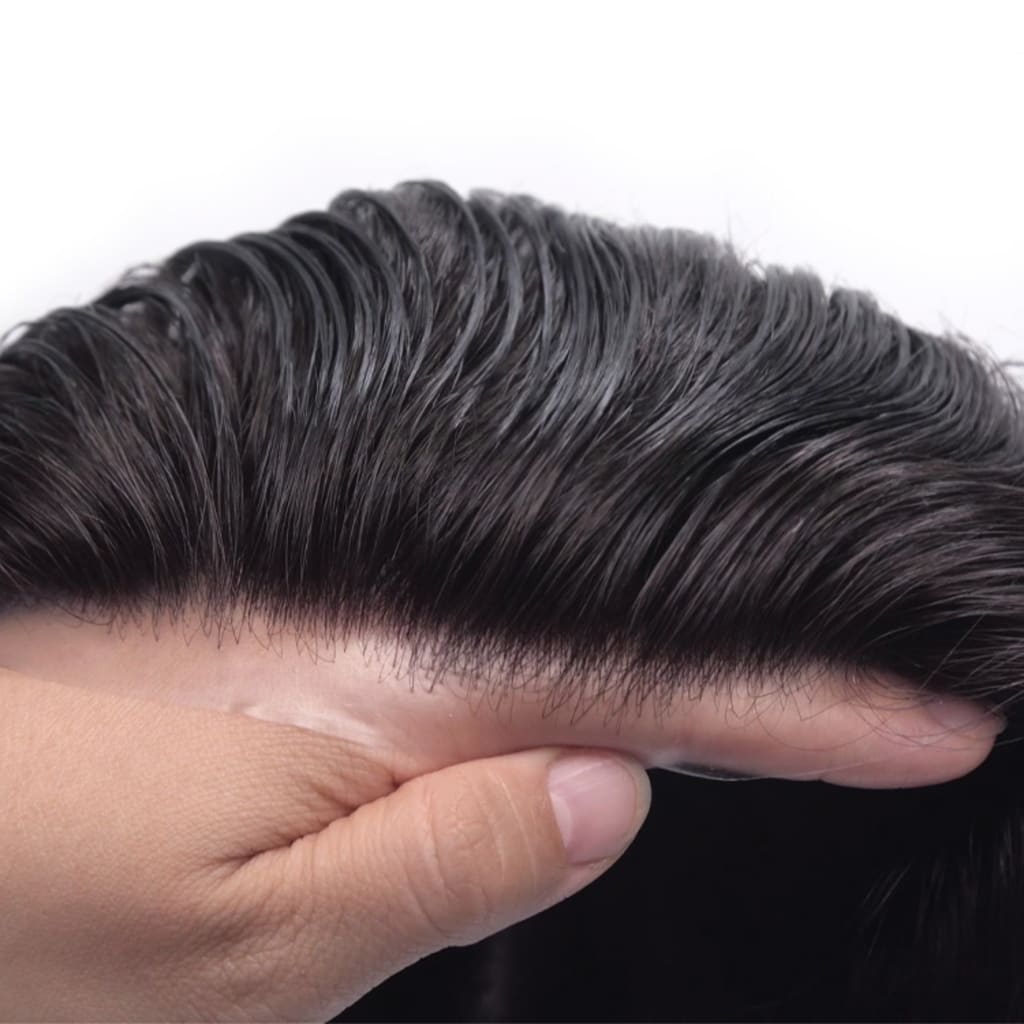
Inside a Hair System Factory: How Your Non-Surgical Hair Replacement is Made
A reliable hair system factory sits at the core of the non-surgical hair replacement market. For salon owners working with suppliers like Newtimes Hair, understanding this detailed manufacturing process helps ensure client satisfaction through tight quality control. To really see the value of the final product, it starts with the raw materials that shape its quality.
Key Takeaways
- Verify premium quality by ensuring 100% human hair is used, which can be confirmed through simple burn tests.
- Match base materials to client needs: choose poly for seamless bonding, lace for breathability, or monofilament for durability.
- Request specific ventilation techniques—like V-loop, injected hair, or bleached knots—to guarantee an undetectable, natural hairline.
- Achieve realistic aesthetics by blending multi-tonal colors and calibrating hair density to match the wearer's age.
- Avoid factory "red flags" like heavy silicone coatings, which are often used to temporarily mask damaged hair.
The Foundation of Quality: Raw Hair Sourcing and Sanitization
A top-tier hair system manufacturer gets premium human hair straight from carefully vetted donors, following ethical practices. Every bundle goes through strict sanitization to remove impurities. So how do factories confirm this starting standard?
Are hair systems made of real hair?
Premium units use 100% human hair only. To ensure it’s real, technicians at Newtimes Hair carry out microscopic inspections.
In synthetic vs human hair tests, real strands turn to ash, while plastic fibers melt. This confirms the material’s integrity before any physical preparation begins.
The Hackling and Sorting Process
Workers pull raw bundles by hand through a metal hackle. This lines up the cuticles neatly and helps prevent matting.
At this stage of hair processing, tight quality control means specialists remove weak strands. Once the hair is cleaned and sorted, it then goes through careful chemical processing to reach the desired look.
Engineering the Base: The Architecture of the Hair System
Once the raw hair is sorted and processed, the next step in a hair system factory is building the actual foundation. Base materials decide how the unit feels on the scalp and how well it holds up to daily wear. A poorly built base leads to itching, sweating, and unhappy salon clients. Manufacturers usually work with two main structures: a woven lace base for airflow or a thin skin/poly base that sits flush against the head. The material choice directly affects the wearer’s comfort and the unit’s overall durability. High-quality construction depends on strict quality control, making sure every edge lies flat against the scalp. Before pouring or weaving these materials, technicians need a precise structural blueprint to lock in a perfect fit.
Precision Mold Making for Custom Systems
A perfect fit always starts with an accurate template. For a custom hair system, factories rely on exact measurements provided by the client or salon. Technicians at Newtimes Hair use these plastic head molds to recreate the exact contours of a wearer’s scalp. This makes sure the unit won’t lift or bunch up.
The manufacturing process differs a lot between custom-made vs stock systems. Stock units use standard symmetrical molds, while bespoke templates capture every unique curve.
Once the physical mold passes quality control checks, the foundation starts to take shape. The factory then selects the specific base materials to stretch over this custom blueprint.
Choosing Between Lace, Skin, and Monofilament
Different foundations call for completely different engineering methods. A poly base involves carefully painting liquid polyurethane over the mold in ultra-thin layers. This creates a transparent, skin-like surface that bonds seamlessly to the scalp. But it traps heat.
For maximum breathability, factories weave detailed mesh structures instead. Swiss lace gives you a highly undetectable, soft hairline but needs delicate handling during production. Mono (monofilament) offers a tighter, more durable weave, making it ideal for the crown area where strength really matters.
Quality control teams check every inch of these materials for tears or uneven thickness before approving them. With the base foundation ready, the most labor-intensive phase—ventilation—begins.
The Art of Ventilation: Hand-Knotting and Injection Techniques
Ventilation is where the real work happens at Newtimes Hair. Technicians secure thousands of strands into the base using precise methods. These hand-tied knots need strict quality control to mimic natural growth. And different knotting styles lead to different levels of realism and durability.
V-loop vs. Injected Hair: Which Manufacturing Method is Best?
Knotless V-loop ventilation pulls hair through a thin poly base. It creates a natural look without visible bumps.
Injected hair pushes strands straight through silicone to mimic scalp growth. Both methods shape how the final hairline appears.
Achieving the Undetectable Hairline through Bleached Knots
Lace systems need a different approach. Technicians lighten dark roots with chemicals to create bleached knots.
These hidden knots ensure an undetectable hairline. Once the front passes inspection, the focus shifts to hair volume and placement.
Customization and Color Mastery at Newtimes Hair
Perfect knots are only the starting point. At Newtimes Hair, each unit has to match the client’s natural look.
That means precise color matching and the right hair density. Experts tweak these details by hand.
The Science of Multi-Tonal Color Blending
Natural hair is never just one flat shade. In the factory, technicians blend several tones to create realistic highlights.
This kind of color matching avoids a flat look. Then the team handles the thickness.
Calibrating Hair Density for Different Age Groups
Volume shifts with age. Workers adjust the hair density on each custom hairpiece to match.
Lighter density recreates a more mature, receding hairline.
Once the hair is attached and colored, the system goes through strict testing.
The 3-Tier Quality Control (QC) Protocol
Strict inspection standards are what separate reliable suppliers from expensive mistakes. At Newtimes Hair, tight Quality Control helps prevent early Hair Shedding. Knowing how these standards work makes it easier for buyers to spot "red flag" manufacturers. First, inspectors check the physical strength of the piece.
Testing for Shedding and Base Durability
Technicians run aggressive "pull tests" and give the unit vigorous washes to check Durability. This step in Quality Verification shows whether it can handle daily wear and helps extend its Lifespan.
A weak base won’t pass. Next, the unit goes through a strict visual check.
Final Inspection: The "Red Flag" Checklist for Buyers
Visual checks catch Factory Red Flags right away. Premium systems should look completely natural. Poorly made units often depend on heavy Silicone Coating to cover up damaged hair.
That coating fades fast, leaving behind a tangled mess. Once everything passes, the units are shipped to your salon.
Looks like the draft text itself didn’t come through. Paste the content you want polished, and I’ll rewrite it while keeping everything structurally identical.
Frequently Asked Questions About Hair System Manufacturing
What is the difference between synthetic and human hair systems?
Realism. Human hair moves and styles naturally. You can use heat on it. Synthetic is basically plastic fibers. It holds a pre-set shape but melts under a curling iron. Always choose human hair if you want it undetectable.
Where do hair system factories source their human hair?
Mostly India and China. That is where the volume is. Good factories buy direct from vetted donors to ensure ethical sourcing. Every raw bundle undergoes intense sanitization to strip impurities before it ever touches a base.
How is hair processed and treated during the manufacturing stage?
Stripped and dyed. Acid washes remove the cuticle to prevent tangling. Then it is bleached and colored to precise shades. Watch out for heavy silicone coatings. Cheap factories spray that on to temporarily hide damaged, low-grade strands.
What are the different methods for attaching a non-surgical hair system?
Tape or liquid glue. Tape is less messy and holds for 1-2 weeks. Liquid adhesive gives a waterproof, seamless bond lasting up to 4 weeks. Poly bases handle glue perfectly. Lace needs tape to avoid a sticky mess.
About the Creator
Leo
Passionate men's hairstylist with a keen eye for detail and a knack for creating on-trend looks. Dedicated to delivering hair restoration education that enhances individual style.
Enjoyed the story? Support the Creator.
Subscribe for free to receive all their stories in your feed.
Comments
There are no comments for this story
Be the first to respond and start the conversation.