
I'm new to hair systems — hybrid lace front poly perimeter base. What should I know before ordering?
Hybrid Hair Systems: Lace Front & Poly Perimeter Guide 2026

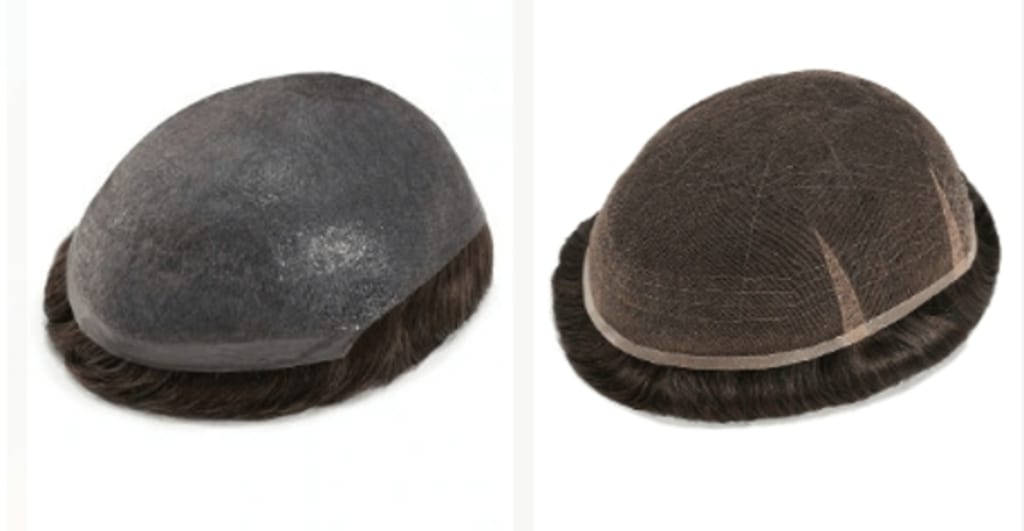
For a hybrid lace-front system with a poly perimeter, the best all-around option is usually Lordhair NEO: it combines a French-lace front/top with a thin-skin perimeter, giving you a natural, breathable hairline plus easier tape or adhesive attachment and cleanup. Expect roughly 2–4 months of wear depending on maintenance, lifestyle, attachment method, and density.
A Hybrid Hair System combines a Lace Front for a realistic hairline with a poly perimeter, giving your adhesive a solid place to stick. The lace also lets your scalp breathe a lot easier. We'll break down exactly how this base works, the routine maintenance it needs, and the best options to help a first-time wearer order with total confidence.
Key Takeaways: What You Need to Know Before Ordering
Hybrid bases use lace at the hairline plus polyurethane around the perimeter.
Tape stays on the polyurethane perimeter to protect delicate lace.
Daylight color matching helps the system blend with your existing hair.
Deconstructing the Hybrid Base: How Lace Front and Poly Perimeter Work Together
Getting your first hybrid hair system can feel a bit confusing when the base uses two different materials. But this design actually keeps the most visible spots light and natural-looking, while giving you a much stronger area to attach it.
Lace handles the front hairline—the spot where realism matters most. Meanwhile, polyurethane supports the outer edge to give your tape a nice, smooth surface.
The Lace Front: Delivering Realism and Hairline Breathability
A lace front creates a softer, much more natural hairline. Why? The fine mesh makes individual hairs look like they're growing right out of your scalp. This is a big deal if you style your hair back or lift the front with a comb.
Those tiny openings also let in way more airflow than a solid material. That extra breathability makes the front of the system feel a lot less closed-in while you wear it all day.
But lace is definitely delicate. You'll want to hold the base instead of pulling on the hair, brush gently near the front, and skip any rough rubbing when washing or drying. Treating it right helps the lace front keep its shape and its natural look.
The Poly Perimeter: Adding Structural Strength and Easy Adhesive Cleanup
The poly perimeter—also known as a PU perimeter—is just a smooth polyurethane edge wrapped around part of the hair system. It gives the base a lot more structure. This gives beginners a firmer area to grab onto while attaching or taking off the system.
Tape usually grips a PU perimeter way easier than lace since the surface is smooth and non-porous. Plus, keeping your tape on this skin-base edge actually protects the lace front from unnecessary pulling.
Cleanup is also a breeze on polyurethane. The adhesive residue stays on the solid perimeter instead of sinking right into the mesh openings. A poly perimeter won't magically make maintenance disappear, but it does make the attachment area much more predictable while you learn your daily routine.
Comparing Base Options: Full Lace vs. Full Poly vs. Hybrid
A hybrid base is usually the best middle ground for your first system. It puts lace right at the front for a natural hairline and decent airflow. Then, it uses a polyurethane edge where tape or glue needs a smooth, solid surface to stick.
Full lace gives you great airflow across the entire scalp and creates a soft front edge. The catch is the delicate mesh. Cleaning up old glue takes extra care, and the whole base needs gentle handling.
Full poly—often called a Skin Base or Thin Skin—makes sticking it down and cleaning it up a lot easier. But that solid surface blocks the breeze, especially if you wear it for days at a time.
A hybrid keeps lace exactly where people actually look, and puts poly where you need a tight hold. It's not the same thing as a Mono Base (or monofilament base), which relies on a completely different mesh setup. This mixed design makes putting the system on feel way less scary while keeping the front nice and breathable. The materials do wear down at different speeds. Because of that, lifespan really comes down to how carefully you handle removal, cleaning, and reattachment.
Lifespan Realities: How Long Does a Hybrid Hair System Last?
Seeing the lace front start to look tired can make a first-time wearer wonder if the whole hybrid system is failing. Usually, it's not. A hybrid base just doesn't wear down evenly. The lace front almost always hits the end of its usable life way before the polyurethane perimeter does.
Giving a fixed number of weeks honestly doesn't work unless you know the lace thickness, how often you take the system off, and how gently you wash it. Plus, human hair needs careful handling. Rough brushing and pulling will definitely cut its lifespan short. It's really that simple.
Lace is just a really fine mesh, and the front edge takes the biggest beating during removal and cleaning. Bleached knots might make the hairline look softer, but they definitely don't make the mesh any stronger. The poly perimeter is smoother and usually holds up better, but it can't magically make up for torn lace. And because every area wears down differently, each section needs an attachment method built for that specific material.
The Two-Material Attachment Strategy: Tape on Poly, Glue on Lace
Hybrid bases work because each material handles attachment in its own way. Tape usually grips the smooth polyurethane edge really well. Meanwhile, liquid adhesive gives the lace front a flatter, much more natural-looking hairline without ruining its breathability.
This split approach gives you a secure edge right where it's needed, plus a softer front where people actually look first. The goal isn't some complicated daily routine. It's just a predictable hold that keeps the delicate lace safe. That's it.
Applying Double-Sided Tape to the Poly Perimeter
Double-sided tape is usually the easiest choice for the polyurethane (or poly) perimeter. The smooth surface gives the tape a clean area to grab onto. Always start with a completely clean, dry PU edge and scalp. Oils, sweat, or leftover glue will weaken the bond before you even put the hair system on.
Cut your tape into small strips that match the curve of the perimeter. Put each strip just inside the poly edge, press it down hard, and leave the protective backing on until you're actually ready to attach it. Don't run the tape onto the lace. The lace needs a much lighter touch at the front.
Once the placement looks even, peel off the backing one piece at a time. Then, gently lower the system onto your scalp—but don't stretch the base. Press around the taped edge with steady fingertips. Just make sure to follow the tape brand's skin-safety directions, and take it off if your scalp gets irritated.
Applying Liquid Adhesive to the Front Lace Section
People mostly use liquid adhesive on the front lace. Tape can leave a bulky, noticeable line right under that fine mesh. The catch? Glue can easily seep into the hair if you use too much. Keep the layer thin and controlled. Also, doing a quick patch test before your first full install is always a smart move.
Apply the glue directly to a clean, dry scalp just behind where you want the hairline to sit. Don't push it through the lace itself. Check the label for the exact drying time. Once it hits the right tackiness, lower the lace from the center going outward, pressing down gently with clean fingers.
Try not to drag the lace across wet glue. Doing that can pull adhesive right up into the base fibers, which makes the bleached knots at the hairline look a lot less natural. After you take it off, clean the poly edge and lace front very carefully. Since they're different materials, they need different care. Simple.
Cleaning a Hybrid System: Managing Poly and Lace Residue Safely
Dealing with adhesive residue takes a slightly different approach depending on which part of a hybrid base you're cleaning. The poly perimeter handles careful wiping just fine. But the front lace? It can easily snag or trap glue if you rub it too hard.
Taking your time with a slow cleaning routine protects the breathable lace. It's what keeps that hairline looking natural. So, here's the main rule for Maintenance & Cleaning: always handle the stronger poly sections separately from the delicate lace.
First, take the system off gently and lay it hair-side down on a clean towel. Grab an adhesive remover designed specifically for hair systems and apply it to the poly edge, following the directions on the bottle. Instead of scraping, just lift the softened tape or glue right off with your fingertips. Easy.
Try to keep the remover away from the lace as much as you can. If you spot residue near the front, just put a tiny drop on a cotton swab and gently dab it from the base side. Rinse it off and let everything dry completely before putting it back on.
Being this careful also helps protect the lighter, invisible look of those bleached knots. Once you get the hang of this routine, you can shift your focus to picking out the perfect ordering details that fit exactly what you need.
Essential Ordering Steps: Sizing, Hair Density, and Color Matching
Getting the base size or color wrong will quickly make a hybrid system stand out. When placing your first order, trace your thinning area using a Template or Mold. Then, measure that marked shape across its longest and widest points. You'll want to match the hair color to what's left on your sides and back. Do this in natural light, never with a filtered photo.
Getting your measurements, color, and Hair Density right is what gives you a natural lace-front hairline and keeps things breathable.
How to Choose the Correct Hair Density for a Natural Look
Your Hair Density needs to blend perfectly with the hair you currently have. Don't try to recreate the thick mop you had as a teenager. The density percentage just tells you how full the system actually is. For your very first hybrid system, go with a conservative, age-appropriate level. It should look just like the hair on your sides and back.
Sure, a higher density might look great in a product shot. But it can easily make the lace-front hairline look way too heavy next to your thinner, natural hair.
Always use clear, daylight photos when asking for Color Matching. Make sure to check your sides as well as the top. Let Lordhair know if your natural hair is fine, medium, or thick, and mention if there's any gray mixed in. Then, just ask them for help picking the right density percentage. A realistic density and a spot-on color match usually make for a much softer transition when you start wearing it.
The First 48 Hours: What to Expect During Initial Wear
Getting a new Hybrid Hair System means you might notice your scalp a lot more on day one, especially when you sleep or turn your head. You aren't overreacting. A hybrid base mixes a breathable lace front with a poly perimeter, which gives the adhesive a solid edge to grip.
A secure fit should feel snug, but never painful. Perfection isn't the goal over these first two days. It's really just about figuring out how the base feels during your everyday routine, and seeing if the Natural Hairline stays comfortable and looks believable.
Try not to keep touching or lifting the lace front just to check on it. Playing with it too much can mess up the attachment, making a perfectly good edge feel loose. Check how it looks in natural light once or twice, then just leave it alone.
That mild feeling of having something on your head usually fades as you get used to your Lordhair system. But if you run into burning, heavy itching, or constant tightness, take it off carefully and rethink your adhesive. These first two days basically just show if this specific base actually works for your daily life.
Decision Framework: Is a Hybrid Base Right for Your Lifestyle?
Looking in the mirror matters a lot less than how your hair system actually holds up when you work, exercise, or sleep. A hybrid base is great for beginners. It gives you that natural-looking lace hairline, plus a poly perimeter so your adhesive has a solid place to grip.
It's the perfect mix of a natural front and reliable everyday hold.
Do hybrid hair systems hold up better if you sweat a lot or live an active lifestyle? Usually, they're just a solid middle ground—not some magic shield against sweat. The lace front tends to breathe better than a full skin base. And that poly edge? It makes checking your attachment way less of a hassle compared to full lace.
When looking at stock versus custom systems, stock hybrids are a smart, easy, ready-to-wear choice. If the base feels comfortable throughout your regular week, you've hit the sweet spot. You can check out the different Lordhair options whenever you're ready.
Exploring Lordhair Hybrid Hair Systems at Your Own Pace
Choosing your first Hybrid Hair System shouldn't feel like a test you have to pass. Lordhair lets you compare hybrid options at your own pace. This way, you can focus on the lace front's natural hairline and the breathable feel it gives you during a regular day. The right choice is simply the one you understand and can actually live with.
Start by comparing Stock vs. Custom Systems in plain terms. Stock systems are a ready-made starting point, but custom ones are built around your specific details. If you're unsure which route fits best, just ask Lordhair for some personalized help and take your time thinking over the answer. Looking into common questions about hybrid bases can also clear up any last worries before you order.
Frequently Asked Questions About Hybrid Hair Systems
Are hybrid hair systems easy to clean and attach?
Yes, easier than full lace. Tape sticks cleanly to the poly perimeter; use liquid adhesive on the lace front. Remove residue gently—never scrape the lace.
How do I measure my head for a hair system?
Trace your thinning area with a template, then measure its longest length and widest width. Match color in daylight, not filtered photos.
What is the difference between lace and mono hair system bases?
Lace is lighter, breathable, and best for a natural hairline. Mono is a tougher mesh base. Hybrid systems use lace up front and poly around the edge for attachment.
About the Creator
Leo
Passionate men's hairstylist with a keen eye for detail and a knack for creating on-trend looks. Dedicated to delivering hair restoration education that enhances individual style.
Enjoyed the story? Support the Creator.
Subscribe for free to receive all their stories in your feed.
Comments
There are no comments for this story
Be the first to respond and start the conversation.